Sioux Valley Energy plans work to meet members’ future needs
Feb. 11, 2026
This piece is sponsored by Sioux Valley Energy.
Growth throughout Sioux Valley Energy’s service territory is directing the cooperative’s 2026 work plan.
“We have a lot of work going on all across our system, but we have areas where that growth is coming in a little faster,” said Chris Graff, director of operations.
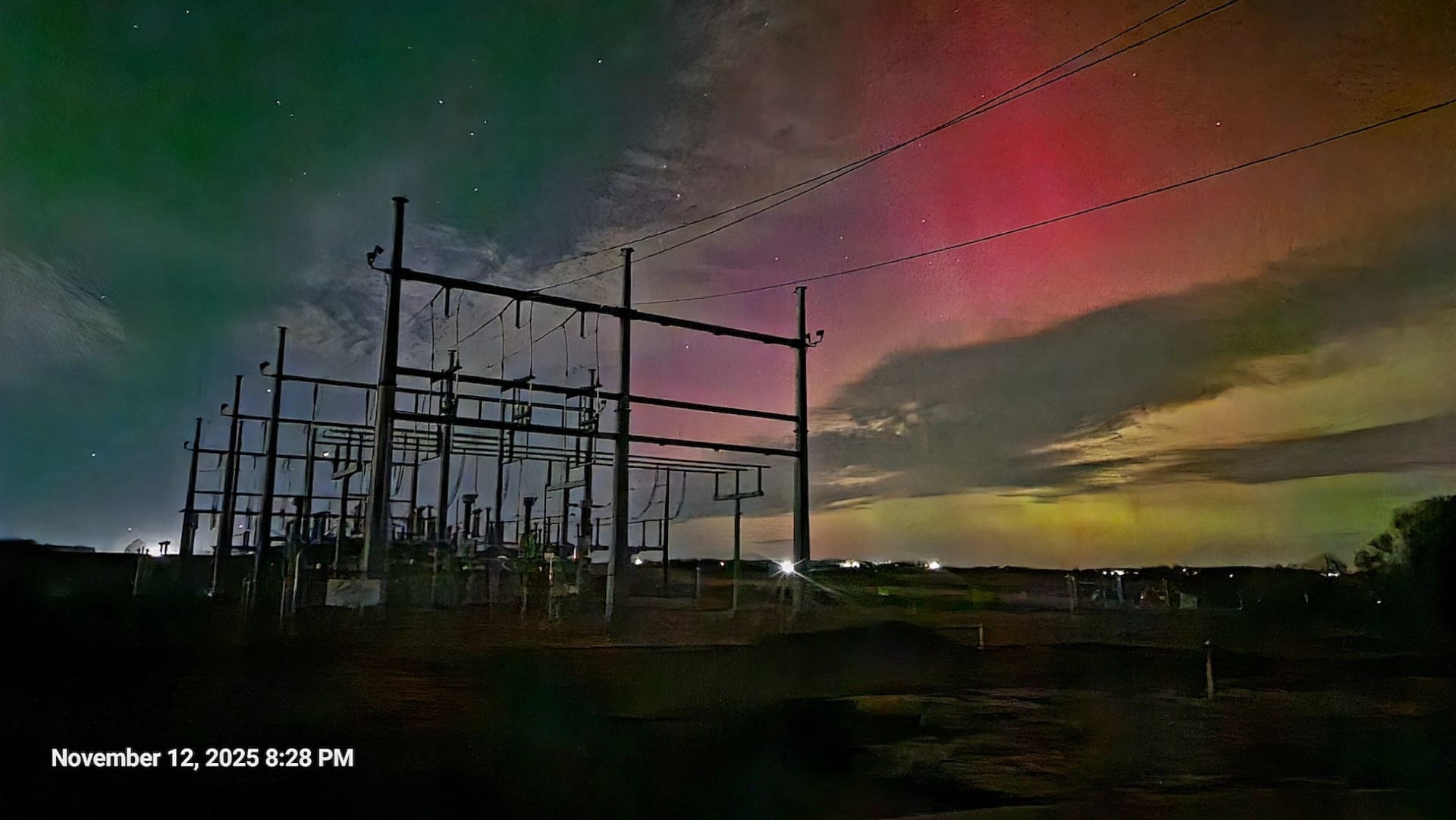
Photo courtesy Chris Myers
Major projects areas identified by Graff include:
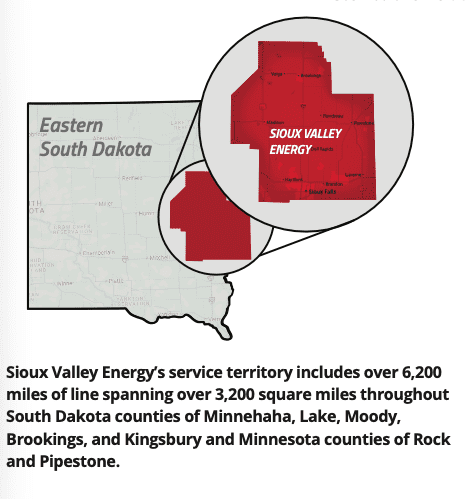
- Minnesota: Crews are working southwest of Hardwick on an overhead line build and will follow up later this year with a large overhead project south of Edgerton.
- Brookings County: In the north part of the system, crews have several multiple-mile projects south of Volga and south of Brookings to update aged facilities and increase capacity of the system in that area.
- Lake County: Crews will be working this year on cleaning up and burying aged overhead line as well as completing improvement projects around the Lake Madison area, which is part of the system that continues to grow rapidly.
- Moody County: East River Electric Power Cooperative is constructing a new distribution substation west of Trent. Sioux Valley Energy crews will construct line connecting the new substation into the co-op’s existing system to serve load growth in that area.
- Minnehaha County: Work continues to be steady in Minnehaha County as well. The co-op will be upgrading a main feeder line along 41st Street west of Sioux Falls to serve the growing electric load in that area. Sioux Valley Energy also is working on several projects in the east Sioux Falls and Brandon areas that will allow the electric system to serve continued growth.
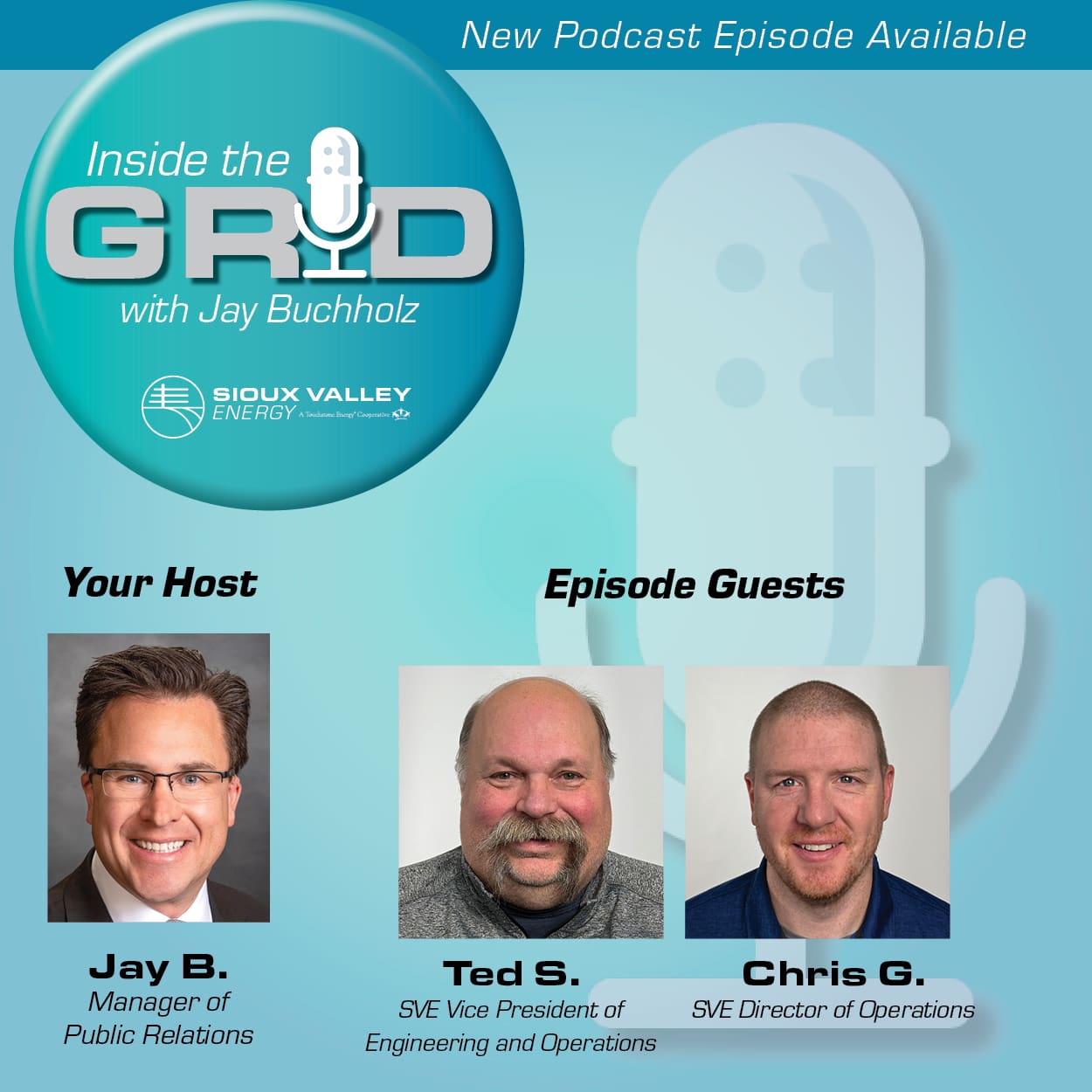
Graff, along with Ted Smith, vice president of engineering and operations, discussed the cooperative’s $25 million overall work plan during a January segment of the cooperative’s “Inside the Grid” podcast.
As part of the cooperative’s overall construction work plan, Sioux Valley Energy seeks to rebuild 125 miles of electric line each year.
“The new overhead line is more resilient and built to withstand 2 inches of ice,” said Smith, noting that the construction uses poles spaced more closely together and a heavier conductor line than in the past.
“Much of the system was built in the mid-20th century and is going on 80 to 90 years old,” Smith said. “Now it is on us to upgrade it.”
At the current pace, the cooperative’s oldest lines should all be replaced within the next 15 years.
“But that doesn’t mean we’re done,” Smith said.
When the oldest of the cooperative’s lines are replaced, it will continue upgrading aging infrastructure, ensuring that a reliable electric system is in place to serve the cooperative’s growing membership.
“Underground electric line is expected to last 40 to 50 years while overhead line is expected to last 80 to 90 years,” Smith said.
Graff noted that the co-op adds about 500 to 550 new services a year. Some of those, like an apartment complex, could include dozens of meters.
“It took us about 75 years to get to 500,000 megawatt hours of sales per year,” Smith said. “We got to a million within 20 years after that. We’ll cross a million this next year. We’re going to get to the next million in 10 to 15 years, doubling again. And then, it’s going to double again 10 years after that. We are in a fairly aggressive load growth of what we call our legacy members, which includes residential, farm, local business, etc.”
The growth will carry with it employment needs.
“We know we’re going to need more employees,” Smith said. “We’re going to need line workers, engineers, billing personnel. We’re going to need more people handling member issues through calls, chat, emails.”
Smith noted that the growth covered in the 2026 work plan is from legacy members.
“This is all based upon our normal, traditional load growth that we’ve had for the last 85 years. If a data center comes, it is outside of this,” Smith said. “We are being very diligent about it.”
If a data center were to locate within the cooperative’s service territory, it would have to pay for the procurement of power and the construction and maintenance of all electric facilities and equipment needed to serve it. “They would have to pay their own way,” Smith noted.
To listen to the full podcast with detailed information on the cooperative’s work plan, click here.