Getting the Right Hand Right: Program to help manage risk of leadership transition
Feb. 11, 2026
This piece is sponsored by Prairie Family Business Association.
Take a critical step toward addressing leadership transition in your family business in one afternoon at an upcoming program delivered by experts with a proven approach.
“Right Hand Relationships: Managing the Risk of Leadership Transition” will be from 1 to 4 p.m. April 21 at the Canopy by Hilton in downtown Sioux Falls, one day before the annual conference of the Prairie Family Business Association.
To learn more and register, visit here.
While the event is held ahead of the PFBA conference on April 22-23, afternoon pre-conference sessions are open to anyone.
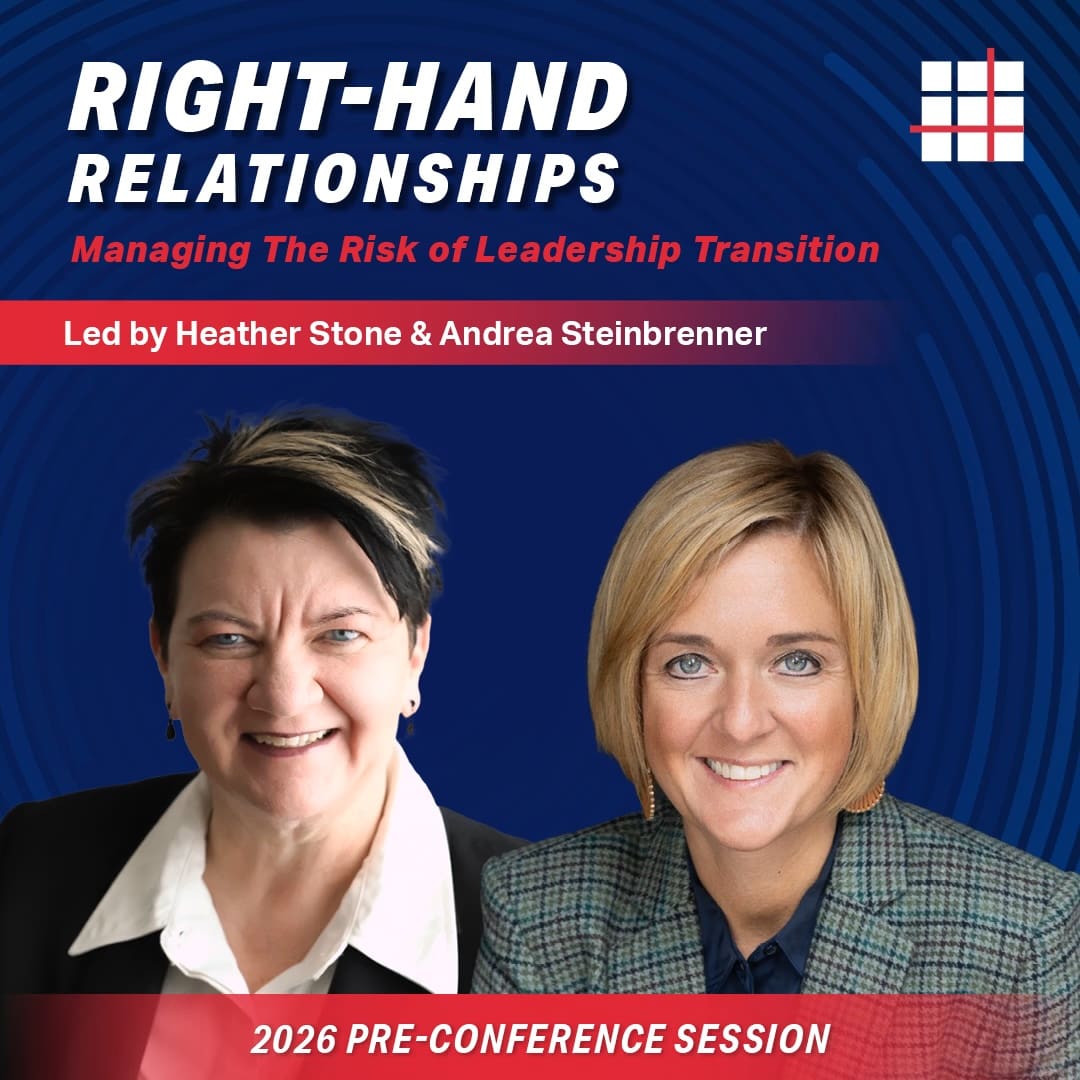
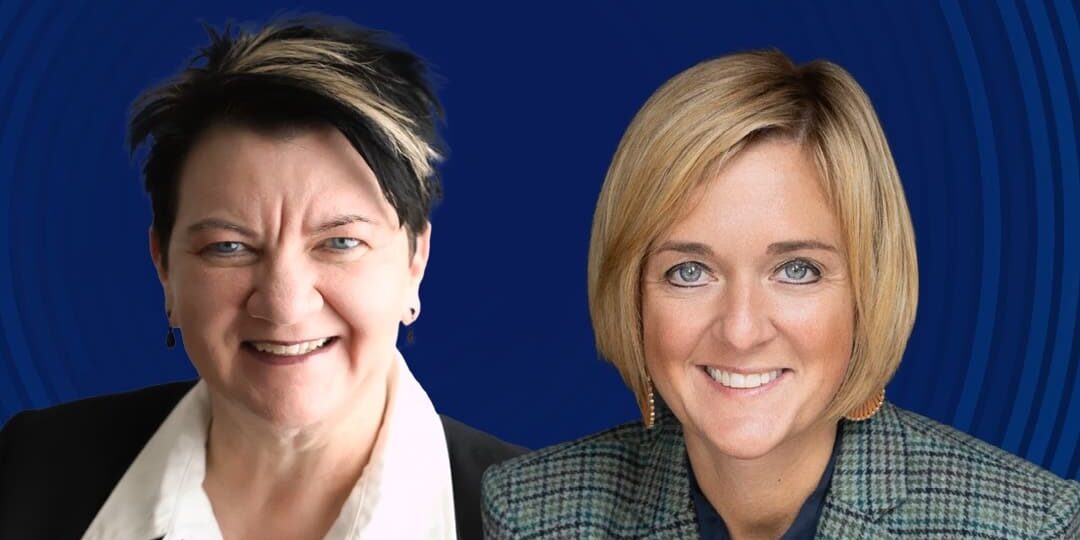
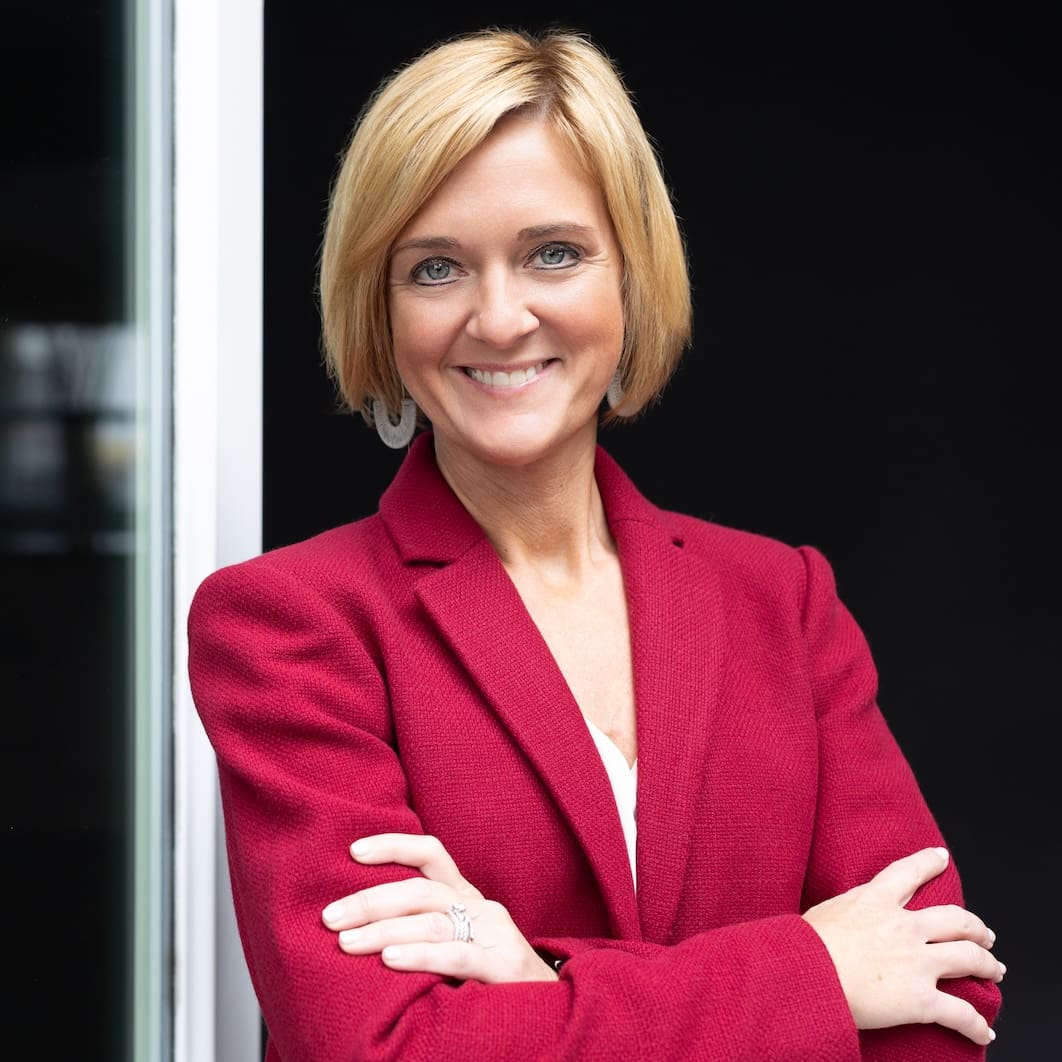
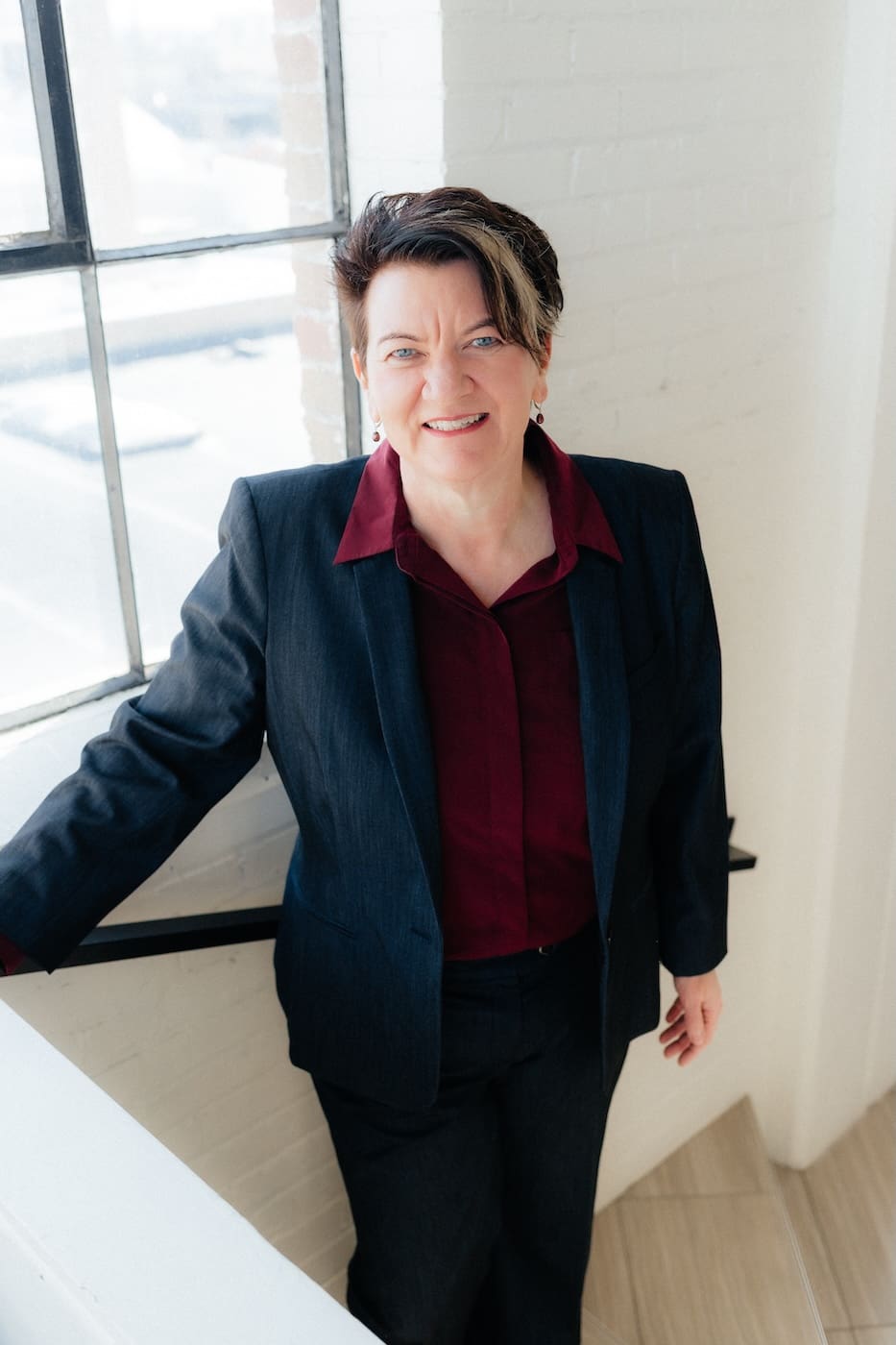
Geared toward business owners, CEOs and other family and nonfamily business leaders, this pre-conference program will be expertly facilitated by Andrea Steinbrenner, CEO and partner of Exit Consulting Group, and Heather Stone, CEO and founder of Practical PhD.
Exit Consulting Group, founded 20 years ago, partners with clients in preparing for generational succession, evaluating exit options, navigating partner dynamics and enhancing value ahead of a sale.
“Our methodology — what we call Exit Engineering — is built to create clarity, strengthen organizational health and drive successful outcomes,” Steinbrenner said. “We start by aligning on what success truly means for you and your business. From there, we design a focused plan of action to achieve those goals, always anchored in protecting and elevating the long‑term value of your organization.”
Stone, named a Top Performer for Vistage International in 2024 and a four-time company president, founded Practical PhD nearly three years ago, specializing in Right Hand Relationships.
“We have created a Right Hand road map system for helping CEOs/founders and their key Right Hand leaders get on the same page quickly,” Stone said.
“We help them map out expectations when it comes to communication, decision-making and reporting so that both leaders and the team around them feel empowered to move the business forward.”
The system is being used by thousands of companies and will be detailed in a book coming out in March, “Winning Together: How CEOs and Their Right Hand Build a Relationship That Works.
Practical PhD and Exit Consulting have come together with Prairie Family Business Association to offer family businesses a viable path to training next-generation leaders.
“Leadership transition is more than a skills handoff — it’s about identity, legacy and trust,” said Mason Van Essen, PFBA’s assistant director who helped organize the pre-conference event.
“This workshop breaks down the challenges both current-gen and next-gen leaders face, introduces the concept of Right Hand Relationships as a proven solution and provides hands-on tools for applying these principles in real-world settings.”
Through breakout sessions and exercises, participants will explore mindset barriers, practice communication and delegation skills, and gain a road map for sustainable leadership handoff.
The Right Hand Relationship
Workshop participants will learn about the concept of a Right Hand Relationship – a strategic partnership between a CEO and the senior leader who operates as the closest adviser, operator and executive partner.
“This is often a COO, director of operations, general manager or chief of staff – someone who serves as the CEO’s first extension within the business,” Steinbrenner said. “The Right Hand becomes the person who understands not only what the CEO wants but also why — and can operationalize it.”
The workshop will detail the key components of “Getting the Right Hand Right” – the key performance indicators, strategic initiatives and leadership behaviors that should define the role and the scope of responsibility.
“This matters in a family business because when a next-generation leader steps into a CEO role, they often inherit long-tenured teams loyal to the founder, informal decision-making norms and unclear structures and undocumented processes,” Steinbrenner said.
A skilled Right Hand helps establish modern systems, governance and accountability — without threatening the family dynamics.
This person not only helps stabilize the organization during success but also creates capacity for the next generation to succeed.
“So often, the current generation wants to help the next gen learn the business, get real practice doing important things, but it’s hard to find a practical way to do that,” Stone said.
“What ends up happening is that the two generations work together for years, but that whole time, the current generation keeps running the showb and the next gen chafes because they get a front seat to leadership but they never actually get to lead for themselves.”
The Right Hand road map offers a better alternative — it guides the two generations through a structured leadership transition program that teaches the next gen to lead and allows decision-making to be transferred intentionally over time so as to manage risk to the company.
At its core, Getting the Right Hand Right is about empowering and training a Right Hand leader with a structured method over time to step into the role with a high likelihood of success. It’s also about teaching the current generation in leadership to step away gradually, keeping critical tethers in place to manage the risk.
It’s the difference between “my daughter will take over someday” and “my daughter is on a systematic path to be ready to lead the business in a designated amount of time,” Stone said.
“Leadership transition is risky, and so often family businesses wait until there is a health event or crisis that forces transition,” she said. “We help family businesses take control of this important milestone so they can do it on their own terms.”
What to expect
Workshop participants can expect an afternoon structured in a group training session as well as two breakout sessions.
It’s designed so both current and next-generation leaders have separate time to work on succession planning with Steinbrenner and on Right Hand needs and structure with Stone.
“The breakout sessions let each generation’s voice be heard,” Stone said.
“First, attendees will work with others of the same generation to identify hopes, aspirations, goals and gotchas when it comes to this critical transition. Then, they will go through a guided facilitation to understand the perspectives and needs of the other generation.”
The two groups will come back together to share lessons and practice implementation.
“This peer-centric method of learning is something Prairie Family Business Association is particularly good at, and it’s a proven model for engaging people emotionally and helping them retain new ideas,” Stone said.
The goal is for both generations to come away transformed and optimistic that successful leadership transition is actually possible for them. In addition, they’ll leave with a practical tool set they can use immediately, along with a network of other leaders going through similar challenges.
Steinbrenner, who spoke at last year’s Prairie Family Business Association annual conference, expects that she again will find “attendees are eager to learn and want the information,” she said. “They are engaged and are choosing to be here. We’re happy to spend additional time with them if they choose to connect beyond the workshop.”
While many attendees will attend the annual conference, it is not a requirement to attend the workshop on April 21.