Bender midyear report finds ‘interest rate cycle is playing out’
Aug. 12, 2024
When it comes to occupancy, the commercial real estate market hasn’t moved much for the first half of 2024.
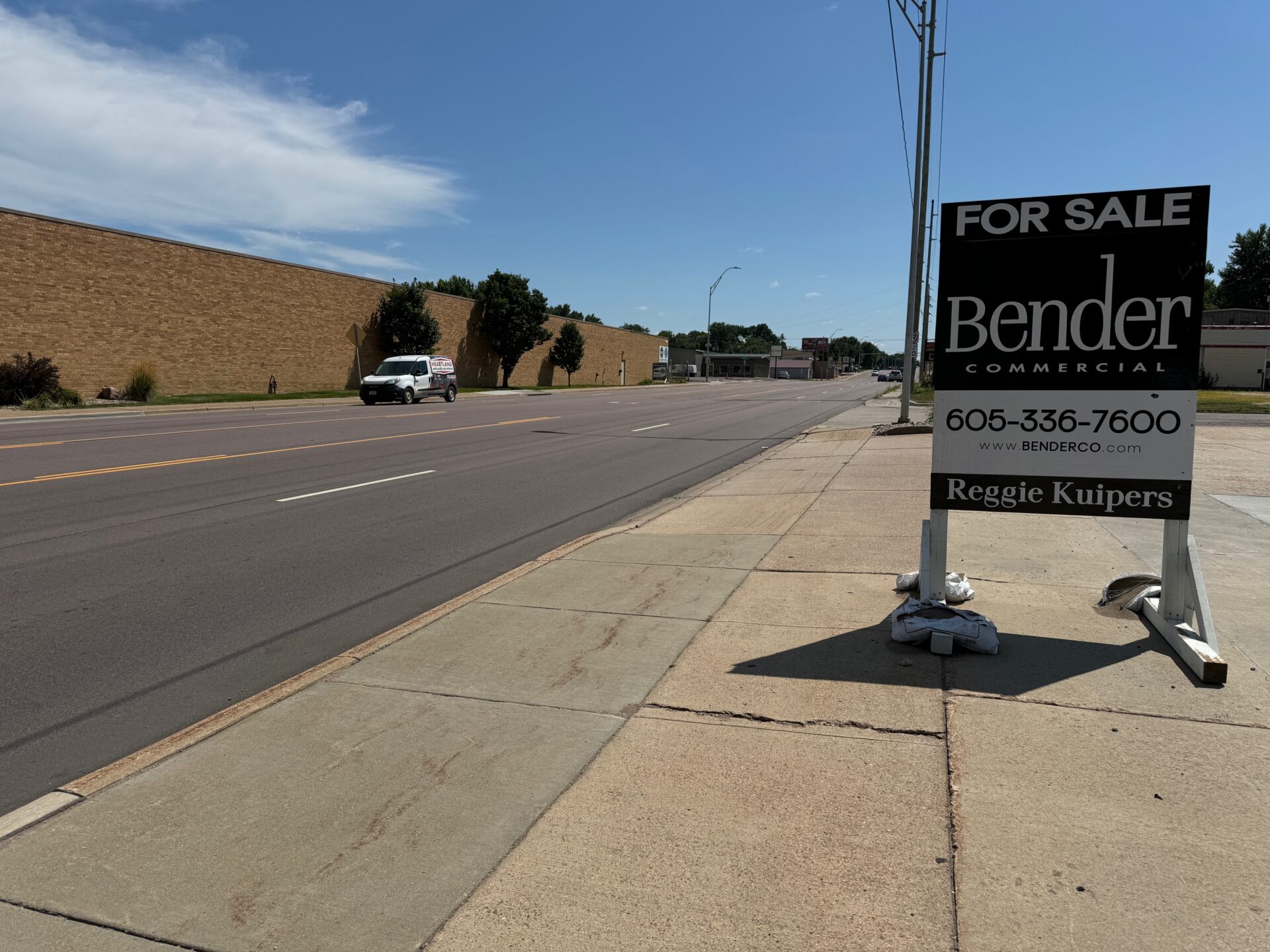
But deal flow definitely has slowed, said Reggie Kuipers, president of Bender Commercial Real Estate Services.
“The Fed is doing its job. The interest rate cycle is playing out,” he said.
“It has hampered and pushed down sales volume and makes it incredible difficult to put new deals together.”
In Sioux Falls, building permits are tracking about $100 million behind last year through July at $542.5 million, compared with $645.3 million.
Commodity prices have cooled considerably from post-pandemic peaks, though.
Lumber had been selling at $1,400 per 1,000 board feet in 2022 and now is about $510. Hot-rolled coil steel exceeded $1,900 at the same time and now is tracking at about $660.
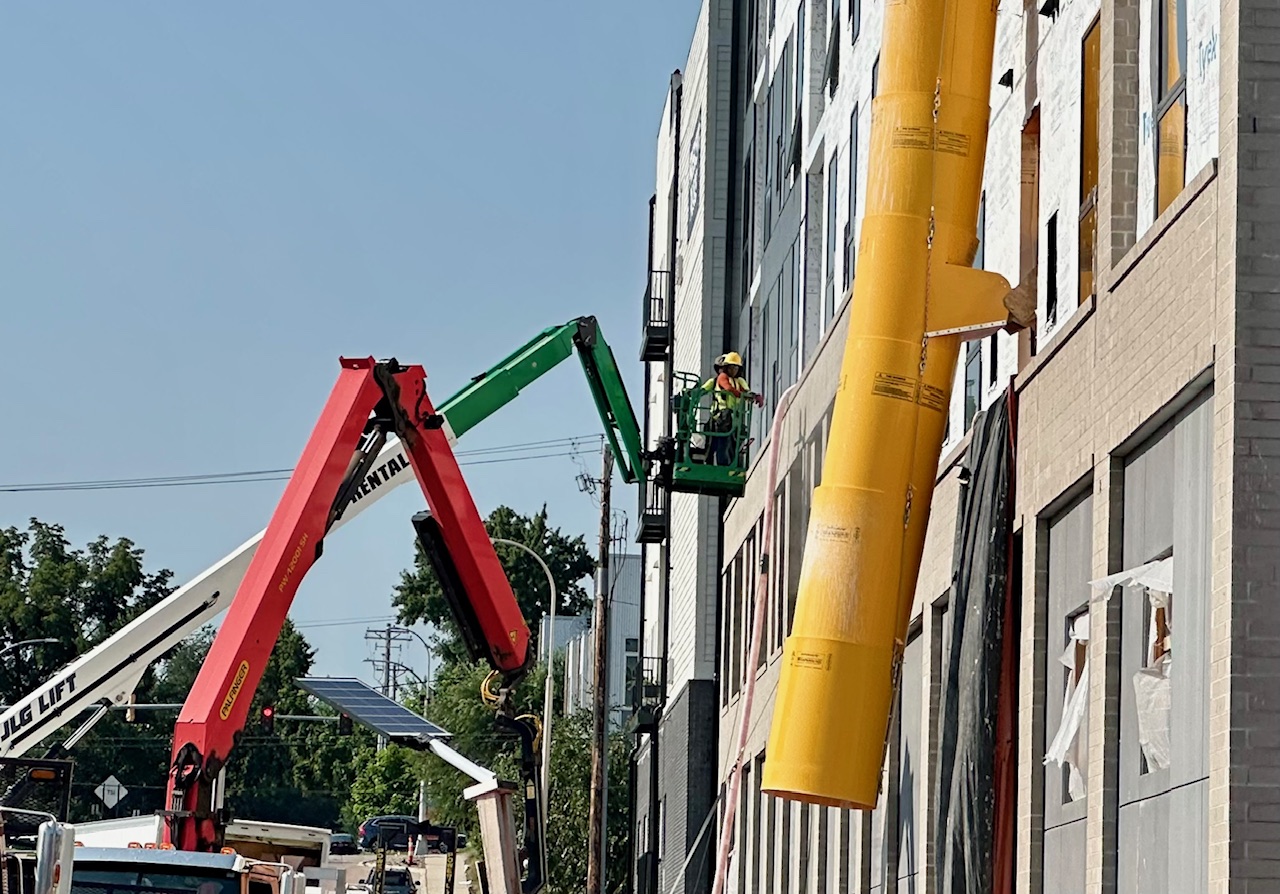
“Despite these decreases, construction costs remain high, largely due to the tight labor market,” Kuipers said. “The good news is that continued pressure on commodity prices could help mitigate construction expenses.”
That might come only with a rise in unemployment, though, he added.
Still, in Sioux Falls, “there’s a lot of solid business owners throughout the community,” Kuipers said.
“For the most part, we have a very healthy, robust market in retail, office, industrial. Bad operators and mismanagers and overzealous borrowers with unrealistic expectations are going to be found out … but for the most part, I think you’re going to see that there’s going to be very little pain throughout. They’re just pressing pause, and it’s good. It’s healthy. It’s what’s supposed to happen.”
Office market
New offices being built in Sioux Falls are filling up, the Bender report found.
Office vacancy dropped to 12.4 percent midyear from 13 percent at the start of the year.

“We anticipate this rate will continue to drop over the next six months, with positive absorption expected in both the suburban and central business district areas,” Bender’s Andi Anderson said. “Midyear office sales transactions have reached 18, compared to 34 for the entirety of 2023. We predict a strong year for office sales.”
Downtown is at 8.6 percent vacancy while the suburban sector is at 13.9 percent.
“However, this has dropped since the beginning of 2024. With the motivation to sell getting more aggressive, we expect a significant increase in absorption in the suburban sector over the next six months,” Anderson said.
Retail market
People are back to dining out at their pre-pandemic levels, which should mean more restaurant deals on the way, Bender’s Rob Kurtenbach predicted.
According to The Wall Street Journal, 53 percent of a household’s food budget is spent on dining out, with restaurant sales trending toward a second year of record highs.
“What does this mean for real estate? It indicates growing confidence among landlords to strike deals with restaurant tenants. Expect to see more restaurants filling vacant spaces,” Kurtenbach said.
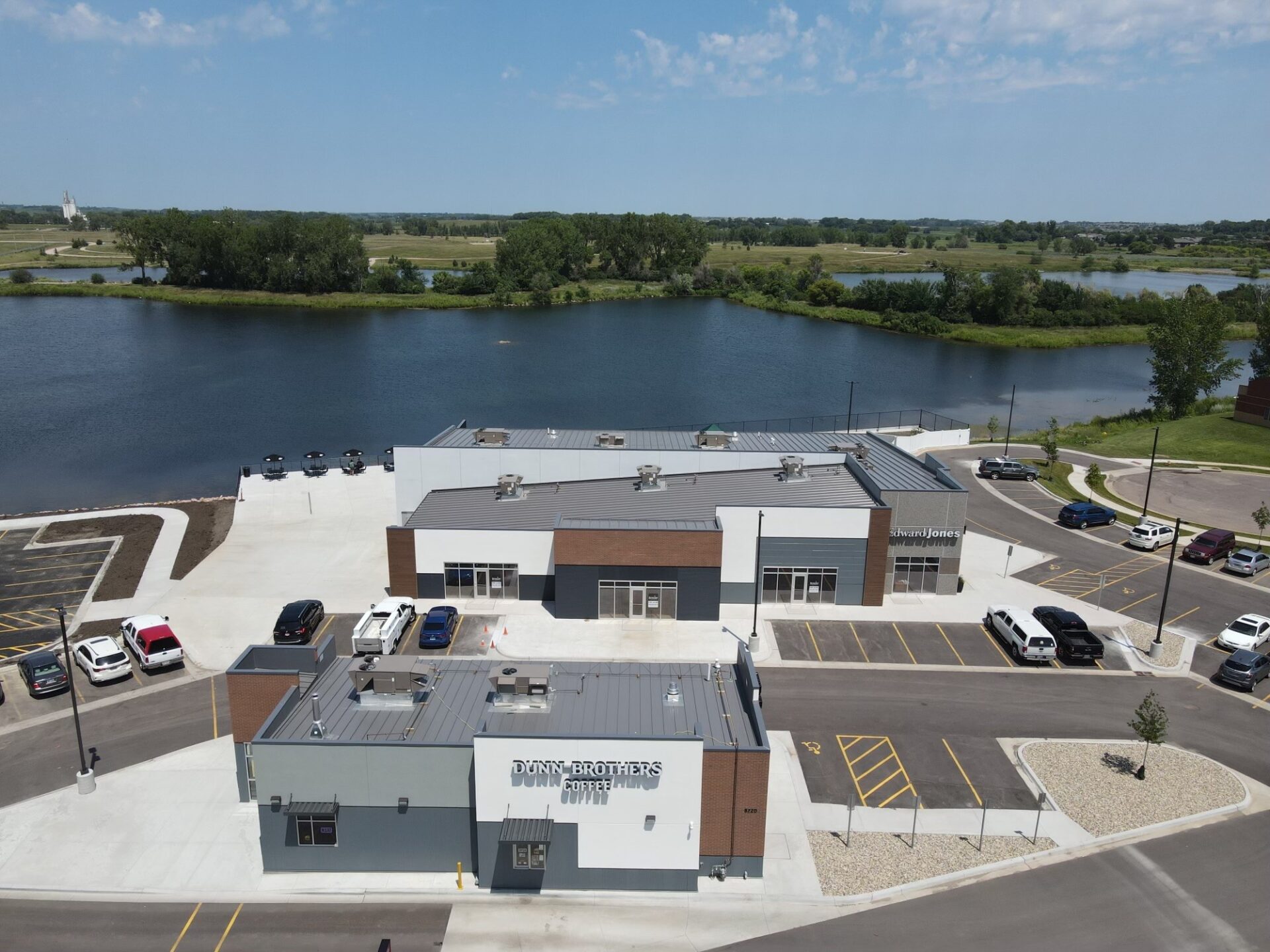
Overall, the occupancy rate in retail space is stable this year locally, he said, with vacancy ranging from 6 percent to 8 percent.
“With new construction projects on the decline, retailers have fewer options, which will likely assist existing developers in filling any remaining vacancies,” Kurtenbach said. “Retail sales volume is projected to continue decreasing through the end of the year, largely due to higher interest rates.”
Industrial market
The industrial market saw a big drop in new inventory for the year, along with a decrease in absorption.
“This decline in absorption is attributed more to timing issues rather than a decrease in market activity,” Bender’s Rob Fagnan said. “Numerous pending leases and owner-occupied projects are nearing completion, which will significantly boost absorption rates.”
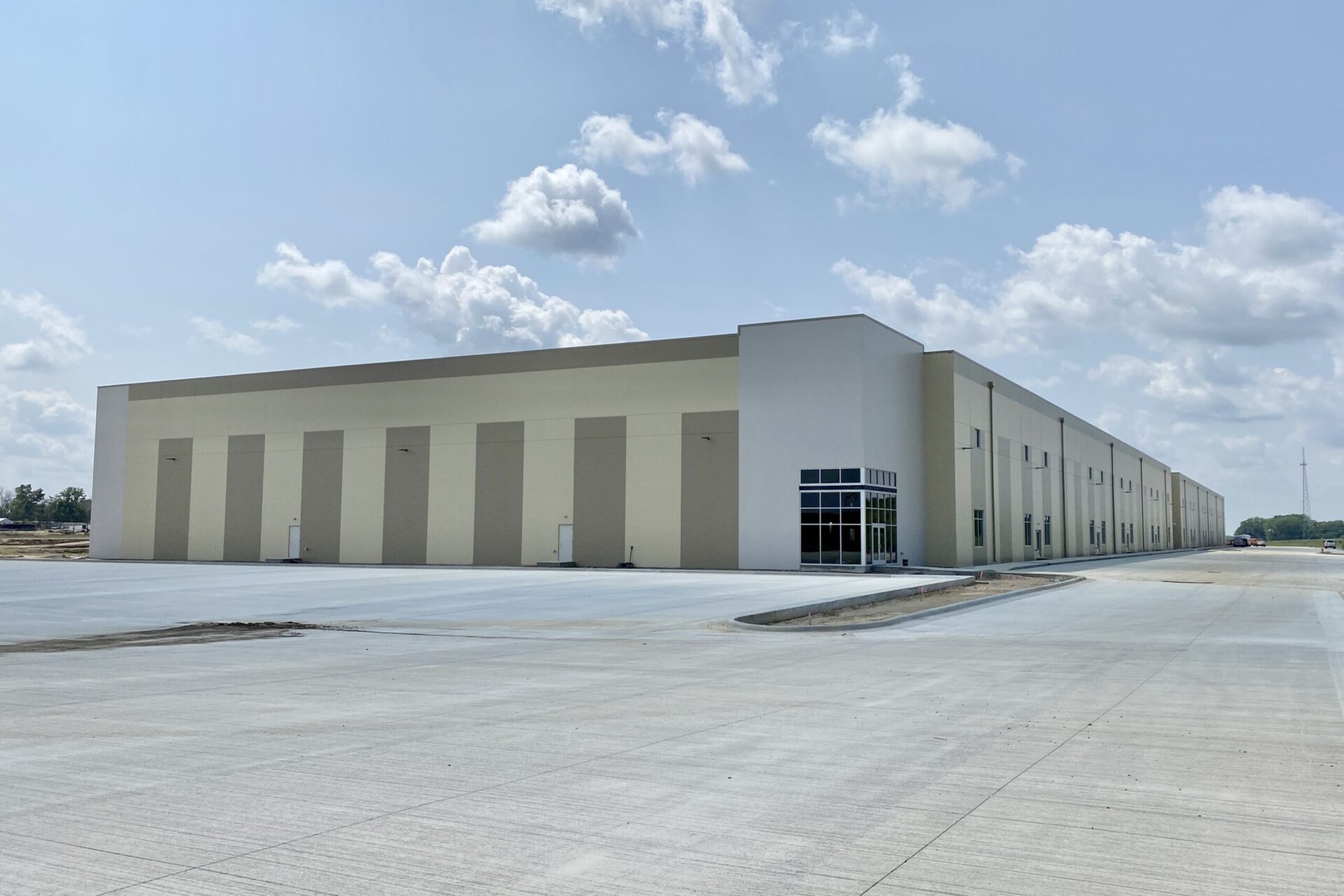
The vacancy rate has remained steady at about 3 percent through the first half of the year. Lease rates also are stable other than an increase in pricing for small contractor shops and flex space, he said.
“Most of the available space is from permits issued in late 2023 that have yet to be occupied,” Fagnan said. “Furthermore, the scarcity of ‘for sale’ opportunities continues to drive demand and pricing for existing owner-occupied spaces.”
Multifamily market
While the national multifamily market is feeling the effects of record new supply and rent increases, Sioux Falls isn’t entirely immune to the same effects, Bender’s Alex Soundy said.
“Through the first half of 2024, Sioux Falls has seen stagnant rent growth, increased vacancy rates and reduced transaction volume,” he said.
“Property managers are trying to get ahead of the looming increasing vacancy rates by discounting rents and offering other incentives.”
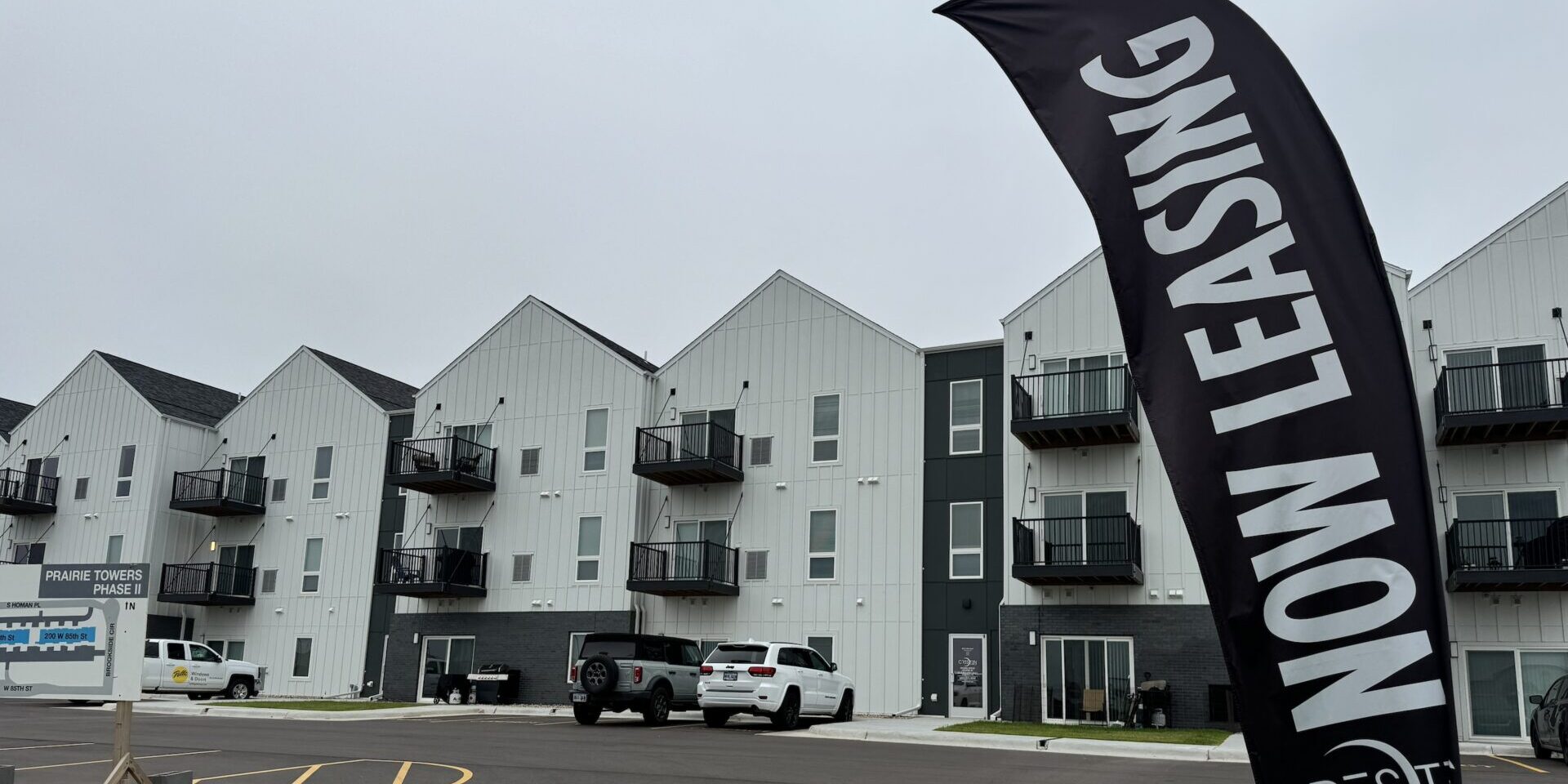
The most recent report from the South Dakota Multi-Housing Association found vacancy in conventional units at 6.12 percent, up from 5.87 percent in January. Soundy predicts that it will exceed 7 percent by the end of the year.
“Transaction volume has remained subdued as savvy investors sit on the sidelines waiting for the right deal or opportunities to pick off new developments where sponsors are missing the mark on their rent proformas and are entering hot water,” he said.
“That being said, there are still transactions taking place, and historically those who have bet on multifamily real estate in Sioux Falls have done well for themselves in the long term.”
Land market
The first half of 2024 saw 324 acres of unimproved land purchased in the Sioux Falls metro area, including 210 acres for the new Mapleton Golf Club course in northeast Sioux Falls and 114 acres in the Harrisburg growth area.
“We foresee developers continuing to position themselves with purchasing development land in our Sioux Falls metro,” Bender’s Bradyn Neises said. “We predict that 800 to 1,000 acres will be purchased in 2024, and keep an eye on Harrisburg in capturing a lot of that growth.”

Improved land sales have slowed down other than retail land sales led by conveniences stores, he said. Land sales for industrial and office projects have slowed, as has multifamily.
“With a few private industrial developments coming online, we look to see more activity in the second half of industrial land sales,” Neises said. “We see the slowdown in multifamily development with reduced land sales and declining construction, and we foresee that to continue as we move towards the end of the year.”
Investment market
While inflation has trended down this year, interest rates so far haven’t moved accordingly.
While transaction numbers have been affected locally, “investors and business owners have accepted today’s current rate environment and continue to invest and acquire commercial real estate in the Sioux Falls market,” Bender’s Nick Gustafson said.
Here’s a look at sales volume through the first half of the year:

“Based on our firm’s current pipeline, we expect a strong third and fourth quarter in sales transactions. Sioux Falls’ economy continues to grow in many metrics,” Gustafson said, noting sales tax revenue still is tracking about 3 percent above last year.
“This growth will continue to propel Sioux Falls’ capital markets forward.”