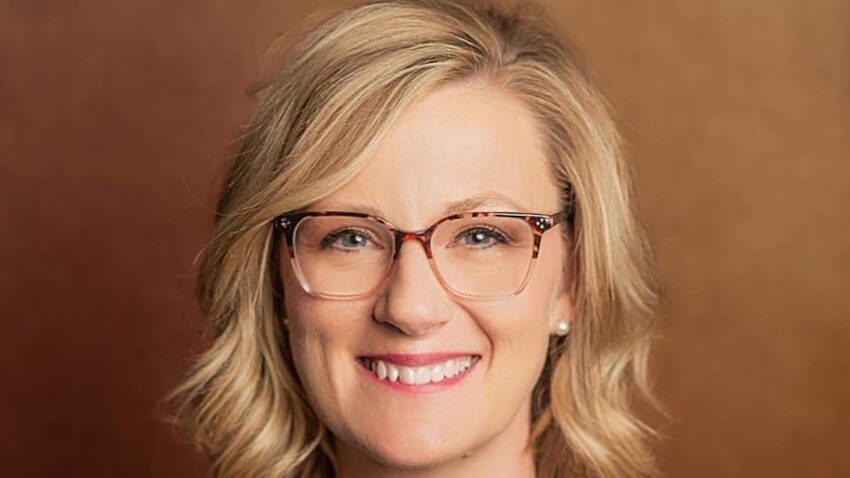
New Harrisburg city administrator ready to bring expertise to growing community
Dec. 30, 2024
This paid piece is sponsored by Sioux Metro Growth Alliance.
Harrisburg’s new city administrator is ready to start a role she says is filled with opportunities for the state’s fastest-growing community.
Amanda Mack starts today – almost a month earlier than originally planned – and she’s ready to start tackling the opportunities and challenges that come with managing significant population growth and business expansions.
Mack most recently served as Watertown’s first city manager, leading numerous large projects such as the Prairie Lakes Ice Arena, Foundation Plaza and a new airport terminal.
Before her role in Watertown, she served in similar capacities in Spencer, Iowa, and Canton and Worthing.
“What I like about having Amanda in this leadership role is her Sioux Metro roots, having previously served in Canton and Worthing, but also what I’ve learned about her personal values and go-getter attitude,” said Tyler Tordsen, president and CEO of Sioux Metro Growth Alliance.
“Harrisburg, although rapidly growing, is still very much a small town for families. I’m confident she’ll help Harrisburg navigate its next chapters of growth while helping keep the family-focused, quality-of-life, small-town charm that keeps our region what it is: the best.”
Bryce Healy, economic development and member relations specialist for Sioux Metro Growth Alliance, has worked with Mack for years.
“Her progression through leadership in many organizations makes her the best person to lead Harrisburg for the next phase of what will be remarkable for Harrisburg,” he said. “Her greatest asset in my mind is her willingness to listen to all sides of an issue and then lead with passion.”
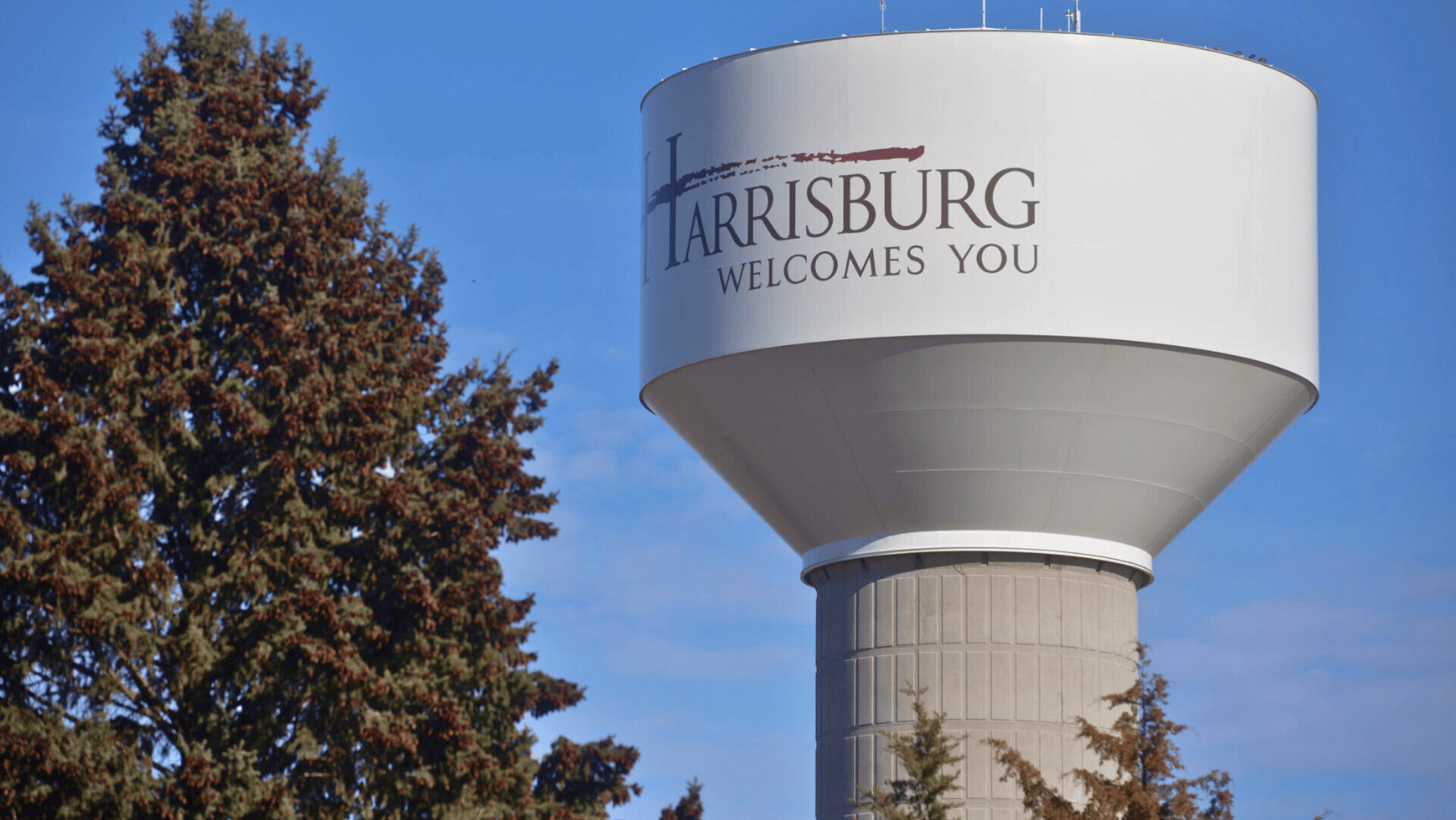
Mack’s leadership comes at a time when Harrisburg is experiencing momentum in all directions, including housing, expanded industrial developments, increased retail and the continuing strength of the school district, Healy added.
“Harrisburg will look much different in 20 years, and having Amanda’s skill set and passion working alongside elected community leaders will certainly put Harrisburg not only on the map but also as a place you want to live, work and live your fullest life,” he said.
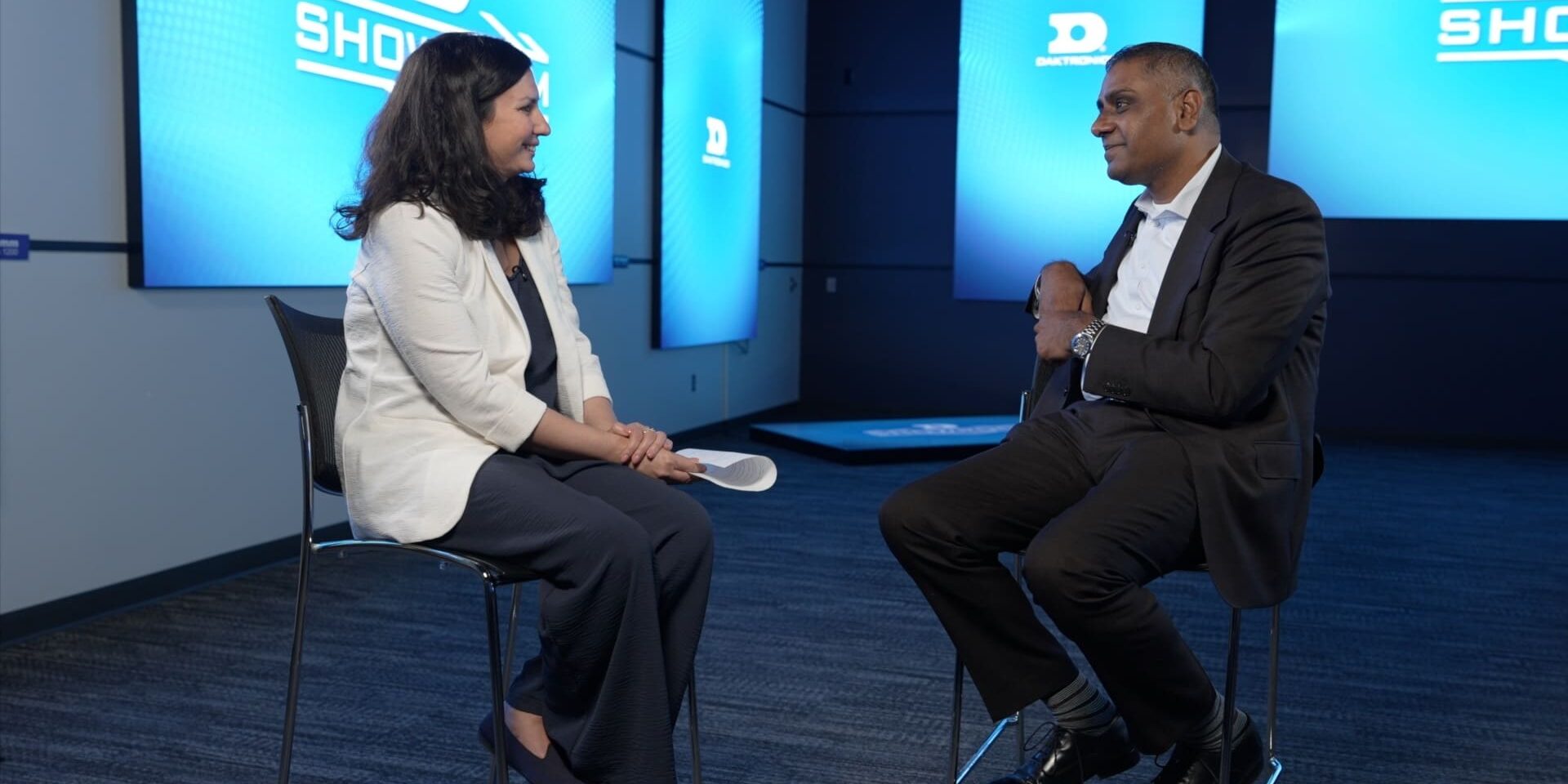
We caught up with Mack as she prepared to start her new position.
What appealed to you about taking on your new role?
It’s an entirely different environment than what I’ve worked in in previous communities. In many cases, you find yourself chasing growth – trying to get growth to come to you – whether it’s residential or commercial. In Harrisburg, the real challenge is trying to get ahead of growth and being able to be on the ground level of building a community that is experience growth at a very high level. I’m just really excited about it. Harrisburg is an established community, but it’s going through such a transformation that I feel honored to have this responsibility. I want to do justice to the history of Harrisburg and evolve its identity in a way that even as it grows allows the community to coalesce around who Harrisburg is.
What are your initial impressions of the economic/business climate in Harrisburg, both the opportunities and the challenges?
Overall, I continue to be impressed with the sales tax revenue. It’s consistently growing, which is really good for the community. But while the rate of growth is a great benefit, it’s also a real challenge because people are moving to Harrisburg and they expect a sense of community. So we need to look at how to meet that need while addressing the infrastructure needs that come with that kind of growth. It’s a very unique but fun challenge to take on.
Where do you see the most potential to provide support and leadership for the Harrisburg community? Are there are couple of key or initial priorities you’ve established?
Communication is a top priority not just for me but the City Council – communication with residents about what’s happening, with developers, with partners in surrounding communities. I am proud of the relationships I have been able to build over the course of my career throughout the state, region and even at a national level through the International City Managers Association. I have a plethora of resources available to me to help Harrisburg meet the opportunities and challenges it’s facing. I fully recognize I don’t have all the answers, but I know a lot of people who might.
What are some best practices you’ve taken away from your experience in community leadership/economic development that you see helping in Harrisburg?
Figuring out who the key partners are in not just economic development but community developing and figuring out the right way to be engaged with outside partners. We want to ensure we’re giving outside groups autonomy in what they’re doing but also give them a seat at the table as we’re growing, so we’re doing things the right and responsible way to meet our needs decade into the future.
What are your expectations for Harrisburg in 2025 and beyond? Do you have a sense for the level of residential and commercial activity that could be expected?
I was in town recently for a Chamber event and learned about the number of acres currently under development or that will be this spring, and it’s astonishing. But along with that, I think we need to spend time on strategy in 2025. We need to look at an economic development strategic plan, a master transportation plan, a community strategic plan – to address not just what needs to be done today but figuring out what needs to be done in the future. Once you have the plans in place, it’s about working the plan.
How do you anticipate connecting both within the Harrisburg community and the broader Sioux Metro area?
There’s a lot of face-to-face communication that can be very valuable, but I also think because Harrisburg lacks a lot of local media, we need to get creative in working with partners to help tell the story of what’s happening in the community to the people who live there. I’ve deployed different strategies in other communities, and I think here it could be a combination of newsletters, podcasts and other formats, but we need to tell the story of the work we’re doing to our residents.