
Chest pain: When should I be concerned?
Feb. 18, 2026
This piece is sponsored by Avera Health.
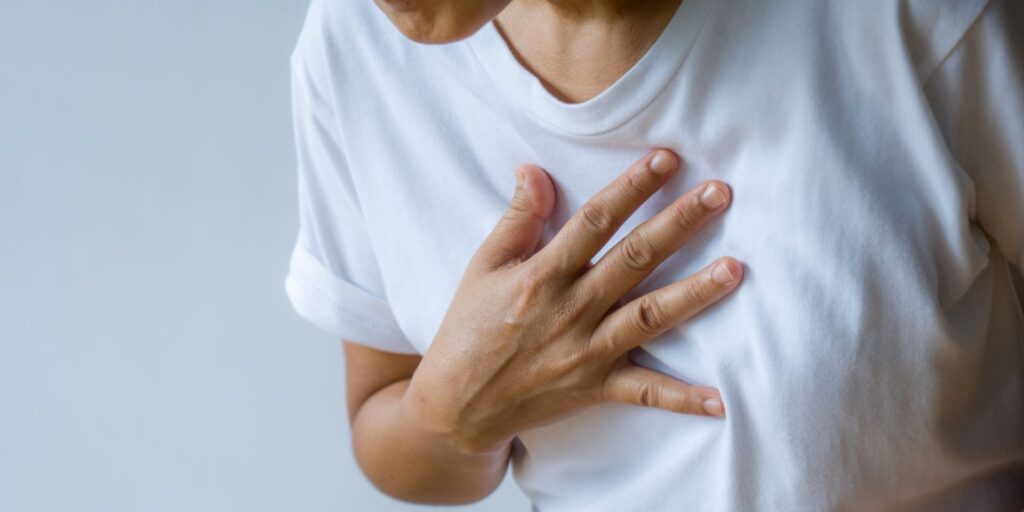
Many adults have felt a twinge or pang of pain in their chest, and a natural question comes to mind: Should I be worried?
“If it’s something new or different, or if you have a family history of heart disease or other risk factors, you should definitely pay attention to any chest discomfort or change in your health,” said Dr. Sherrie Brooks, a cardiologist with North Central Heart, which partners with Avera Heart Hospital in Sioux Falls.
In addition to family history, heart risk factors include:
- High blood pressure.
- High cholesterol.
- Obstructive sleep apnea.
- Type 2 diabetes.
- Smoking or vaping.
- A high calcium CT score of greater than 400 found in a cardiovascular screening like Planet Heart.
- A pregnancy history that includes gestational diabetes, preeclampsia or eclampsia, or delivering a baby that’s 10 pounds or larger.
“A person knows their own body the best. Regardless of how small the pain or discomfort feels, you should be your own best advocate, listen to your symptoms and seek help if you’re concerned,” Brooks said.
In fact, it’s a good idea for someone who has multiple risk factors to request an appointment with a cardiologist – you don’t have to wait for symptoms.
Chest pain could be related to other conditions like acid reflux, lung conditions, a strained muscle or a musculoskeletal inflammation. Stress or anxiety can lead to physical symptoms like chest tightness.
If chest discomfort is related to heart disease, it’s known as angina, caused when there isn’t enough blood flow to your heart because of a blockage. It can happen way before a serious event like a heart attack, yet it’s a warning sign.
Symptoms of concern related to heart disease include:
- Shortness of breath and trouble breathing.
- Discomfort in your chest, jaw, arms or neck. Sensations in the chest, arms and neck may feel more like pressure or squeezing as opposed to pain.
- Nausea and vomiting.
- Breaking out in a sweat for no apparent reason.
- Swelling in your legs or fluid buildup in your belly or back.
“If you feel like you could be having a heart attack, don’t wait. Call 911, and get to an emergency department as quickly as possible. The sooner you have intervention, the more heart muscle we can save,” Brooks said. In an emergency, you would be assessed quickly with immediate tests like an electrocardiogram to check your heart’s electrical activity and blood tests for cardiac enzymes.
Plaque and/or a blood clot can block blood flow to the heart entirely. This leads to a heart attack and causes the blood-starved heart muscle to die. “We need to intervene as early as possible through clot-busting drugs and/or the cardiac catheterization lab to get blood flow moving again to save the person’s heart muscle and even their life,” Brooks said.
If you’re visiting a cardiologist with symptoms that you’re concerned about but don’t feel are emergent, an assessment would begin with a history and physical exam. “The most important part of this visit is your history,” Brooks said. “What are you feeling? How often? What provokes it? What makes it better or worse?”
The history dictates the next step. You may have a stress test or an echocardiogram, which is a basic diagnostic test that often is a first step for heart patients. As needed, advanced imaging tools can help arrive at an accurate diagnosis.
For people who haven’t been diagnosed with heart disease, one proactive step for men beginning at age 40 and women beginning at 45 is a cardiovascular screening known as Planet Heart. Planet Heart is designed to find cardiovascular disease risk, stroke risk, vascular aneurysm or peripheral arterial disease.
At your yearly checkup, when you talk to your primary care provider about your cancer risk, it’s a good idea also to talk about your cardiovascular risk. If you have symptoms or risk factors, it’s OK to request an evaluation by a cardiologist.
It’s not unusual for people – especially women – to be more scared of cancer than heart disease.
“But heart disease is still the No. 1 killer among both men and women in America – higher than cancer,” Brooks said. “Most of us in America don’t eat like we should. We don’t exercise as often as we should.”
Then, when symptoms do crop up, too often they are ignored or attributed to something else. This is especially true with women who may experience more vague symptoms such as fatigue, shortness of breath and jaw pain.
“My biggest take-home message would be to know your risk factors. Know your numbers – your blood pressure and your cholesterol. If they’re high, you should be treated,” Brooks said. “Don’t ignore the symptoms. If you’re worried and it gets your attention, it should be evaluated.”
Learn more about heart and vascular services at Avera and Planet Heart cardiovascular screenings.