To operate with EOS or not? Family businesses weigh what to consider
May 13, 2026
This piece is sponsored by Prairie Family Business Association.
Chances are, if your business isn’t already using EOS, you’ve likely considered it — or at least are open to learning more.
Known as the Entrepreneurial Operating System, EOS is a framework designed to help organizations strengthen accountability, improve communication, solve people issues and create clearer structure.
While it’s used by an estimated 80,000 organizations worldwide, deciding whether EOS is the right fit can bring up important questions about leadership, culture, implementation and long-term impact.
Family businesses will have the opportunity to explore those considerations in an upcoming webinar organized by Prairie Family Business Association.
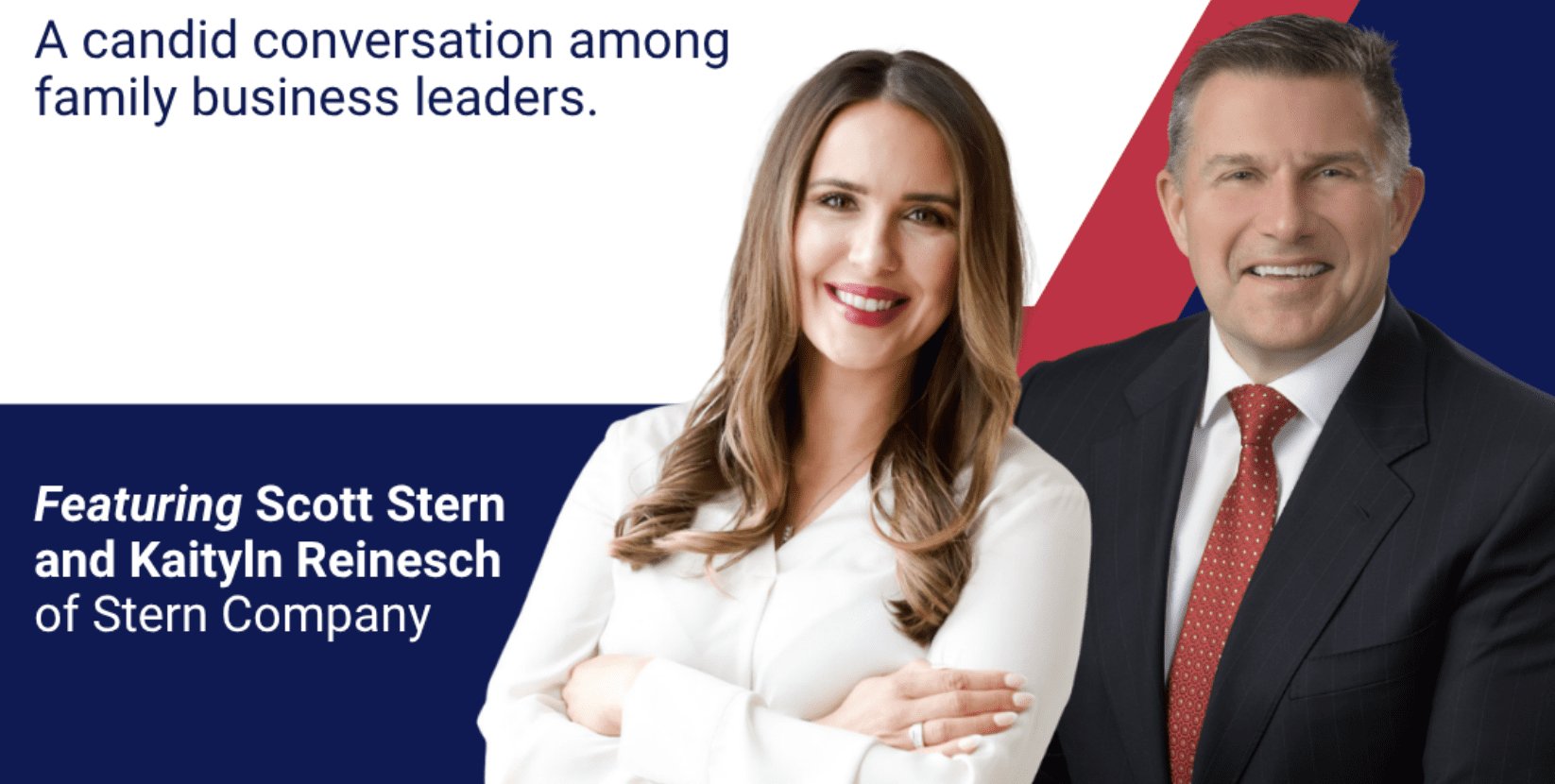
Led by PFBA executive director Eric Erickson, the candid peer-to-peer conversation will feature family business leaders sharing real-world experiences with EOS — including what prompted them to implement it, what the process looked like, what has improved and what challenges they encountered along the way.
The webinar, “To Operate With EOS or Not? A Candid Conversation Among Family Business Leaders,” will be held June 10 via Zoom.
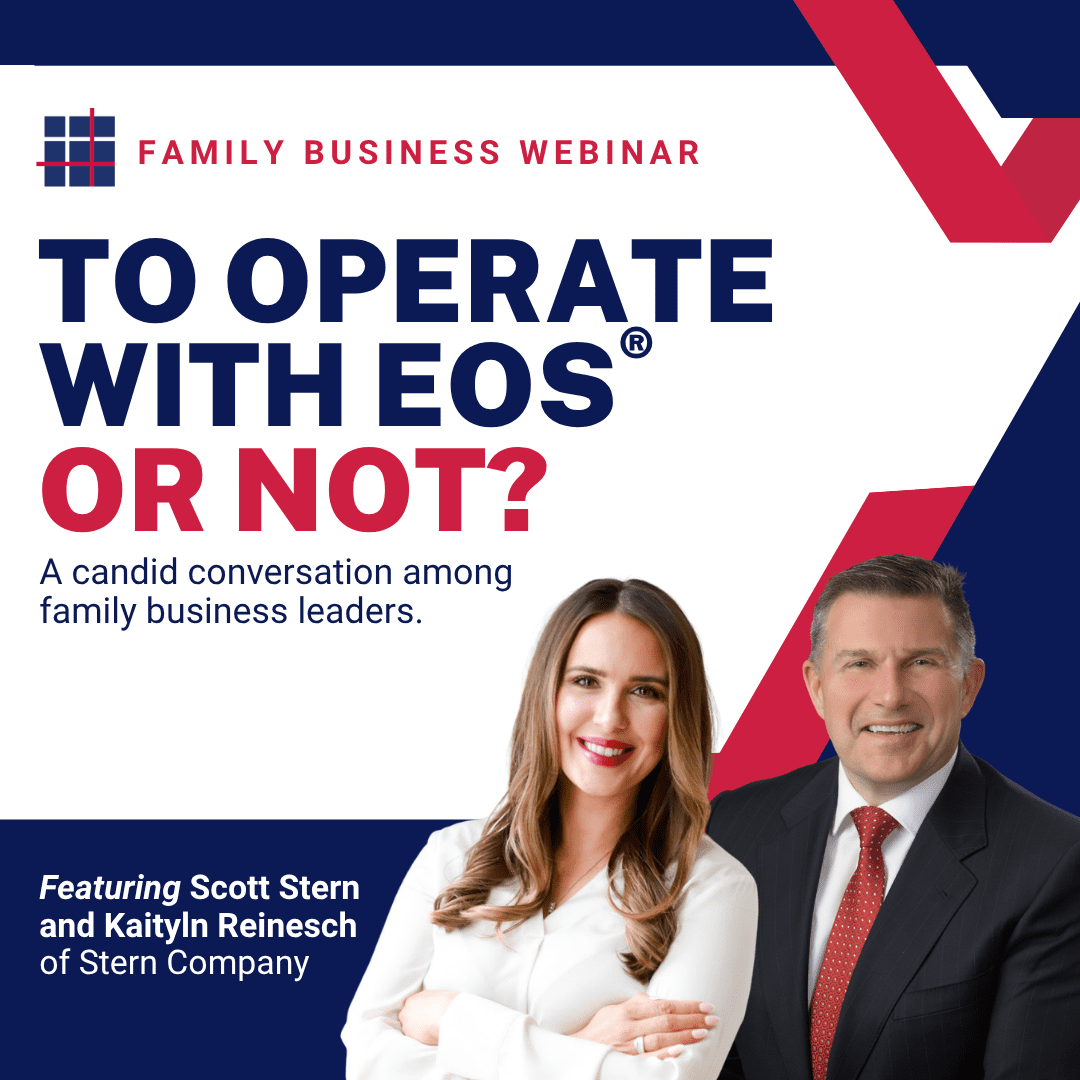
Among the businesses participating is Stern Co., a multigenerational fueling distribution and consultation company that has grown from a small oil supplier founded in 1976 into a business with more than 82 employees and six Midwest locations. Family leadership includes second-generation CEO Scott Stern and third-generation vice president of marketing and customer care Kaitlyn Reinesch.
“After transitioning to the second generation of leadership, we wanted to create more structure and formalize processes for our organization,” Reinesch said. “Scott read the book ‘Traction’ and used EOS principles in an annual team meeting to test the system for our team. We thought it would be a good fit for Stern, so we formally implemented in 2021.”
Initial impressions were positive, she added.
“It provided structure, discipline and a functional road map for operating our business,” Reinesch said.
Still, she acknowledged that implementation requires commitment and patience.

“It requires patience and consistency,” she said. “The utilization of the tools in EOS are evolutionary, and as you use them, they become more effective and functional. We found that there is an EOS tool for everything. With each challenge we experienced, there was a tool to support us.”
Scott Stern encourages leaders considering EOS to start with the foundational reading.
“I would recommend that someone who is interested in or considering EOS start by reading the book ‘Traction,’” he said.
Additionally, “if you are considering EOS, having a conversation with an EOS implementer is a great way to learn how the system could work for your organization,” Reinesch said.
That’s where experts like Kyle Kangas can help. The EOS implementer of VTH Works assists organizations in evaluating and implementing the system.
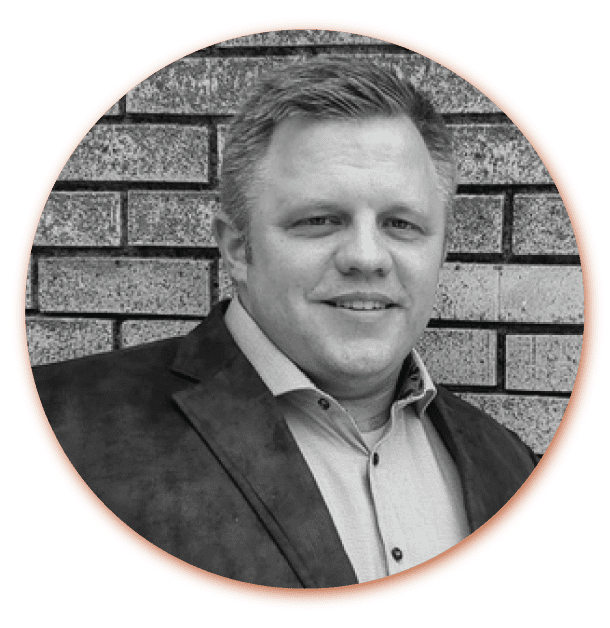
EOS can be transformative for businesses willing to fully commit to the process, he said.
“But EOS is not for everyone,” Kangas continued. “While it is perfectly designed to get you what you want from your business, leadership must be willing to be transparent, embrace accountability, want growth and commit to the discipline it takes to make it work.”
Businesses that are still in startup mode or operating in constant firefighting mode might struggle with implementation, he added.
“EOS is simple, but it takes real commitment — and that’s what ultimately determines whether it works,” Kangas said.
For Stern Co., one of the biggest benefits has been the consistency EOS brings to managing the business.
“The biggest benefit to EOS is how it provides a repeatable cadence to the management of the business,” Stern said. “EOS will help identify gaps in the performance of the enterprise, and EOS provides the tools to respond and course-correct on those gaps.”
“Probably the most valuable benefit is that it aligns the entire company on a common vision and how to execute on that deliverable,” he added.
Family businesses often face additional complexity because business roles and family relationships are intertwined, Kangas added.
“That can make accountability and decision-making more complicated,” he said. “EOS helps by creating clarity — who’s responsible for what — and by putting structure around conversations. It doesn’t remove the family dynamic, but it gives you a more objective way to manage it and keep the focus on the business.”
He also sees EOS as a powerful succession-planning tool for family-owned companies.
“Ultimately, it is the ultimate succession tool for the management circle of your business,” Kangas said.
During the webinar, attendees also will hear from a family business that is actively considering EOS and will engage in live dialogue — asking the practical, strategic and sometimes tough questions that many leaders are wrestling with before making a decision.
“This is an honest exchange among family business leaders designed to help you think critically about whether EOS aligns with your company’s structure, culture and goals,” Erickson said.
It’s a strong fit if you’ve been wondering:
- Is EOS too rigid for a family business?
- What kind of time and financial investment does it require?
- How does it impact multigenerational leadership?
- What happens when everyone isn’t fully on board?
Kangas hopes attendees leave the webinar with a clearer understanding of whether EOS aligns with their organization’s goals.
“If they walk away with a few good questions to take back to their team and a better sense of their next step, then it’s been a success,” he said.