Summer hires: What to know about FLSA, child labor laws
March 27, 2025
This paid piece is sponsored by Woods Fuller.
By Justin Bergeson, Woods Fuller attorney

Hiring seasonal and temporary workers can be a great way to handle the summer rush, keep parks and pools staffed, bring in extra hands for outdoor projects or ensure that farms and ranches have the labor they need during peak seasons.
Agriculture, tourism, and municipal services all rely on seasonal workers, making it essential to comply with the Fair Labor Standards Act and child labor laws — both at the federal level and here at home in South Dakota, Minnesota and Iowa.
What is the FLSA?
The FLSA was enacted in 1938 as part of President Franklin D. Roosevelt’s New Deal. This federal law establishes minimum wage, overtime pay, recordkeeping and youth employment standards for workers in the private sector and government positions. For those hiring temporary or seasonal workers, it is crucial to understand the requirements.

Understanding FLSA requirements for seasonal workers
Those FLSA standards apply to most employees, including seasonal and temporary hires. Key considerations include:
- Minimum wage and overtime: Seasonal employees generally must be paid at least the federal minimum wage of $7.25 an hour, though state laws may set higher rates. Overtime pay — time and a half — is required for nonexempt employees working over 40 hours in a week.
- Seasonal exemptions: Certain businesses, including amusement parks, agricultural employers and camps may be exempt from the FLSA’s overtime and minimum wage standards depending on their business operations. These exemptions are complex and care must be taken to ensure that possibly exempt employers maintain compliance with the FLSA’s required standards. If you are interested in learning more about the FLSA’s exemptions, contact the attorneys at Woods Fuller.
- Recordkeeping: Employers must keep accurate records of hours worked and wages paid, even for short-term employees.
Child labor laws: Who can work and when?
Many seasonal workers are high school-aged students out of school for the summer. Federal and state laws and regulations establish restrictions on the types of work those younger than 18 can do and the hours they can work. Importantly, Department of Labor regulations specifically identify acceptable and unacceptable occupations based on age and job hazards. The following observations are examples and are not an exhaustive list.
- Federal child labor laws: The FLSA and federal regulations employ a stair-step approach to employment of workers age 14 to 17. Generally, all such workers cannot work jobs that labor regulations deem hazardous or detrimental to the health and well-being of young people.
- 14- and 15-year-olds: Generally, young people cannot begin work until age 14 and are limited to work in certain nonhazardous jobs that do not interfere with their school work until age 16. Examples of nonhazardous jobs include cashiering, bagging orders and office work, but other exemptions apply.
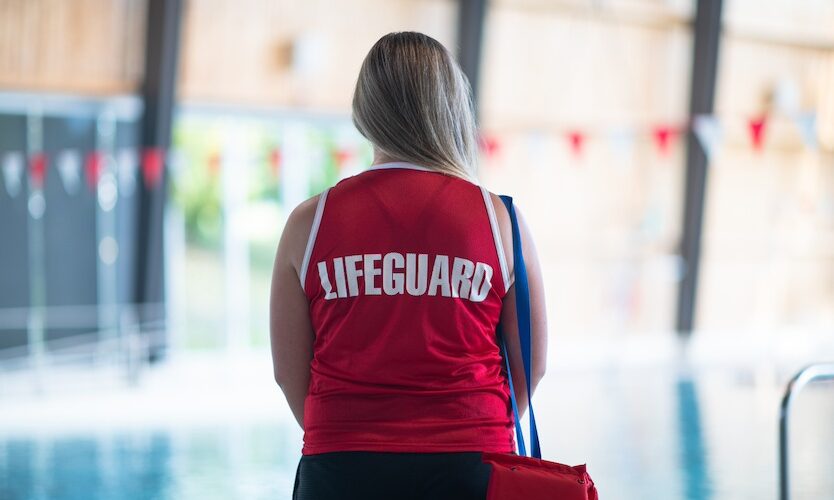
- Lifeguards: Fourteen-year-olds are prohibited from working as lifeguards. Lifeguards must be at least 15 and be trained and certified in aquatics and water safety.
- 16- and 17-year-olds: No school-based hourly restrictions apply, but they still are prohibited from hazardous occupations, including mining and manufacturing jobs.
State-specific child labor laws
Each state has additional restrictions:
- South Dakota: Minors younger than 16 cannot work more than 40 hours in any non-school week or eight hours in a non-school day; there are more restrictive requirements for work when school is in session. Minors working for their parents, such as those working on a farm, are subject to fewer work restrictions.
- Minnesota: Minors younger than 16 cannot work before 7 a.m. or after 9 p.m., or more than 40 hours in a week. No high school student, regardless of age, can work after 11 p.m. before a school day or before 5 a.m. on a school day. Some exceptions apply for things like agriculture and entertainment. Minnesota’s regulations also identify specific jobs that are prohibited for young people.
- Iowa: Minors younger than 16 generally cannot work before 7 a.m. or after 9 p.m. but may work past 11 p.m. between June 1 and Labor Day.
Special considerations for municipalities
City and county governments hiring for seasonal roles such as parks, public works and road maintenance should be aware that:
- Public sector employees remain subject to FLSA requirements.
- Safety training is especially important for younger workers in outdoor, physically demanding or agricultural roles.
- Certain grant-funded positions may have additional labor compliance requirements.
Seasonal hiring can be a win-win for both employers and workers as long as everyone is following FLSA and state labor laws.
Reviewing federal and state-specific regulations before hiring can help you avoid fines, criminal prosecution and litigation, and ensure a smooth hiring process.
If you have specific questions about how these laws apply to your business or government entity, attorneys at Woods Fuller are available to answer your questions.