On sabbatical: Professionals use time away for important disconnect, reflection, redirection
Dec. 26, 2022
Jim Jarding’s away message said it all:
“I will be out of the office until Monday, Dec. 5, on sabbatical. I will have no access to email or voicemail.”
And that was the truth. For eight weeks, the tax partner and market leader for Eide Bailly in Sioux Falls essentially was cut off from his work life.
“The minute the sabbatical started, they lock us out. You can’t get email. You can’t have access to computer files, so you’re cut off completely,” Jarding said. “And there’s a huge benefit because you’re not still checking messenger or having meetings on the side.”
For attorney Jim Wiederrich, the experience was less about a digital detox but easily measured by the clock.
“I know I got more sleep during sabbatical than I had in years,” the partner at Woods, Fuller, Shultz & Smith said. “I wasn’t waking up at 5:15 a.m. thinking I had work on my mind.”
And for Matt Jensen, a sabbatical proved nothing less than life-changing.
“They said: ‘We don’t want you to write a book or go to a conference. We want you to reinvest in your family and in yourself,’” the CEO of Vance Thompson Vision said.
The three men are among a relatively rare few able to take advantage of an incentive that seems to be finding growing traction as the pandemic and related repercussions have created rising awareness of burnout.

“Whether they’re paid or unpaid, a four-week break or a three-month idyll, a growing number of companies are offering extended leave to reward long-term employees before they burn out and quit,” according to an article in Fortune earlier this year.
The most recent data from the Society for Human Resource Management around sabbaticals is from 2019 and showed 5 percent of its members offered sabbaticals with pay. Eleven percent offered them without pay.
At Woods Fuller, the incentive goes back to the early 1980s, when partners could take a three-month sabbatical every five to six years. That lasted until the mid-1990s.
“I went on two sabbaticals during that time, and they were both great,” Wiederrich said. “One was shortly after I was married, and we didn’t have children, so we did some traveling, and then the second one in 1992 we had two children, so we stayed closer to home, but you had to really disconnect.”
The firm eliminated the program during a time when it had a number of young attorneys but brought it back about three years ago. Now, it’s a six-week sabbatical. Wiedderich took his from late July this year through Labor Day.

“I did a combination of travel and stay at home and play with the grandkids and had a good time,” he said. “The temptation is to check your voicemail and email, and quite frankly I didn’t want to come back to 10,000 emails sitting in my box. I think people at the firm take different approaches. I didn’t do any work, but I also checked my email and made sure projects were being handled by the right people.”
He estimates out of his six-week sabbatical, he was in Sioux Falls for three days. The rest took him from Vancouver and Victoria, British Columbia, to the North Shore of Lake Superior in Minnesota.

“When you go 50 hours a week on average, you start to wear down a little bit,” he said. “And it makes you take that time and get a breather.”
The firm offers some flexibility based on schedules but wants partners to take the break every five to six years. For Woods Fuller, the time away also served as an opportunity for younger team members to have one-on-one contact with clients.
“It’s not just doing work I might have otherwise assigned,” Wiederrich said. “There were a couple that took the work and established a relationship, and it worked out really well. I tell people I learned two things on sabbatical. The first is that I’m not ready to retire, but the second is I need to take a little more time off other than a sabbatical, so we actually have four or five trips planned this next year.”

At Eide Bailly, sabbaticals have been in place for about 15 years and are offered to partners every five years.
They last from six to eight weeks, depending on if vacation time is added.
“We try not to do it during busy season or times when there’s deadlines, so most people take it in the summer or fall,” Jarding said. “There’s a little coordination, but for the most part, you have flexibility. It isn’t required, but we encourage it. I think from the firm’s perspective, it forces partners to delegate and get other individuals involved in their client relationship so it isn’t just one person residing with all that information.”
In addition to allowing younger team members to become more involved and build relationships, there’s a definite recharging for partners, he said.
“This is my third one, and the first time I was really nervous to take it because I didn’t know how my clients would react to me being gone,” he said.
“But I had an overwhelmingly positive response, so that helped make it easier to leave.”
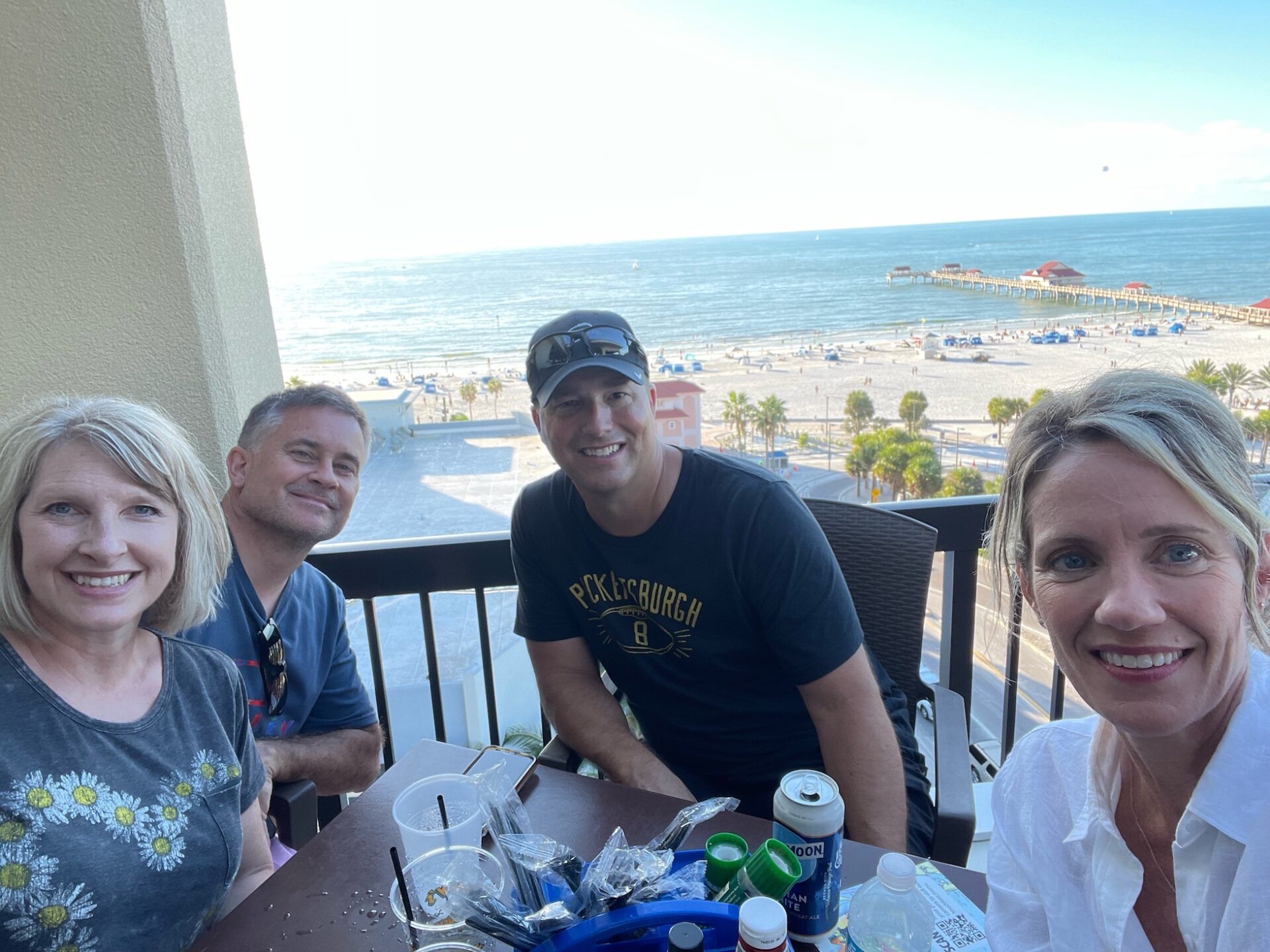
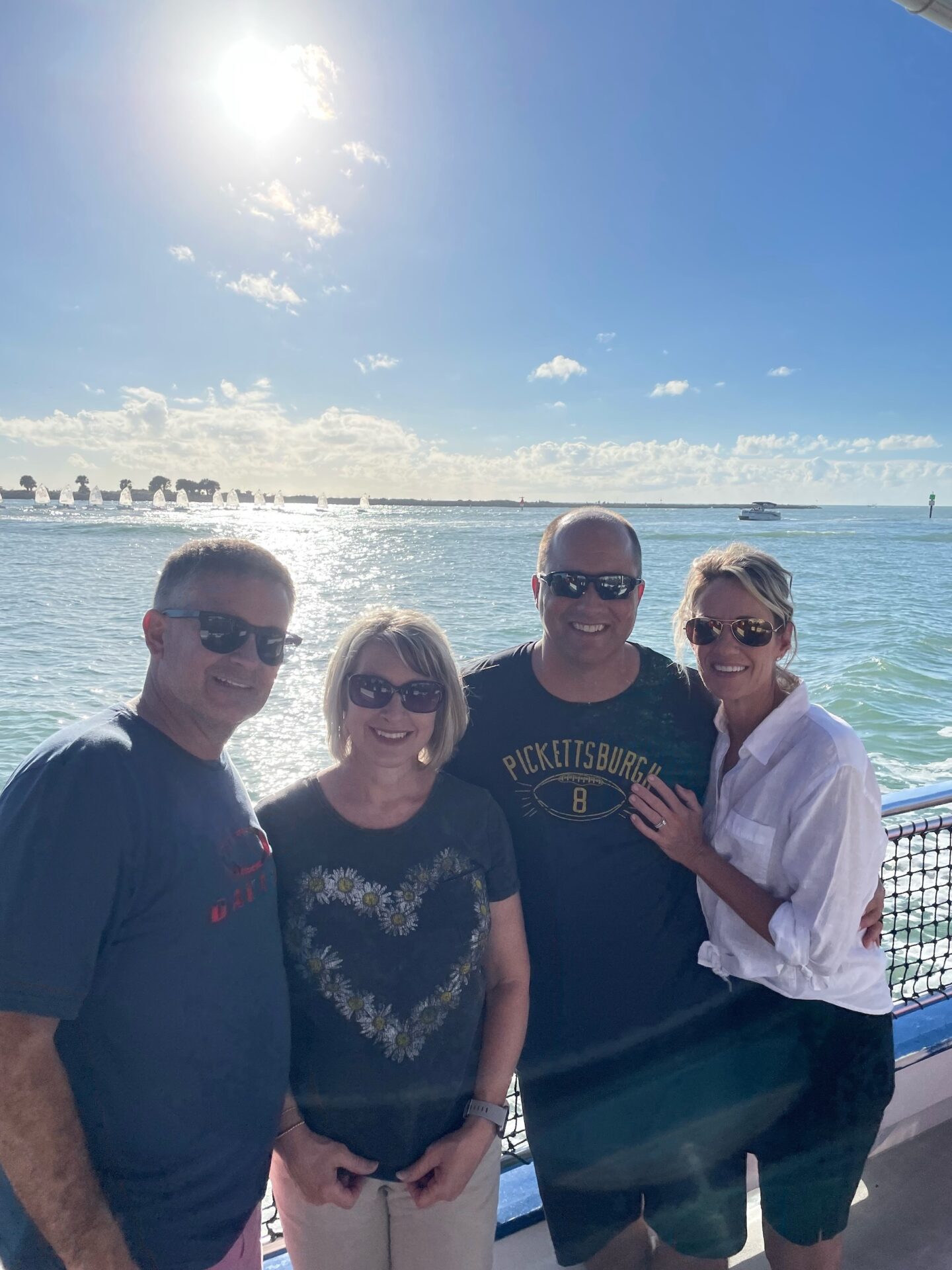
His first two sabbaticals were spent centered around his kids – baseball season and family vacations – and this time, as empty nesters, “it was my wife and I doing things, so we did more traveling and spent a month in Florida enjoying the sun,” he said. “It was more low-key and laid-back.”
He sent clients a letter ahead of the sabbatical with contact information for a younger partner, who occasionally would call him with updates.
“I didn’t feel like I had to check my email or respond, so it was a true disconnect,” Jarding said. “I feel very blessed to be able to do it. It allowed me to spend more time with my spouse. In our profession, a lot of times you’re busy all the time, and it allowed us to have one-on-one time we wouldn’t normally have. In our profession, work doesn’t go away when you take a day off. There’s more work to do when you get back.”

Coming back after the digital disconnect, “I’ve got to be honest, there was a little anxiety because you don’t know what’s waiting,” he said. “I had some conversations while I was gone, so I had a general sense, but you don’t know everything. That first week back it’s like, OK, what’s waiting for me? But I learned they could live without me.”
Recharge leads to reset
For as long as he can remember, Matt Jensen had worked at least 60 hours a week as the leader of Vance Thompson Vision, along with “a few hours” more at his own firm, Matt Jensen Marketing.

By July of this year at Vance Thompson Vision, after growing from 100 employees to nearly 400 in five years through expansion to other markets, it was clear to the team of eye surgeons that he could use a break.

“The doctors said, ‘Listen, we’ve been pushing hard, and it’s the first year in awhile we haven’t had to storm a hill and take a new market, and you’re tired.’ They asked me to consider a paid sabbatical,” he said.

At first, it was hard to accept, he said. Did they want him to come back?
“And they said, ‘absolutely,’ so in that way it was an incredible gift. But they also said, ‘as long as you want to come back.’”
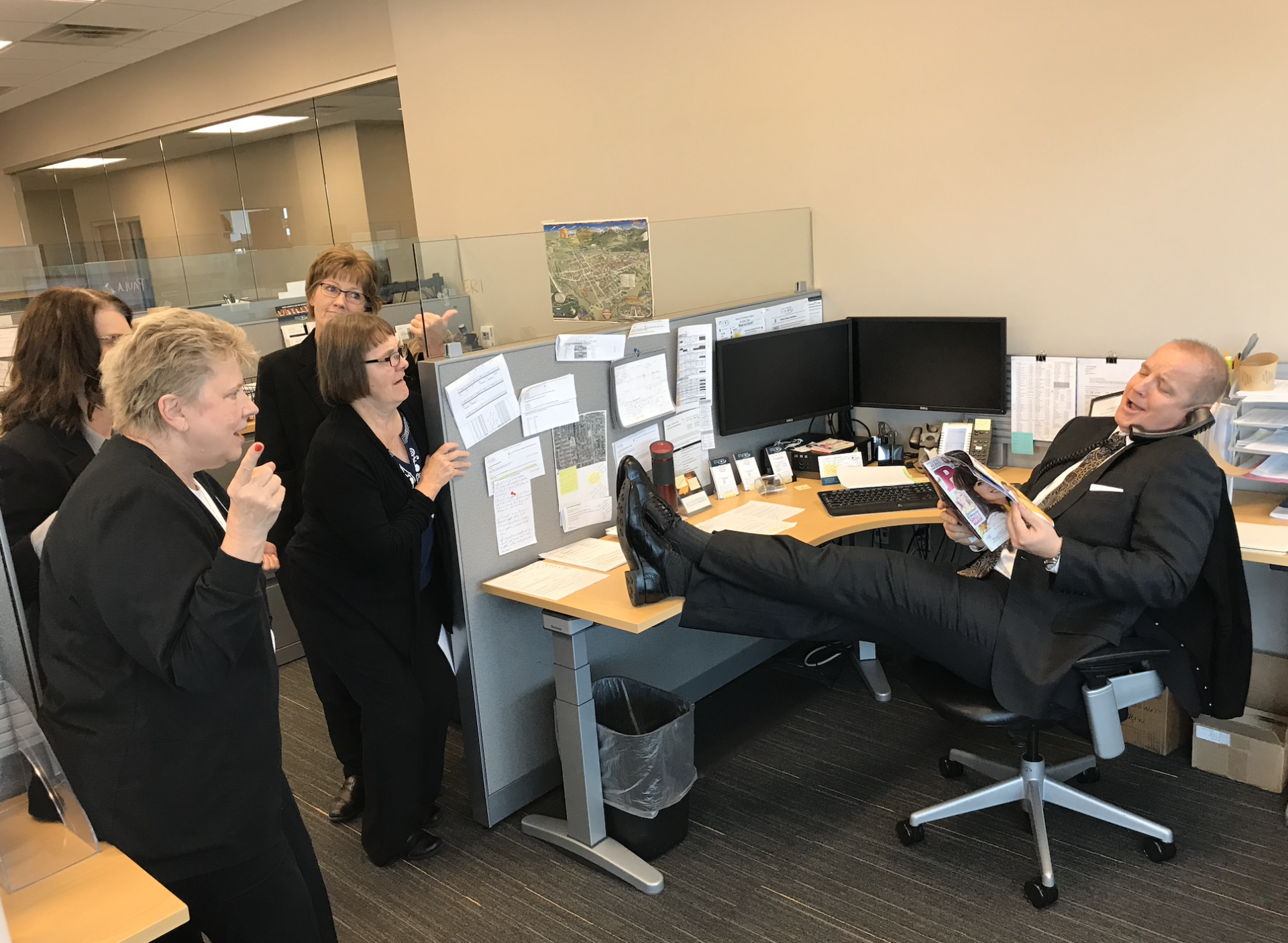
About halfway into his six-month sabbatical, he realized maybe the time was right for something different.
“My wife looked at me and said there’s such good balance and I’m much more present,” he said.
But getting there was hard.
“So hard,” Jensen said. “I started out the sabbatical with a long retreat in Nashville for professionals who are redefining their identity and work. Upon check-in, they take your phone, no electronics, so in some ways it was like a digital detox. It’s not a perfect analogy because there weren’t wounds, but it was like ripping a Band-Aid off. It was just a good way to start centering myself.”
It took another month “to not feel like I have to look over my shoulder and settle down and be able to just rest,” Jensen said.
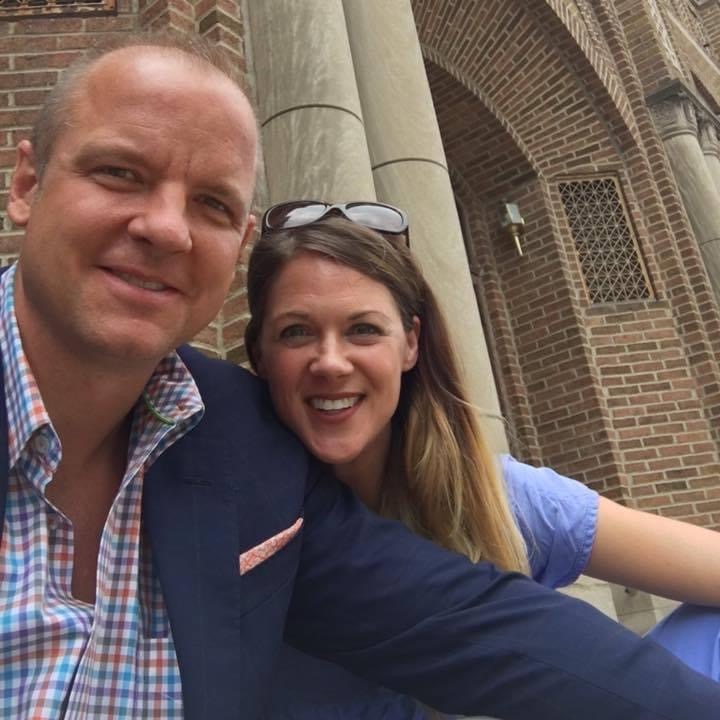
The deciding factor came when he realized that as parents of teenagers, he and his wife have four summers before they’re empty nesters. He decided in November that he wouldn’t be returning as CEO.
“It’s going to sound a little backward, but I wouldn’t have had the guts to resign if it hadn’t been for the sabbatical,” he said. “We’re so busy digging the trench that we’ll just keep digging and digging. By the time we look up, the career is over and family is gone. I didn’t have time to think like that while I was working.”
Still, “I wake up every day wondering if I’m crazy,” he added. “Who trades in an A-plus situation? It’s been a good job and a good career, and I love the people. I just wanted more freedom.”
He still works as the leader of his marketing and communications firm, which does work for Vance Thompson Vision, but many days now begin with dropping off his kids at school. He puts in some hours at the office but purposefully limits them because his team works effectively, he said.
“For 15 years, it’s been going awesome, and they all like their life,” he said. “I love communications and promotions and customer service, but I haven’t ruled anything out.”

While he’s “eternally grateful” for the sabbatical, he doesn’t think it’s the only option for helping employees achieve downtime.
“Sabbaticals are good in that they’re an extended period of time, but there are other ways to get that time,” Jensen said. “The conscious employer will be very, very smart about downtime.”
In his organization, for instance, employees are told not to check email after hours and to turn off notifications.
“If I’m sending you an email, that means deal with it while you’re at work,” Jensen said. “Even better, as a leader, because of the power differential, I put a time set for 8 a.m. Texts are almost forbidden unless it’s an emergency like I’m locked out of the building and freezing or it’s something funny. You don’t wait until 7 p.m. to say what went wrong in the day and ruin someone’s dinner.”
Leader’s commitment to balance creates culture of stress awareness