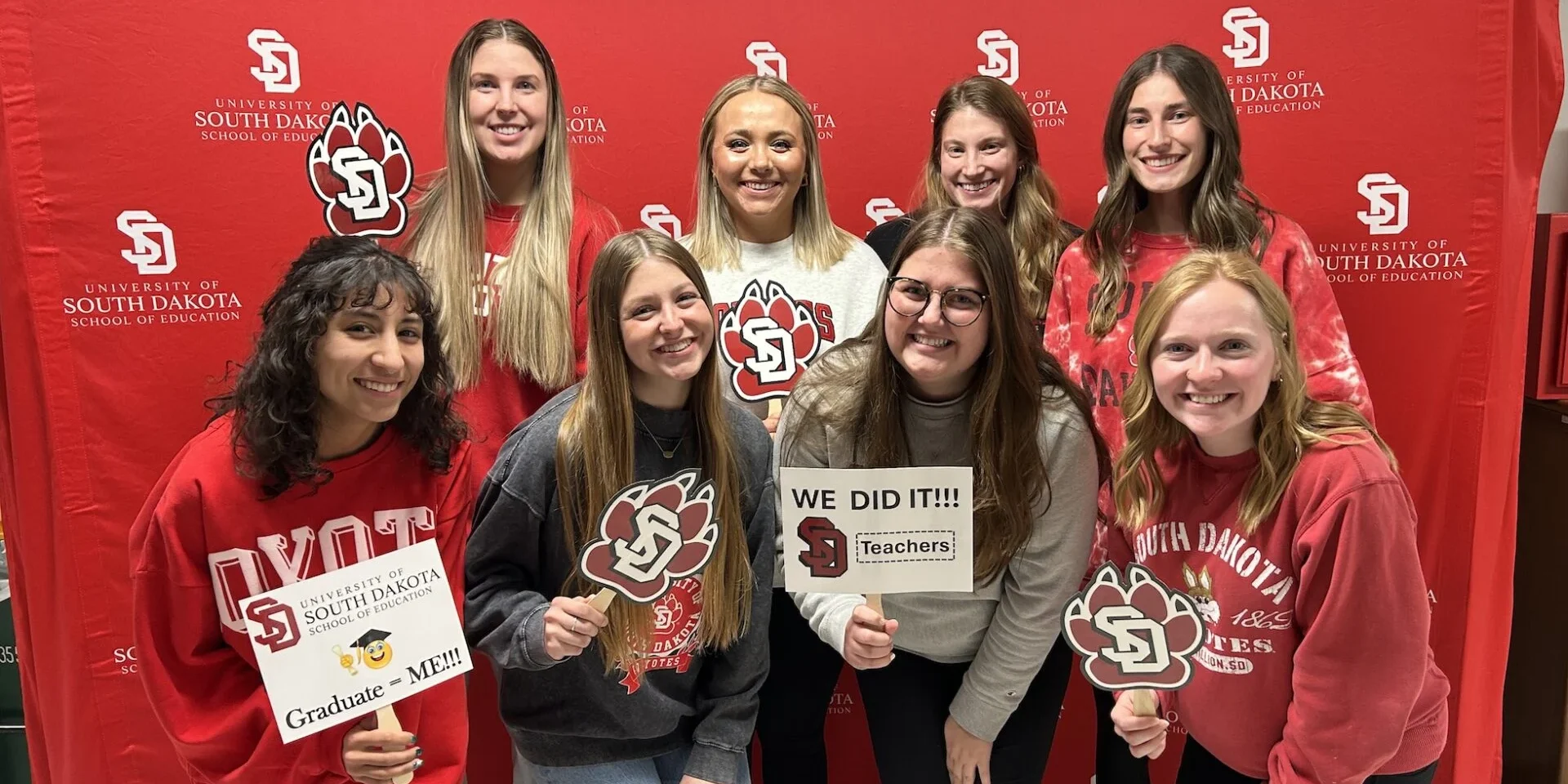
From students to educators: How USD student teachers found their calling through residency program
Aug. 21, 2025
This piece is sponsored by the University of South Dakota.
For Brooke Creviston, a first-grade classroom in Sioux Falls became more than a placement — it became her purpose.
Originally from Sioux Falls, Creviston graduated from the University of South Dakota earlier this year with a degree in elementary education and minors in teaching reading and multicultural studies. She also completed a thesis through the USD Honors Program.
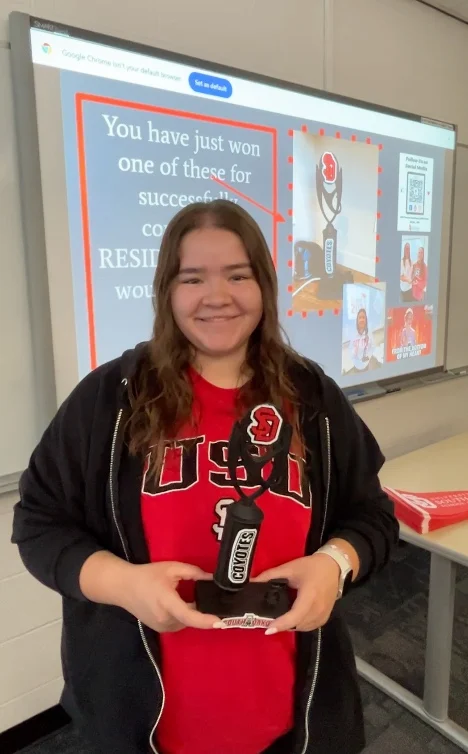
This fall, she will begin her teaching career at a new elementary school in the Sioux Falls area.
“I chose USD because it’s one of the most trusted education programs in the region,” Creviston said. “Once I visited campus, I knew it was the right place. The School of Education felt like home.”
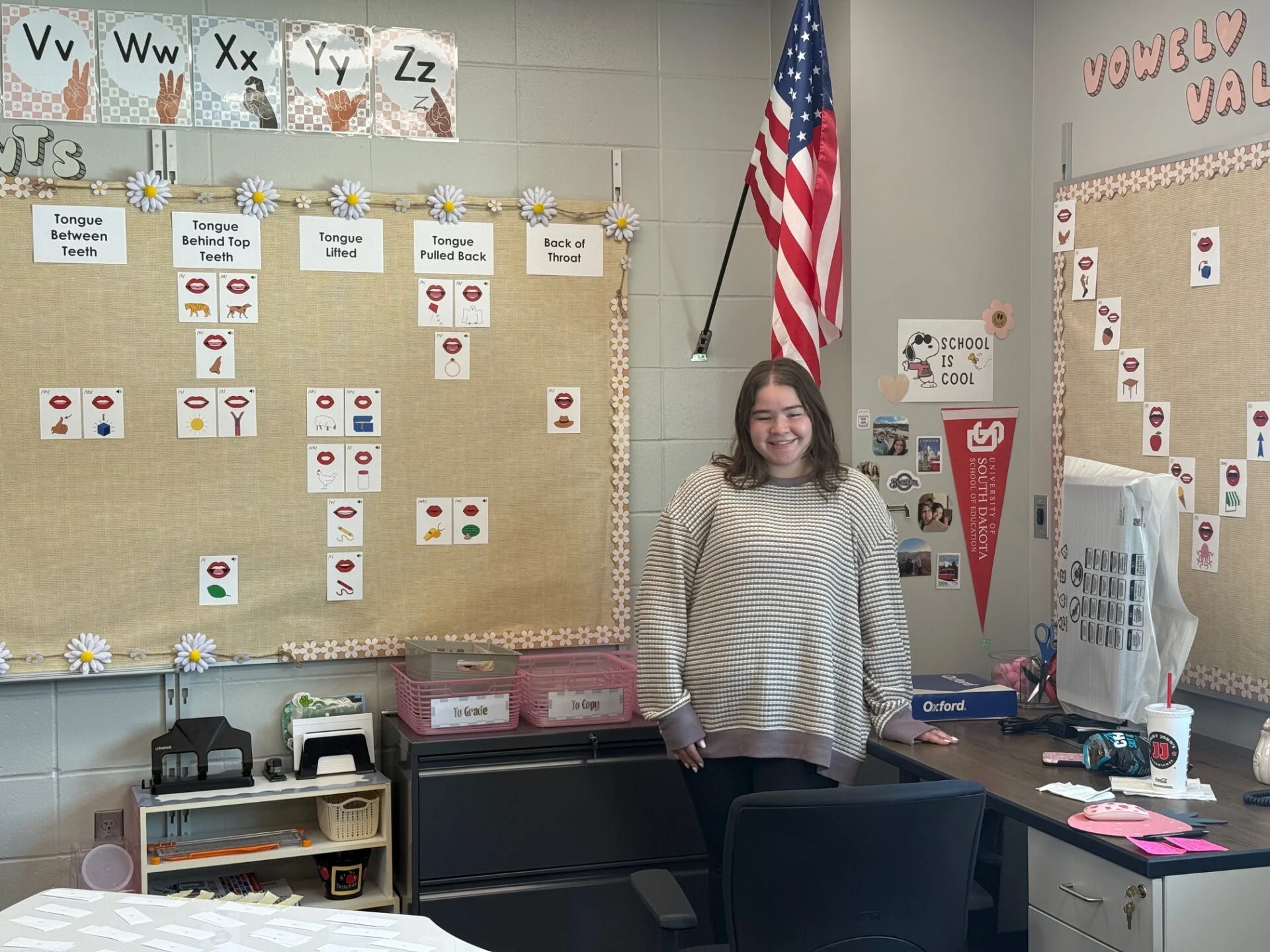
That sense of belonging grew as Creviston embarked on USD’s yearlong teacher residency program — an immersive experience that places future educators in real classrooms for an entire academic year on a full-time schedule.
Students begin by completing fieldwork and internships while enrolled in foundational education courses. Then, in their final year, they commit to a full-time placement in a partner school, teaching alongside a mentor while completing coursework that’s directly connected to their daily classroom experiences.
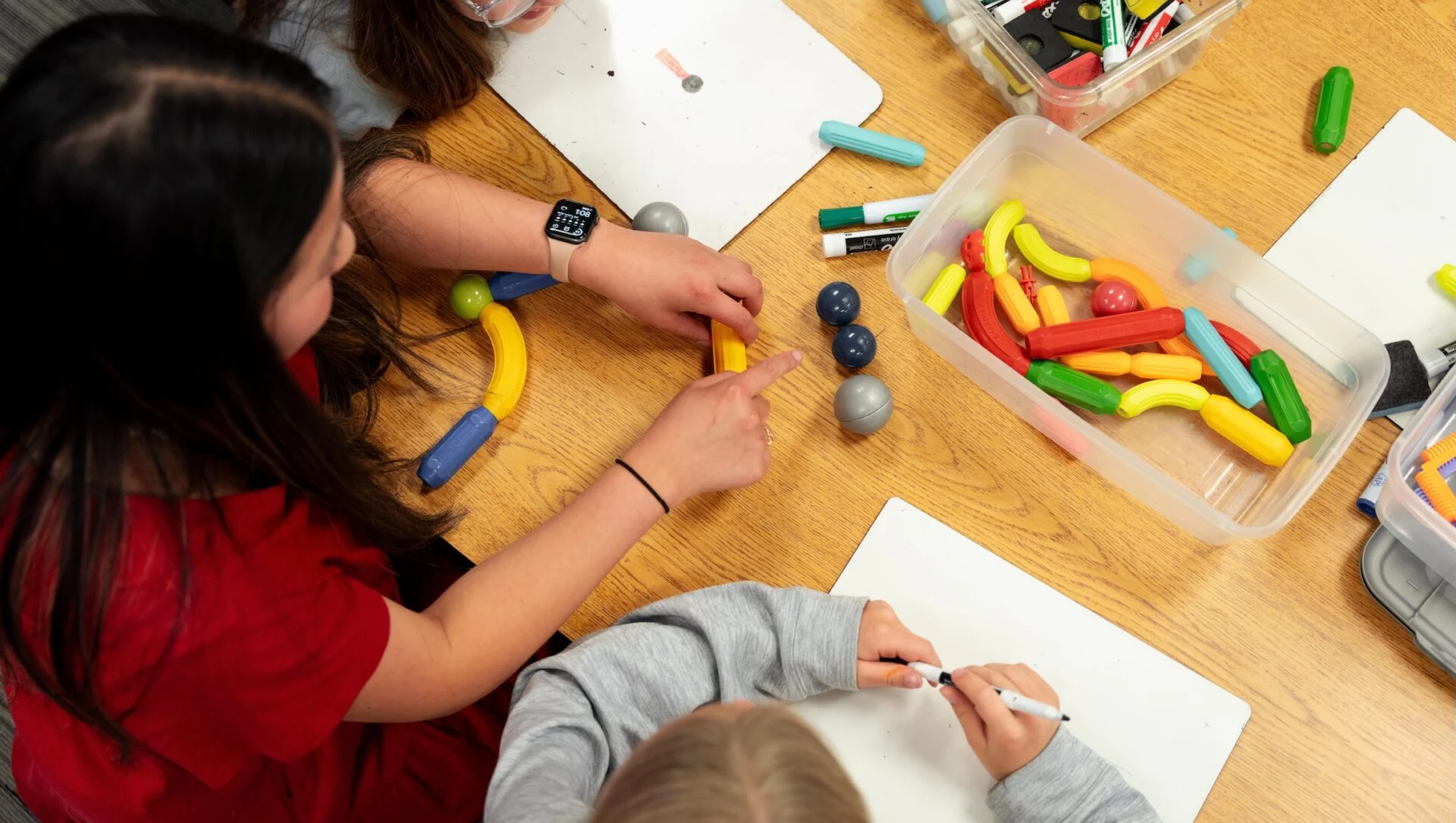
“A yearlong, intense program allows our teaching residency candidates to have a longer, broader experience,” said Theresa Skinner, instructor in the USD School of Education. “They gain the knowledge, experience, support and confidence it takes to be a successful first-year teacher within the year of their teaching residency.”
The daily rhythm of teacher residency mirrored the life of a real teacher for Creviston, who arrived early to prep, co-taught and observed lessons, managed classroom responsibilities and stayed after school for planning and meetings. Paired with coursework that’s related to student teaching, this hands-on experience gave Creviston the chance to dive into practical teaching essentials like assessment, classroom management and technology integration.
“Spending time in a classroom is the only way to understand what education and being a teacher look like,” Creviston said. “It didn’t just affirm my career goals; it gave me the confidence to pursue them while simultaneously improving my abilities and skills.”
At the same time, self-reflection through video reviews, discussions with peers and consistent observations from her USD teaching residency instructor and her mentor teacher played a key role in guiding her growth as an educator.
“My mentor teachers and the USD faculty constantly supported me and encouraged me to try new things, step out of my comfort zone and become the most empowered teacher I could be,” Creviston said.
Discovering passion through immersion teaching
For Briana DeWitte, USD’s teaching residency program didn’t just prepare her to teach — it helped her discover where she truly belonged in the classroom.
DeWitte, who graduated earlier this year, majored in secondary education with a specialization in Spanish and a minor in teaching communication studies. Her path to teaching began before college through the USD Teacher Pathway program, a unique partnership between South Dakota school districts and the USD School of Education to facilitate opportunities for high school students who are interested in becoming teachers.
Upon entering college, DeWitte planned to teach high school Spanish, but a surprise second placement shifted her plans in an unexpected direction.
“I had two very different residency placements,” DeWitte explained. “The first was at a high school where I taught Spanish I and II. Then, I moved to an elementary school where I worked in a second-grade Spanish immersion classroom. I completely fell in love with immersion teaching.”
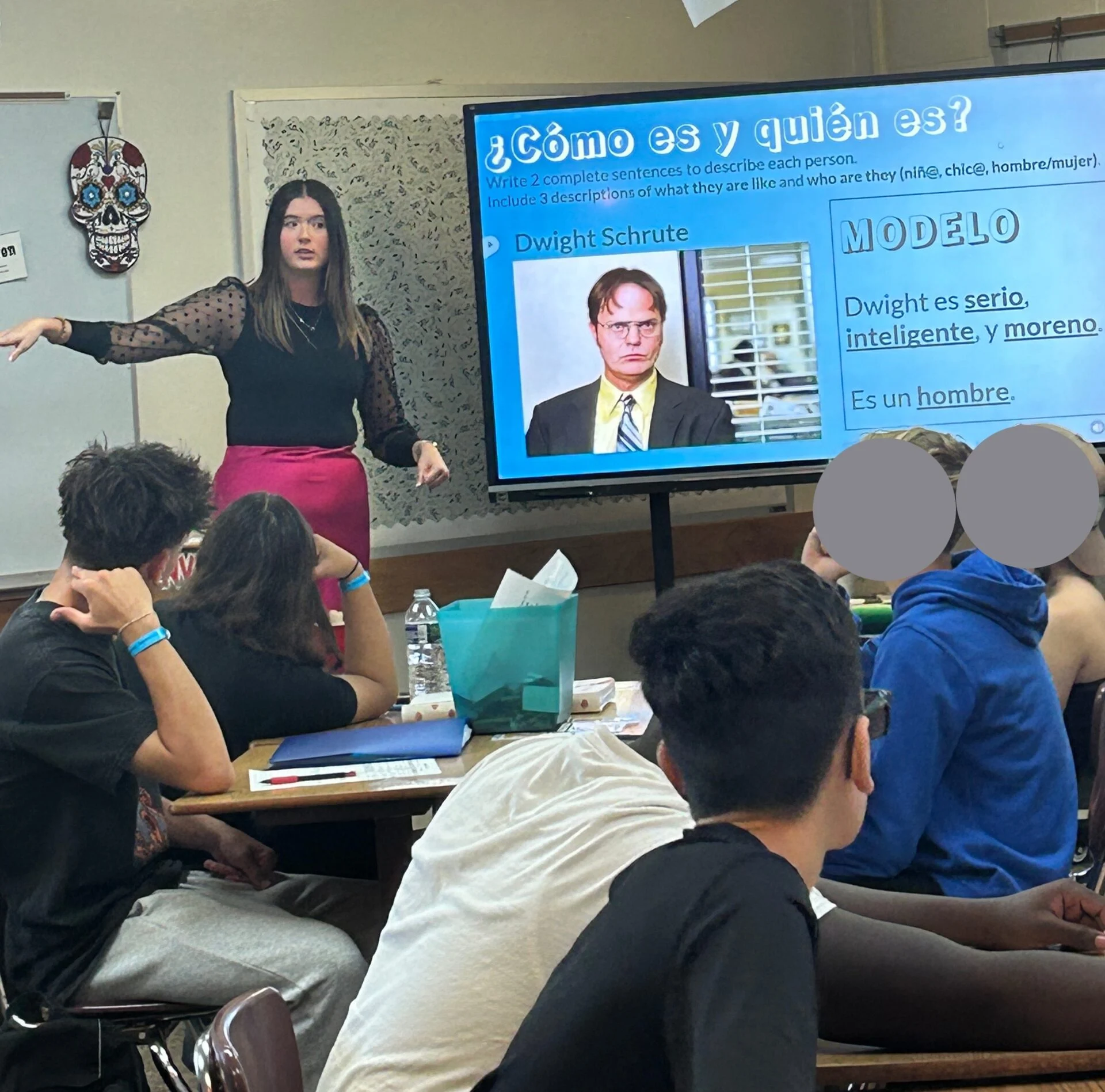
At the elementary level, DeWitte saw firsthand the impact of early language learning and classroom structure. From morning meetings to hands-on science lessons, her days were filled with curiosity, energy and purpose.
In addition to teaching, DeWitte completed the USD coursework through the teaching residency curriculum. Assignments complemented classroom experiences and included tasks such as lesson plan differentiation, recording teaching sessions and reflecting on her practice.
“What’s great about the program is how theory and practice go hand-in-hand,” she explained. “You build your toolbox over the first three years, then your final year is where you really use it.”
Throughout both placements and coursework, DeWitte leaned on the structure and support of her teaching residency instructor, Skinner.
“Theresa was one of my biggest cheerleaders,” DeWitte said. “She answered questions, gave feedback and cheered me on. That support made a huge difference.”
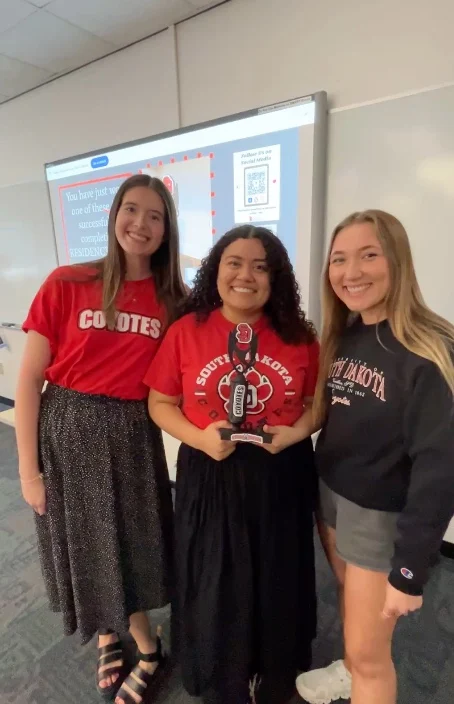
Balancing full-time teaching with coursework wasn’t easy, but it was manageable thanks to the design of the teacher residency program. For DeWitte, most assignments were completed within the classroom where she was teaching.
One lesson, however, confirmed everything for her.
“During my first semester of residency, while teaching my first lesson, I realized I was on the path that was meant for me,” she said. “I felt good about it. Walking away from the lesson and feeling good about it was so rewarding. I learned to trust myself. I know I have more to learn, but I truly feel prepared for my next journey.”
As she looks back on her journey, DeWitte encourages future teacher residency candidates to fully embrace the experience and discover who they are as an educator.
“Soak up every experience that you have in the classroom. This is your time to learn, make mistakes and figure out what kind of teacher you are. Do everything you can to learn from the people around you and believe in yourself.”
Vermillion roots, Sioux Falls reach
The USD – Sioux Falls campus brings the elementary education teaching residency program closer to home for some students.
At USD – Sioux Falls, aspiring elementary educators engage in a rigorous residency program designed to provide hands-on training that fits the unique needs of those balancing full-time jobs and career transitions.
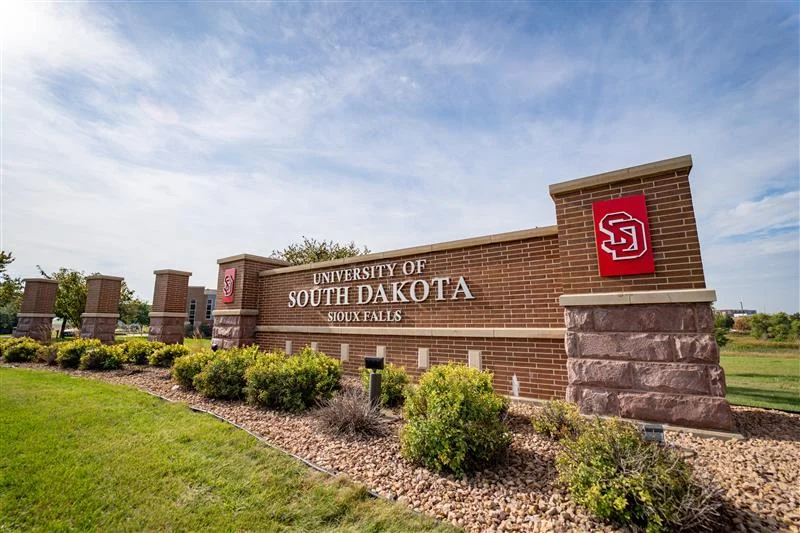
“We recognized the incredible need for teachers in the Sioux Falls area and created a new site on the USD – Sioux Falls campus for our nontraditional students who balance full-time jobs and career transitions,” said Daniel Mourlam, associate professor and chair of the division of teacher residency and education. “Now, they’re able to access courses that are scheduled late in the afternoons and early evenings that better accommodate their schedules.”
With consistent requirements across both campuses, USD’s teacher residency program ensures that all candidates receive high-quality training and build strong, lasting relationships with mentors, students and the communities they serve.
That emphasis on connection and continuity extends beyond the university through the teacher residency program’s close collaboration with local school districts.
“The elementary degree completion program in Sioux Falls will benefit our district and all those around us,” said James Nold, superintendent of the Sioux Falls School District. “It is another example of the faculty at USD working to meet the needs of others where they are at. The need is here, and they stepped up to meet that need. We are grateful for our partnership with USD.”
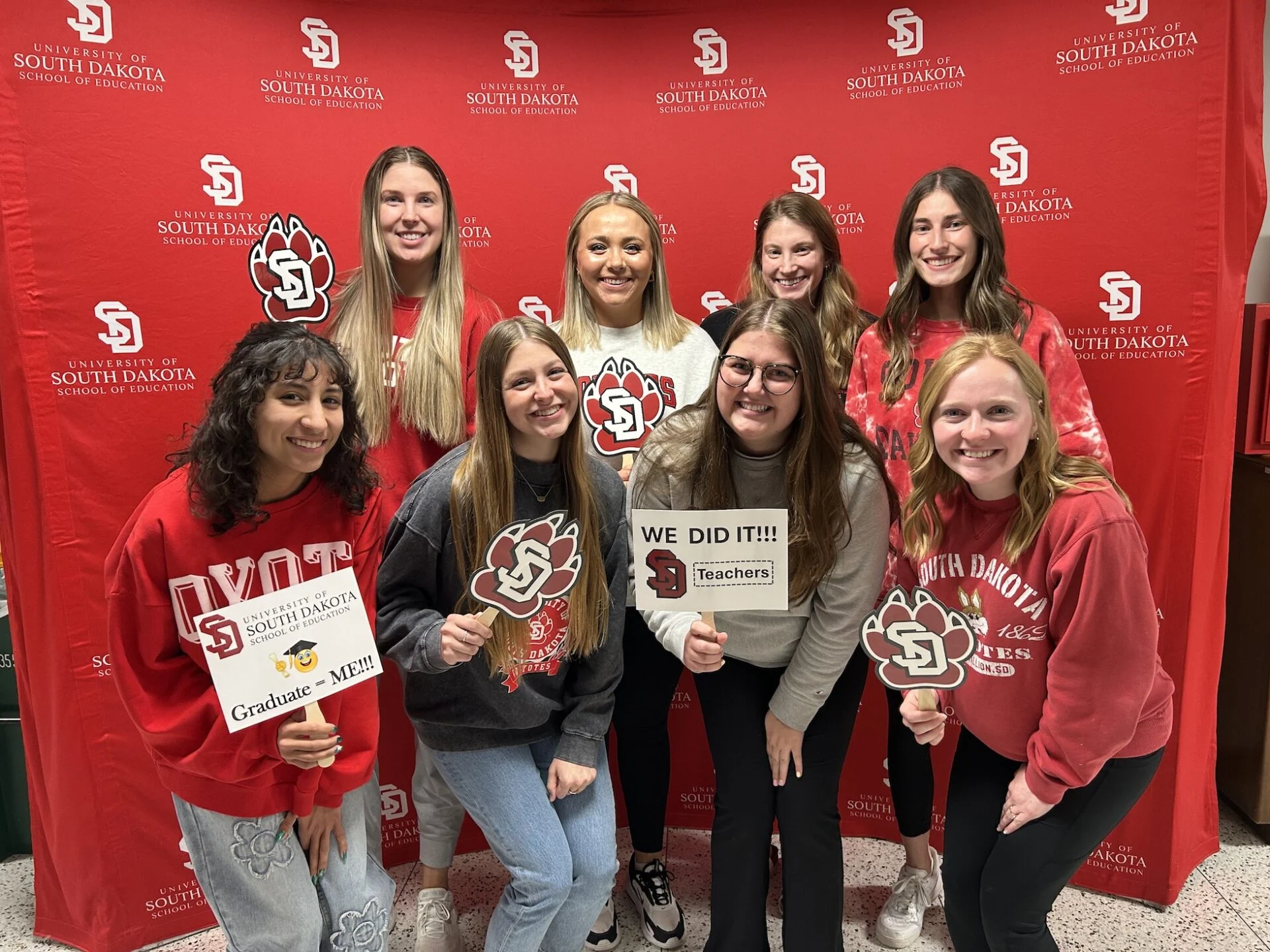
By embedding students in partner schools like the Sioux Falls School District, the program allows future educators to understand school culture and gradually take on teaching responsibilities in a supportive environment.
“The feedback we get from administrators is consistent,” Skinner said. “They tell us USD’s student teachers perform like second- or third-year teachers, not first-year teachers. That confidence makes a real difference.”
However, it’s not just the teacher residency candidates who benefit. K–12 students receive more individualized instruction, and teachers gain much-needed support.
“One mentor teacher told me it was the first year all of her students read at grade level — and she attributed it to having a residency student with her every day,” Skinner said. “That extra support in the classroom truly impacts student achievement.”
Additionally, new opportunities have emerged to support Sioux Falls schools, including a partnership with USD’s Professional Development Center program, which enables individuals with a bachelor’s degree to complete all the coursework required for their initial teaching licensure and a master’s degree.
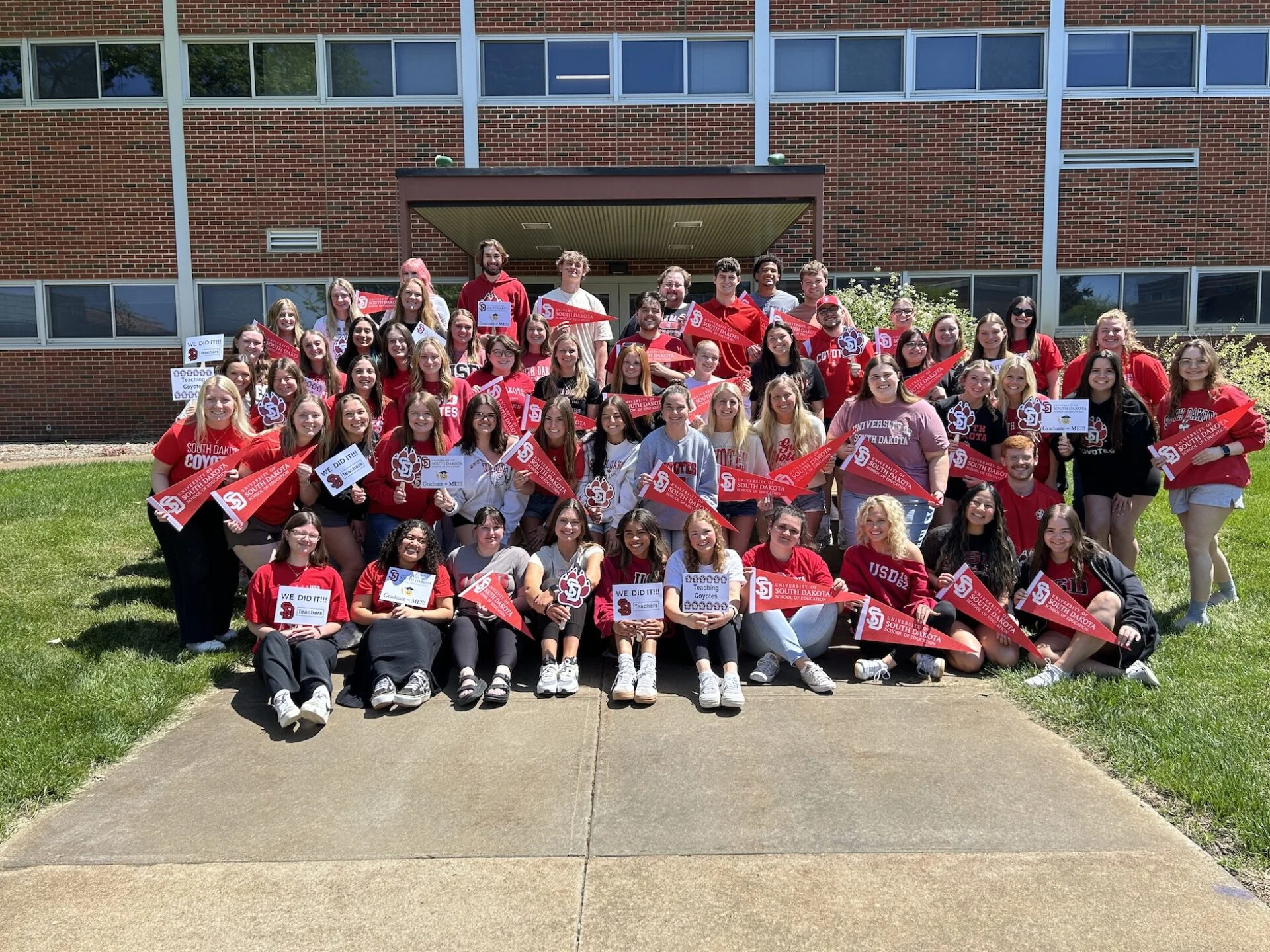
As the need for qualified educators continues to grow across South Dakota and beyond, USD’s teaching residency program remains focused on preparing future teachers who are ready on day one— and committed for the long haul.
“Our teacher residency program is truly one of a kind and reinforces USD’s mission to serve the communities across South Dakota,” Mourlam said. “Our goal is to not only prepare great teachers but also strengthen the communities we serve. By meeting students where they are and partnering closely with schools, we’re helping shape the future of education in our state.”
The teacher residency program is open to both traditional and nontraditional students. Applicants must be admitted to USD’s School of Education and complete prerequisite coursework before applying for residency. To learn more or begin the process, visit the USD School of Education.