From savvy spending to cultural awareness, LSS offers trainings for businesses, groups
Oct. 7, 2025
This piece is sponsored by LSS.
Looking for a valuable program to offer your team members or other groups?
In one or two hours, they can walk away with potentially life-changing financial strategies or a new understanding of other cultures.
LSS offers multiple trainings for groups, from staff meetings to service clubs or church groups. Here’s a closer look.
Financial fitness
Managing money can be challenging regardless of age or life stage – especially given the rising cost of living.
The LSS Center for Financial Resources offers more than two dozen mostly hourlong trainings geared toward a wide range of subject areas:
- Money Master
- Credit Smart
- Movin’ on Up
- Fiscally Fit Family
- Successful Student
- Life Changes
- Just Starting Out
- Smart Shopper
- Retirement Ready
“We get a lot of interest in our Spending Plans for the Budget Savvy course,” said Sara Ramirez, program director for the LSS Center for Financial Resources. “It talks through the basics of budgeting and money management, and another popular one is our Credit Basics, which talks about establishing or rebuilding credit and what goes into credit and credit scores.”
A course on raising money-smart kids also is popular and a good fit to offer groups, she said.
“That’s one that employers like to do as an employee benefit because it applies to so many people and there’s not as much concern over confidentiality,” she said. “And in a roundabout way, we hit on strategies for kids, but many of them also apply to adults.”
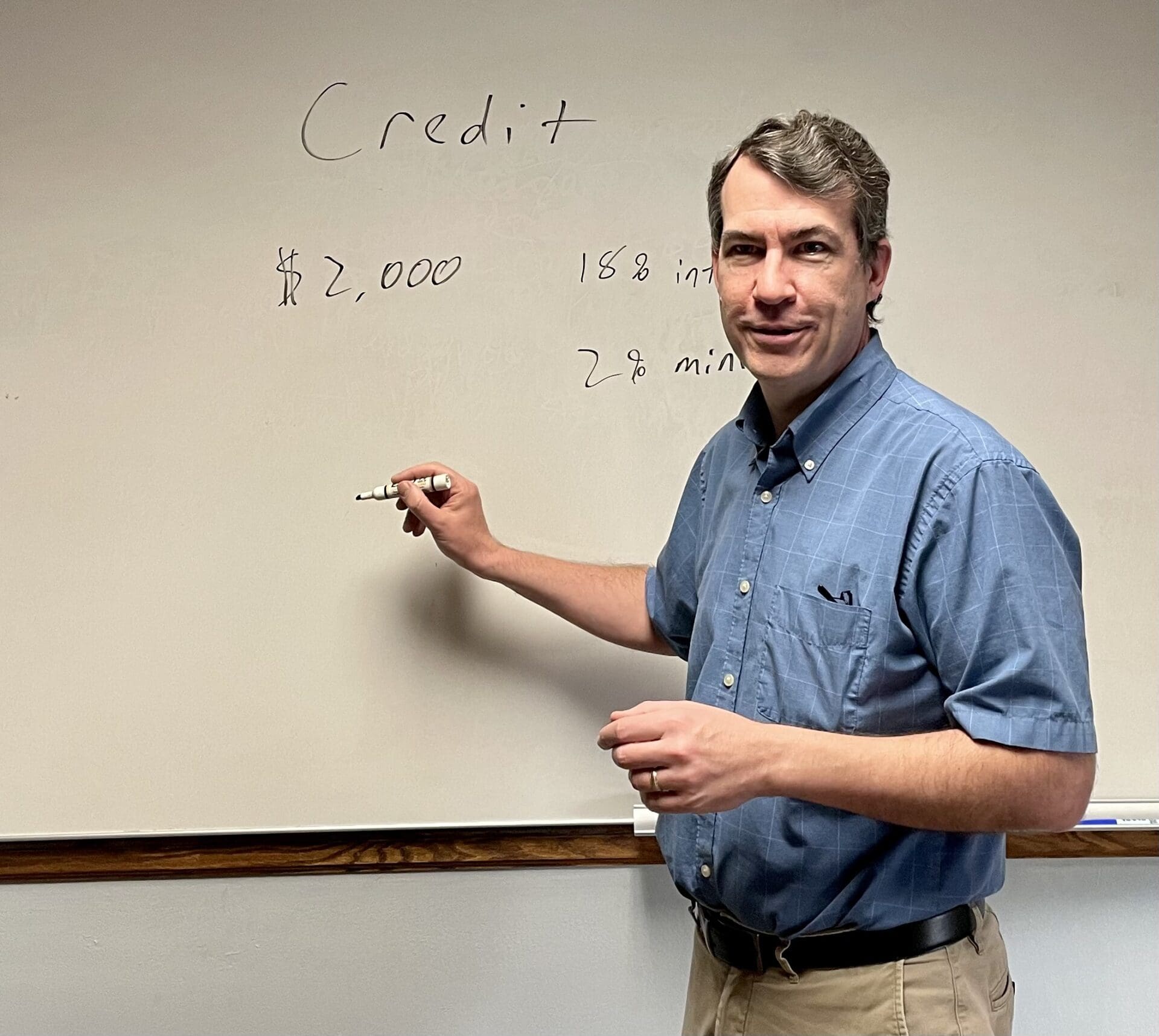
Other programs talk about how couples can work together to manage the financial responsibilities of a household and even how you can save at the grocery store or while holiday shopping.
LSS offers group classes at an affordable, per-hour rate. Some courses, such as homebuyer education, are offered free and supported through grant funding.
For full details on financial fitness trainings, click here.
“We’re seeing more interest in money management because of how people are using credit cards and because of how high interest rates can be on them,” Ramirez said. “People have employment and income, but they also increasingly are struggling to manage debt.”
Additionally, LSS can work with employers to set up an employee assistance program offering individual financial counseling.
“Studies show that when employees have financial stress, they also experience decreased productivity at work,” Ramirez said. “Those who are worried about finances often spend three to four hours a day at work distracted.”
Similar financial literacy assistance is offered to individuals.
“Often, people think they need to be low-income to work with us, and that’s not the case,” Ramirez said. “Higher-income earners definitely can have struggles managing debt, and we’re here to work with anyone.”
It can make a significant difference. In the past fiscal year, 96 percent of LSS clients said they developed written financial goals and a plan to accomplish them after counseling, while 87 percent reported reduced stress after just one meeting with a financial counselor.
“My counselor handled the conversation so well. When I first went to make the call, I was scared and nervous and felt like it was a waste of time, but my counselor treated me with dignity and respect,” one said. “For the first time in a long time, I was able to take a deep breath.”
Cross-cultural skills training
As part of a growing multicultural community, Sioux Falls businesses and organizations are experiencing increasing diversity both internally and in the customers they serve.
“We find organizations want to broaden their cultural awareness, and we see a very positive response once they realize we can help,” said Laura Smith-Hill, intercultural services associate director.
“We think as more people learn about what we offer, we’ll see an even greater response.”
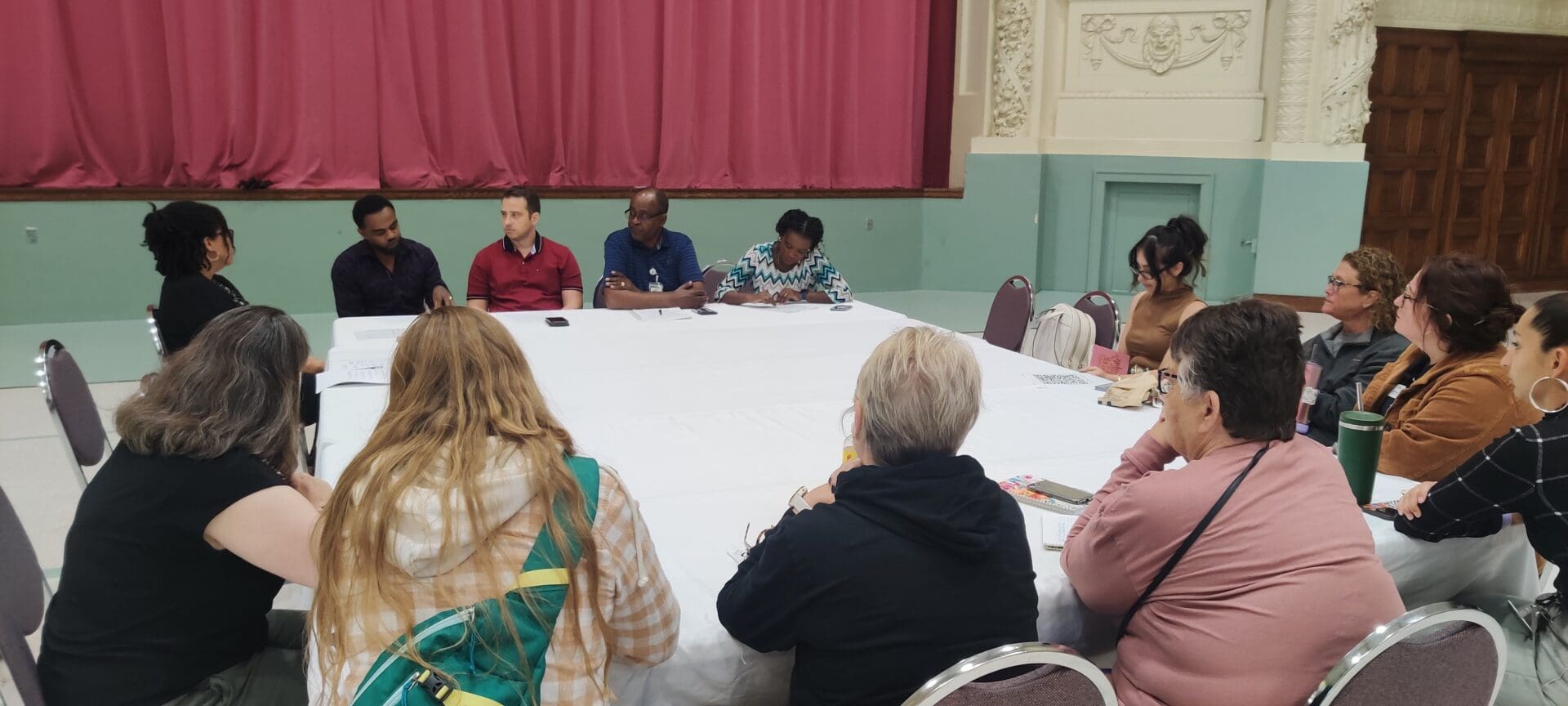
The team at the Center for New Americans offers eight skills trainings for businesses or other groups that are centered around cultural awareness, communication and engagement.
Topics include:
- Bridging cultures
- Diversity panel/interview featuring multiple immigrant and refugee voices
- Cross-cultural communication
- Best practices for working with an interpreter
- Basic language training: Greetings and reception
- Cross-cultural skills for outreach and engagement
“The most frequently requested training is cross-cultural communication, which is helpful for effective communication with multilingual learners and non-native English speakers,” Smith-Hill said. “We also see a lot of interest in bridging cultures, which is a very general overview of cultural awareness.”
The trainings have helped employers with job interviews, including situations “where there were highly qualified candidates who weren’t getting through the hiring process because of cultural barriers or language differences,” she said.
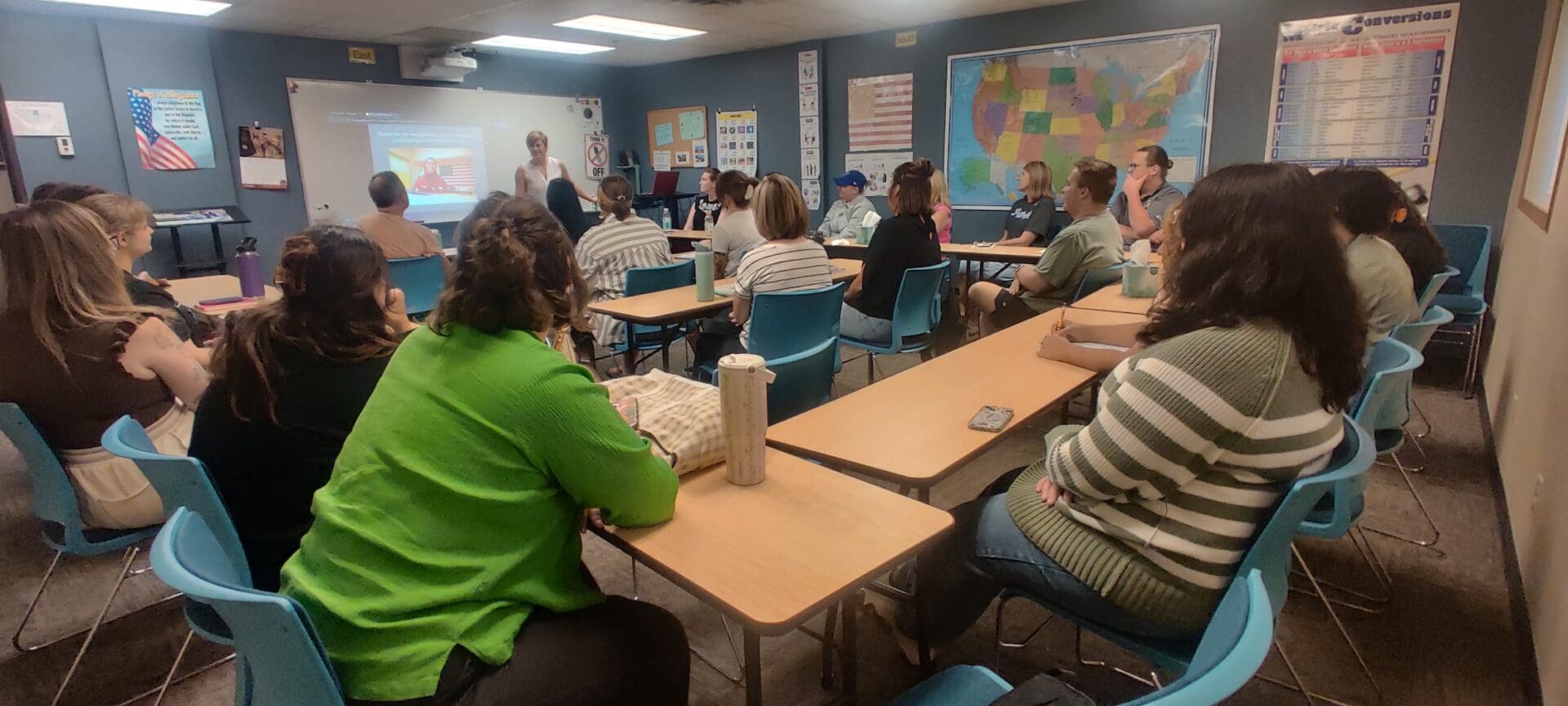
Most trainings are done by Smith-Hill and her colleague Valeria Wicker.
Trainings are affordably priced and generally last one or two hours. Topics also can be combined and customized to meet the needs of any organization or group.
“We’ve had people combine topics in a two-hour staff meeting, for instance, so they can cover multiple topics,” Smith-Hill said. “We’ll also do virtual as well as in-person training depending on the needs of the group.”
For full details on cross-cultural skills training, click here.