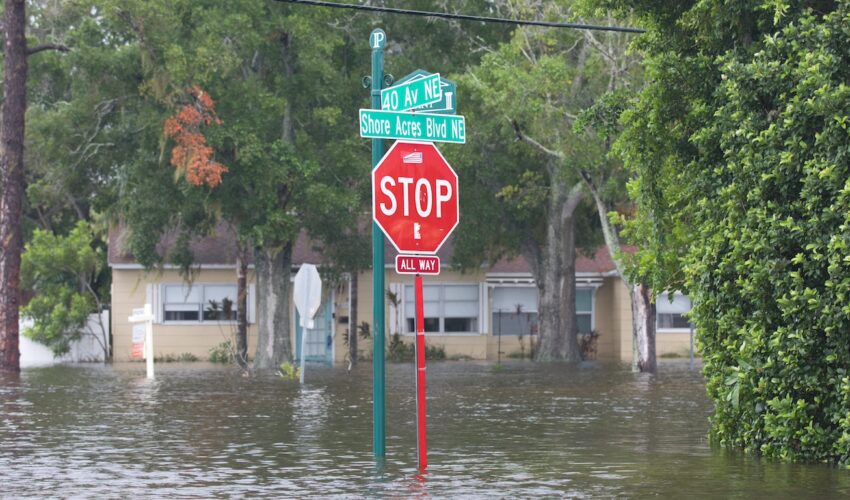
Facing flood damage with hope, positive thoughts, even gratitude
July 16, 2024
This paid piece is sponsored by Avera Health.
Midwestern business owners, from Main Street stores to machine shops in the country, continue to face recovery from flooding. Catastrophes often bring high stress, short tempers and a sense of hopelessness. How do you overcome such overwhelming obstacles? Where do you even start?
Look to communication and connection before anything else.
“Making big problems smaller requires asking for help and planning with people you trust,” said Dr. David Ermer, clinical vice president of Avera Behavioral Health. “Make recovery as manageable as possible.”
While floodwaters have receded, the hard work of cleanup and restoration continues. For business owners, there’s a “double whammy” of emotional impacts, Ermer said.
“The first thing to consider is yourself; you can’t help anyone else, including your employees, if you’re overwhelmed,” he said. “Communicate and collaborate with workers on personal property losses, and if possible, on the business too.”
Small-business owners may have the mindset of fending for themselves, no matter what. In the face of flood recovery, they may face new worries, emotions or a sense of defeat.
“Focus on priorities, yet remember your stress is normal,” Ermer said. “Business owners can combat stress by remembering how they got here.” The resourcefulness, hard work and grit that led to your success is still yours to use in the face of challenges like tearing out drywall or replacing ruined machinery.
“The small silver lining of flooding is the widespread nature of the damage; it’s something that can bring communities together,” Ermer added. “Be deliberate in your decisions. Get advice from loved ones or people you trust.” Avoid decision-making when emotional, and get help.
“Government teams are professionals prepared to help you,” he said. “We don’t like to ask for help, but accepting it is a sign of strength.” When you hold steady in your recovery work and plan carefully, discouraging thoughts are less apt to creep in.
Self-care sounds out of place in the face of flood recovery work. You have dumpsters to rent, ruined carpets to haul and soiled photo albums to salvage. But self-care is fundamental.
“Try to establish some sort of routine,” Ermer said. “Families with kids especially need it, and when it’s chaotic, it’s more stressful.” Other tips:
- Make “one day at a time” to-do lists.
- Set priorities by the hour or half-day.
- When your thoughts remain negative, seek help from a behavioral health professional.
- Take breaks from the news and social media.
- Reach out to family and friends.
Employers who keep their workers in the know can benefit themselves and their employees. “Let them know the plan. Be open,” he said. “Honesty sends a better message to everyone who works for you.”
If you want to help others, take a simple step: just show up. “We text and call a lot in today’s society, but just arriving at someone’s house and chipping in is critical,” Ermer said. “Employers can do this with their workers.”
Remembering that hope is vital and that you’ve overcome many things is another way to stay centered.
“Keep reminding yourself: I can come back,” Ermer said. “Keep people informed, and talk to people more. Retreating into a withdrawn state is never helpful.”
Even when you look at the mess of a flood-destroyed stand of corn or a shop that was once busy now damaged by stagnant water, you can still find reasons for gratitude, Ermer said.
“You’re alive, your family and friends are, too, and your community has been through the same thing as you,” he said. “When we’re grateful, we can stop and realize that ‘we can do this,’ but it will take time, grace and remembering that we need to accept help as well as offer it to others.”
Learn more about Avera Behavioral Health Services.