Essential safety tips for Midwest winters
Dec. 17, 2025
This piece is sponsored by Marsh McLennan Agency.
Guidance provided by Marsh McLennan Agency — your local insurance partner.
As winter takes hold in the Midwest, cold temperatures and heavy snow create challenges for your business, home, vehicle and family. That’s why getting ready for the tough winter weather is important to keeping family safe and protecting your property.
Winter risks in the Midwest
Winter weather is the leading cause of vehicular accidents and problems, with slips and falls coming in second. Homes and businesses can be in danger too. Extended freezing can cause pipes to burst, leading to costly water damage, and ice storms and strong winds may cause power outages that leave homes and businesses without heat and essential services. Snow and ice buildup can strain roofs, clog gutters and block drainage, resulting in water damage and structural problems.
Protecting your home and business
Consider these practical steps:
- Inspect your roof and gutters, clearing leaves and debris before winter to prevent ice dams. Check for loose shingles or damage that heavy snow could worsen.
- Wrap or insulate exposed pipes, especially in unheated areas like basements and crawl spaces, to prevent freezing.
- Have your furnace or boiler serviced to ensure efficient and safe operation during the cold months.
- Prepare for power outages by stocking up on flashlights, batteries, bottled water, nonperishable food and warm blankets. Consider a backup generator to keep critical systems running.
- Test smoke and carbon monoxide detectors regularly. Keep fire extinguishers accessible, especially near heating appliances.
Frozen pipes: Causes, risks and prevention
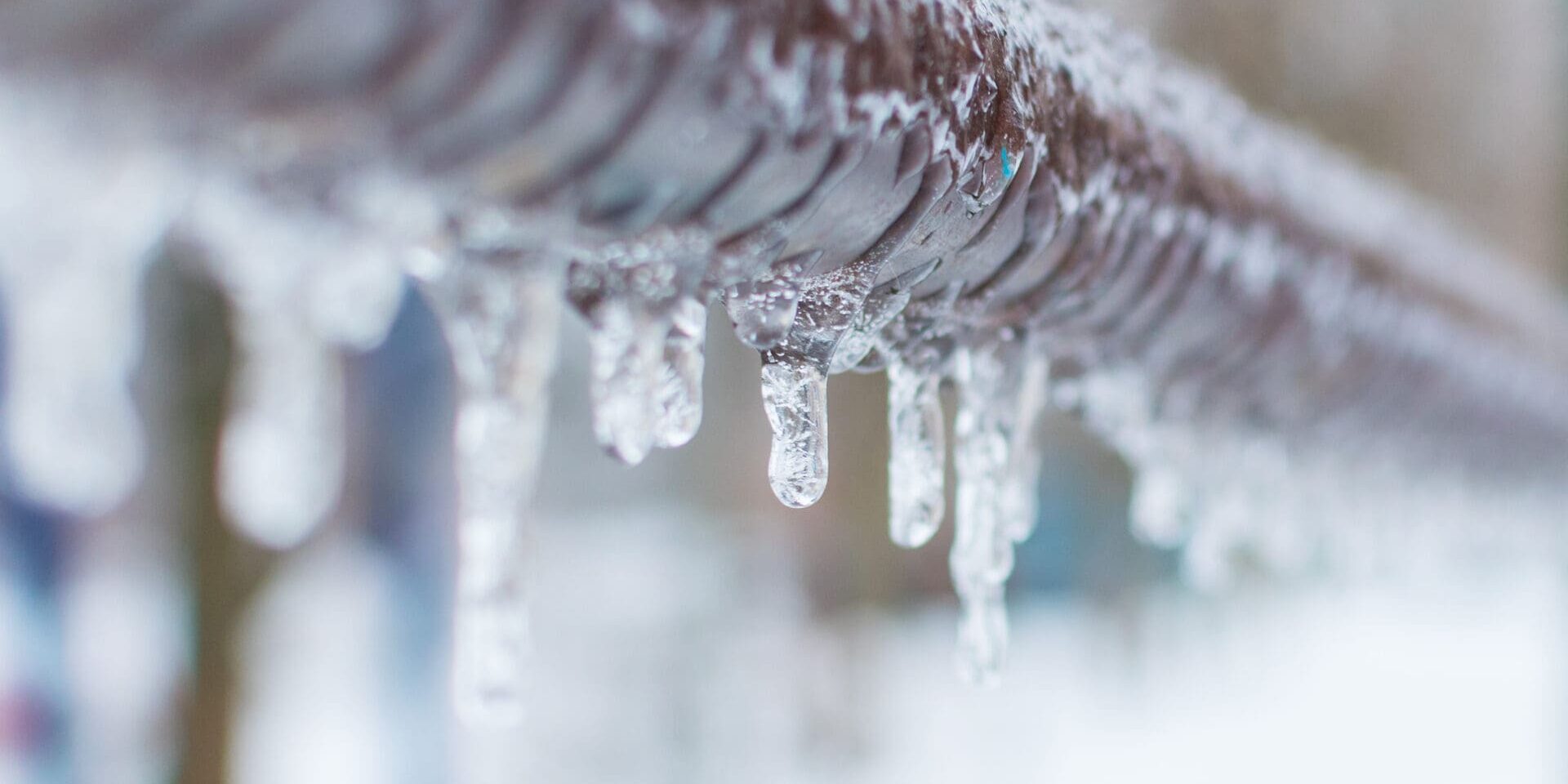
Frozen pipes are a costly problem for homes and businesses during cold winter months. When water inside pipes freezes, it expands, which can cause pipes to crack or burst, leading to significant water damage. Pipe issues often stem from poor insulation around pipes, particularly in unheated areas such as basements, attics, crawl spaces or exterior walls.
Burst pipes can cause significant flooding and damage. Water damage may cause mold growth and structural issues, which can compromise the safety and integrity of your property. Additionally, repairing burst pipes and addressing the resulting water damage can be costly and disruptive.
Prevention tips:
- Insulate exposed pipes with foam sleeves or heat tape.
- Seal cracks and openings near pipes to block cold air.
- Keep your home or business heated to at least 55 degrees, even when away.
- Let faucets drip slightly during extreme cold to keep water moving.
- Disconnect and drain outdoor hoses, and shut off exterior water valves.
- Consider installing smart sensors that alert you to temperature drops or leaks.
- Clear snow from around the foundation and vents to prevent ice buildup and maintain proper ventilation.
Winter vehicle safety
The No. 1 weather risk in the Midwest is vehicle accidents. From a transportation perspective, minor storms are often a bigger threat because of increased uncertainty in the forecast, according to the National Weather Service. When road temperatures are below freezing with full traffic on the roads, even a fraction of an inch of snow can cause roads to ice over, multiple accidents to occur and gridlock for multiple hours, trapping people in their vehicles for an extended time. The U.S. Department of Transportation reports that 24 percent of all crashes in the U.S. happen on snowy or slushy pavement. And while driving in the Midwest winter requires extra caution and preparation, there are ways you can prepare:
- Ensuring that your vehicle tires have good tread can help with traction in the snow or slush.
- Checking your vehicle’s battery health, windshield wipers, lights and fluid levels are good practices year-round but in cold or winter weather especially.
- Keeping an emergency kit of essentials in your car such as a shovel, ice scraper, flashlight, jumper cables, blankets, water, snacks and a first-aid kit can be lifesaving should your vehicle get stuck in the snow or fail to start.
- Keep your gas tank at least half-full to prevent the fuel line from freezing and to keep your car warm if you are stranded.
- Planning ahead and allowing extra travel time for travel in snowy weather is always a good idea. Plus, informing someone of your route alerts loved ones if you have vehicle problems. And avoid driving during severe storms whenever possible.
Slips and falls
Slips and falls are the second most common causes of workplace injuries because of weather. Workers’ comp expert SFM noted that there were 20,000-plus workplace injuries because of slips and falls caused by ice, sleet or snow. According to OSHA, slips and falls contribute to 20 percent of all workplace injuries, and 20 percent to 30 percent of workplace falls result in a moderate or severe injury like deep bruising, broken bones or concussions. These incidents not only affect employee health but also disrupt business operations. SFM estimates that an average winter slip-and-fall lost-time claim ranges from $50,000 to $55,000 in costs.
Staying safe from slips and falls
Employee injuries sustained in falls are costly. The National Institute for Occupational Safety and Health reports that workers’ compensation and medical costs associated with workplace fall incidents have been estimated at $70 billion annually in the U.S.
Businesses can mitigate risks of slips and falls by:
- Redirecting the flow of water and ice from gutters and downspouts to avoid the dangerous freeze-thaw-refreeze cycle and to keep water off walkways.
- Warn employees about potential hazards of wet, slippery or icy walkways.
- Keep snow piles away from walkways to avoid snow melting and refreezing to ice.
- Clear snow to a level below the walkways to reduce the flow of melting water downhill.
- Fix walkways to remove uneven areas where water and ice can accumulate.
- Establish clearly marked safe routes to and from the building to prevent employees from taking hazardous shortcuts.
Winter in the Midwest can be beautiful but dangerous. With thoughtful preparation and awareness, you can protect your home, business, vehicle and loved ones all season long.
For personalized advice and insurance reviews tailored to your home, business and vehicle, reach out to a local Marsh McLennan Agency personal risk adviser, or visit our Winter Storm Resource Center for information to support you before, during and after a storm.