DSU’s president looks ahead at transition to chancellor
Jan. 29, 2026
This piece is sponsored by Dakota State University.
Midyear could mark multiple milestones at Dakota State University.
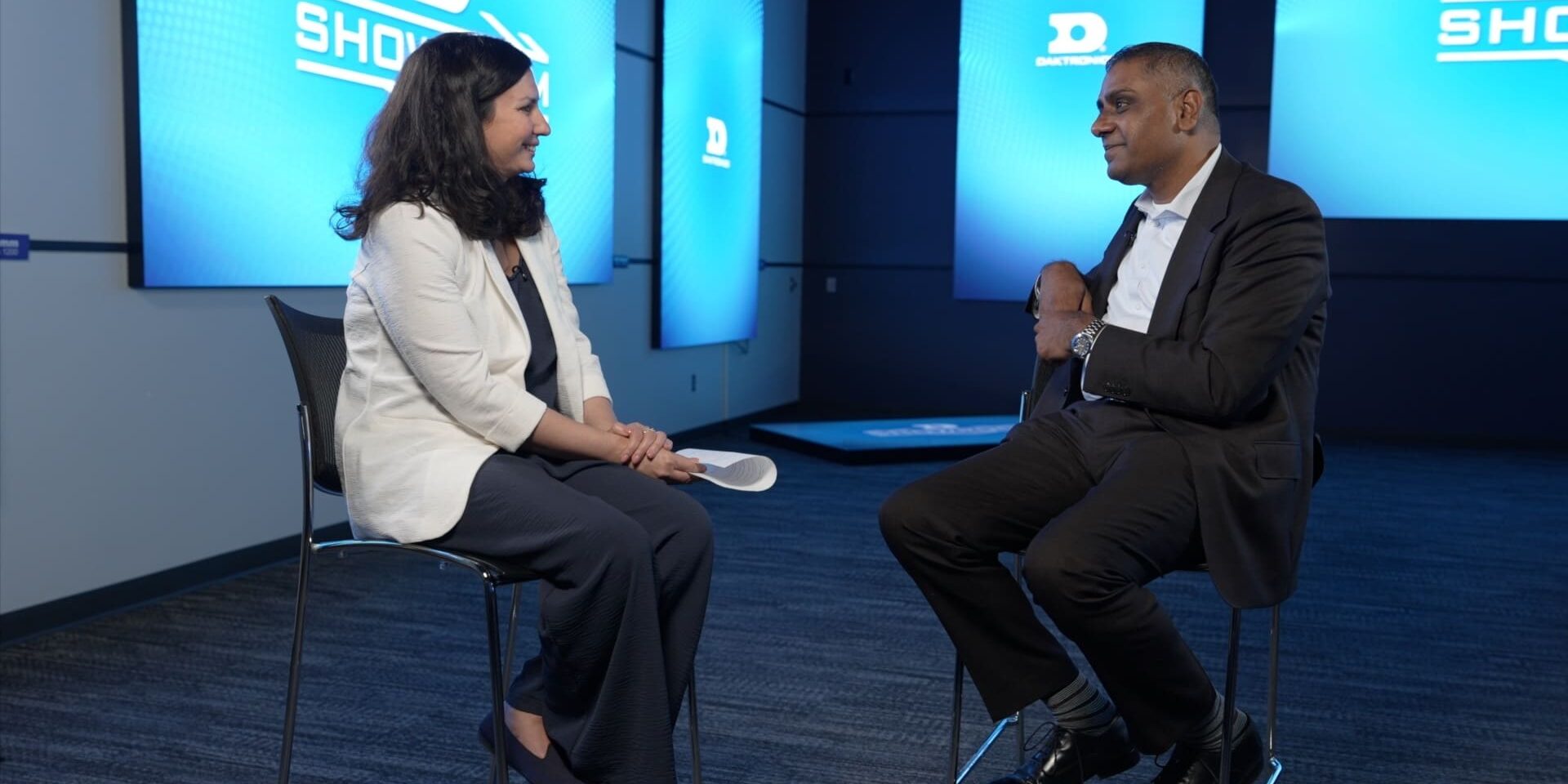
It’s when the university is scheduled to take possession of its new Applied Research Lab in Sioux Falls. It’s also when Dr. José-Marie Griffiths plans to transition from more than a decade as university president to the new role of DSU chancellor.
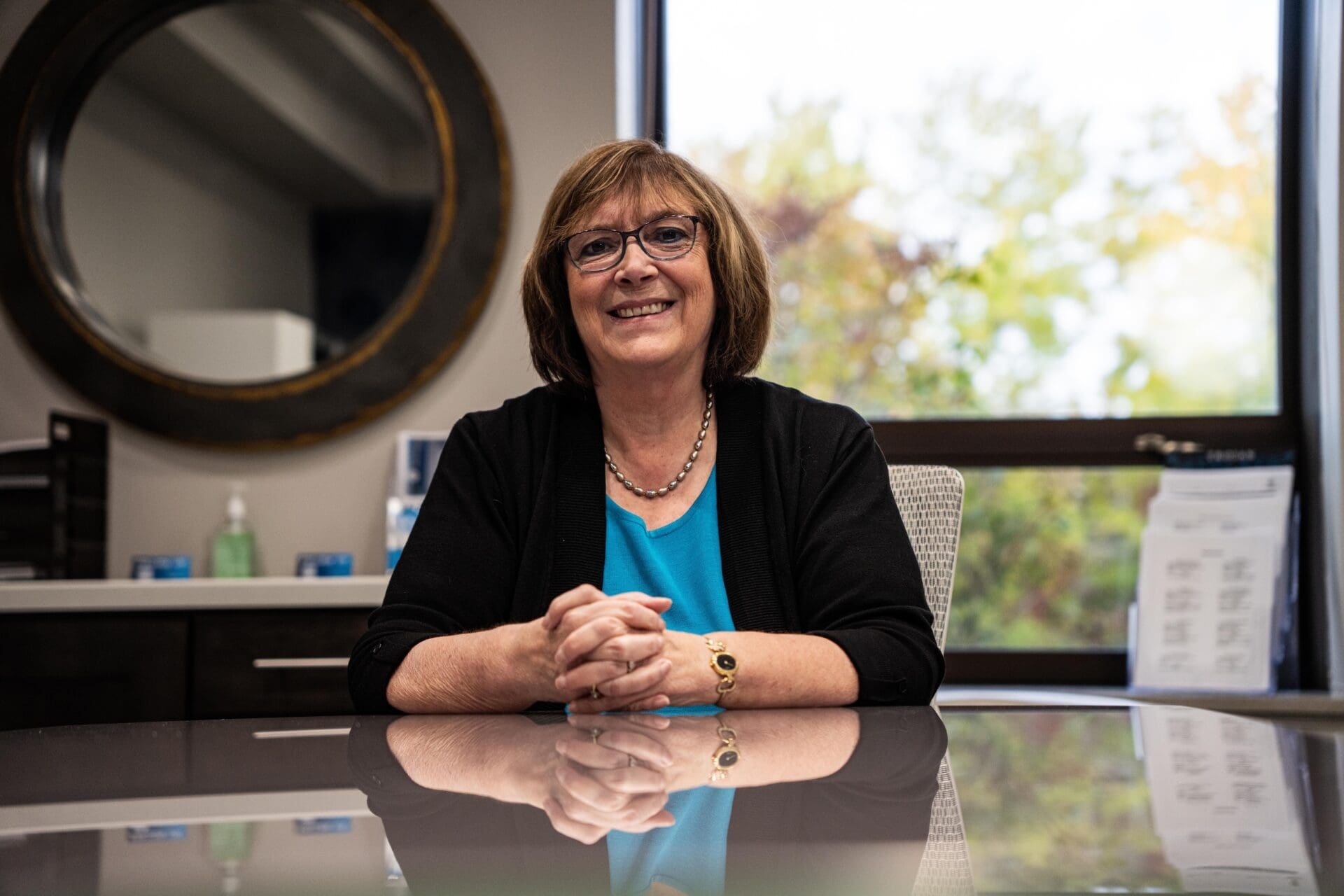
The two are very much entwined: As chancellor, Griffiths, who has helped establish DSU as a national leader in cybersecurity, will be able to essentially help advance what she began, dedicating more time to the external activities necessary to building partnerships with government and industry.
“We have a lot going on at Dakota State, a lot of things in motion,” Griffiths said.
“There are the day-to-day responsibilities of a university president, combined with business development for the Applied Research Lab and our labs in Madison, major initiatives in enterprise funding and potential partnerships with tech entities. This approach will provide an on-ramp for a new president to get involved day to day and then gradually get involved in external activities.”
DSU continued its growth trajectory in 2025 and was especially strong in attracting graduate students, including to some of its newer programs.
“We have a robust national draw because of the nature of our programs,” Griffiths said. “Our cybersecurity program continues to grow, and the early steps we took to develop AI programs are paying off as this is an area students are gravitating toward.”
Outside of the classroom, DSU has invested in major athletics upgrades as part of a $100 million master plan, including the Brian Kern Family Stadium and Athletics Events Center, while planning for an extensive new domed practice facility.
“These are difference-makers,” Griffiths said. “We’re attracting strong athletes who also are students doing well academically. Our student-athletes are doing very, very well in terms of GPA across entire teams.”
The university continues to report more than 99 percent placement for its students seeking jobs after graduation.
“We also increased our number of South Dakota residents, which is always a metric I like to see,” Griffiths said. “We have a favorable ‘trade balance’ when it comes to students from out of state taking jobs in South Dakota versus South Dakota students leaving for out-of-state jobs, and we want to continue to grow that.”
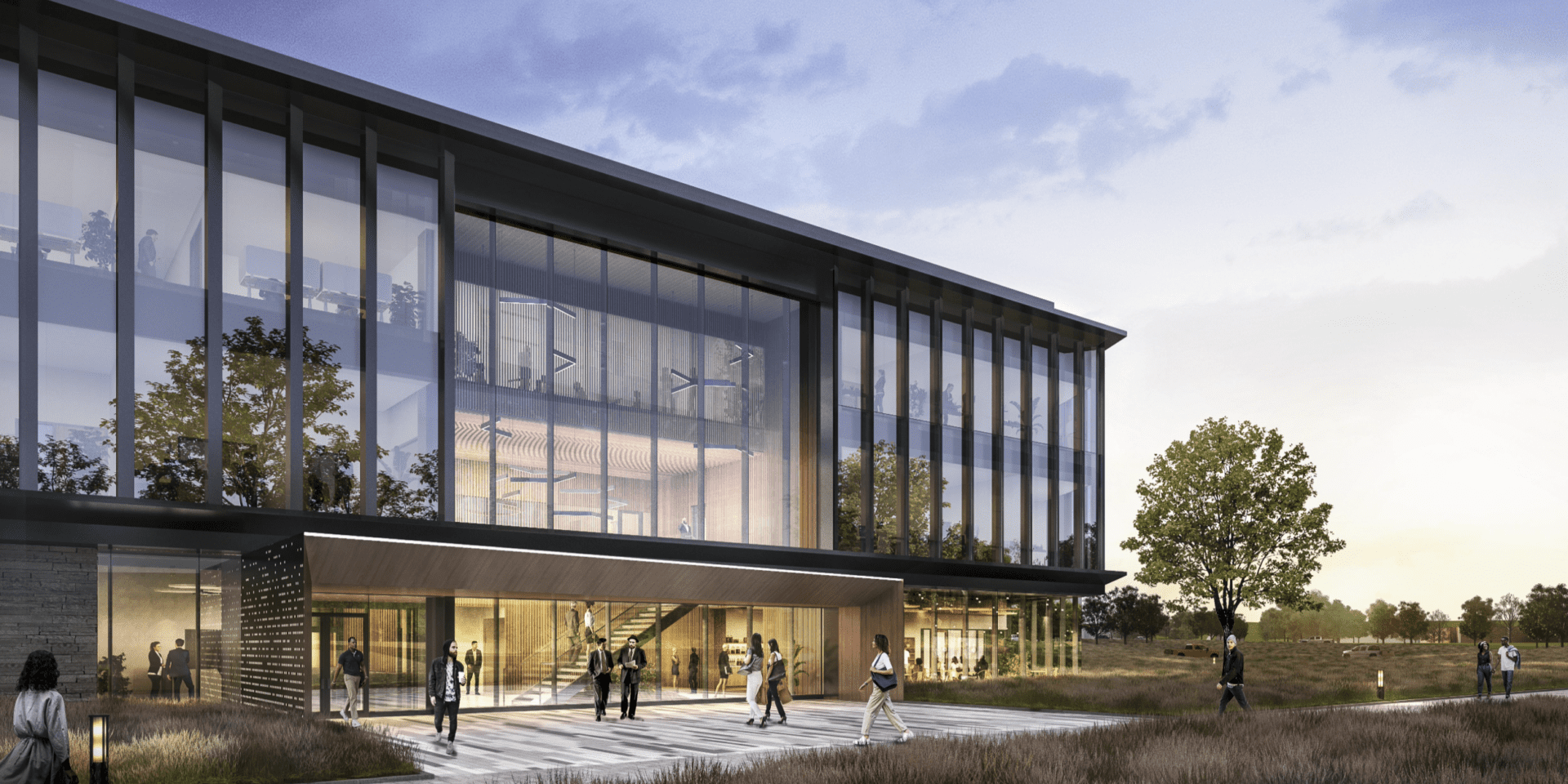
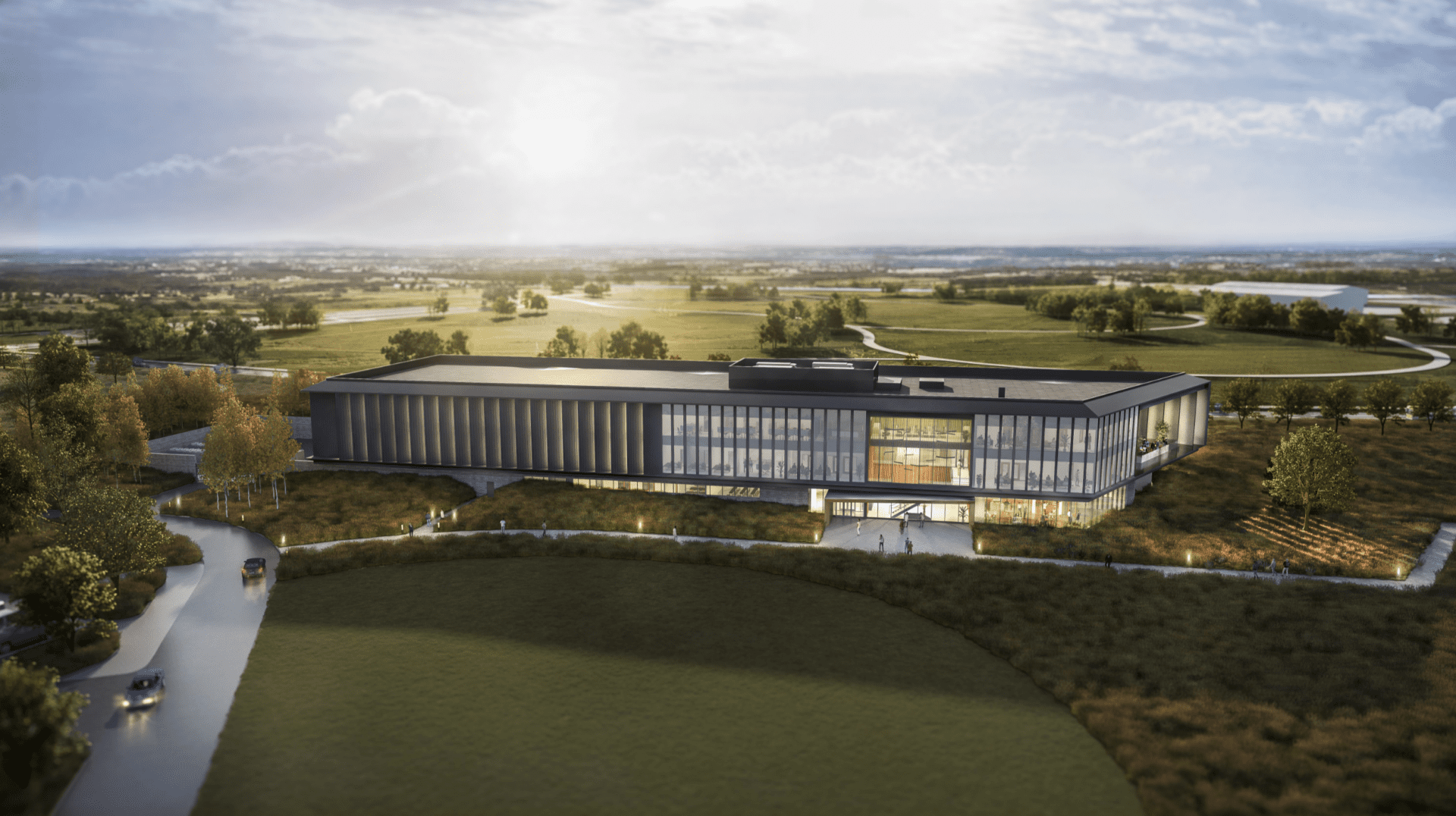
The Applied Research Lab in Sioux Falls will be a key factor in allowing talent taught at DSU to remain in South Dakota or to move back. The 100,000-square-foot building is designed for jobs that require high-level government clearances, allowing the same work to be in Sioux Falls that typically is conducted in Washington, D.C., or on the West Coast.
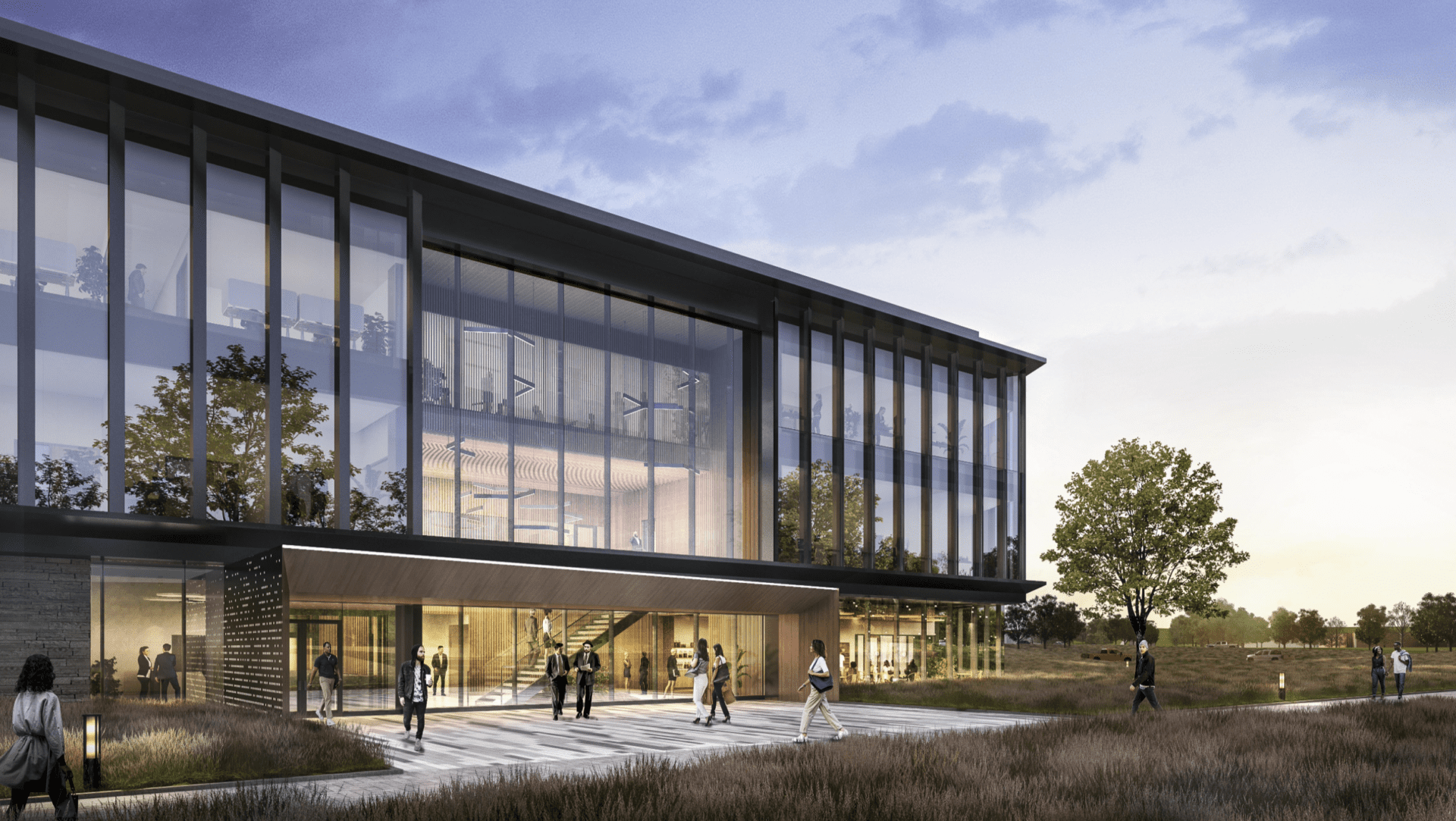
“We are in multiple discussions with the U.S. Army and other federal agencies about expanded research contracts,” Griffiths said. “We’ll also be opening up the opportunity to have more federal personnel located in South Dakota.”
Additionally, companies will be able to contract to have cybersecurity engineers look into certain technologies as they develop, along with doing penetration testing to determine network vulnerabilities and software development to create the kinds of tools necessary for cybersecurity. They also could rent space for their own teams to work in a secure facility.
“We’re just finalizing our lease rates, and I’ll be taking the latter part of this spring and going forward to start talking with big tech companies that also are looking at hiring people out of places like Silicon Valley,” Griffiths said. “There’s a recognition that a lot of talent doesn’t necessarily want to live on the coasts, where it’s extremely expensive, and now I think we’re going to see demand because we have access to secure facilities.”
There’s already the capacity to do the same high-level work with security clearance at the DSU Cyber Labs in Madison.
Much of the decision-making around where to do cyber research was paused given the change in federal administrations last year, Griffiths added.
“I think we’d all like to see things move forward faster, but many people held off either because of direct changes within the federal government or uncertainty around government contracts,” she said. “I think there’s going to be a big wave of activity coming as contracts start flowing and bills start being passed.”
The timing seems right – both a facility wrapping up for DSU and a plan for how its leadership will evolve.
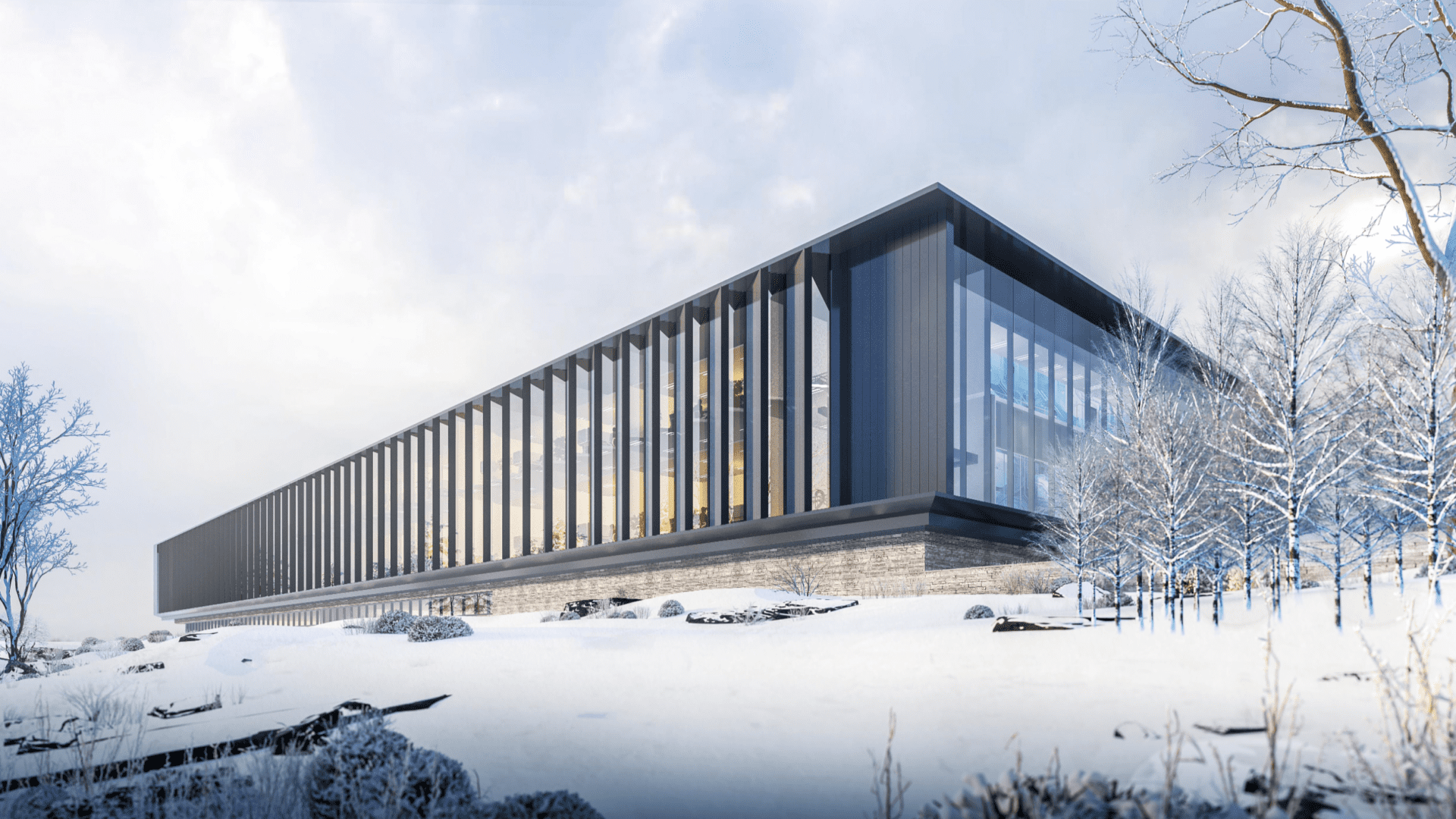
“As we work with companies and governmental entities considering partnering with DSU, it’s important they have clarity around our future leadership,” Griffiths said. “I’m not going to be here forever, and now as they’re choosing to work with us, I can help guide those relationships, but they also will know who my successor will be.”
DSU has advertised for a new president and announced a search committee. The plan is that Griffiths will transition with her successor around the end of June.
In the meantime, she continues to look at new program development and support research work, anticipating continued demand from students.
“Our graduate enrollment is strong, and I think that’s an opportunity for DSU, especially in the cybersecurity programs as those are recognized nationally and internationally,” she added.
“Our alumni are already well placed in government and industry, which helps because they know who we are and what we do. Now they’re in charge of growing a workforce and see value in connecting with talent at a place that has the quality programming and facilities that we do.”
She described herself as “delighted” when the South Dakota Board of Regents approved a plan that allows her to transition to a new generation of leadership while helping foster the relationships and visibility necessary to continue establishing DSU as a global cybersecurity leader.
“I think the Applied Research Lab will be full,” she said.
“I can’t predict exactly when we’ll be ready to start thinking about building No. 2, but we have space for three buildings. It really depends on whether we find a couple of anchor tenants, and, if so, then I think we will see others come.”