City ‘cornerstone’ of public works retires with decades-long legacy of transportation projects
March 11, 2026
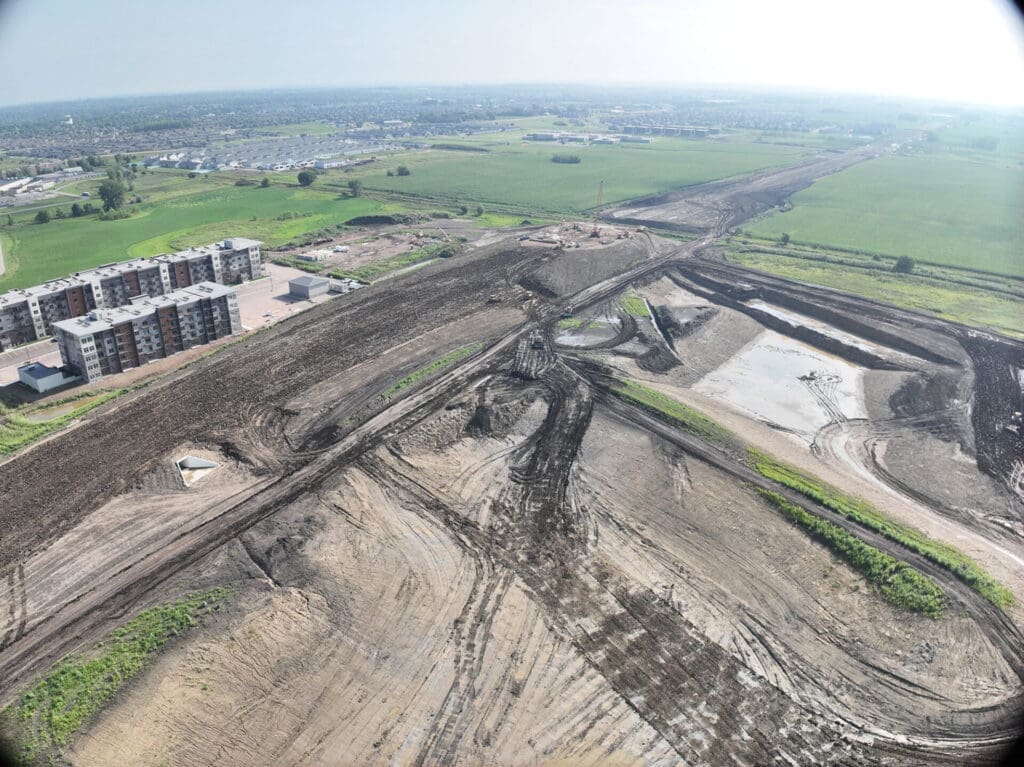
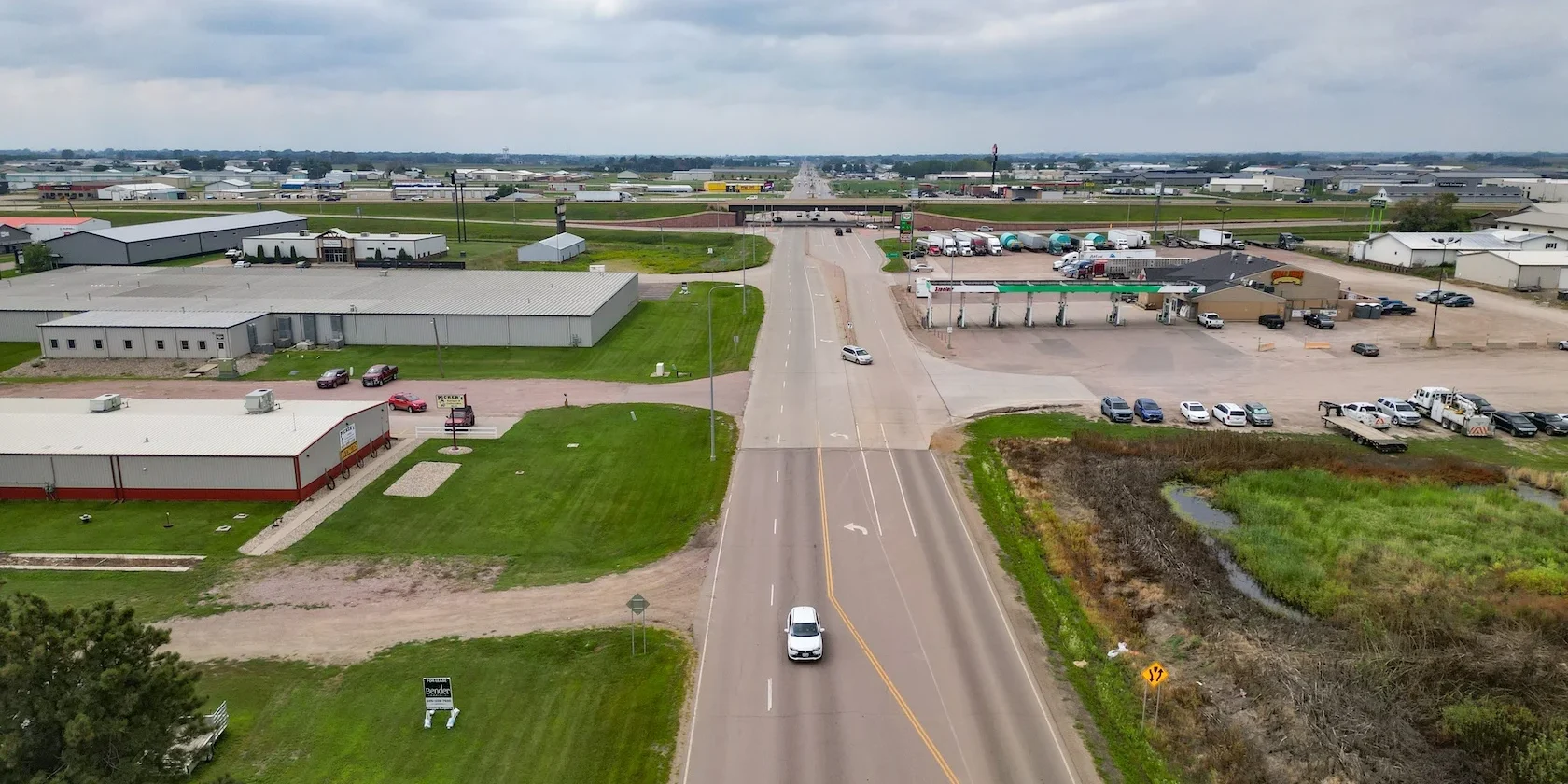
Building the first new interchange in 15 years close to the confluence of two interstates brings its share of complexity.
At one point, Sioux Falls public works director Mark Cotter checked in with engineering programming manager Shannon Ausen on how plans for the new interchange at 85th Street at Interstate 29 were progressing.
“Shannon would have a response from the agencies (involved in approving it). I would check in and say, ‘How were the review comments?'” Cotter said. “She would say: ‘We got them today. There were 287 review comments. I’ll get started on them.'”
The interchange plan already had been more than a decade in the making. But now, there were 287 more comments requiring a response.
“And there’s no inflection in her voice. It’s just: ‘I’ll get started. ‘I feel pretty good I can get through them in the next 10 days,'” said Cotter, who has known Ausen since they were engineering students together at South Dakota State University. “And you just go, ‘Oh my gosh.'”
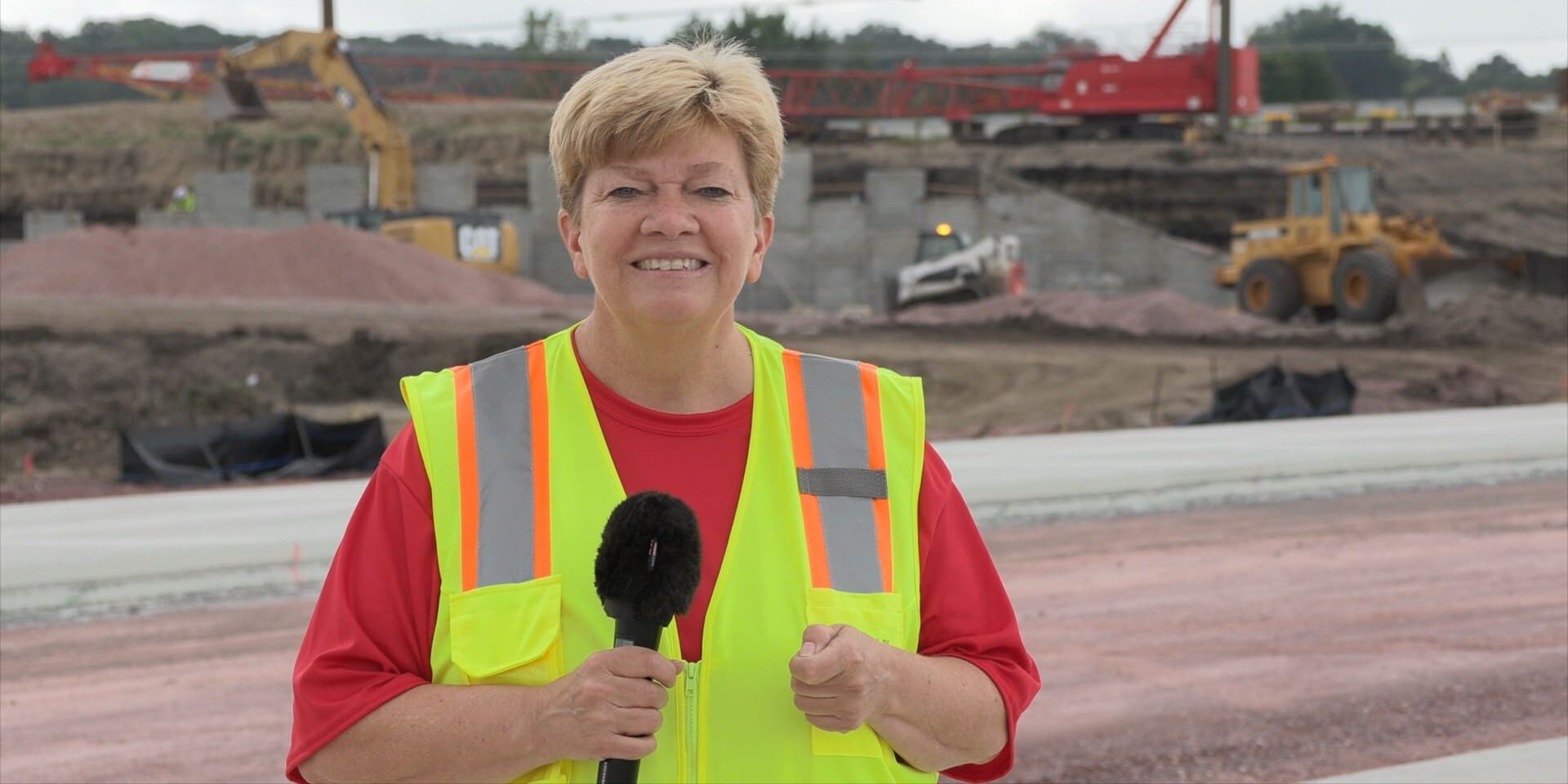
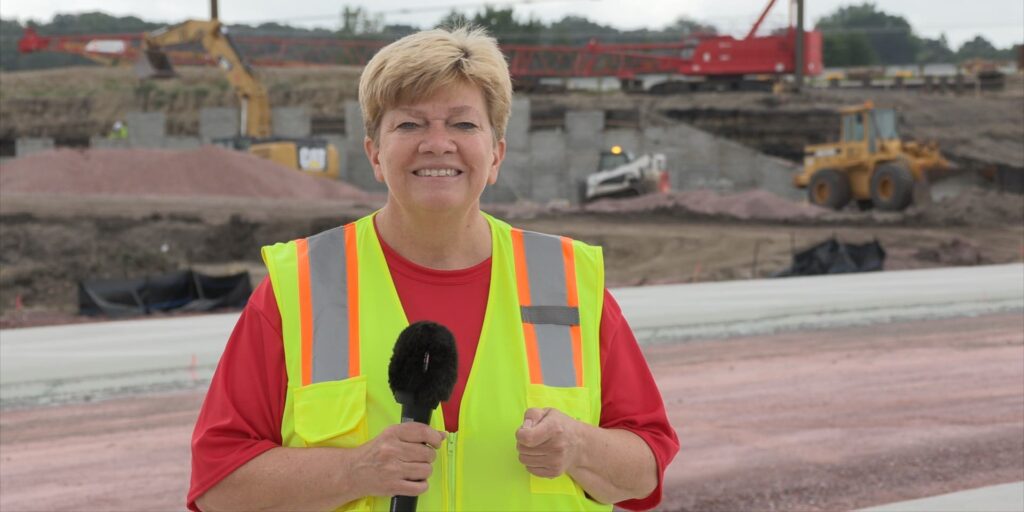
Ausen, who has served in city government since she was a 20-year-old college student, retires this week after almost 34 years of putting her engineering skills to work supporting some of the most impactful transportation projects in Sioux Falls history.
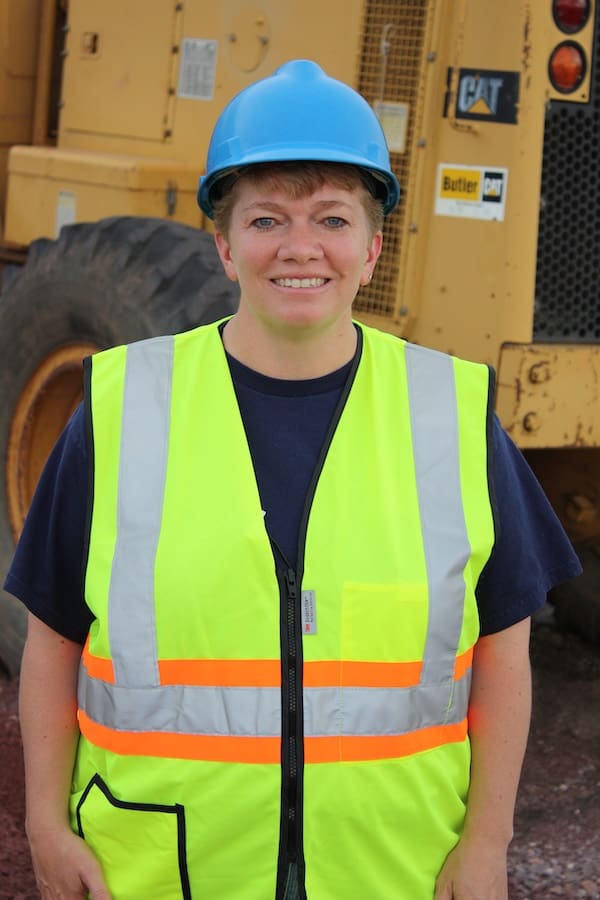
“It’s been quite a ride” she said. “I have asked retirees before, ‘When will you know?’ and they kept saying, ‘You will just know.’ It’s time. Thirty-three years is a long time.”
Ausen “has been a cornerstone of public works for more than three decades,” Cotter said. “Her leadership and passion helped shape the Sioux Falls we know today.”
Career engineer
Growing up in nearby Beaver Creek, Minnesota, Ausen remembers her teen years in Sioux Falls for how “we’d always cruise the loop,” she said. “It was kind of funny because I was one of those folks who closed the loop down. So it was perfect irony.”
Her father, who gained engineering skills as a civilian in the National Guard, encouraged her and her sisters to pursue careers in fields typically dominated by men.
“It certainly still has been male-dominated,” she said, noting that as she retires, the department has a record four female engineers on staff.
She started in city government as a summer job in 1989, working as a college student. A retirement right before she graduated from SDSU in 1992 opened the door for a full-time role.
Ausen was hired as an engineer in traffic and transportation, which was a separate division under the city’s former commission form of government. The Public Works Department was created in 1994 with the change to a strong-mayor form of government.
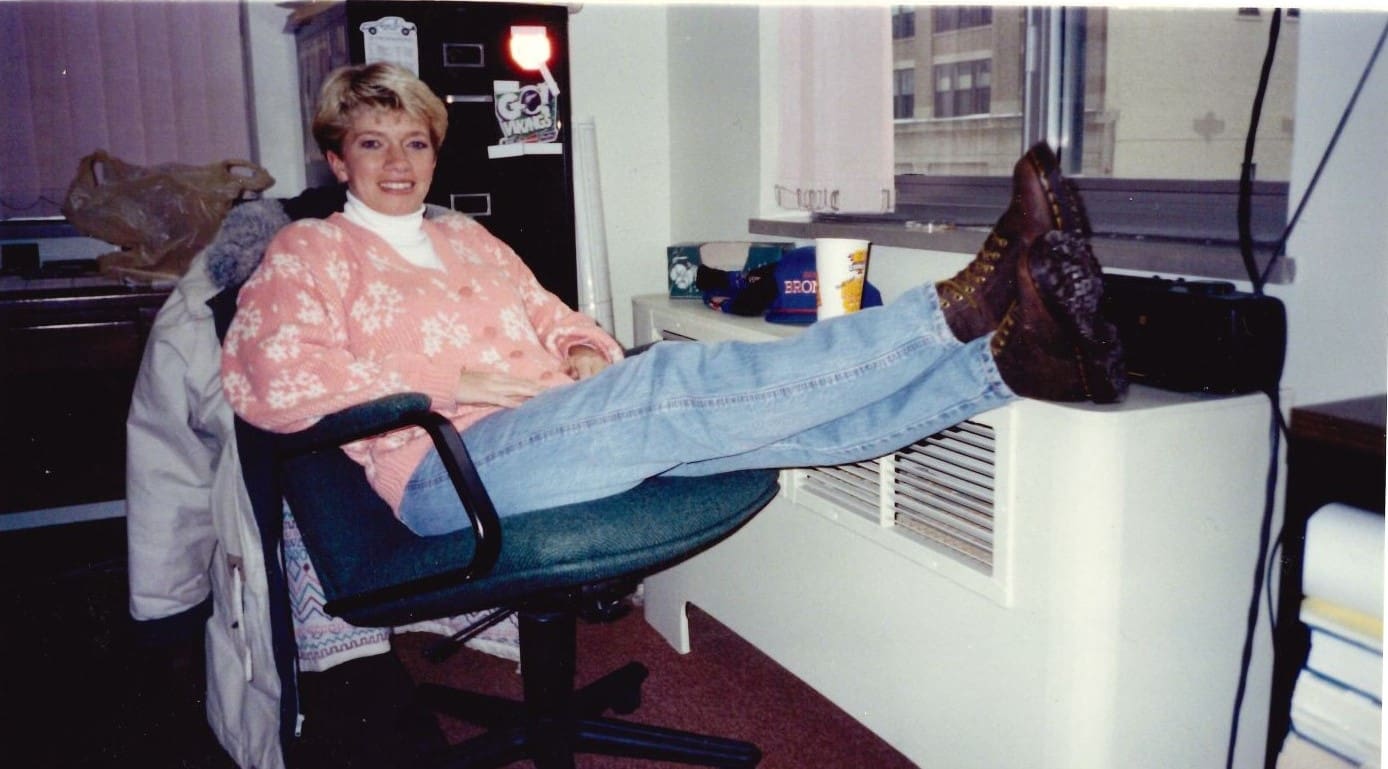
Throughout her years, she has been struck by the city’s “willingness to try new things,” she said. “To be involved on the forefront.”
When she began, 57th Street was the growth boundary for Sioux Falls to the south, Marion Road to the west and Sycamore Avenue to the east.
“Seeing it never stop growing was the crazy part,” she said. “A lot of my job was more on the transportation design and planning side, and then as soon as we got to construction, I turn it over to the construction team.
Early in her career, she was part of the first conversations on what would become a decades-long endeavor: the development of an east-side corridor that ultimately became Veterans Parkway.
“I’m sure she was in the room when we were talking about where it could actually go,” said Kevin Smith, who served as assistant director of public works and as assistant director of planning and development services before retiring late last year.
“Shannon has been integral in everything from the public engagement meetings, which were often very challenging, to present day where it’s land acquisition for the final segments and including construction.”
For Ausen, the 17-mile east-west corridor is her proudest accomplishment. The end is in sight, with the last two segments potentially bidding this year and next.
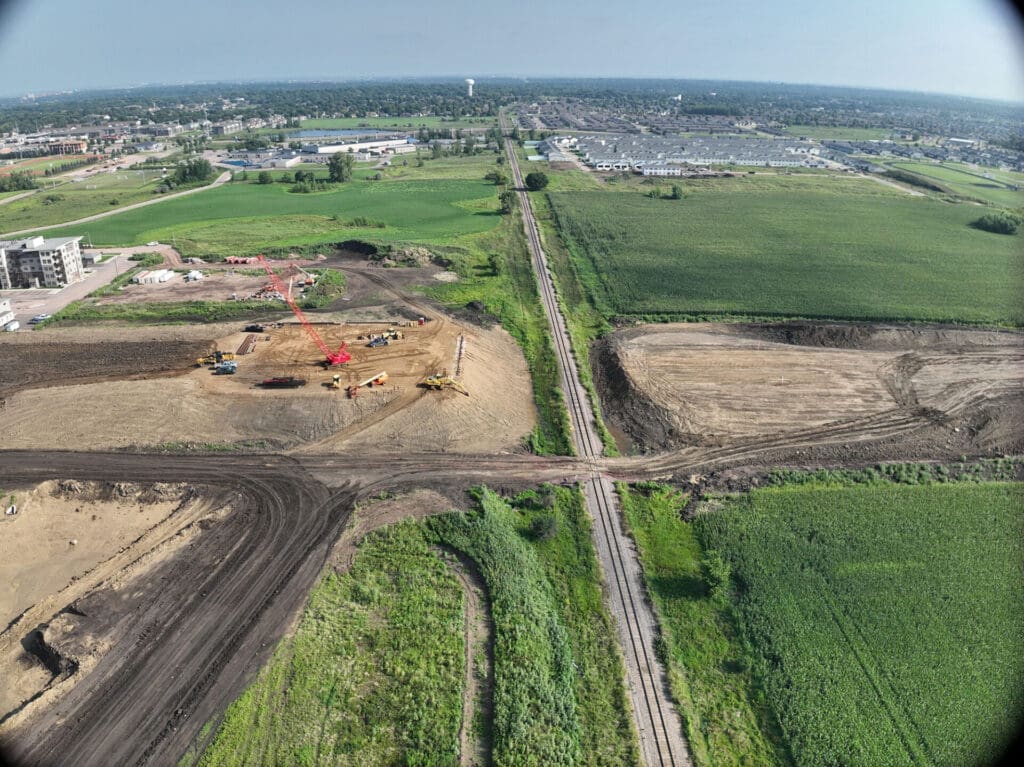
In the 2000s, her workload included supporting the Phillips to the Falls road construction project and responding to a massive sewer backup event days after her wedding.
“I didn’t see my new husband the first three months of our marriage. We had people flooded, and it was a challenge, but I’m so proud of that work. We had a tremendous amount of people who pulled together and made improvements in 2005 and 2006 that have definitely benefited that part of the city,” Ausen said.
Her annual tasks included playing a key role in the city’s five-year capital improvement program, which establishes timelines for major road projects and other infrastructure work.
“Just about every road we build or expand needs additional right of way, so it’s not only designing the improvements but having a holistic approach to get appraisals, make sure we’re meeting with property owners and ultimately getting to a point we can purchase land to expand these roads,” Cotter said. “She keeps all those efforts moving forward.”
She also helped Sioux Falls drivers learn to navigate changing road designs, from single-point interchanges to roundabouts and diverging diamond interchanges.
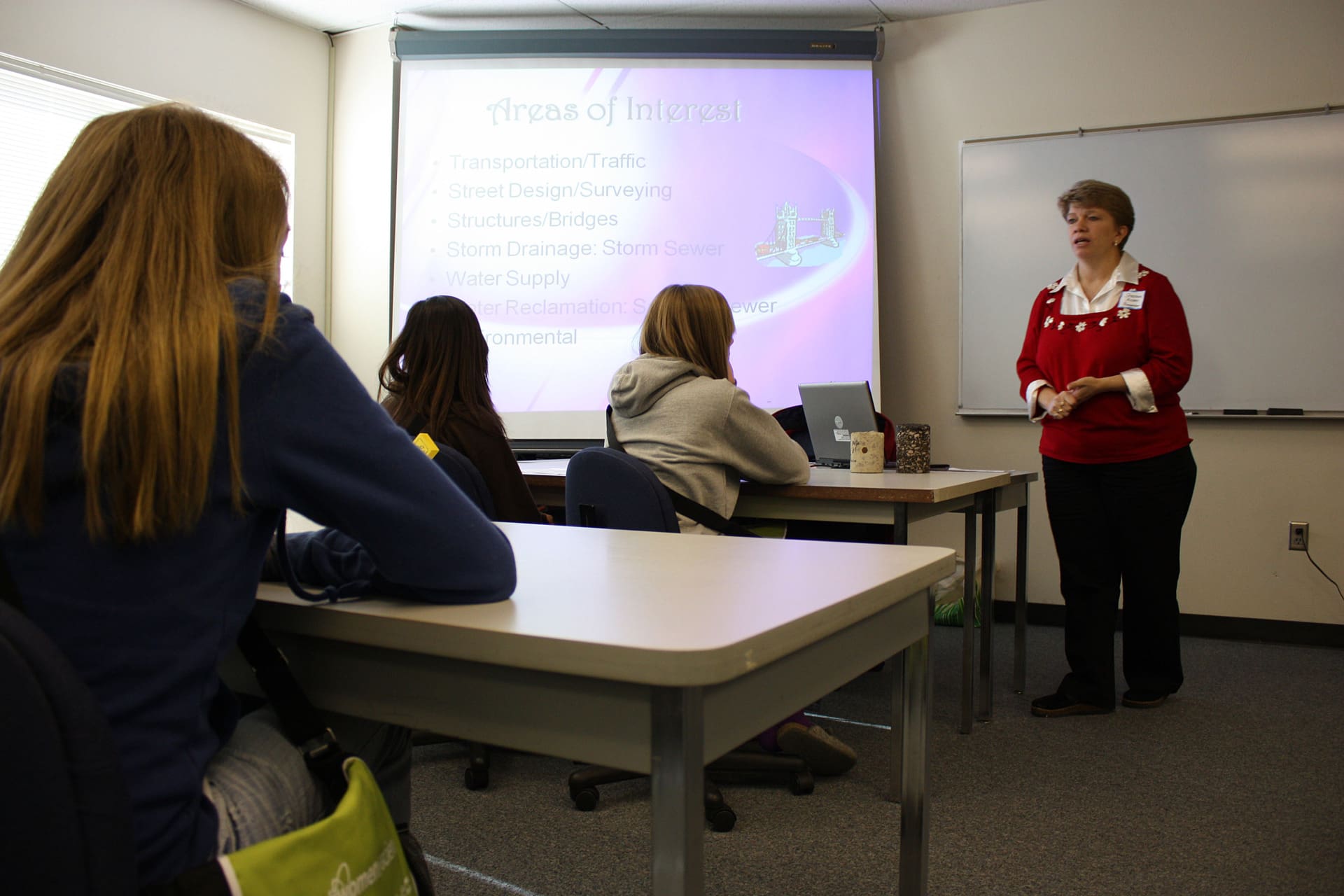
“I sincerely just love what I do,” Ausen said. “I get to educate the public. I get to talk about transportation and transportation planning and where roads are going to be. It’s what’s truly motivated me all these years. It’s a fun career for me. I’ve just really enjoyed what I’ve been doing.”
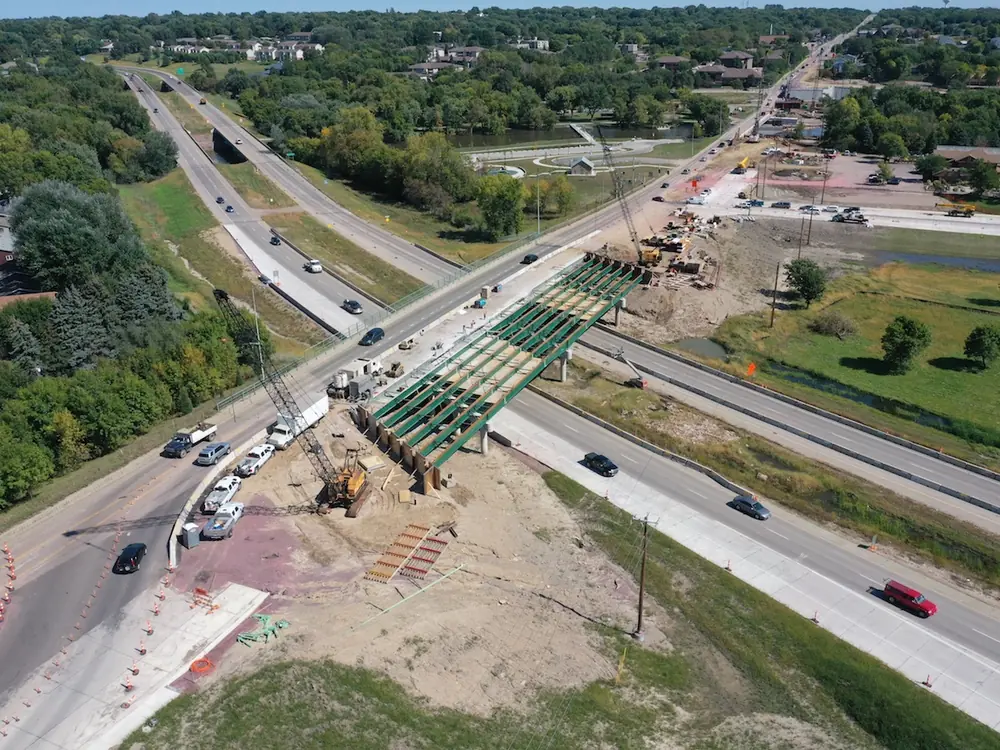
Her resume is found in major road improvements in every corner of the city, including the the 26th Street/Southeastern Avenue/Interstate 229 project in 2019-20, which overcame severe flooding, ice jams, a tornado and the pandemic.
“We built it while under construction,” she said. “We had to build it half at a time while keeping it open to traffic, with very tight working limits, and we had to maintain access to Leif Ericson, Cliff Avenue Greenhouse and the bike trail. We had to relocate Rotary Park from the east to west side. … It was a project that had so many challenges, and now when trains go by no one even remembers how bad that intersection used to be.”
Ausen’s dedication throughout her career was “amazing,” Cotter said.
“She keeps so many plates spinning and does it effortlessly and with a smile on her face, just the schedule she kept and the level of detail at any time she could speak to is extraordinary.” he said. “One of Shannon’s defining traits has always been her passion for solving complex challenges. The more difficult the project, the more excited she became to put the pieces together.”
Communicator, collaborator
For years, Ausen has served as the primary liaison between the city’s Public Works Department, the South Dakota Department of Transportation and the the region’s metropolitan planning organization.
“For so many people at DOT, she’s the contact at the city,” said Travis Dreesen, region engineer for the state department.
“A lot of people think public involvement is not something very important, and that’s one of the first things Shannon brings up. How are we going to communicate this to the public and get their input?”
Ausen’s institutional knowledge is significant, Dreesen added.
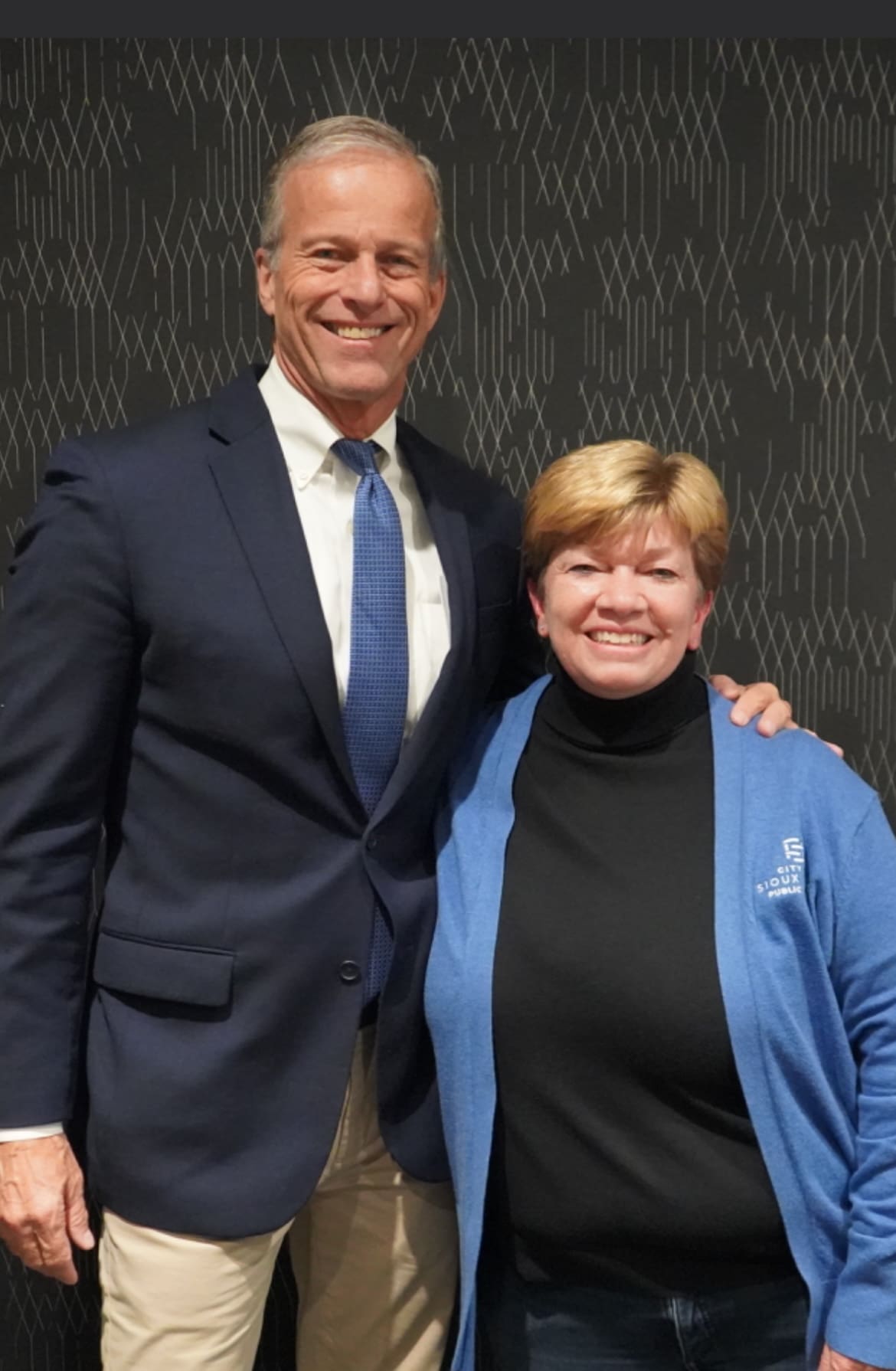
“If you need to know anything about the history of Sioux Falls and the growth of transportation and development, Shannon is the go-to person,” he said.
“She’s probably been to more public meetings than anyone I know, and despite the issues, whether it’s good or contentious, she’s got a smile on her face and is engaging people.”
Smith attended several such meetings with Ausen last year as they visited metro communities to meet about shared growth boundaries being established with the city of Sioux Falls.
“She is very good at listening to the public’s comments and expressing a level of empathy to what they’re experiencing and finding ways to turn that into modifications to a project — large and small,” Smith said.
“You have to be able to communicate complicated concepts so people understand without feeling like you’re talking down to them, and that is a gift. But with the people that are good at it, and Shannon is one of them, her sincerity comes through, and people sense that.”
Cotter agreed.
“She makes people feel heard and then incorporates that into our design,” he said. “The designs get better when people get involved. She really valued getting the message out and getting really good input.”
Ausen also has served as a face for her department for 20 years, hosting a program on CityLink highlighting public works.
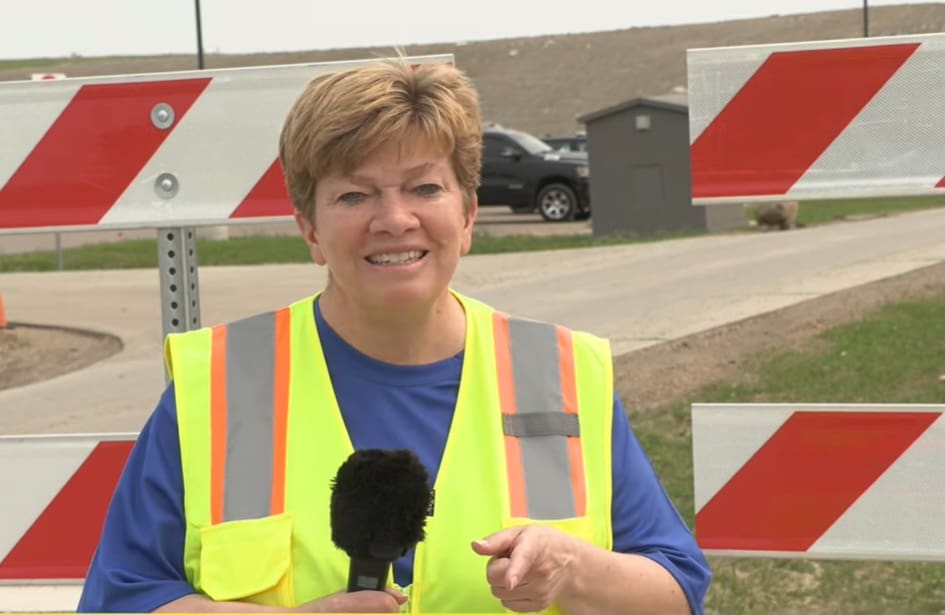
“She did that to help residents understand not only what the city was building but why these projects mattered,” Cotter said.
For her part, “I love that show,” Ausen said. “I also speak to civic groups so many times a year, just talking about street construction, and people are so nice and just want to learn … so there are great opportunities. I’m always amazed by the public works teams. I think we’re everyday heroes. We’re behind the scenes, and we get the job done, and no matter what the ask, we’re here to help.”
Ausen “is just as enthusiastic today as the first day we started working together, which is rare. It’s just rare,” Smith said. “The city is going to miss her, and by that I mean the community — in terms of how she bridges public communication into construction outcomes.”
In retirement, Ausen plans to spend more time with her family — she has children in high school — while remaining in Sioux Falls and potentially helping as the city transitions her role, she said.
To that point — “you don’t replace someone like Shannon,” Cotter said. “You honor their legacy by continuing the work they cared so deeply about.”