Can employees be fired for what they post on social media? What employers need to know
March 12, 2026
This piece is sponsored by Woods Fuller.
By Tom P. Schartz, Woods Fuller associate
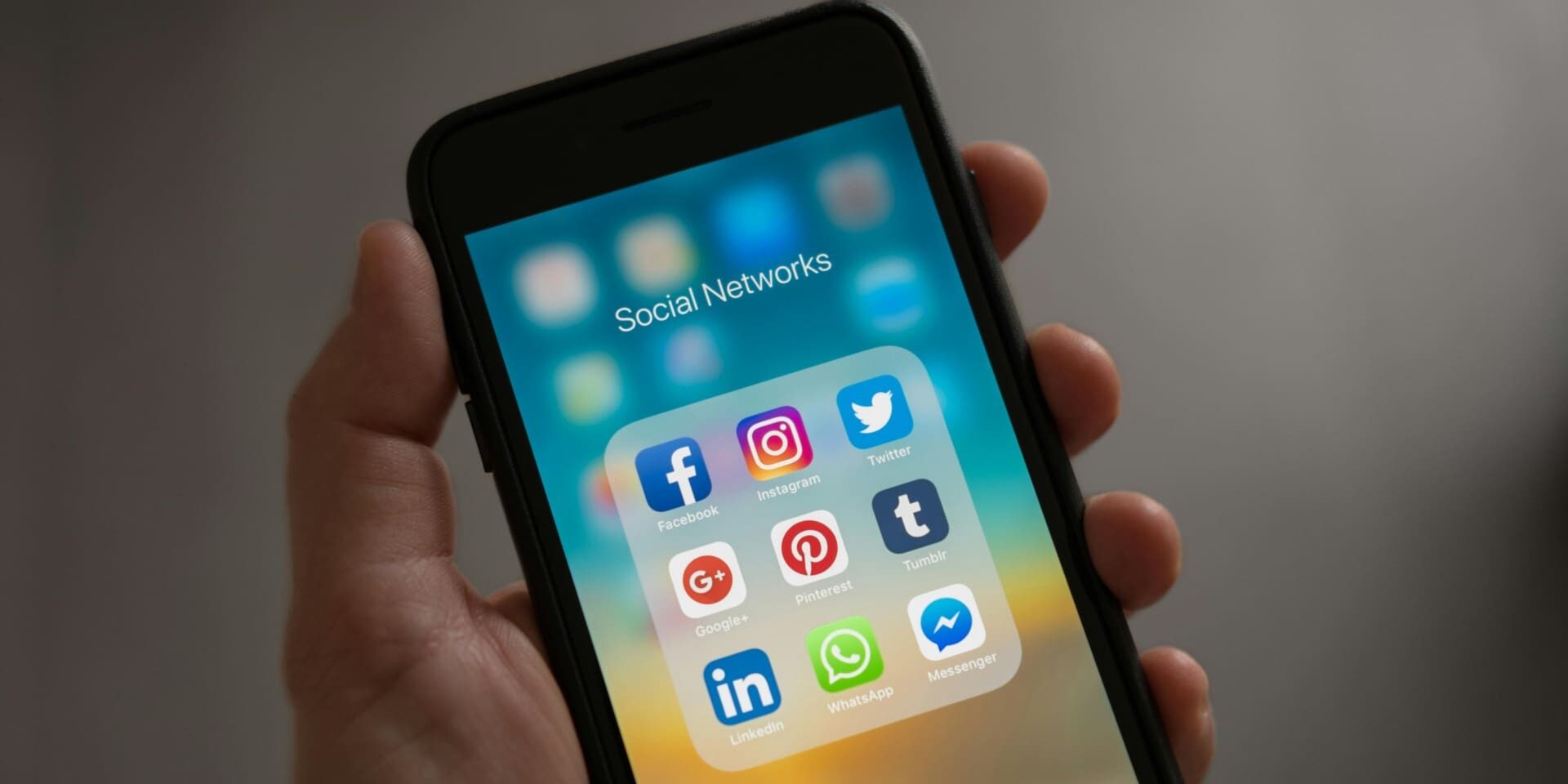
Social media continues to reshape workplace dynamics, and the rules governing what employers may regulate — and how they respond when posts spark problems — can shift just as quickly. Viral videos, off‑the‑clock rants and employees organizing online have become usual challenges for businesses of all sizes. For employers, the key is understanding where your authority begins and ends, and how to craft policies that protect your organization without stepping into legally risky territory.
The First Amendment: When ‘free speech’ does — and does not — apply
A common misconception among employees is that the First Amendment gives them broad protection to say whatever they wish online without consequences at work. In reality, the First Amendment restricts government action; it does not — except for very rare exceptions — limit what private-sector employers may require of their employees. That means most businesses have significant flexibility to set expectations about online conduct, including prohibiting posts that harm the company’s reputation, disclose confidential information or undermine workplace safety or professionalism. In other words, for most private employers, the First Amendment rarely constrains your ability to enforce a lawful and well‑crafted social media policy.
The NLRA: The real source of online employee protection
Where employers often run into trouble when attempting to regulate employee speech is not the First Amendment but the National Labor Relations Act. This law, passed in 1935, protects both unionized and nonunionized employees when they engage in concerted activity to improve workplace conditions. That protection extends to social media posts — sometimes even when an employee is posting alone — if they are seeking support from co-workers or commenting on issues like pay, schedules, staffing or workplace safety.
In recent years, the National Labor Relations Board, an independent federal agency charged with enforcing NLRA protections, has taken an especially close look at employer social media policies that could discourage this kind of concerted activity. Social media policies that appear neutral on their face can still be unlawful if a reasonable employee might interpret them as restricting protected conversations about working conditions. For example, broad prohibitions on “negative posts,” “disparaging comments” or “sharing company information” have been struck down because employees could fear they apply to protected organizing or discussions about wages.
This does not mean employees have unlimited freedom online. Posts that are maliciously false, reveal private or unlawfully obtained information, advocate insubordination or include bullying, threats or harassment fall outside the NLRA’s protections. But if your policy would cause an average employee to hesitate before speaking up about protected workplace concerns, it likely needs revision.
Other federal laws that protect certain online complaints
Beyond the NLRA, several federal employment laws include anti‑retaliation provisions that may shield employees who speak out online. Laws such as Title VII, the Americans with Disabilities Act, the Family and Medical Leave Act and the Fair Labor Standards Act protect workers who voice concerns about discrimination, harassment, safety, pay practices or leave rights — even if those concerns are raised publicly on social media. These protections generally apply as long as the employee is acting in good faith, meaning they genuinely believe a practice made unlawful by one of these laws has occurred.
Because these protections overlap with social media activity, employers should tread carefully. A post complaining about discrimination or wage issues may be deeply frustrating or even factually inaccurate, but that does not necessarily mean disciplinary action is appropriate. Quick, emotion‑driven reactions often escalate into legal claims that could otherwise be avoided with a more measured approach.
Building better social media policies in 2026
Today’s most effective workplace social media policies share a common trait: They focus on specific, legitimate business needs rather than sweeping restrictions. Employers should explain the reasons behind certain rules such as protecting confidentiality, preventing harassment, maintaining professional reputations or ensuring safe use of company systems. Providing examples helps employees understand expectations without feeling chilled from discussing workplace conditions.

Another key component is acknowledging that employees have certain rights to discuss their working conditions or participate in legal organizing activities — especially under the NLRA. This does not weaken your policy; rather, it helps clarify its scope and reduces the likelihood that an employee or agency will interpret your rules as overly broad.
What employers should avoid are blanket bans on social media use, overly vague “civility” requirements and heavy reliance on disclaimers stating that the policy does not limit protected rights. While disclaimers have their place, they often are too broad to convey useful information and will not save a policy that is otherwise too restrictive.
When a post goes sideways: How to respond thoughtfully
Even the best policies cannot prevent every issue. When a concerning post surfaces — whether it is inaccurate, inflammatory or simply embarrassing — employers should respond promptly but not hastily. The first step is to document what was posted and assess whether it relates to working conditions or whether it could be considered protected activity. Reviewing past enforcement ensures consistent treatment, which is critical for defending decisions later.
Employers should involve HR or legal counsel early, especially when the post touches on topics that may be protected under the NLRA or anti‑retaliation laws. While it may be tempting to immediately demand that an employee delete or hide a post, that decision should be deliberate. In some cases, deletion may be appropriate; in others, it may amplify the reputation risk or create legal complications. A careful, fact‑driven approach helps avoid unnecessarily escalating the situation.
Training managers also is essential. Many legal missteps occur because a supervisor reacts emotionally or doesn’t recognize the legal protections at play. Empowering leaders with clear guidance reduces these risks significantly.
Keeping policies fresh in a rapidly evolving environment
Social media norms evolve quickly and so do the legal standards that govern workplace policies. Changes in NLRB interpretation, shifts in enforcement priorities and new administrative decisions all influence how NLRA protections are applied. Because of this, employers should review their social media policies regularly — ideally at least once a year — to ensure they remain compliant and effective. A proactive review can prevent costly litigation and help maintain a respectful, transparent and legally sound workplace culture.
Key takeaways
While the First Amendment rarely applies in private employment settings, the NLRA and various federal anti‑retaliation laws create meaningful limits on how employers regulate online activity. Policies that are vague or overly broad pose the greatest risk, while well‑tailored, clearly explained rules are far more defensible. Employers who train managers, respond thoughtfully to problems and keep their policies updated will be far better positioned to navigate the fast‑changing landscape of online speech.
The Employment Law team at Woods Fuller helps employers navigate these and other complex workplace issues.