Bank employee intervenes at gas station before scam could occur
May 9, 2025
First Bank & Trust employee Ethan Gette was on his lunch break at a gas station recently when he unexpectedly stepped in to stop a scam.
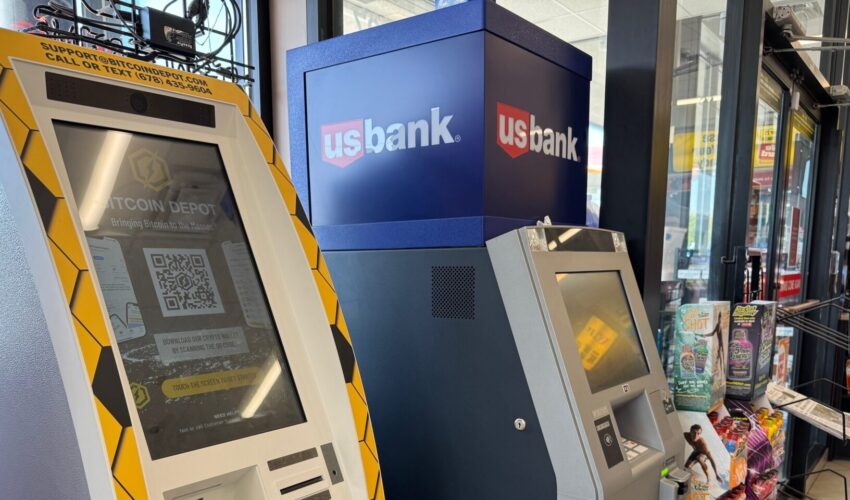
Gette was inside the convenience store when he noticed someone putting money into a bitcoin machine. The person was on the phone and looking “visibly distressed,” and Gette sensed something was off.
He approached and asked if the person was OK.
It turned out, the individual was facing a scammer — being pressured to send money immediately or face arrest.
“I could tell they were scared, and the situation didn’t seem right,” Gette said. “I just asked a few questions, and when I realized what was happening, I explained that this was a scam. Thankfully, we were able to alert the police and save the individual from losing more money.”
Unfortunately, scams like these are becoming increasingly common, according to First Bank & Trust.
According to the Federal Trade Commission, consumers reported losing more than $12.5 billion to fraud in 2024. While online scams resulted in the highest total losses, traditional contact methods like phone calls, texts or emails accounted for $1.9 billion in losses, with data showing that individuals who interacted with scammers over the phone lost more per person than through other methods.
“Scammers are constantly finding new ways to manipulate people, and the financial losses can be devastating,” said Adam Kniffen, First Bank & Trust Sioux Falls market president.
“If something feels suspicious, take a step back. Don’t send money, and contact your bank for guidance.”
Keep your finances secure by staying diligent, he added. Well-known tips like never providing account log-in information or always being suspicious when the caller is insistent that you take immediate action can help you remain secure. If you think you may be caught in a scam, let your financial institution know.
“If you think you are a victim of fraud, notify your bank as soon as possible. They may be able to stop the transaction,” Kniffen said. “Setting up balance and transaction alerts, checking your accounts regularly and never sharing your banking information are all good steps toward protecting yourself.”