Around-the-clock care for kids
July 30, 2024
This paid piece is sponsored by Sanford Health.
It can be scary to think about what to do when a child is experiencing a serious illness, injury or chronic condition.
But here in Sioux Falls, among the 135 pediatric specialists at Sanford Children’s Hospital, the critical care team is ready to provide the highest level of care for children in emergency situations.
The pediatric critical care unit is made up of six departments: emergency medicine, neonatal intensive care, pediatric intensive care, surgery, trauma and Sanford AirMed. Each of these departments offers 24/7 coverage from trained providers, and that’s not a coincidence – it’s a standard.
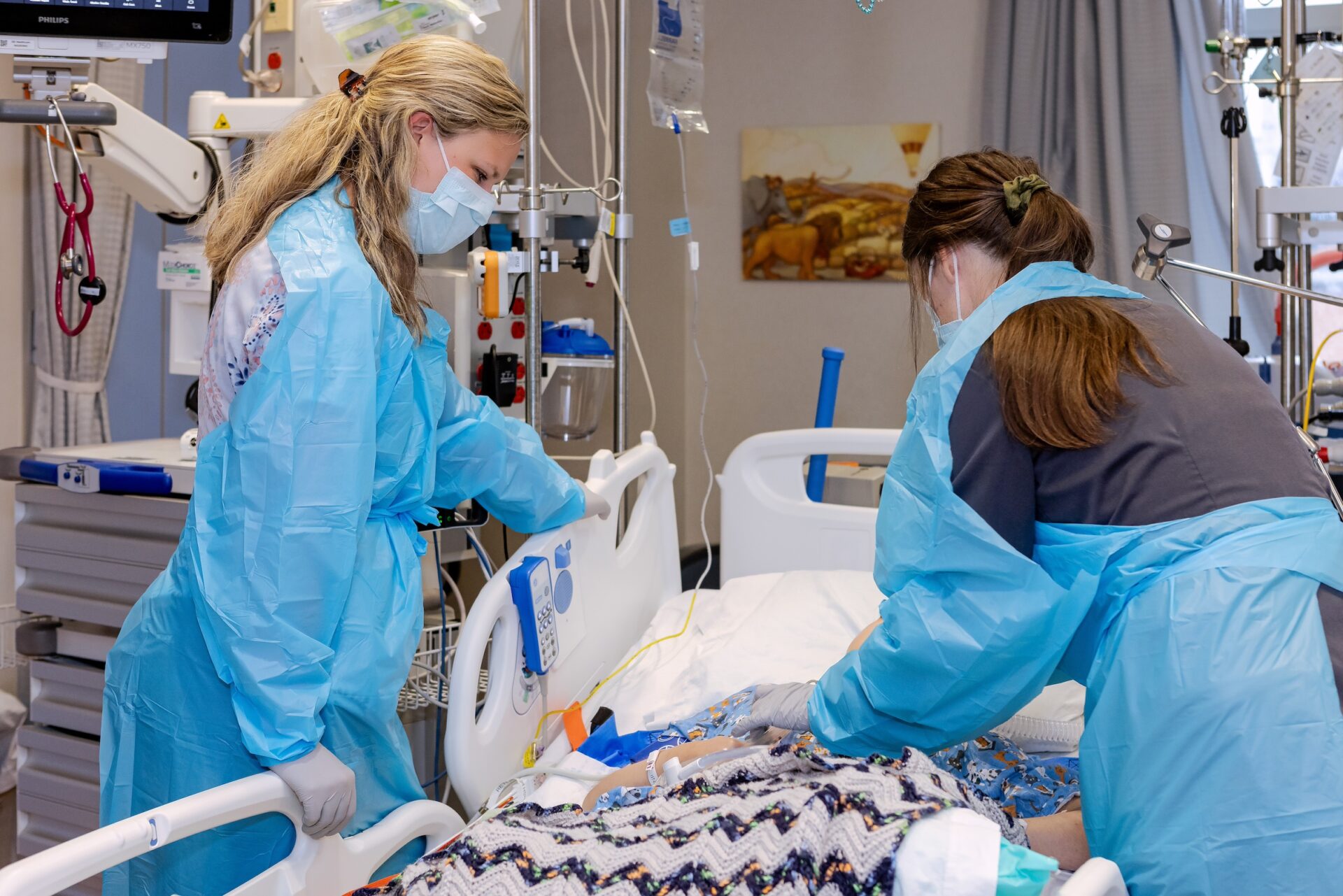
“As a parent, I would want to go somewhere where the experts are at my child’s bedside in a moment’s notice,” said Erin Thurlow, director of pediatrics, the pediatric intensive care unit and child life at Sanford Children’s Hospital. “So that’s an expectation for us.”
Sharing knowledge to improve care
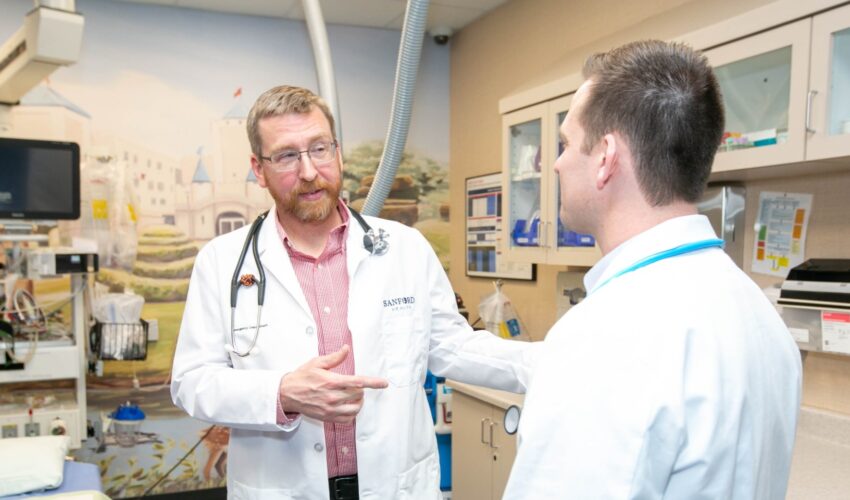
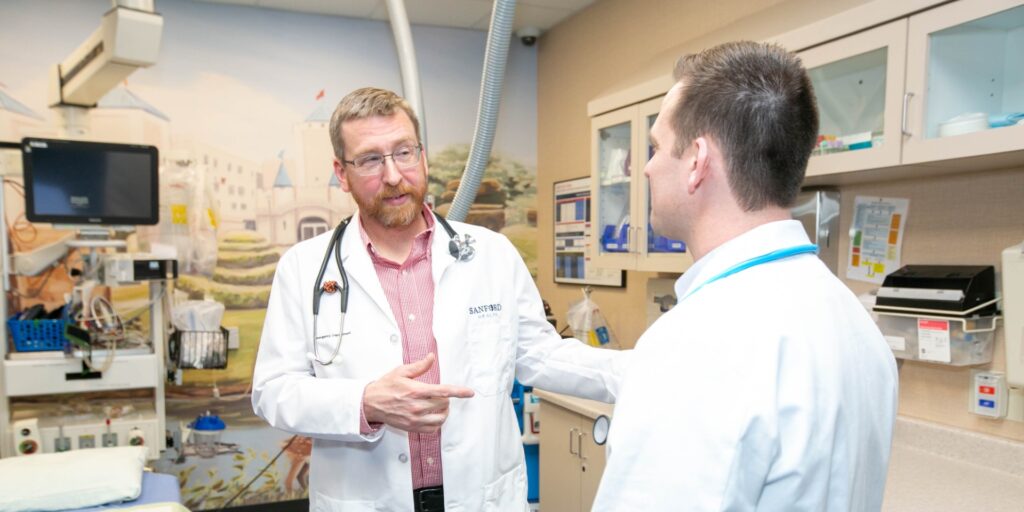
Before Dr. Jody Huber can start her rounds each morning, she checks in with her colleagues about what happened overnight. As a pediatric intensivist and department chair of the PICU, it’s important she knows what’s going on with each patient.
“The PICU has a team-based culture,” Huber said. “Our unit would not be able to provide the care it does without all of our members.”
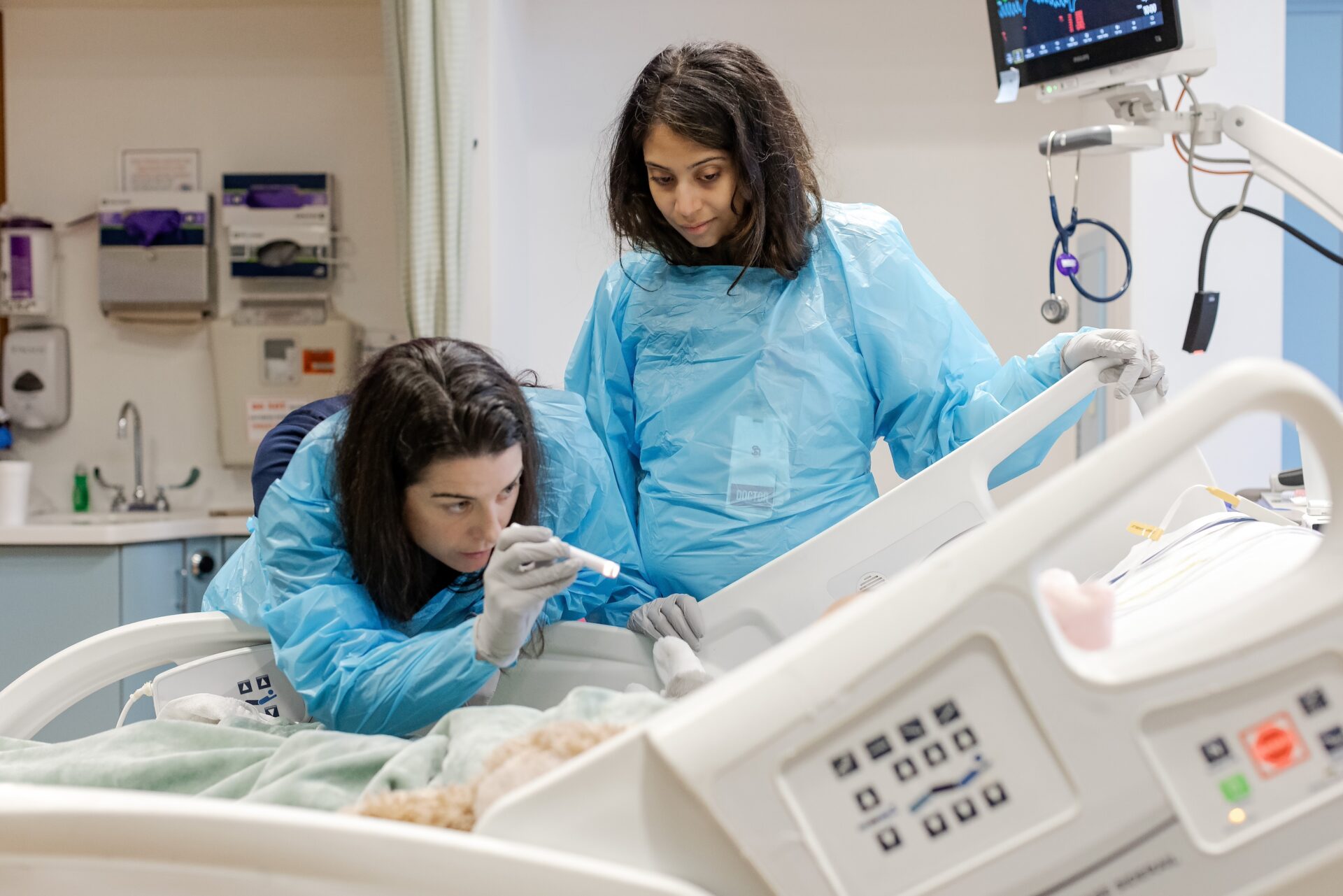
In addition to bedside rounding, or checking in on patients, as a multidisciplinary team, there are opportunities for other physicians to offer insight during a separate daily meeting that also includes social workers, case managers, the chaplain and a dietitian.
Collaboration like this doesn’t just start and stop in the PICU. Every department in the critical care unit relies on the other to provide leading care for children.
As the region’s only Level IV neonatal intensive care unit, Sanford Children’s Hospital is specially qualified to provide the highest level of care for critically ill newborns. These babies might have been born premature, had a high-risk birth or have a serious health condition that needs monitoring in their earliest days.
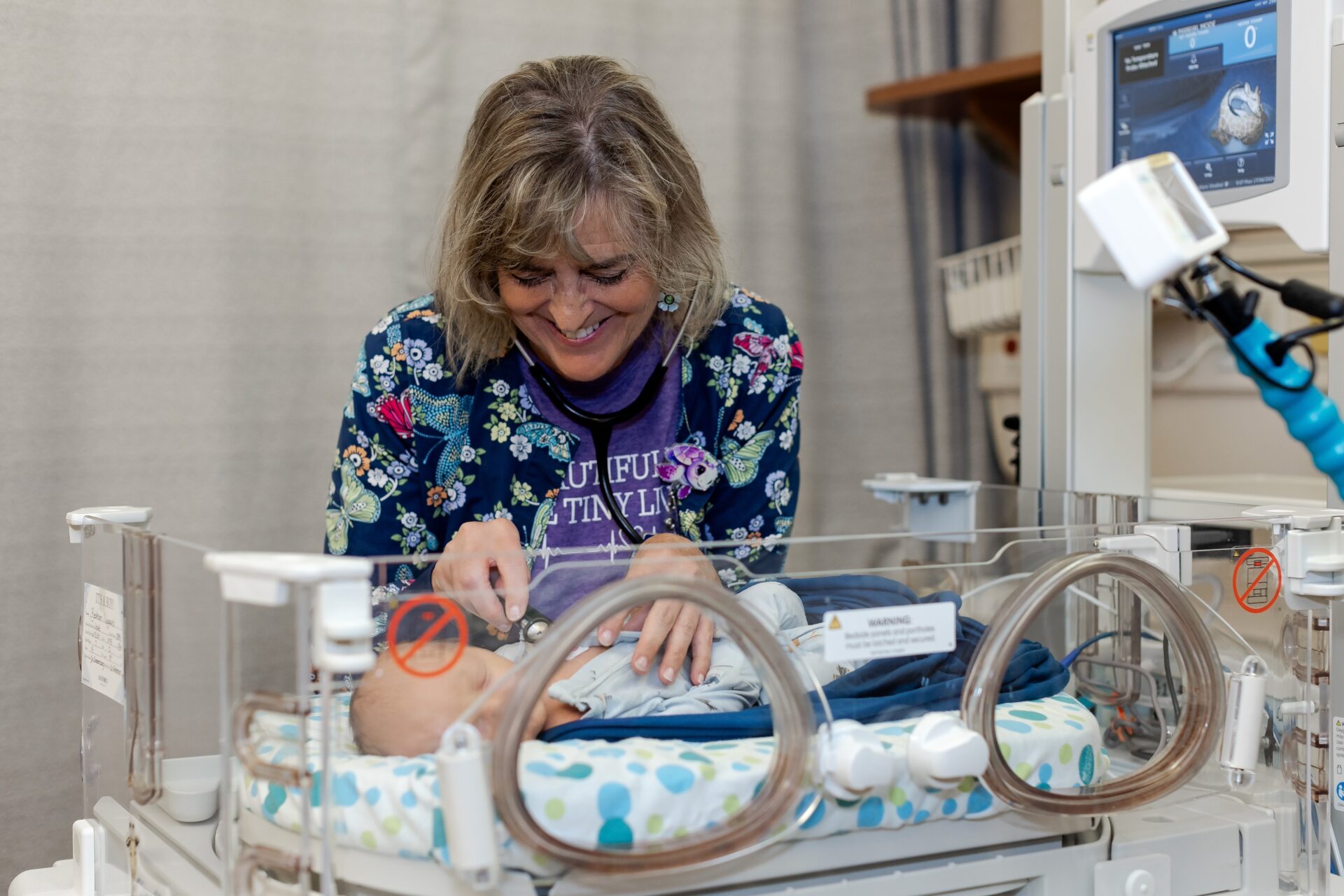
Sometimes, babies who spent time in the NICU graduate into the PICU or come there with a complication. When that happens, it’s important for their current and past providers to stay closely connected.
“There is a lot of consulting,” Thurlow said. “It’s not rare to see neonatologists and PICU providers rounding with each other.”
Working together in high-pressure situations
Collaboration happens across the miles too. Even in the most remote areas, Sanford Health makes sure children have access to high-quality critical care when they need it most.
When Sanford AirMed, an air ambulance service, is called to rural areas, trained providers start lifesaving care as they make their way to Sioux Falls, keeping in touch with those back on the ground.
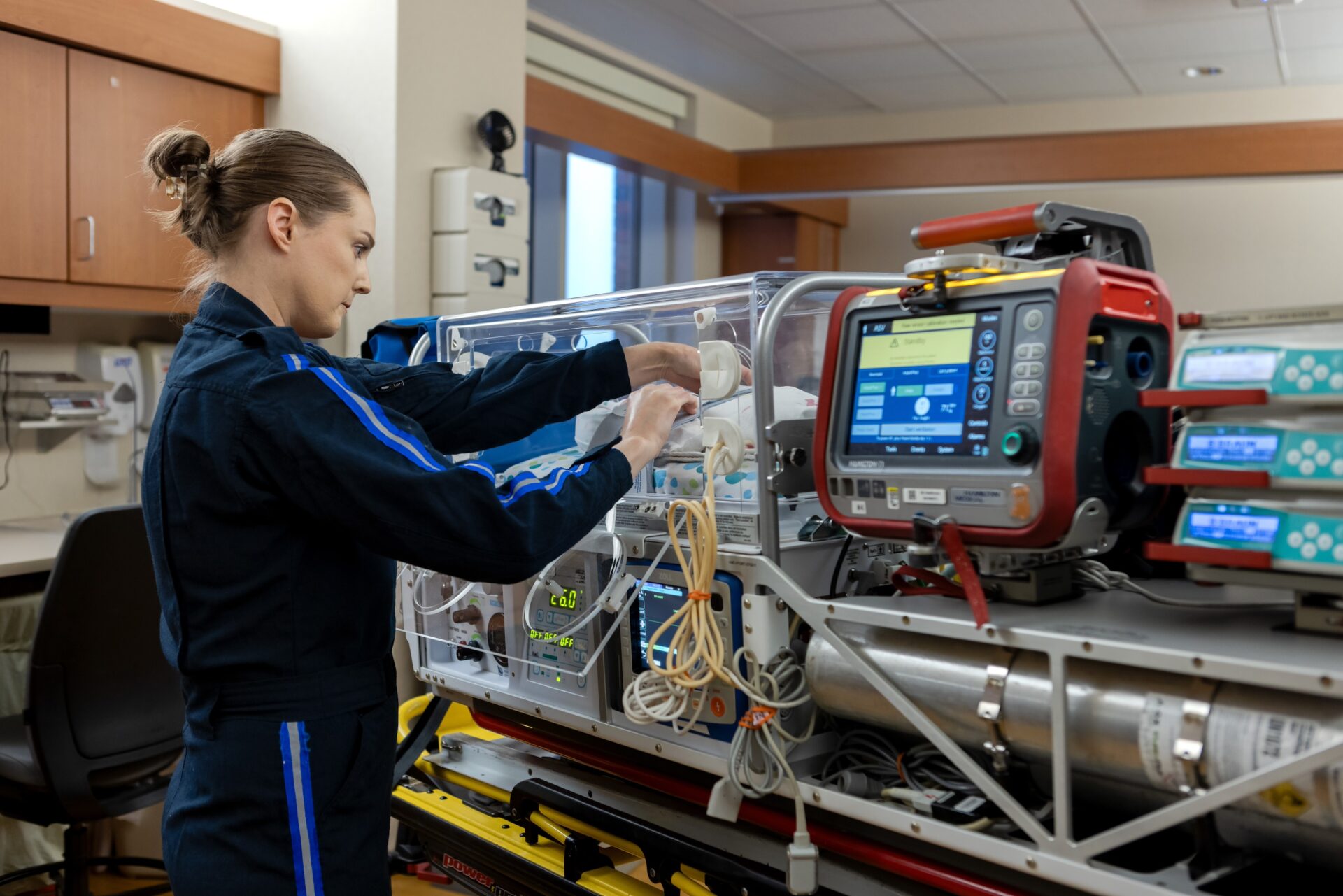
“We have dedicated pediatric and neonatal flight teams that include a critical care nurse with an extensive skill set,” Huber said. “They also travel with a medic and a respiratory therapist.”
With nearly 350 flights last year, Sanford AirMed brought a child to the emergency room almost every day.
Specialized care at critical moments
No matter how they arrive, when children get to the emergency department, they need care that’s tailored to the complex needs of a young patient.
Currently, Sanford Children’s Hospital has four pediatric emergency medicine specialists. That means children are met with providers who know the biological needs of young patients and have a strong understanding of the social and emotional needs of children and their parents.
“When a child with a traumatic injury arrives in the emergency department, our team can respond immediately,” Thurlow said.
With resources like the region’s only pediatric ECMO life support program, a Level II Pediatric Trauma Center and a team of intensivists providing 24/7 coverage, Sanford Children’s Hospital is uniquely qualified to care for kids with traumatic injuries.
Together, emergency medicine specialists, pediatric intensivists, pediatric surgeons and other members of the critical care team assess injuries.
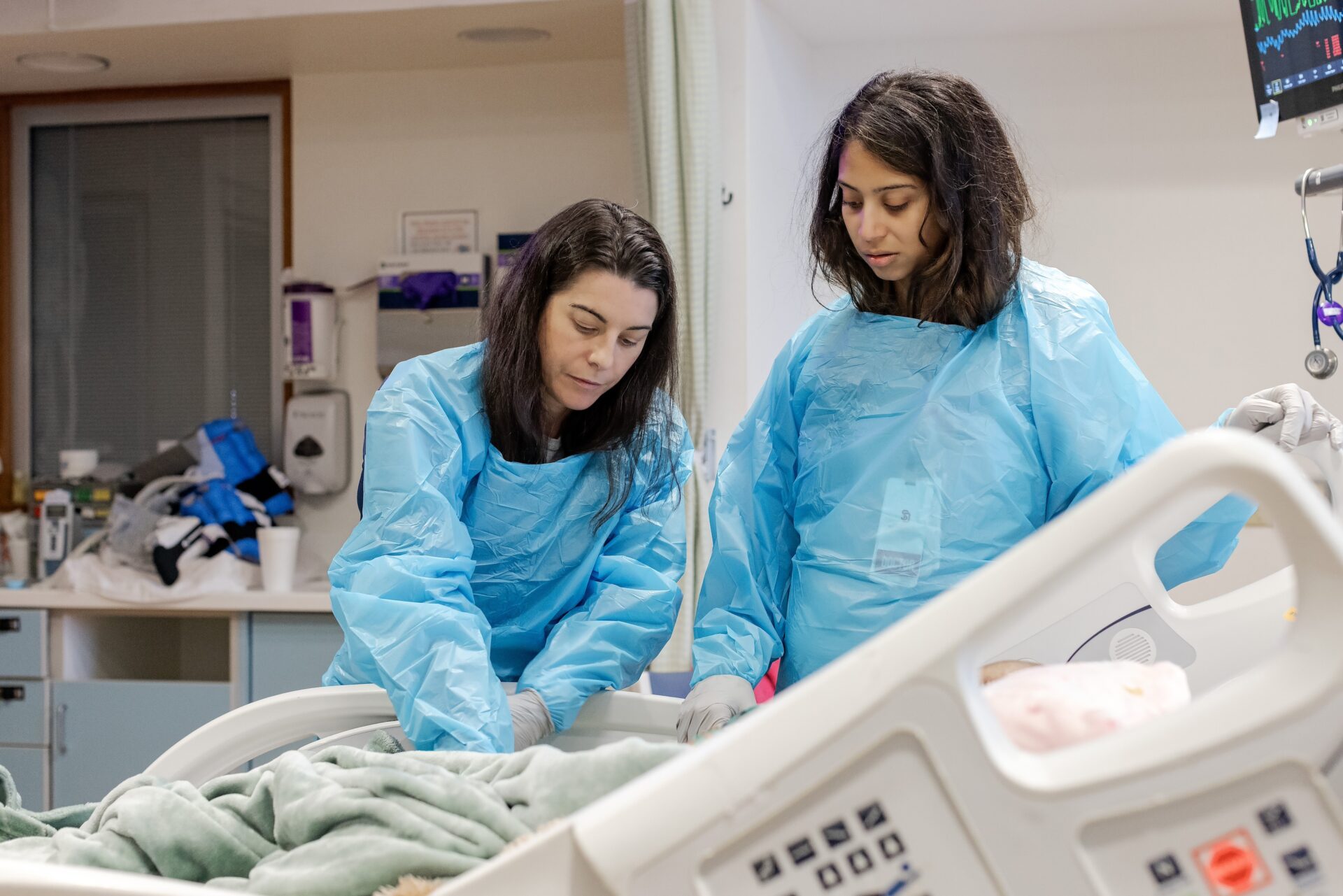
They can make decisions quickly and confidently during crucial moments.
“There is such a nice relationship between providers, nurses and the whole care team,” Thurlow said. “No one is afraid to speak up and talk about what is best for the patient.”
This culture of collaboration, which emphasizes safety, is a major part of what sets their care apart.
At Sanford Children’s Hospital, parents don’t have to think about the care their child is receiving and can focus on supporting them as they heal.
Learn more about pediatric critical care at Sanford Children’s Hospital.