High tech in the comfort of home: The growth of remote patient monitoring
June 2, 2026
This piece is sponsored by Avera Health.
Recovering at home is not only cozier and more comfortable after an illness or injury but also leads to improved outcomes and a quicker return to work and activities of daily life. The right type of care at the right time even can prevent chronic disease and hospitalizations before they happen.
For Avera@Home, remote patient monitoring, or RPM, is technology that helps ensure people are doing well at home, preventing hospitalization, serious complications, readmissions and trips to the emergency department.
Avera@Home adopted RPM technology in about 2020 after receiving a grant to develop a remote monitoring program specific to heart failure among rural patients.
“During the COVID years, everyone was doing everything we could to avoid hospitalizations,” said Desirae Toomey, director of clinical growth and innovation for Avera@Home. What started in grant funding is now a sustainable aspect of Avera’s continuum of care.
Watching vital signs from home
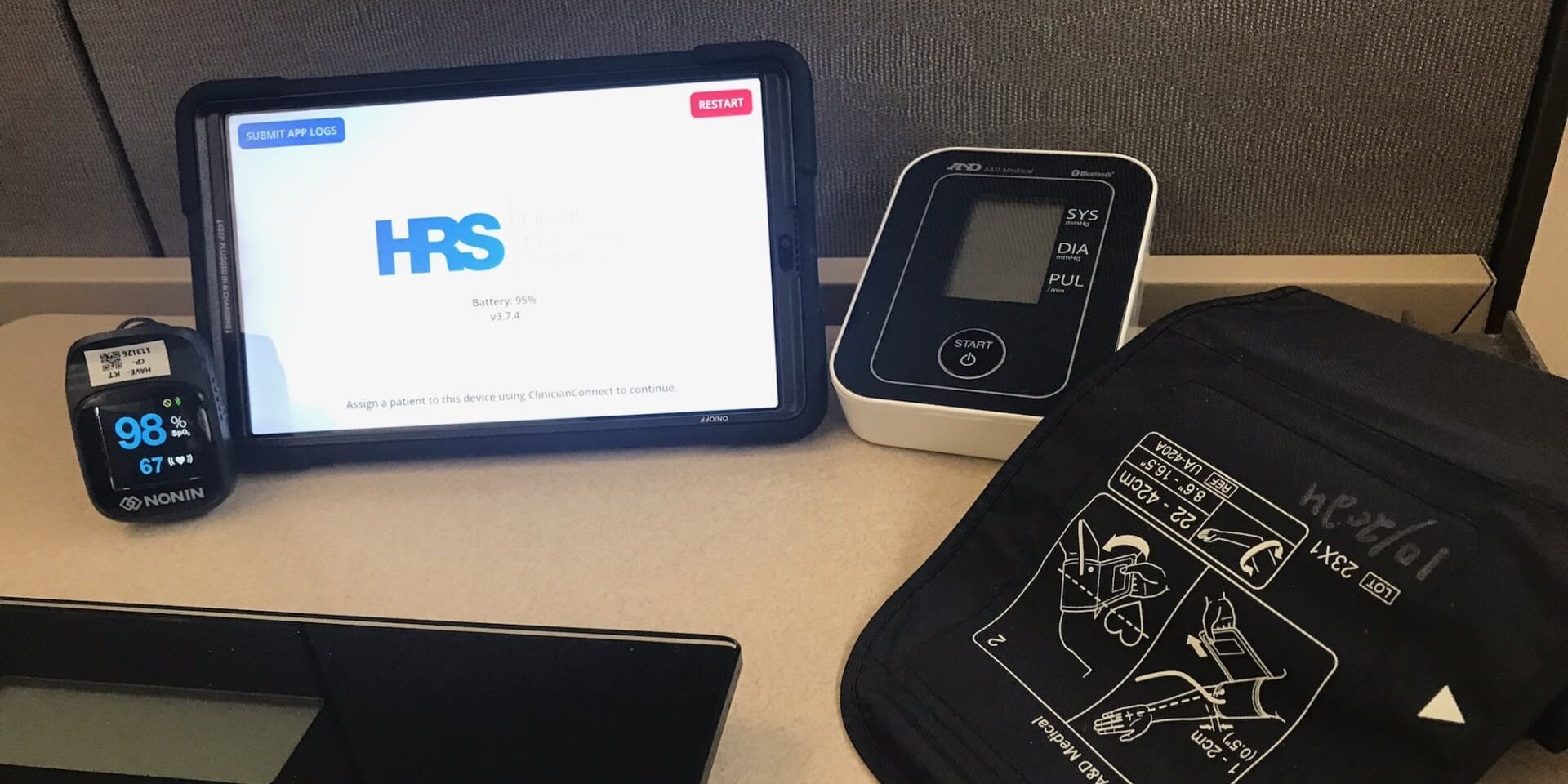
For heart failure patients, keeping close tabs on vital signs like weight, blood pressure, oxygen levels and pulse gives early indications if patients need intervention. Remote monitoring technology transmits data automatically, and patients or home caregivers also can report symptoms via tablet or phone app.
“Chronic heart failure was possibly our best opportunity as we could titrate medications at home based on the data,” Toomey said. “Access to cardiology specialists is limited across our rural footprint, and home monitoring helps us to limit trips to Sioux Falls for our patients.”
Avera then branched into remote patient monitoring for chronic obstructive pulmonary disease patients and obstetric patients with high blood pressure. Today, remote patient monitoring is available for many diagnoses.
“Patient data reaches us 24 hours a day, so then it’s a matter of intervening quickly as needed,” Toomey said. That may include a change in medication or dosage, or a change in settings for oxygen or other care equipment. “Our core purpose is that we have good oversight and can get notification to their provider to avoid the emergency department or hospital.” Avera also works to improve accessibility to care by utilizing video visits with clinic providers, furthering the ease of access to the physician.
When patients understand that remote patient monitoring can help keep them out of the hospital, “they’re like, ‘yep, sign me up,’” Toomey added.
Case management approach
“Our program is high touch,” Toomey said.
Patients aren’t just sent home with the equipment and little information or direction.
“We have more of a case management approach. The patient gets weekly calls from a nurse in addition to monitoring, as well as access to on-call nursing around the clock. So we’re able to stay in touch and do everything we can to keep them out of the hospital.”
People with higher acuity might be getting ongoing home care and remote monitoring at the same time; if so, those programs complement one another. “We have good ongoing data and can do beneficial, intentional education with patients while we’re in their homes,” Toomey said.
Hypertension, or high blood pressure, is a new frontier – one that has potential for widespread benefit because of the commonness of this condition and the fact that home blood pressure cuffs are easy to use. “The research is telling us that if we can get hypertension managed early on, we can reduce the number of people who ever develop chronic heart failure,” Toomey said.
Especially for people who experience “white coat” syndrome, it’s difficult to get an accurate reading in the doctor’s office. “When we can see their blood pressure in their normal home environment and see that it’s consistently too high, we can titrate their medications in real time and get blood pressure more under control, hopefully preventing the need for someone to have ongoing care for chronic heart failure in 20 years.”
Home monitoring is an integral part of Hospital@Home, a collaboration between Avera McKennan Hospital & University Health Center and Avera@Home, in which selected patients can receive hospital-level care at home. Legislation has advanced through Congress to extend the Acute Hospital Care at Home waiver for five years, through 2030, securing the program that allows hospitals to treat acute patients at home.
“We’ve seen so many success stories with remote monitoring,” Toomey said.
Medicare covers RPM for both chronic and acute conditions if it’s deemed medically necessary, and most private insurance plans cover it after a deductible is met.
Typically, physicians make recommendations for patients who would benefit from remote monitoring; however, if someone is interested, they can contact Avera@Home or talk to their medical provider to see if they are eligible for this service.