South Dakota’s medical school addresses critical rural needs
Oct. 15, 2025
This piece is sponsored by the University of South Dakota.
The University of South Dakota Sanford School of Medicine has long stood as a Midwest leader in addressing one of the most pressing health care challenges in America: a rural physician shortage.
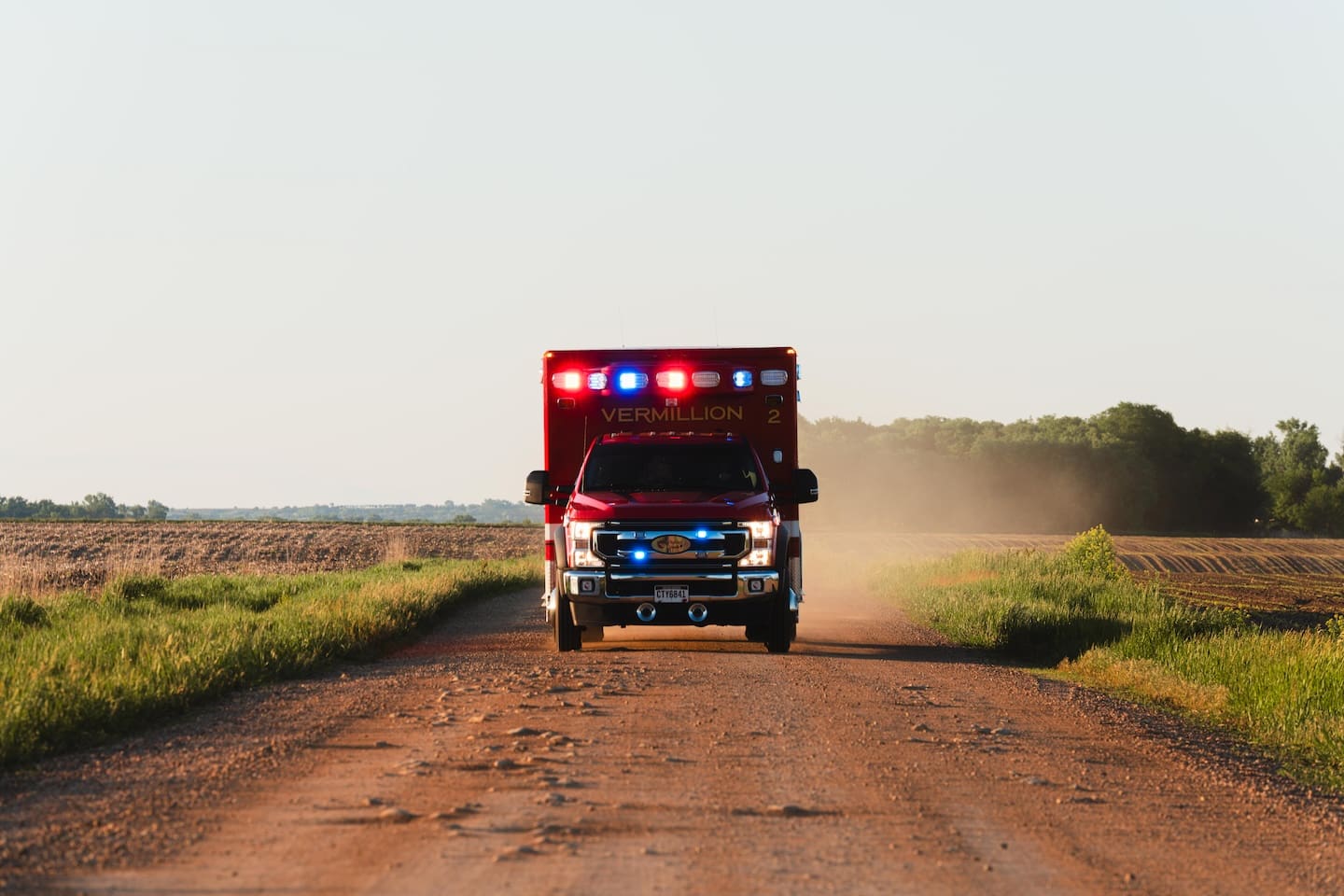
In its 118 years of delivering medical education, the SSOM has designed and implemented programs specifically to train physicians who are prepared and eager to practice in rural and underserved areas. This concept is woven into every aspect of the school’s curriculum, clinical training and outreach, ensuring that South Dakotans across all regions have access to high-quality, compassionate medical care.
Training for rural impact
Rural communities have unique health care needs. Physicians practicing in rural areas must have comprehensive, full-spectrum training to diagnose, manage and treat across multiple disciplines, ensuring continuity of care.
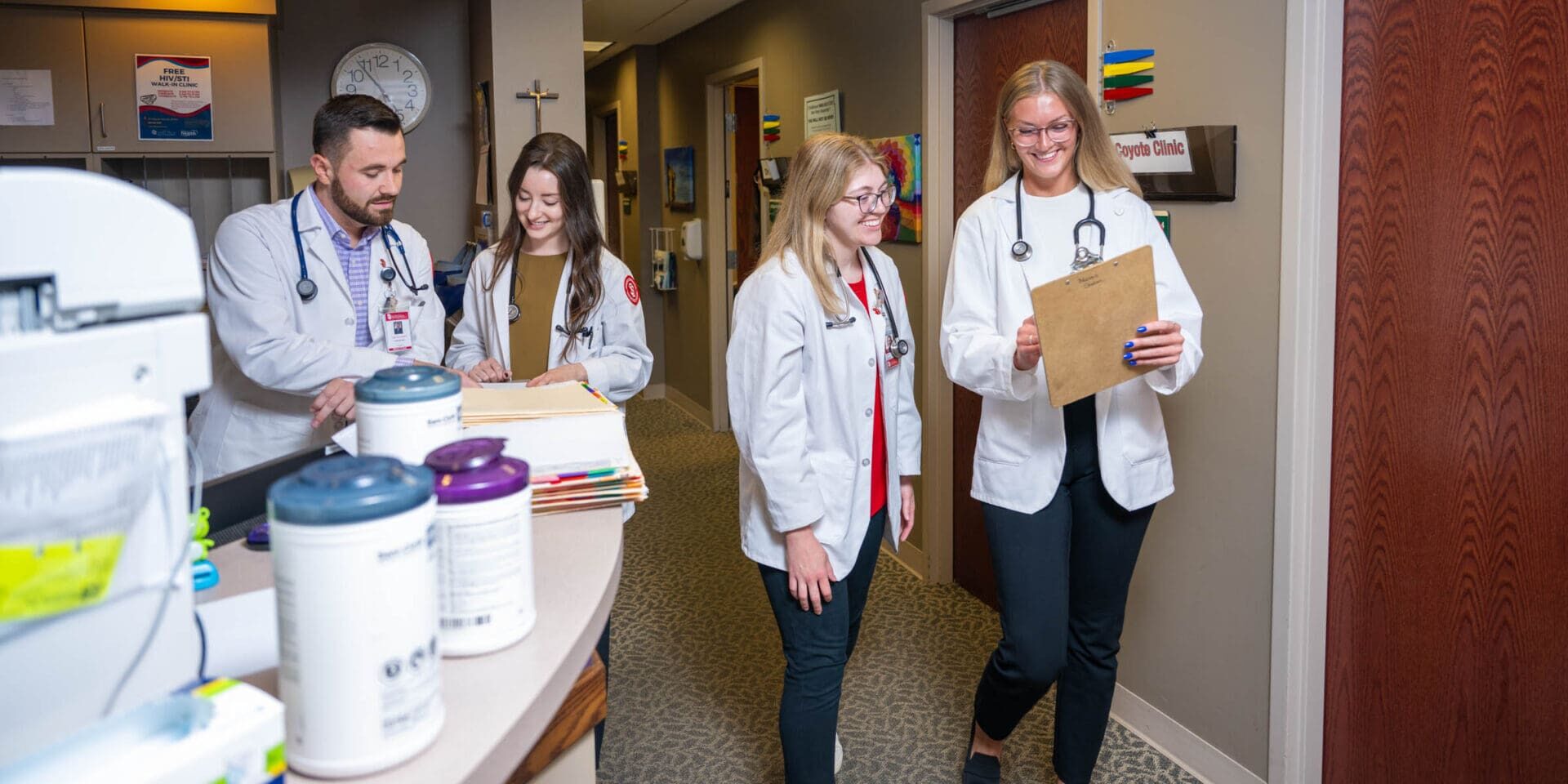
The USD SSOM’s Frontier and Rural Medicine program, where students are immersed in rural clinical settings, fosters a deep understanding of the challenges and rewards of rural practice. Current FARM training sites are in Chamberlain, Milbank, Mobridge, Parkston, Pierre, Spearfish and Vermillion. In addition, with clinical school campuses in Yankton and Rapid City, along with clinical partners across the state, students are guaranteed a wide range of training experiences.
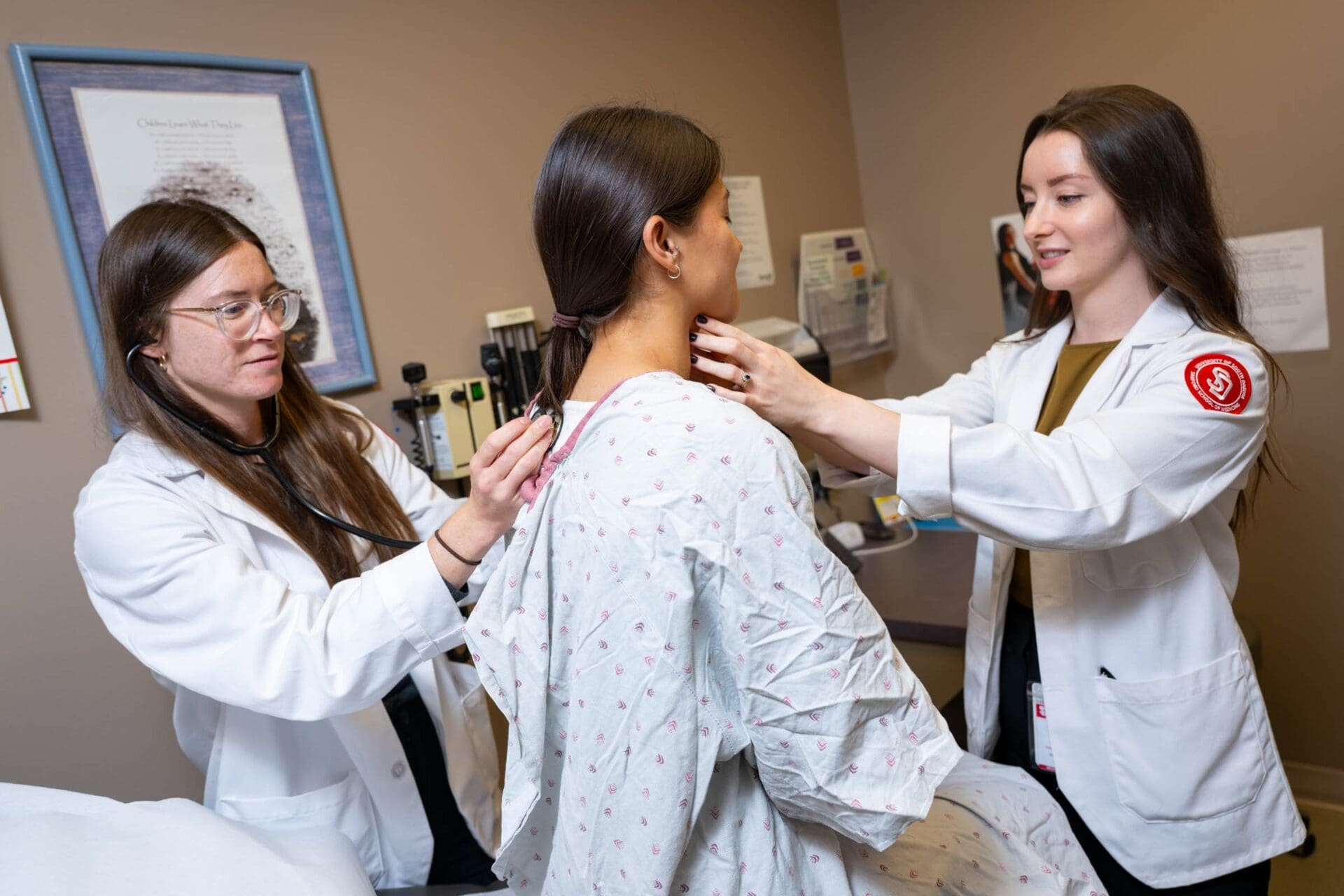
One recent SSOM graduate explains his rural experiences:
“The level of care rural physicians provide for their community is outstanding. In a single rotation, we were delivering babies, performing cesarean sections, managing traumas in the emergency room and rounding on the inpatient floors each morning, all while maintaining a full day of clinic. The experience was invaluable. From what I have heard from my classmates, almost every rural rotation in South Dakota is like that. The breadth of experience and the level of hands-on training is phenomenal. We leave medical school with an extensive foundation in nearly every area of medicine, ensuring that we are exceptionally prepared for our future careers.”
New emergency medicine residency
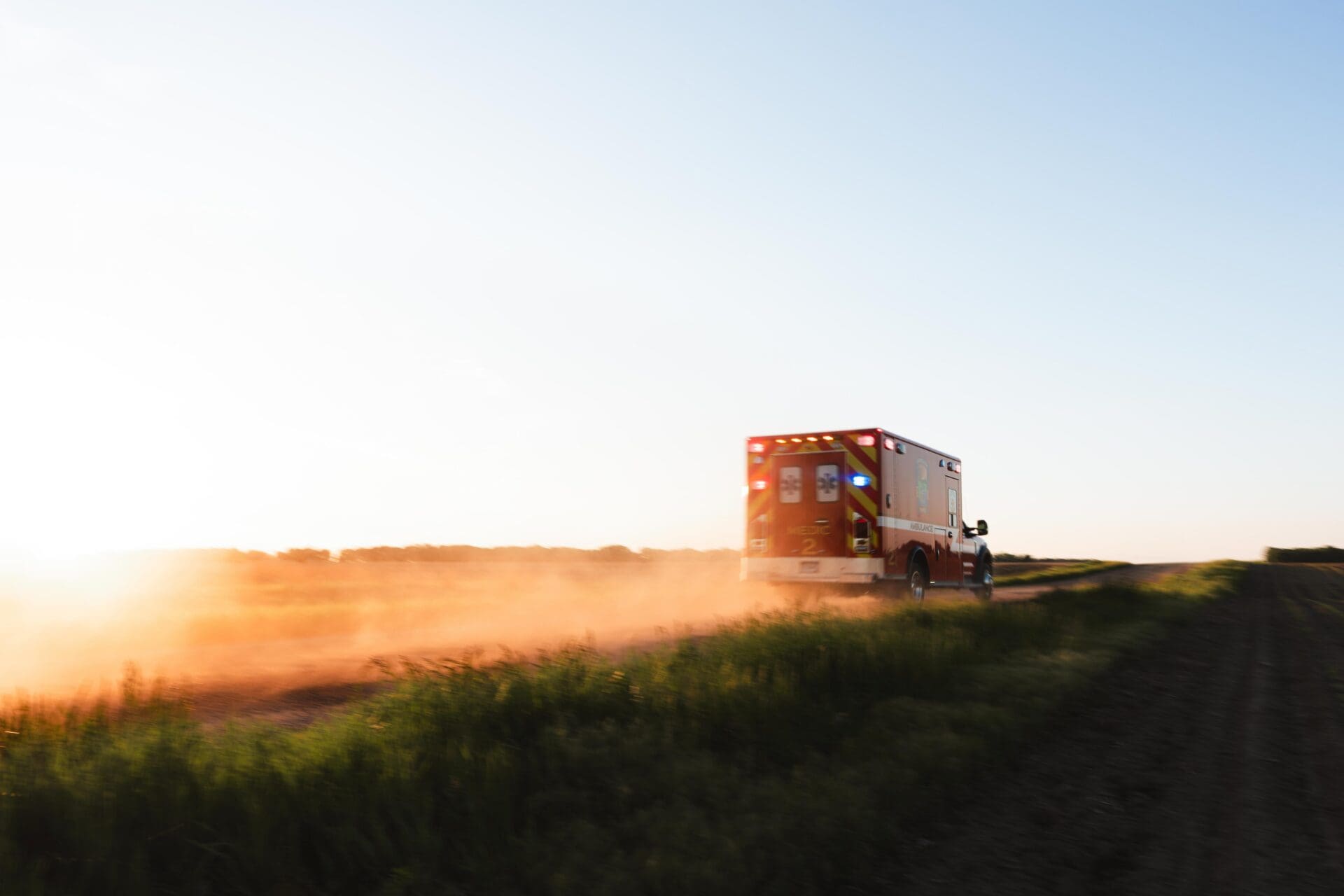
In emergency medicine, where a few minutes can mean the difference between life and death, South Dakota’s rural geographic spread poses challenges in providing timely emergency care, increasing the demand for emergency physicians who can serve these areas.
Emergency medicine physicians are trained to manage a wide range of medical emergencies, and their departments serve as a central hub, coordinating care with other health care professionals to provide the best possible outcome for patients. Emergency medicine plays a pivotal role in saving lives, reducing disabilities and preventing complications, making it an indispensable part of modern health care.
To address this need, the SSOM has developed a department of emergency medicine, which will help build a pipeline of emergency medicine residents and physicians for generations to come. With this new department, medical students will benefit from focused training and resources, better preparing them to meet the critical needs of South Dakota’s communities.
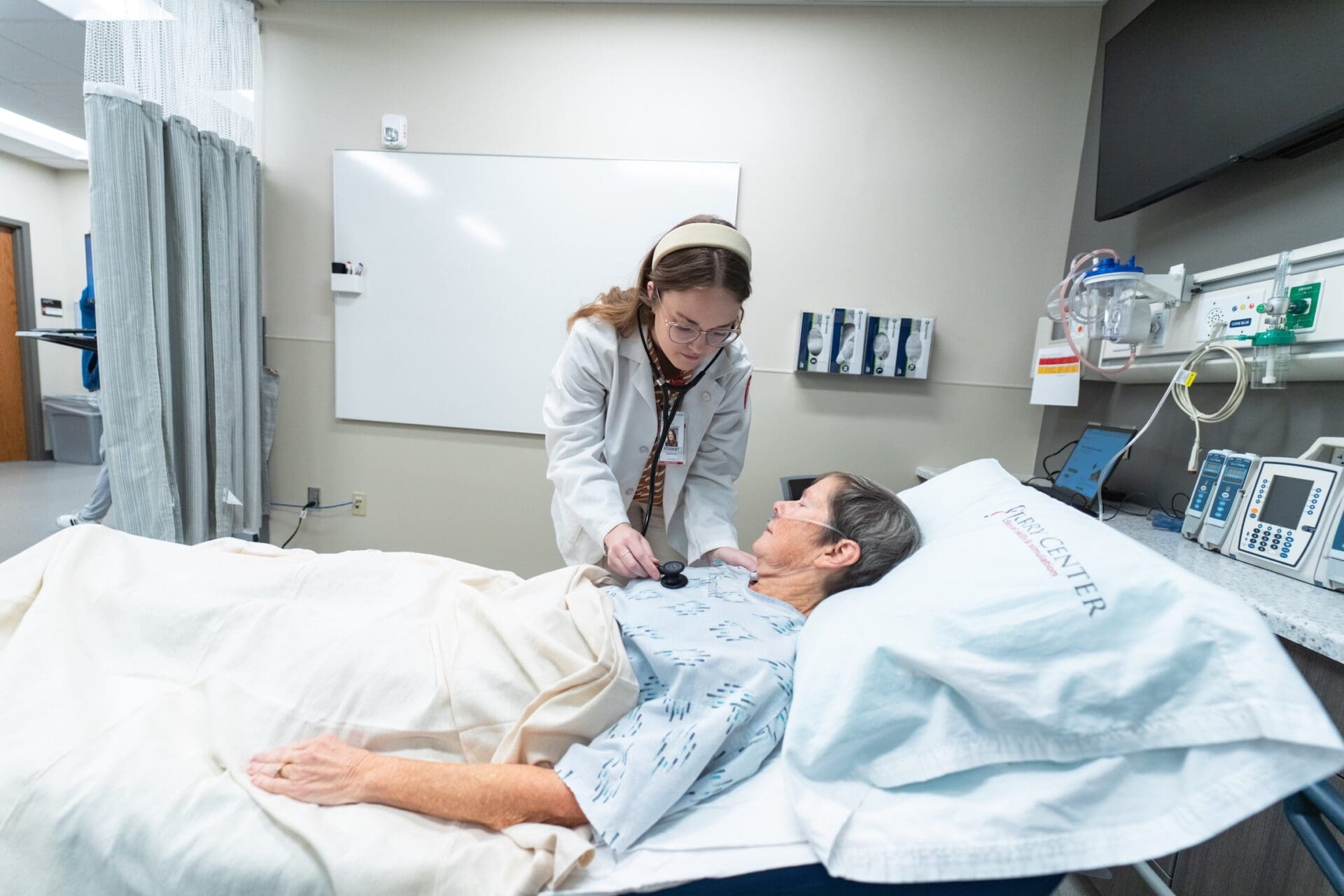
Alongside the new emergency medicine department is a new residency program. After receiving their M.D., medical school graduates advance to various residency programs for supervised medical training. These programs require an additional three to seven years of specialized training, depending on the chosen specialty. Led by Sanford Health, in partnership with the USD SSOM, a newly accredited emergency medicine residency is scheduled to begin training in July 2026.
Medical students are drawn increasingly to emergency medicine, and this residency is well equipped to offer the high-quality education and practical experiences needed to excel in this specialty. The residency program will train six residents per year. By July 2028, 18 residents will be training in the emergency medicine residency program.
Nedd Brown, dean of graduate medical education at SSOM, is supporting the development of the medical residency program in tandem with the academic department’s creation.
“Our aim is to expand the number of residency programs available for our medical students, working closely with our clinical partners,” Brown explained. “The desire for emergency medicine has always existed, and now is the time. As our medical school has expanded, we need to establish new departments to support this growth.”
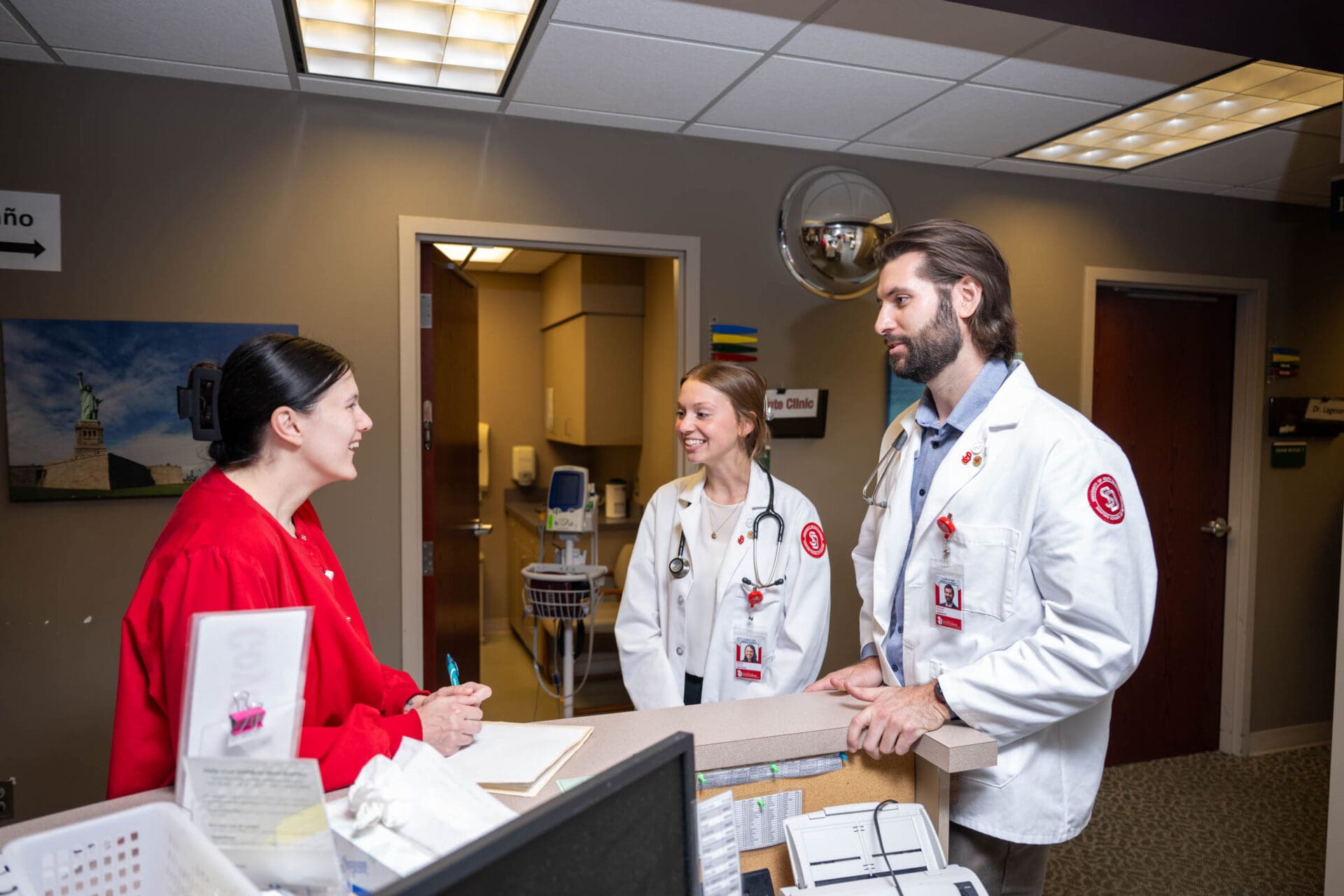
In the past, SSOM students needed to leave the state for emergency medicine residency training. In the past five years, 19 SSOM students have matched into emergency medicine residencies outside South Dakota.
“Having our own department gives us the best chance to keep the medical students-turned-physicians in South Dakota,” explained Dr. Tim Ridgway, dean of the SSOM and vice president of health affairs. “Statistically, we know that close to 80 percent of our students stay in the state if they complete both residency and medical education in South Dakota. Those stats demonstrate that we will be able to keep the emergency physicians we train here in the state.”
Establishing a dedicated emergency medicine department in South Dakota will significantly reduce service gaps and improve overall health care outcomes, further increasing access for rural South Dakotans.
In addition to launching the residency program, the SSOM announced it will move the first 18 months of the Doctor of Medicine program and the division of biomedical and translational sciences from Vermillion to Sioux Falls starting in the summer of 2027 — placing students closer to the state’s largest health systems. This change will allow USD to improve medical education for students while growing applied and translational research, which will lead to improved health care for South Dakotans in rural communities across the state.
By leveraging the SSOM’s robust curriculum and state-of-the-art facilities, it is assured that the state’s future physicians — including emergency medicine professionals — are well prepared to meet the evolving health care needs of South Dakota.