Citi CEO talks turnaround strategy, economic outlook, Sioux Falls site
Aug. 18, 2025
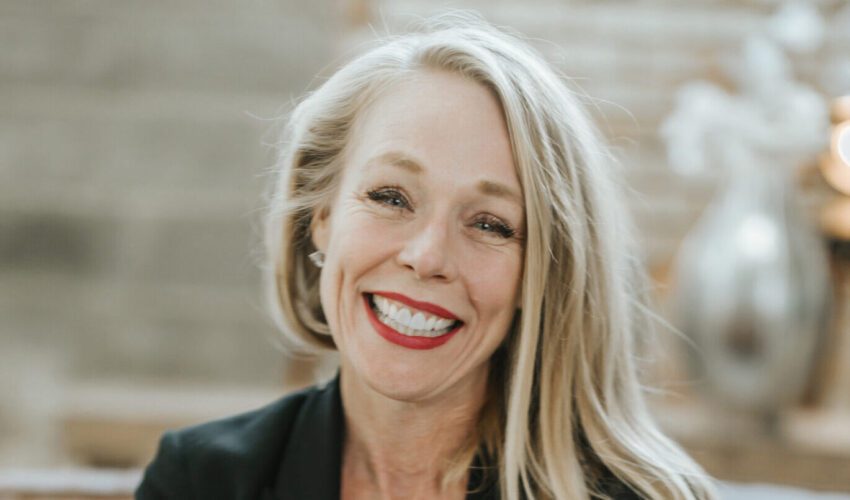
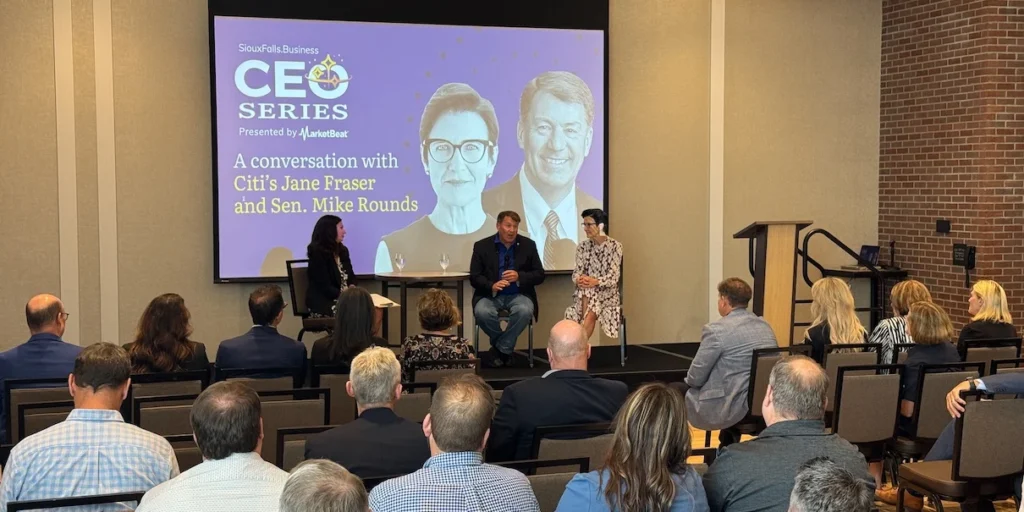
Citi CEO Jane Fraser, who has led a major turnaround at the world’s most global bank, gave a far-reaching look at her company and issues facing the businesses it serves to a Sioux Falls audience of CEOs.
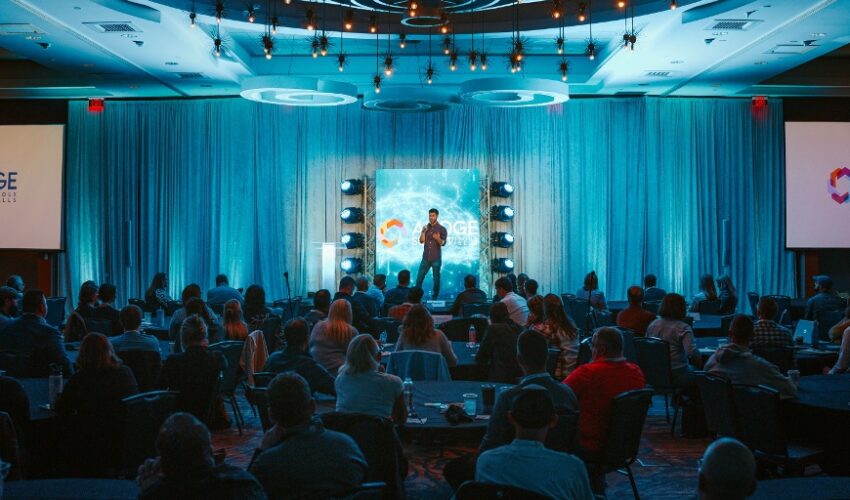
Fraser spoke Friday in Sioux Falls alongside Sen. Mike Rounds as a SiouxFalls.Business CEO Series event sponsored by MarketBeat.
“Citi is often seen as a Wall Street firm, but we have 83,000 people working outside of New York City in America … and our site in Sioux Falls is one we’re very proud of,” she said. “Wall Street is in service of Main Street.”
Since becoming CEO in early 2021, Fraser has led the company on a turnaround path that has resulted in a 47 percent increase in share price over the past year.
Fraser credits a strategy of simplification — focusing on “going back to the basics,” she said. “How do we make sure we are a bank that is doing our day job, which is serving the customers, where we can be best advantaged to look after them and serve them?”
Citi had become “too complicated,” she continued. “We were in too many businesses. We had a very complicated organizational structure. We had death by management … so I knew I had to simplify the bank.”
Her approach was clear, straightforward and involved tackling tough moves quickly: selling off some business segments, eliminating duplicative management and focusing on excellent execution, she said.
“Do fewer things, and do them better,” she added. “And everyone in the bank felt it was too complicated, so it wasn’t hard to get everyone lined up about the fact it had to be simpler.”
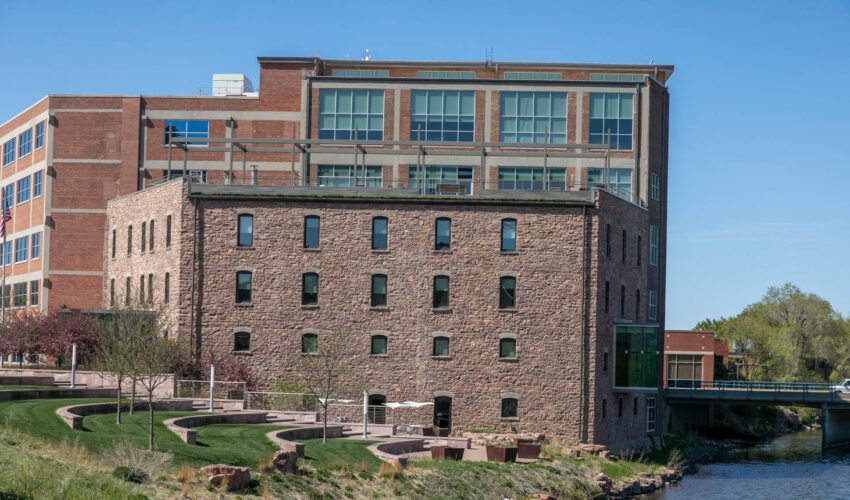
There are about 1,100 Citi employees based in Sioux Falls, including many with multiple decades of tenure. The company, which is chartered in South Dakota, originally expanded to the state in 1981, drawn by favorable usury laws to eliminate a cap on interest rates and fees.
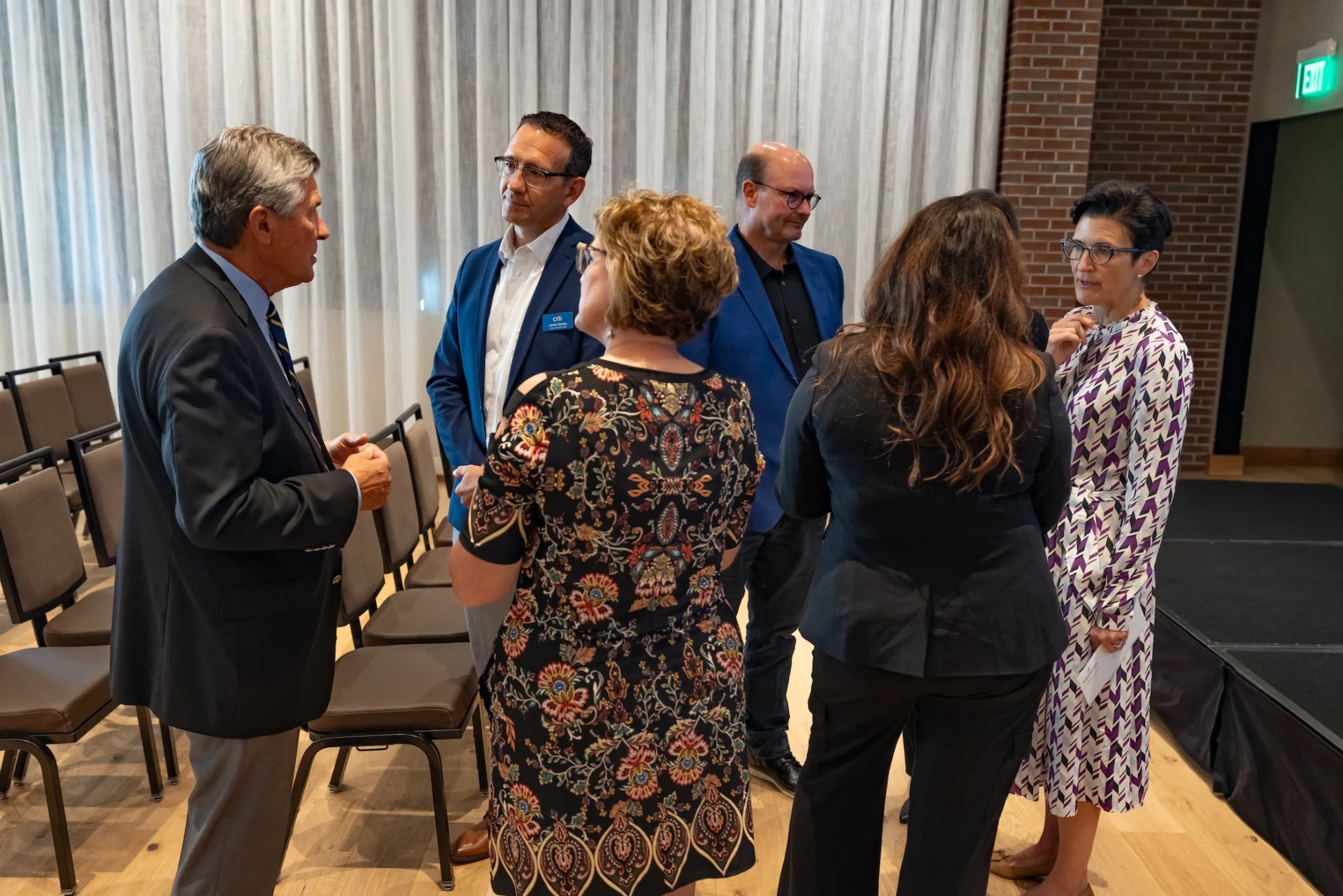
Fraser praised a “fantastic leadership team” and noted that employees in Sioux Falls support between 20 and 30 businesses globally, including some who run worldwide enterprises.
“You kind of want to keep surprising your people by what they can do and putting challenges and they rise to the challenge of it,” she said. “You’ve got to be a bank with a brain. People want bankers who are smart and can give them great advice, but you also want to have a soul as a bank. You’re helping people with life decisions. You’re helping companies either realize growth opportunities, or when there are hard times, how are you helping them out? And there needs to be a sort of relationship.”
Citi’s culture also calls for “a sense of innovation, a bit of fearlessness about change and embracing it a bit,” she continued.
Rounds, who serves on the Senate Committee of Banking, Housing and Urban Affairs, said he communicates regularly with Fraser and Citi.
“That to me is one of the most important things we can be doing here in South Dakota. It’s what can make us different from other locations,” he said.
“Attention to detail, but developing those personal relationships. We have talked in the past about what the needs are here in South Dakota, what the challenges are in South Dakota. It’s a matter of, in my opinion, communication — direct communication, honest communication, but a trustworthiness between us.”
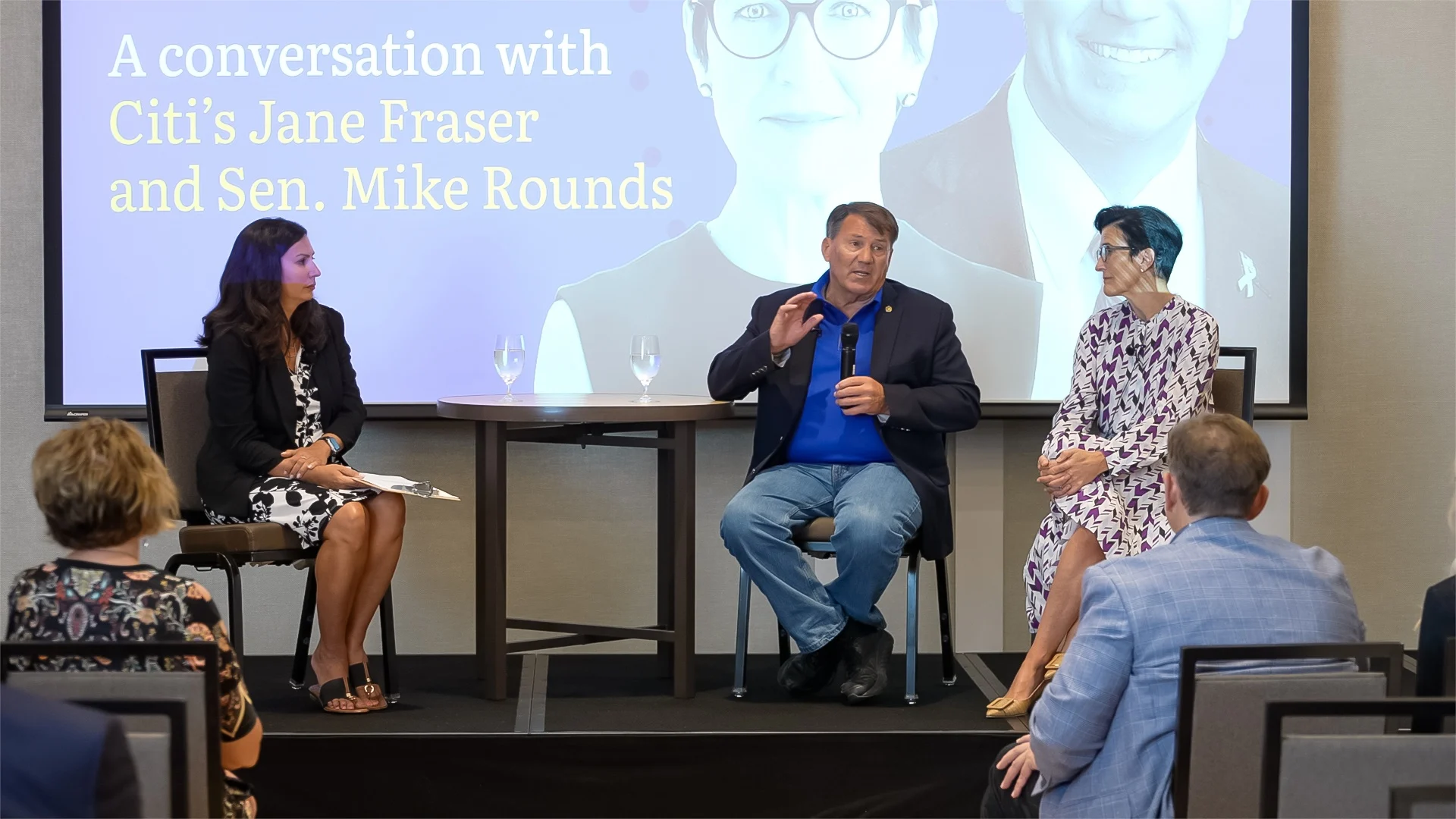
Rounds and Fraser discussed multiple shared policy priorities, including strategies for improving housing affordability.
“Let’s get this more affordable again, get the affordable housing supply rising in line with the population growth and the needs of vibrant cities like this one that are growing quickly,” Fraser said. “How do you make sure the next generation can afford their first home and do so in a way they’re not awake at night worried about financial consequences?”
At a federal level, multiple approaches are needed, Rounds said. Those include everything from addressing the 10-year Treasury yield to the supply of building materials and regulations, including environmental reviews.
As more clarity has developed nationally, the corporate sector has “a better sense around what’s coming and what changes they need to make,” Fraser said. “I think we’re seeing a lot more activity from the corporate sector. We’re seeing some more investment.”
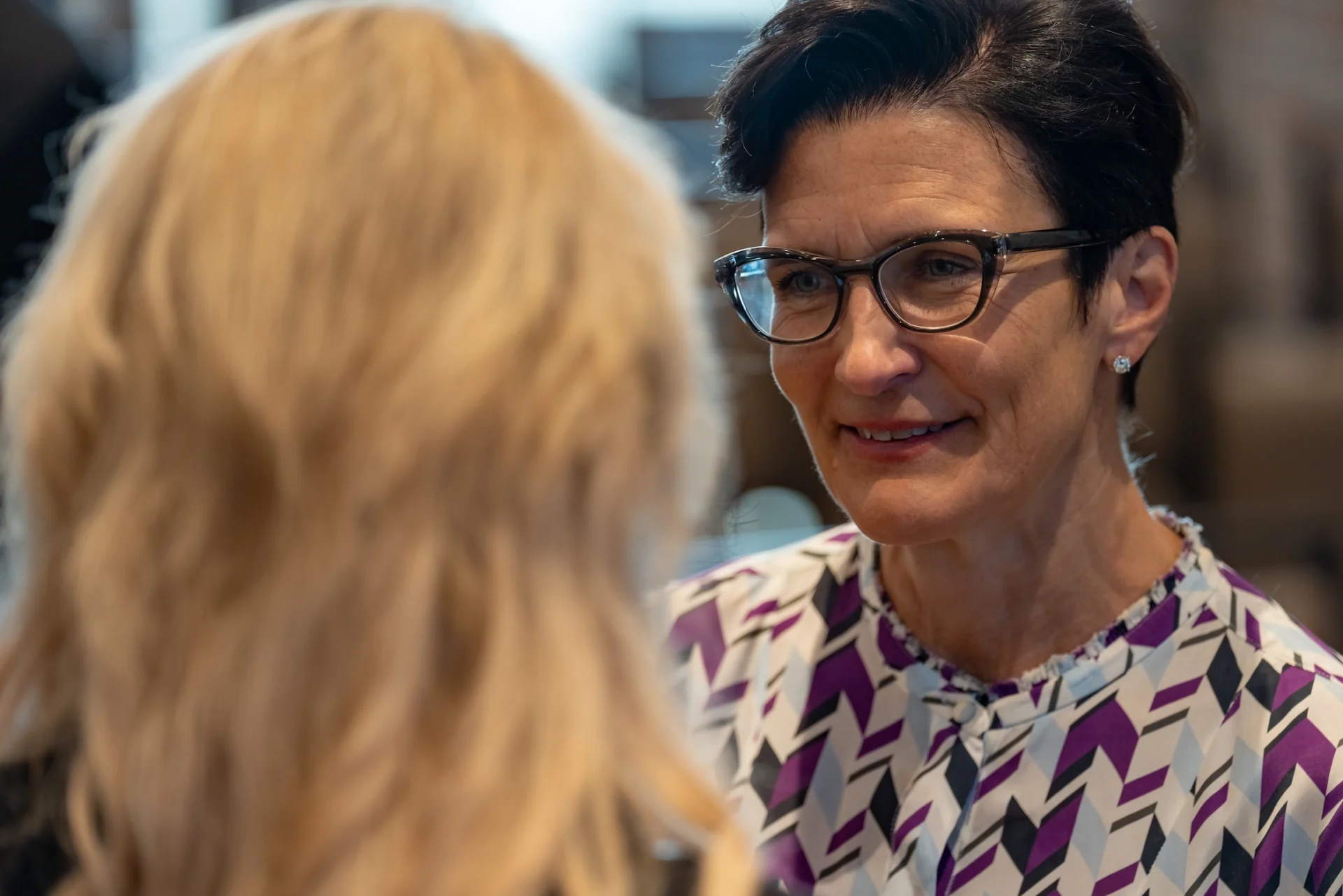
The consumer is benefiting from lower gas prices, she added.
“So while there’s still some uncertainty out there, that gap between sentiment and what hard data is showing us is closing, and we certainly don’t see a recession ahead.”
In addition to a stable, business-friendly environment, it’s critical that South Dakota continue to produce a workforce that comes in “educated to begin with, with a work ethic second to none but with an expectation their work product will be as good or equal to as good as anything they’re going to find any place in the world,” Rounds said.
Fraser’s advice to the Sioux Falls community: “Just keep doing what you’re doing,” she said.
“Don’t fix what ain’t broken. … When I look at it, I want to make sure the business environment is a good one, it’s a fair one, but then you start moving to things like is the education good for our people, is there good housing, what’s the affordable housing situation. Things like that come into play. There’s quite a lot of growth and development here. You guys must be doing a lot right because you can feel it’s a vibrant center.”