Cancer services enhanced, expanded in every square foot of Avera Prairie Center
June 11, 2025
This paid piece is sponsored by Avera Health.
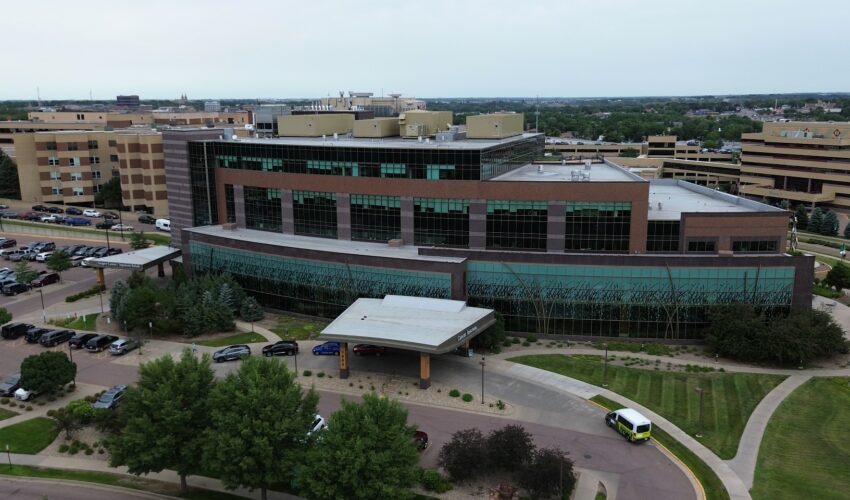
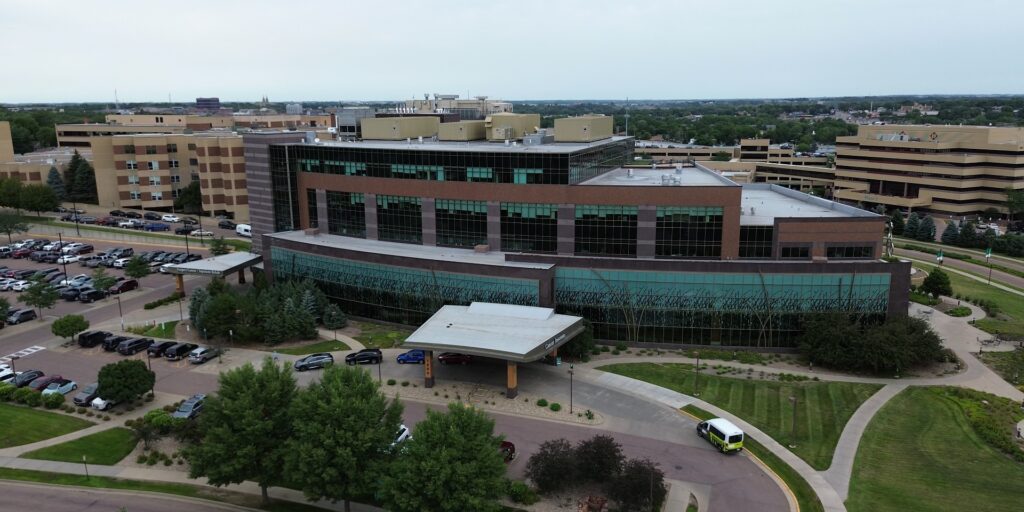
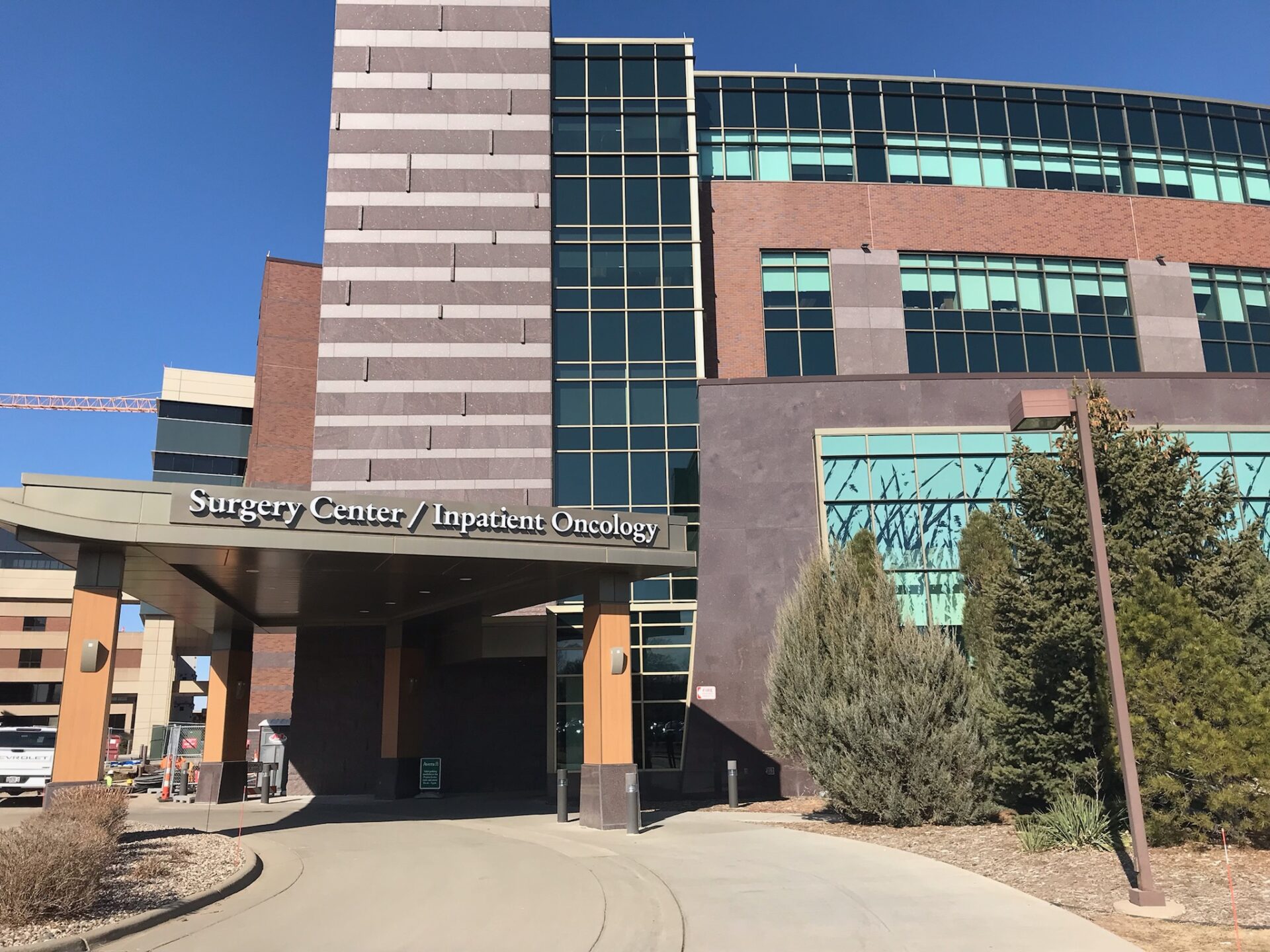
With five stories and 260,000 square feet, the Prairie Center houses almost all services that cancer patients need on their journey. Programs are ever expanding to deliver the highest quality care and the most streamlined, personalized patient experience.
While this Sioux Falls home to the Avera Cancer Institute was designed to be a place of comprehensive care, it’s even more true today than 15 years ago.
Space dedicated to cancer care recently expanded, with the fifth floor of the building now refitted to house a 24-bed inpatient unit. Programs and services have evolved as well.
One example is the Avera Cancer Navigation Center, added in 2016. In the past year, the navigation center received 25,000 calls.
This 24/7 phone line hub is available to all cancer patients across the region and their caregivers or loved ones, staffed by oncology-trained RNs and social workers.
“The latest development is outbound calls to support oncology patients in their entire care journey, including calls to patients after an emergency visit or after starting chemo or radiation. Navigators also provide psychosocial assessments when social workers are not available on-site,” said Katie Van Beek, vice president of oncology.
Avera Cancer Institute “is also gaining in cancer expertise and advanced technology,” said Dr. Luis Rojas, gynecologic oncologist and clinical vice president of the oncology service line.
For example, along with blood and marrow transplant, the hematology and transplant team is providing more cellular therapies, including CAR T-cell, or chimeric antigen receptor, and TILs, or tumor infiltrating lymphocytes. These are evolving to not only benefit patients with blood-related cancers but also those with certain types of solid tumors, for example, metastatic melanoma.
Avera has a specialized laboratory and its own apheresis center. Apheresis is a method of donating blood components, including stem cells for blood and marrow transplants that benefit patients who have blood cancers such as leukemia or multiple myeloma. Donations may be from self, or autologous, or from a matched donor, or allogeneic.
“People fly in from out of state just to donate to patients we’re taking care of. We’re also a center for the National Marrow Donor Program and can collect for anyone who is a potential donor for a transplant,” Rojas said.
Breast services have become even more comprehensive, with teams of medical oncologists, fellowship-trained breast surgeons and patient navigators dedicated solely to breast care.
The High Risk Breast Clinic cares for women identified as being at higher risk, and they receive more frequent exams, screenings and different modes of screening that may include breast MRI and contrast enhanced spectral mammography, or CESM. A new screening questionnaire, provided at the time of mammogram appointments, helps identify those who are at higher risk because of family history, genetics or breast density.
“The survey is a key driver to our High Risk Breast Clinic. This is so important because early detection significantly improves survival rates and treatment outcomes,” Van Beek said.
“We are one of the leaders in the nation for use of contrast-enhanced mammography. It’s an excellent breast-imaging tool that goes hand in hand with our High Risk Breast Clinic. With enhanced images, CESM helps physicians quickly see and diagnose an area of concern or relieve anxiety when there are negative findings.
Deep experience with CESM allowed Avera to be an early adopter for CESM-guided breast biopsies, used primarily when a lesion is difficult to see on other imaging such as an ultrasound. “Not a lot of places do CESM breast biopsy. One of the reasons we’re able to do so is our comfort level with this tool and our heavy use of this imaging to either help diagnose or rule out breast cancer,” Van Beek said.
Avera now has a deeper bench of genetic counselors that has grown from one when the Prairie Center opened to five. When a patient is diagnosed with cancer or at high risk, they can be referred for genetic counseling and possible testing. If a genetic condition is flagged, like the BRCA genetic mutation or Lynch syndrome, family members can also get tested and know if they should be more vigilant with cancer screenings and prevention.
Avera has long been involved with cancer-related clinical trials, yet Avera physicians have stepped up to participate in more trials, including phase one clinical trials of the most novel drugs, to benefit their patients with more options.
The precision medicine program, which informs treatment decisions based on genomics, is evolving to include more patients earlier in the disease process.
“We now work with multiple vendors for testing platforms,” Rojas said. “Then we have an internal team of scientists, data analysts, bioinformatics, pharmacists and clinicians who come together to analyze genomic information and make treatment recommendations based on a particular case of cancer and its molecular signature.”
Patient support and survivorship care have always been important at Avera and remain a priority. “Patients and staff love our art and music therapy,” Van Beek said. Patients have access to tumor-specific navigators, chaplains, counselors, dietitians, social workers, patient advocates for financial matters and insurance coverage and more.
“With all staff and patients being in the same building, members of our team can respond in a very timely way whenever there’s a need,” Rojas said.
Learn more about cancer care at Avera.
Avera Prairie Center evolves to offer more comprehensive cancer services