Use, dispose of rechargeable devices, lithium-ion batteries safely
June 11, 2025
This piece is sponsored by Sioux Valley Energy, Southeastern Electric Cooperative and Xcel Energy.
Rechargeable devices powered by lithium-ion batteries are everywhere, but a February survey by Erie Insurance suggests that few people know how to use them safely. Almost 70 percent of survey respondents were unconcerned about the fire risk posed by the batteries. Fortunately, consumers can take steps to minimize the risk and use rechargeable devices safely.
“Lithium-ion batteries are safe when used correctly, but uncertified batteries or chargers pose a risk of fire or injury,” said Erica Fitzhugh, communications and public relations manager at Southeastern Electric Cooperative.
What products use lithium-ion batteries?
Lithium-ion batteries are found in rechargeable devices in workplaces, public spaces and at home, including:
- Laptops.
- Mobile phones and tablets.
- Wireless headphones and earbuds.
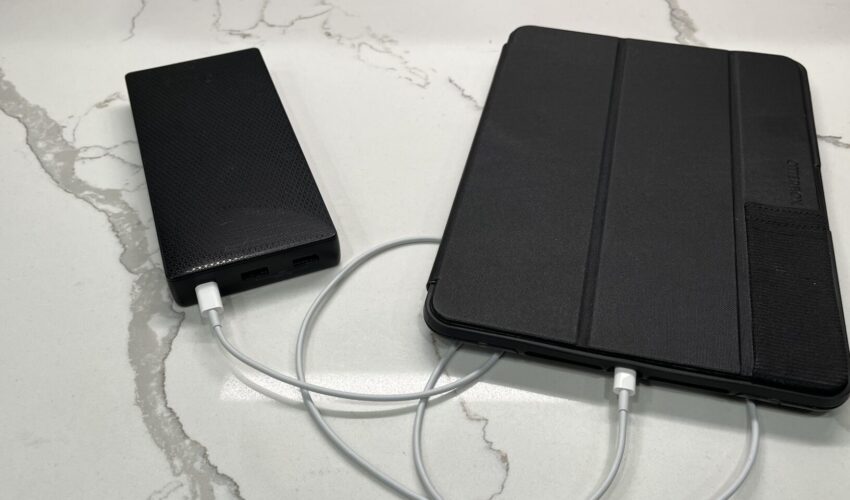
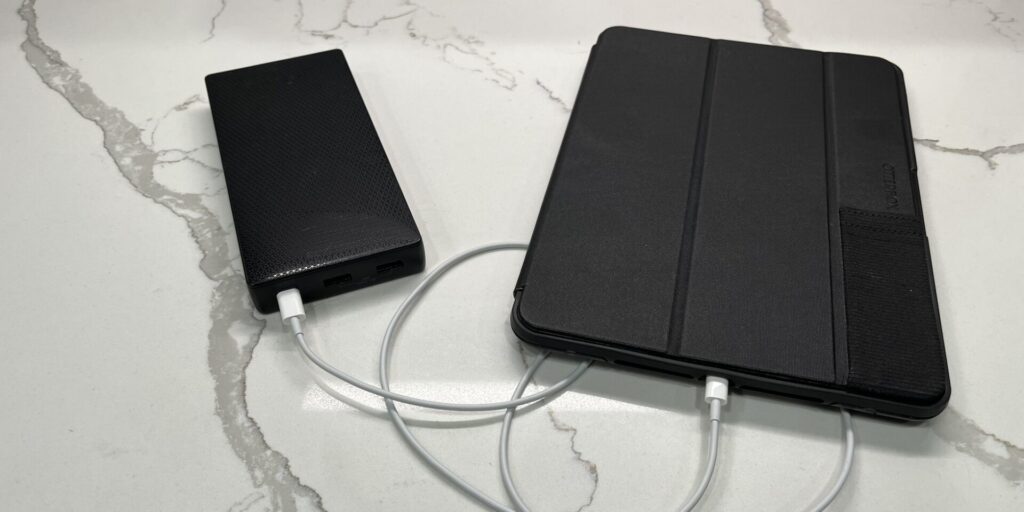
- Portable battery packs.
- Electric toothbrushes and razors.
- E-readers.
- Power tools.
- Vapes and e-cigarettes.
- Electric vehicles, including cars, bikes and scooters.
“Although lithium-ion batteries are safe, there is always the risk of overcharging or overheating,” said Terry Ebright, Sioux Valley Energy’s manager of safety. “It’s a good practice to charge these batteries in a garage or other location, not in the primary residence. If you charge your lithium-ion batteries in the primary living area, please charge in a safe place away from any exits in case they would happen to cause a fire.”
How to minimize the fire risks of lithium-ion batteries
- Always purchase batteries, chargers and rechargeable devices from reputable retailers and manufacturers.
- Beware of purchasing secondhand devices.
- Be aware of online and local marketplaces that might sell counterfeit or noncertified devices.
- Only purchase devices listed and approved by a nationally recognized testing laboratory such as UL or CSA.
- Never dispose of rechargeable batteries or devices in the trash or curbside recycling bin. Batteries can cause fires and harm the environment, people and property. You can search for a local place to recycle lithium-ion batteries on the call2recycle.org website.
- When traveling by air, do not pack power banks or portable chargers in your checked luggage. According to the Transportation Security Administration, power banks and portable chargers are allowed in carry-on bags, provided they are removed if the bag is gate-checked.
The Electrical Safety Foundation International identifies ways to safely prepare consumers for new and emerging electrical technologies. Find more home and workplace safety information on the ESFI website.
“Lithium-ion batteries have the potential to be a fire hazard,” said Eric Pauli, Xcel Energy community relations manager. “Make sure to educate yourself on proper handling and use in and away from home.”