Tysdal: Retail deal-making in age of disruption
June 1, 2022
By Ryan Tysdal, commercial real estate broker, Van Buskirk Cos.
The past several months have found retail deal-makers in a perfect storm of rising inflation, labor shortages and increased material costs. Landlords and tenants have found themselves navigating these turbulent waters together to bring new deals to fruition.
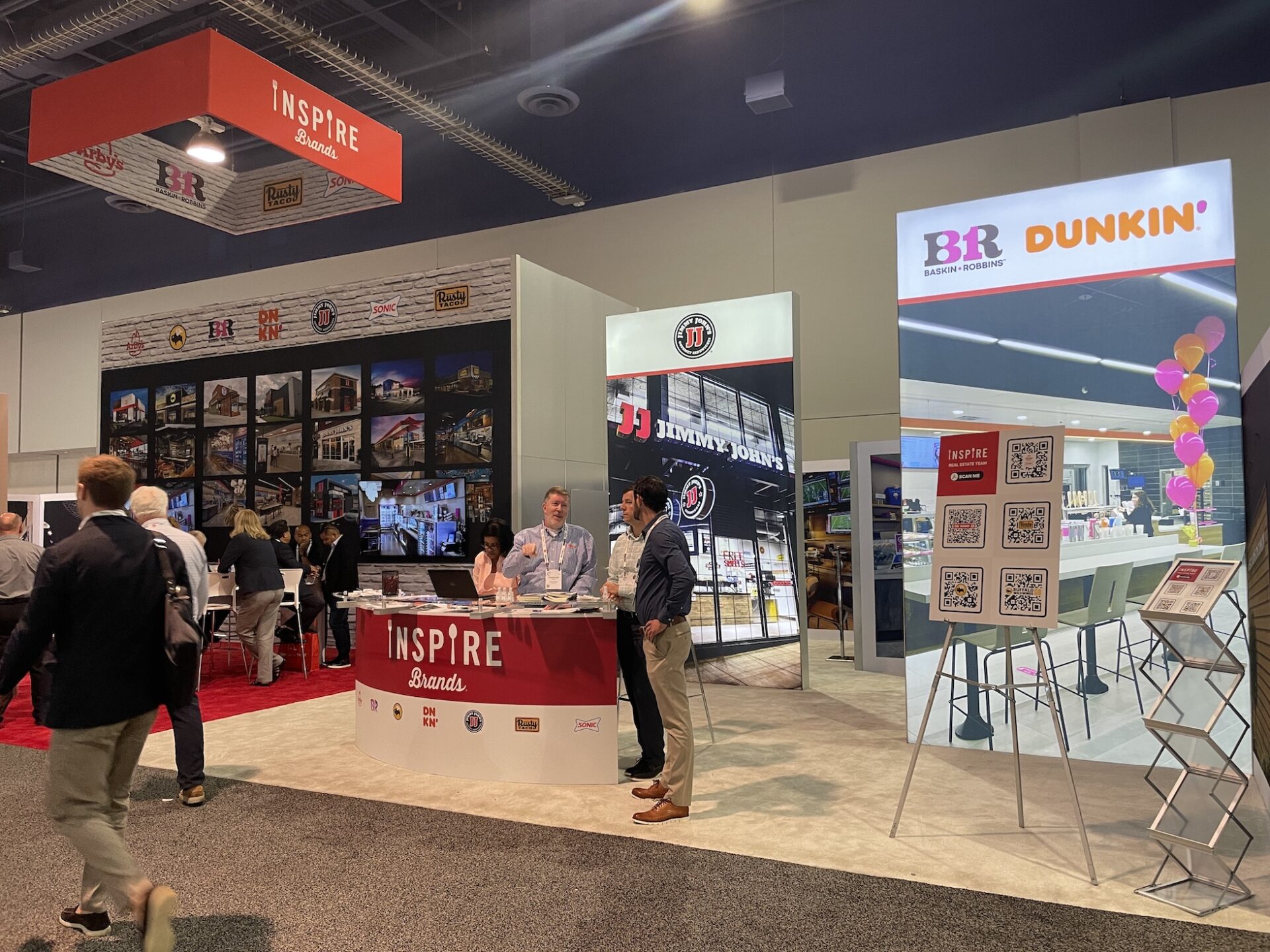
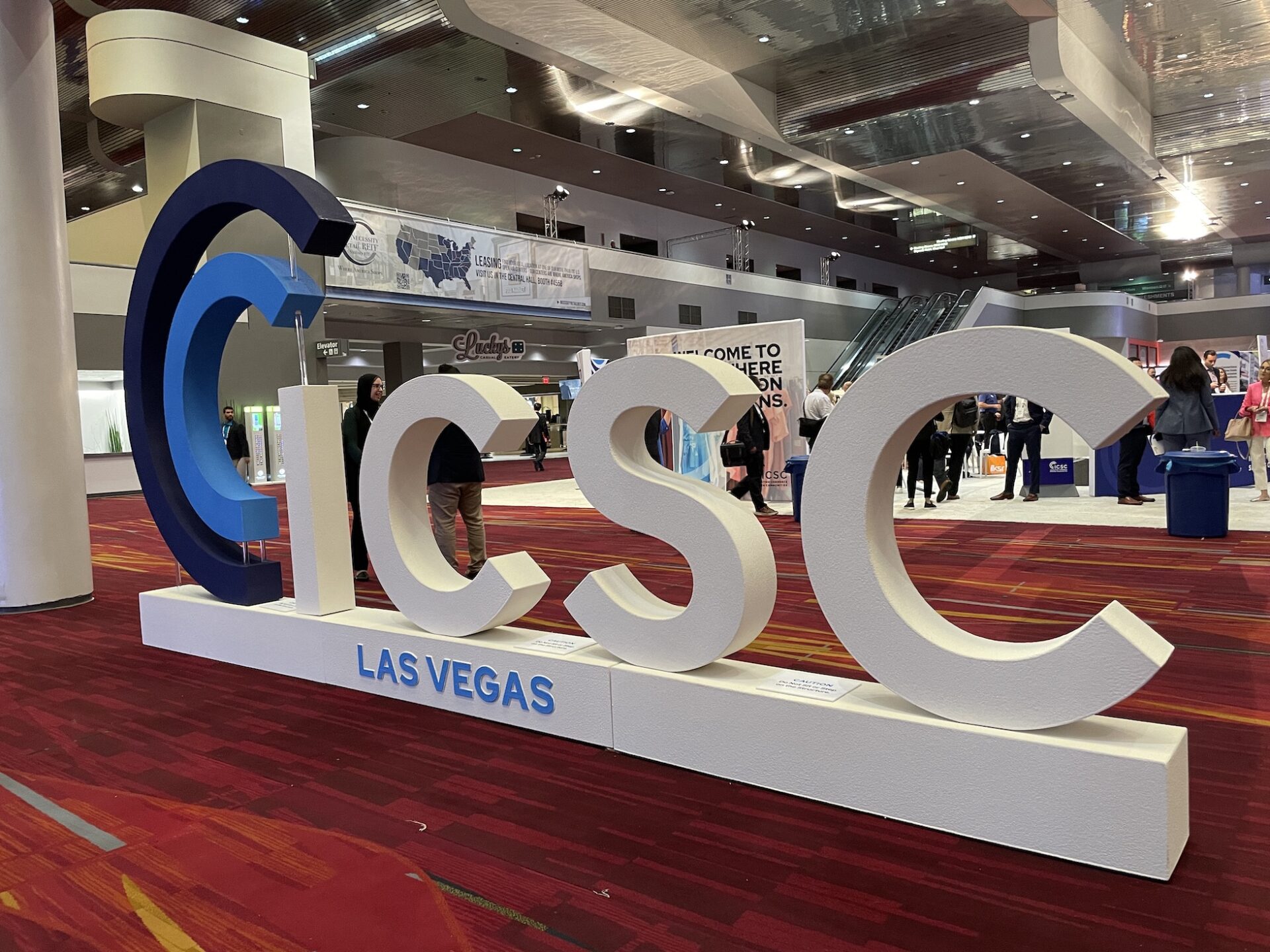
Coming off a week of deal-making at this year’s annual retail real estate convention in Las Vegas put on by the International Council of Shopping Centers, I’m seeing real-world accounts of the challenges that face retailers and restaurants – and how deal-makers are working together to find solutions.
Timing can be difficult to manage
Historically, retail tenants lived in a 120-day vacuum between the time they signed a lease and the date of their grand opening. Current-day challenges make that sort of timeline for tenant build-outs next to impossible.
The process starts with space design and architecture. Many architects are backlogged anywhere from one to two months or more before they are able to start work on new projects. Follow that up with the municipal review by city staff, which typically adds four to eight weeks.

Many tenants are putting the cart in front of the horse by working on their design and approvals in tandem with their lease negotiations.
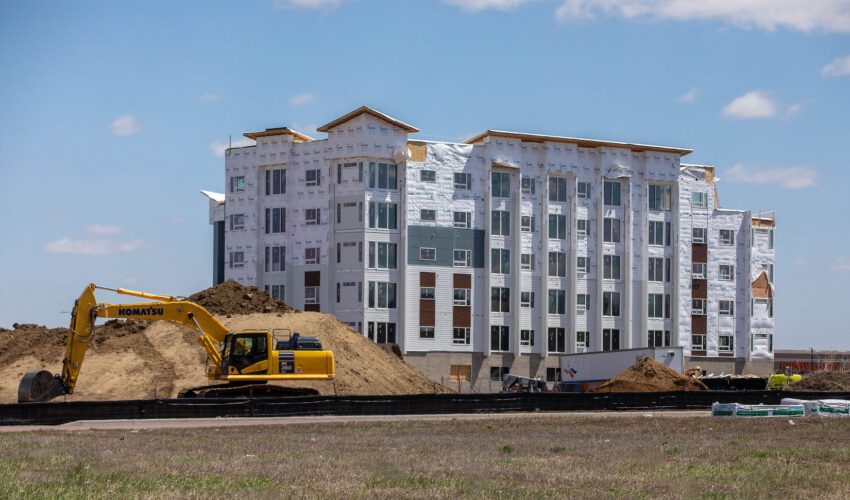
But labor shortages in the construction trades are causing further delays in many tenants’ construction schedules.
Material shortages can cause significant delays
Delays and shortages of certain materials also have contributed to build-out challenges. While in Las Vegas last week for the retail show, I joked with a retailer about the fact that we were negotiating the commencement date of a lease term based on when we thought we could get the electrical switch boxes for the space. That’s definitely something new.
We’ve found ourselves in a one-world-economy. When China or India shut down, creating standstills in the production of construction materials, we’re stuck waiting.
Over the past several months, we’ve begun to see retailers and contractors purchasing materials ahead of schedule and storing them in warehouses, just for the peace of mind that they’ll have them when they’re ready.
While meeting with a big-box retailer last week, their head of real estate noted that they’ve been buying roofing material 12 to 18 months ahead of schedule. This added expense of paying to store materials simply has become a cost of doing business for many.
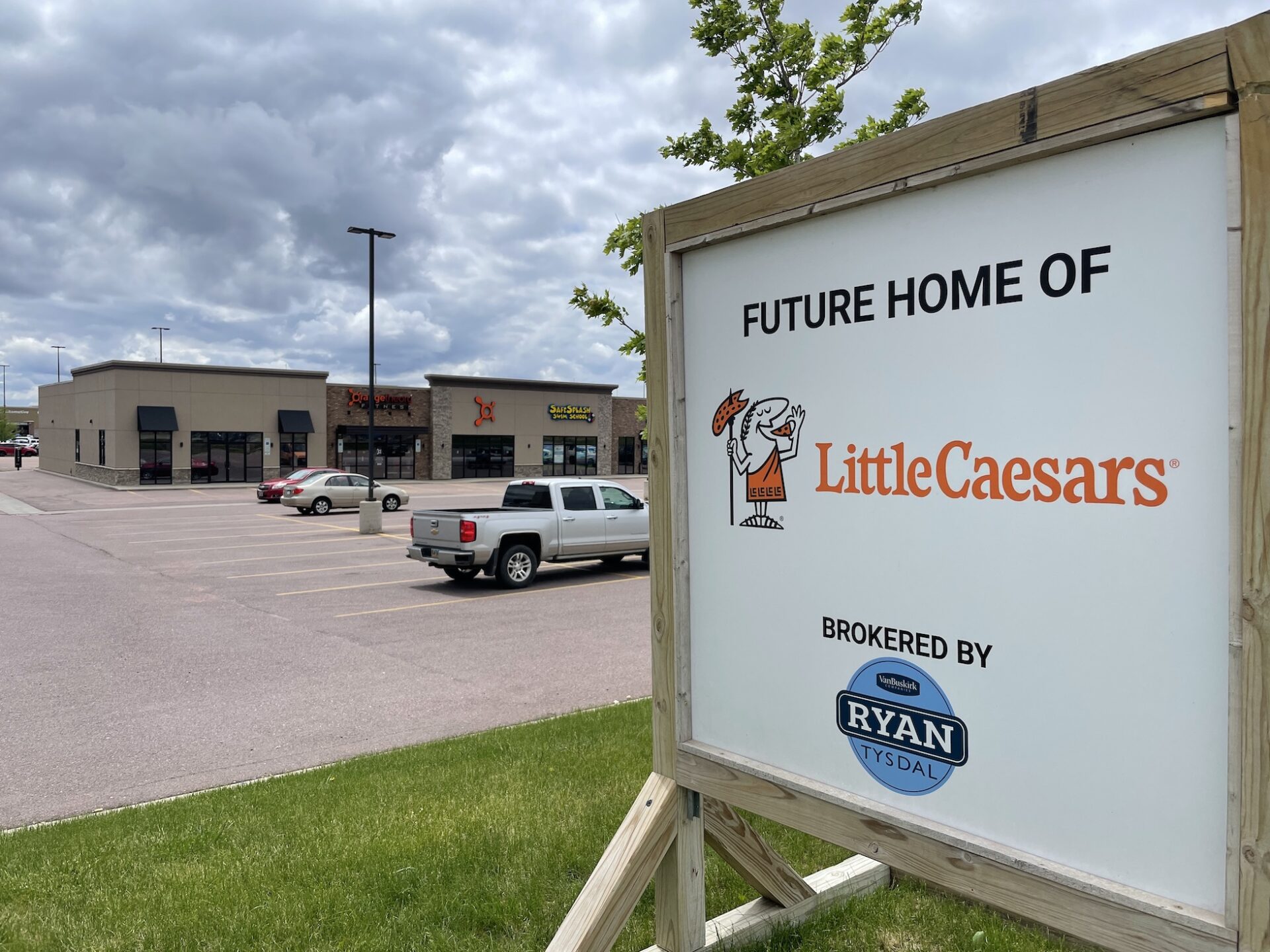
In a recent pizza tenant lease, we had to work through a 26-week lead time to get refrigeration equipment.
Cost-saving measures are commonplace
We are finding ourselves looking for alternative materials or value-engineering options throughout the lease process to find solutions to keep total project costs in line with what the market can bear.
While the construction adage “anytime is possible — for a cost” is definitely true, landlords are bound by the confines of what retailers and restaurants can afford to pay in monthly rent. We are finding ourselves pushing through constant headwinds trying to make total project costs line up with tenant rents, and it’s continuing to get more challenging.
In some cases, tenants have been willing and able to pay more rent to secure a prime location. But in other cases, we’re needing to find alternative solutions to make a project go.
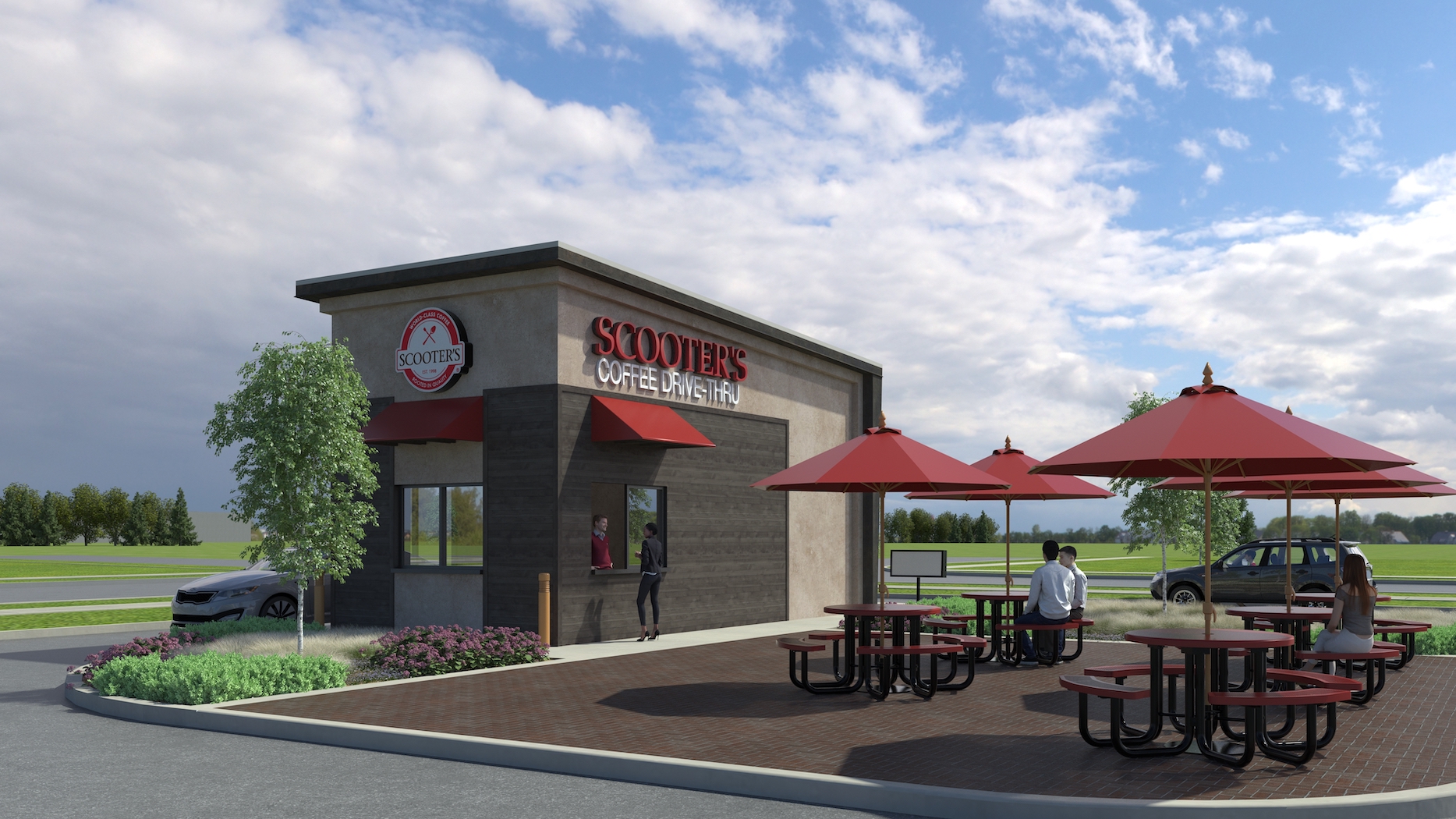
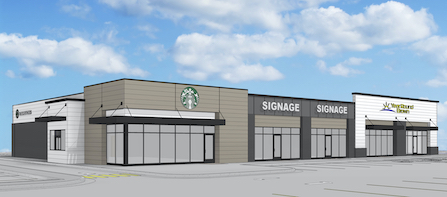
Sometimes that means taking on a larger-scale project to make the economics look better. For instance, it can be very costly to build a 2,500-square-foot freestanding location for a coffee shop. But if we build a 10,000-square-foot retail center with a coffee shop end cap, the blending of total costs with additional tenant spaces can be the key to making a deal come together.
Change is the new normal
Since the onset of COVID-19 over two years ago, retailers and restaurants constantly have been adjusting, tweaking and fine-tuning how they conduct business and how they are utilizing their space. They’re following an updated road map – one that takes into consideration new shopping habits formed over the past few years.
Nearly every retailer or restaurant has reconfigured their space in some way. In many cases, they’re changing front-of-house and back-of-house square footages. They’re redesigning their spaces to accommodate for online order pickups and returns.
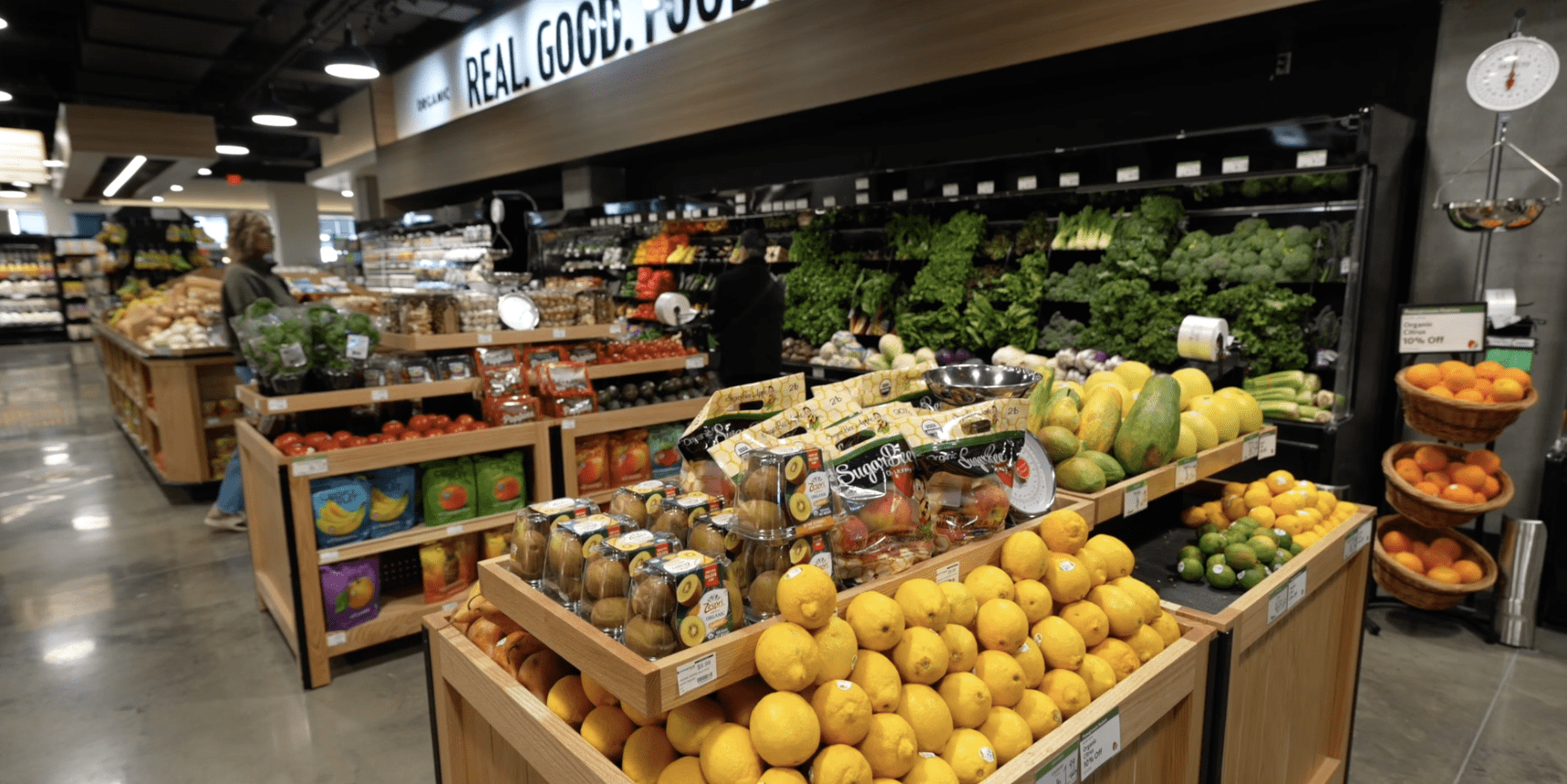
Case in point: Whole Foods. We’ve seen them experimenting with Amazon return centers within their stores. At first, Amazon had 1,000 square feet inside of Whole Foods. That continued to grow, and now they’re at 5,000 square feet.
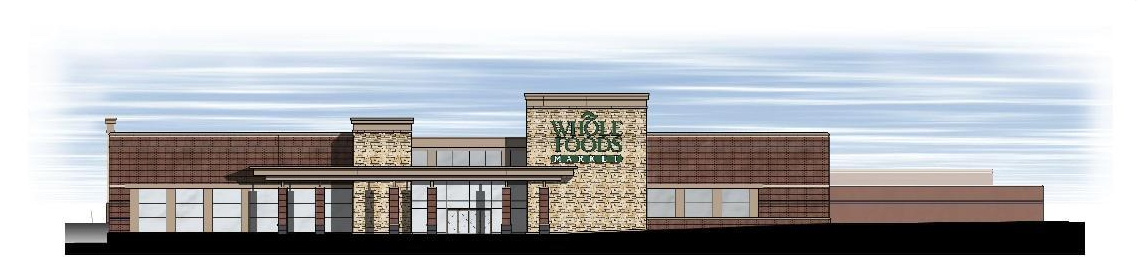
Amazon has forged similar relationships with retailers such as Kohl’s and The UPS Store.
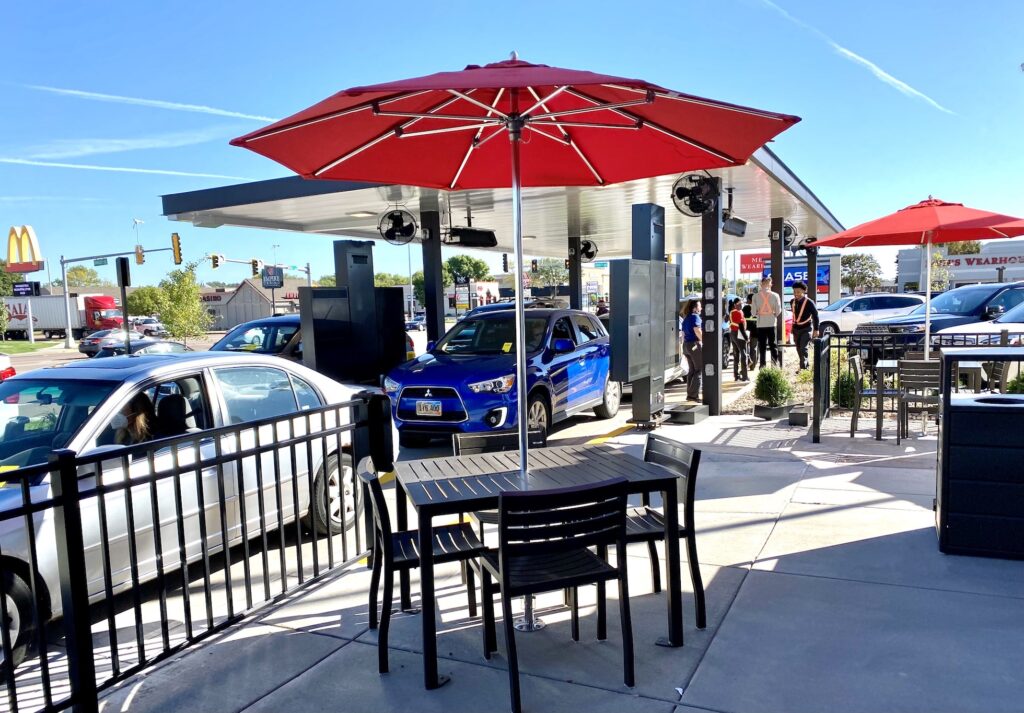
Outside the physical footprint of retail and restaurant spaces, operators are reimagining how they’re utilizing the land around their box. Where you once saw a drive-thru lane, you are now seeing a double drive-thru lane, which has become necessary for many QSRs to keep up with customer volumes.
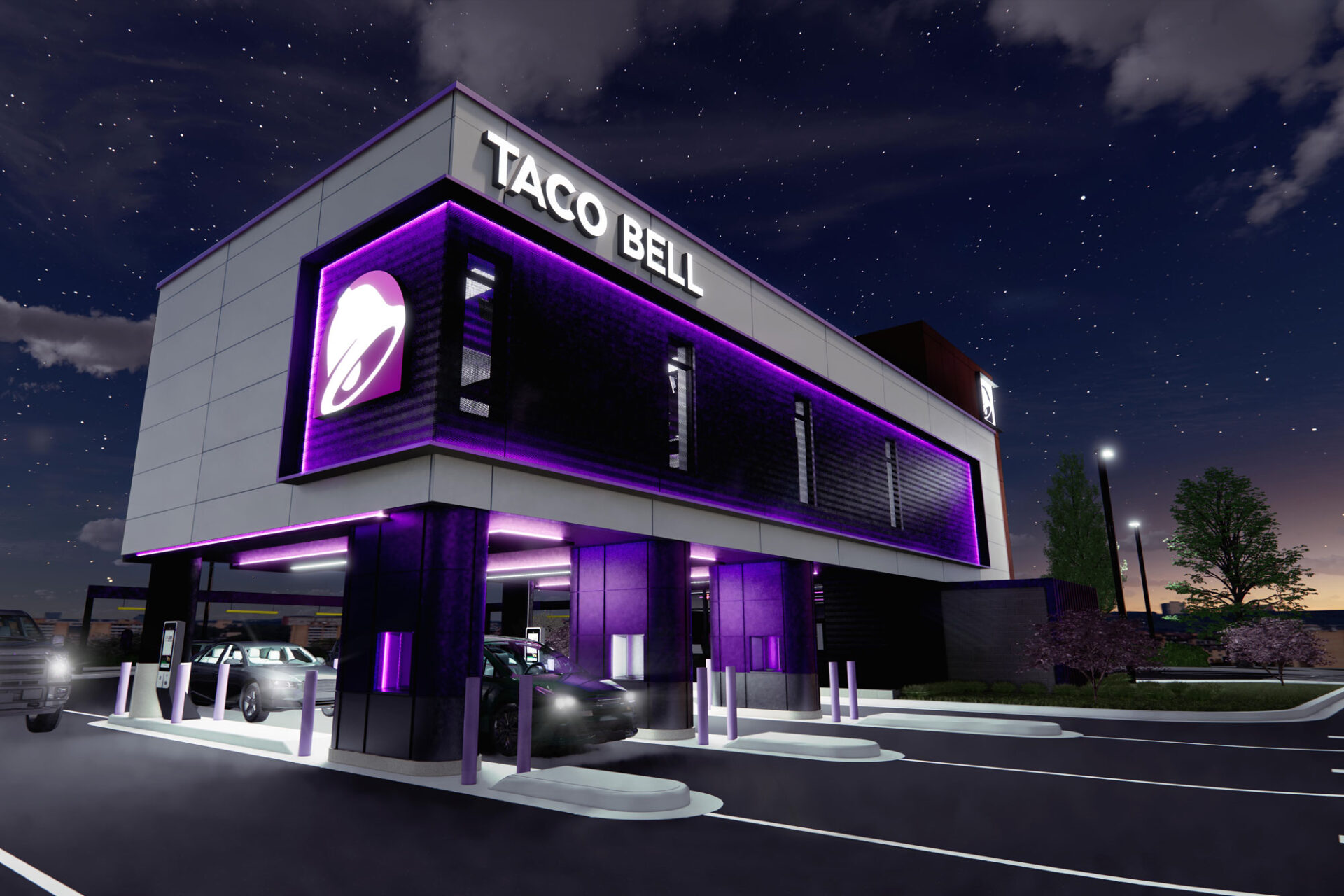
Taco Bell has even introduced a new drive-thru-only model with four lanes, with the food lowered to vehicles from a second-floor kitchen.
And in many cases nationwide, you’re finding expanded outdoor dining space as another response to the pandemic.
There’s also a trend toward more parking stalls designated specifically for online and mobile order pickups.
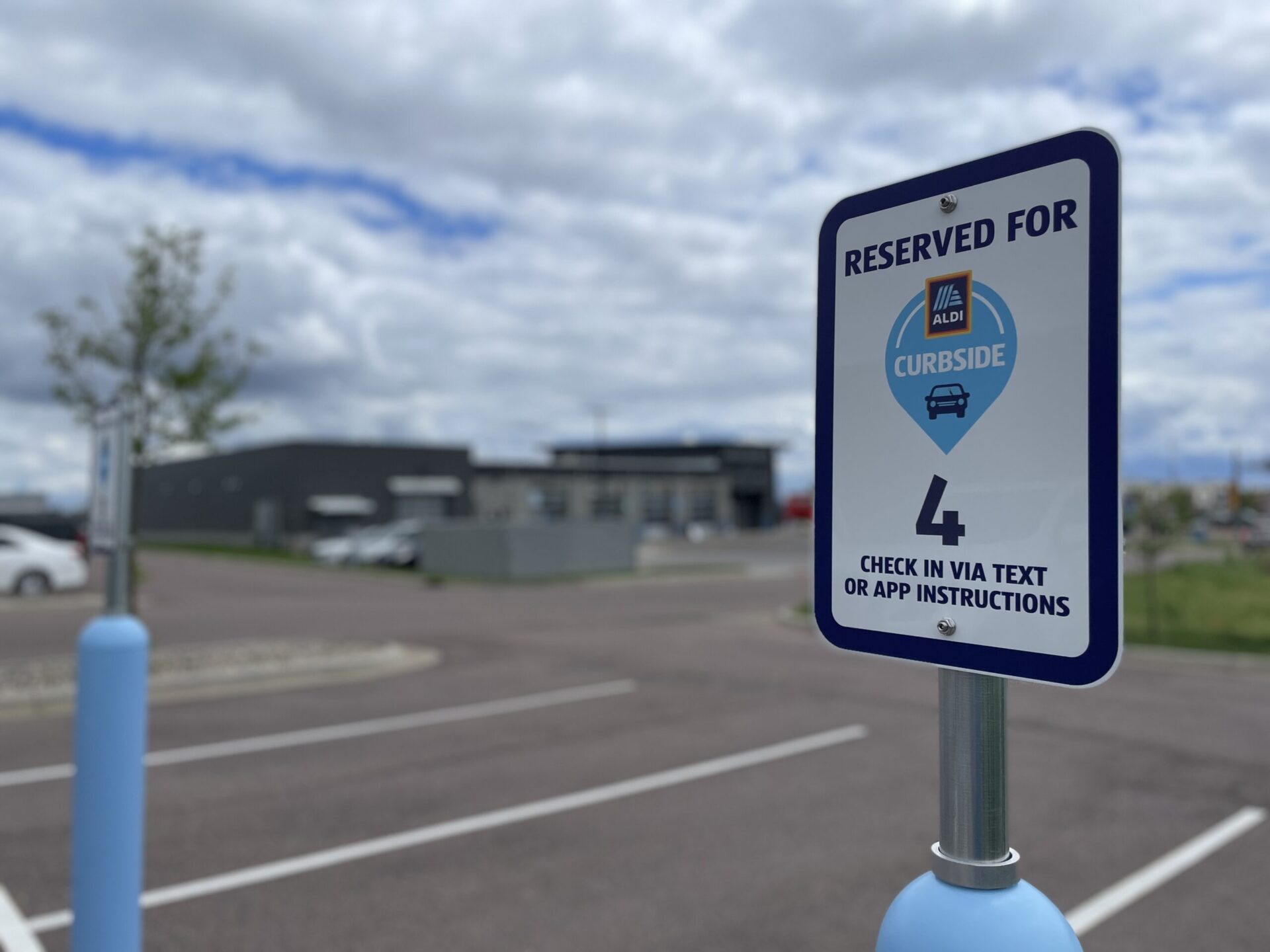
In one of the deals I’m negotiating, the retailer is requesting as many as 30 short-term parking stalls nearest the entrance to the store for curbside pickup. We never would have seen something like that just a few years ago.
In addition, the expansion into delivery services by many operators actually has decreased the need for what was once highly coveted parking space. From DoorDash to Uber Eats to drone deliveries, operators are finding more ways to get their products into customers’ hands.
Between resized boxes, expanded drive-thrus and dedicated parking for curbside pickup, you’re seeing retailers and restaurants reimagining how they’re using their space and land. And in most cases, the sizes of the sites aren’t necessarily smaller – they’ve just evolved with new designs to meet today’s shopping habits.
Tenants have begun to view landlords as allies, not adversaries
All these challenges – in a certain sense – have forged a new type of bond between landlords and tenants. As both parties are encountering obstacles, I’ve witnessed many retailers viewing the landlord – and the landlord’s contractor – as more of a partner on their team. Trying to work together to find solutions has become more normal than ever before.
Real estate deals undoubtedly will continue to face problems and roadblocks, and being flexible and working together to implement creative solutions has proven to be a successful model.
A key takeaway from last week’s deal-making sessions in Las Vegas is that everyone has to be nimble.
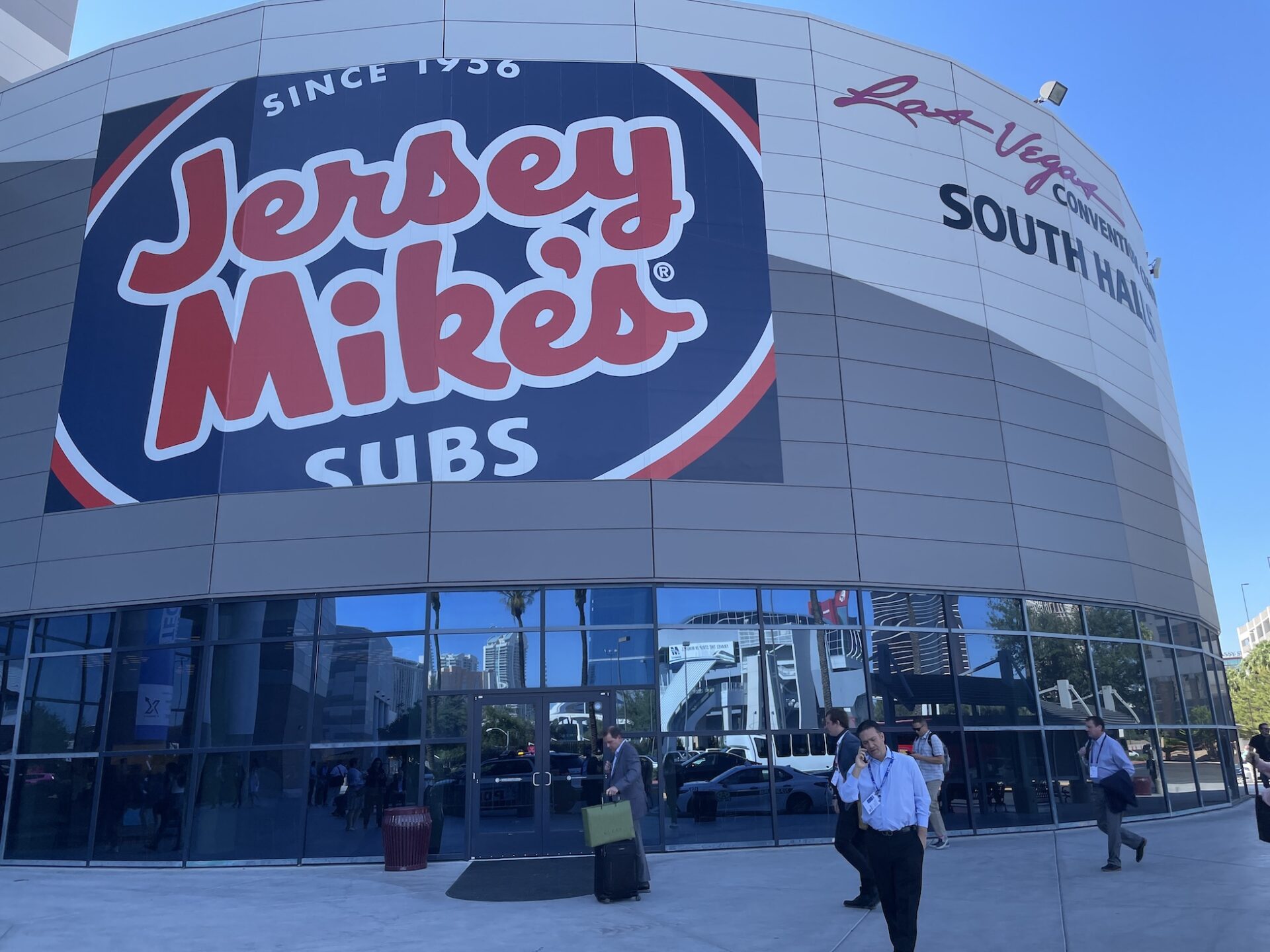
As we come off the Vegas convention, we have many deals to work through and get inked. And it’s fair to say that every single deal has been impacted in some way by the shift in how retailers have changed the way they do business.

Ryan Tysdal is a commercial real estate agent with Van Buskirk Cos.