What to know about geriatric dentistry
May 22, 2024
This paid piece is sponsored by Siouxland Oral Surgery.
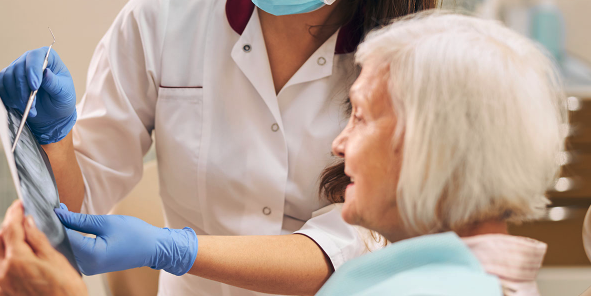
This month, we wanted to talk about geriatric dentistry. Perhaps this topic pertains to you or to older parents. As we are finding out, there are two parts to this: chronological age and biological age.
We all know people who are surprisingly “young” at 80 and 90 and then others that are “old” by 50 to 60. As time passes, the life expectancy of people is expected to rise from 67.5 in 2000 to 77 by the year 2050. Put another way, the population of people 60 and older is growing faster than other age groups and is expected to double by 2050. Right now, it accounts for approximately 25 percent of the population.

In some ways, modern dentistry has been successful in suppressing, treating and mitigating gum disease and dental caries at younger ages. This then results in more and more geriatric patients retaining their teeth. These retained teeth are at greater risk of failing because of accumulated damage over the years and needing more extensive treatments. This also happens at a time when other issues such as heart valve replacement, orthopedic joint replacement and coronary artery disease need to be surgically treated as well.
The consensus is that if you have a well-maintained dentition as you go from middle old to oldest old, you will have a better quality of life. That, however, is dependent upon your capability to accomplish the activities of daily living with some independence. So spending tens of thousands of dollars on complex dental care and then not being able to take care of it will result in early failures of the dental prosthetics, teeth or dental implants.
One of the chief problems is the reduction of saliva production as you age and the negative impact that many medications have on saliva production. Saliva has a critical function in protecting teeth from the effects of acid-forming bacteria, providing the water tension to help keep dentures in place, decreasing the incidence of oral yeast infections and many other protective features. This combination of factors leads to a lot of compromised teeth in the institutionalized population. Care staff oftentimes is underpaid and understaffed, so oral care typically is overshadowed by feeding, toileting and bathing.
Many, many times, the elderly choose to be edentulated because of the discomfort that they are in, the difficultly in caring for their dentition and the rising costs associated with that care. This is a sad scenario but unfortunately true.
Geriatric dentistry is an emerging field and, as you or someone you know ages, there will need to be some honest choices that must be made. These choices will be based on biological age not necessarily chronological age alone, also taking into account the expected time of good quality of life where you can complete the activities of daily living with some independence.
It is true that 80 is not the new 40 for everyone, but for those few who enjoy that blessing, all the best! Being mindful of your dental needs certainly will help to enrich those extra years.
Until next time!
Siouxland Oral Surgery
Oral Surgery By Oral Surgeons