Using energy more efficiently improves your bottom line
March 5, 2025
This paid piece is sponsored by Sioux Valley Energy and Southeastern Electric Cooperative.
Cooperatives and their commercial members share a common goal: using energy as efficiently as possible.
And when it comes to commercial energy, the savings add up quickly. Think of your local electric co-op as your business partner. Your co-op can improve your bottom line by providing details on how to save energy, including information on incentives and rebate programs. Whether you lease or own your facility, the following tips can help you save energy and money.
Your local electric cooperatives are here to help you find ways to manage your company’s energy use and keep electric bills in check.
“Winter months often bring some of the highest energy bills of the year,” said Sheila Gross, energy services specialist at Sioux Valley Energy.
“By being proactive about saving energy, you can reduce your monthly bills.”
Sioux Valley Energy and Southeastern Electric recommend the following tips to help improve your business’ energy efficiency.
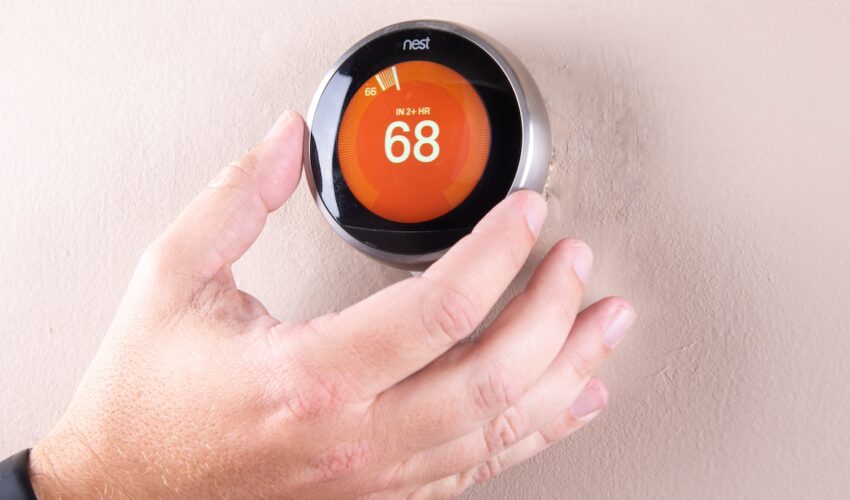
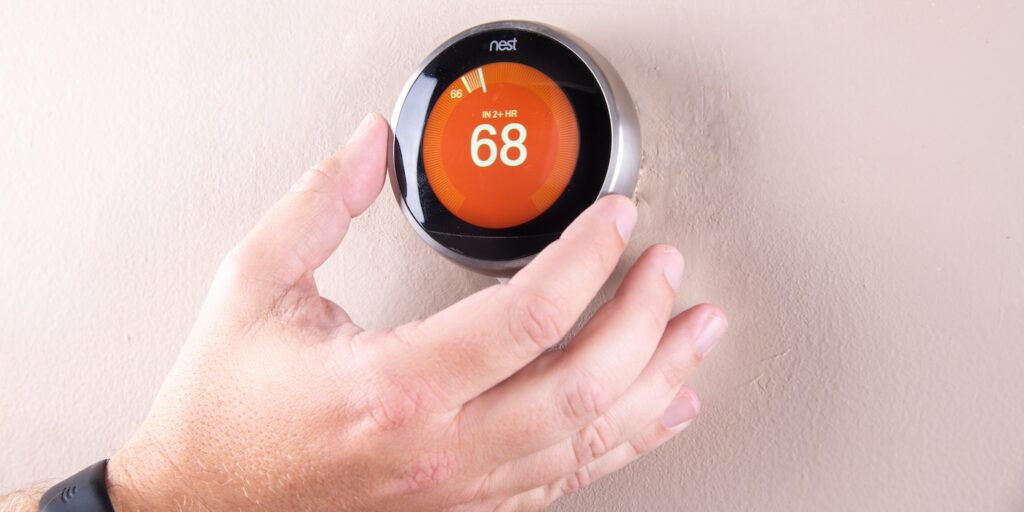
- Mind the thermostat. Heating and cooling significantly impacts energy bills. This is one of the easiest ways to manage your energy use. In the winter, we recommend setting your thermostat to 68 degrees or lower when you are in the building. When the building is empty for an extended period of time, try setting the thermostat between 58 and 62 degrees. In the summer, set the thermostat above 74 degrees while the building is occupied and adjust it higher after business hours. You can save up to 3 percent for each degree the thermostat is raised in the summer and lowered in the winter. Using ceiling or room fans improves air circulation. Zone-based heating and cooling can further decrease unnecessary energy use in unoccupied areas.
- Manage your lighting. It is recommended to turn lights off and keep on only what is necessary for security and safety when no one is present. By installing motion sensors, lights will turn off automatically when the room is unoccupied. Another way to reduce usage is by replacing less-efficient lights with LEDs.
- Evaluate appliance use. Appliances and electronics account for a significant chunk of our energy use, so assess how efficiently you are using them. Turn off office equipment when not in use. Using sleep mode on computers, monitors and copiers can help reduce energy costs by almost 40 percent. Look for electronic devices that consume energy even when they’re not in use like phone chargers or computers. Unplug them or use smart power strips or smart plugs to easily cut all power to equipment, saving energy and money. If replacing equipment such as a refrigerator or computer, purchase an ENERGY STAR®- qualified model. Minimize HVAC runtime when the facility is closed. Consider variable-speed heat pumps and mini-splits for savings and improved comfort.
- Maintain your HVAC system. Regular maintenance on heating and air conditioning systems keeps them running more efficiently. Regularly clean or replace the filters in your heating and cooling system. This also can help expand the lifespan of the equipment and potentially reduce future repair costs.
- Check motor operation. To maximize motor life and prevent bearing failure, ensure proper lubrication and maintain the correct operating temperature. Motors should be sized appropriately for the load to improve efficiency and longevity. Instead of rewinding motors that are less than 25 horsepower, replacing them with energy-efficient models can provide better performance and cost savings. It is important to prevent contamination and water from entering motors to avoid damage. Using an adjustable-speed drive for motor-driven equipment can enhance efficiency and control. Regularly checking for compressed air leaks helps reduce energy waste. We recommend evaluating the potential savings from variable-speed air compressors, which can lead to more cost-effective operations. Furthermore, replacing air tools with electric battery-powered alternatives can improve efficiency and reduce reliance on compressed air systems.
“Sioux Valley Energy and Southeastern Electric’s energy experts can help identify areas and other factors impacting your energy use and recommend next steps for savings,” said Todd Nelson, vice president of IT at Southeastern Electric.
For a complete commercial energy savings guide click here.
To contact your local electric cooperative, check out their websites: siouxvalleyenergy.com and southeasternelectric.com.