Top 10 numbers that tell the story of travel in Sioux Falls
May 21, 2026
This piece is sponsored by Experience Sioux Falls.
Travel is doing more than filling hotel rooms in Sioux Falls. It’s supporting jobs, driving tax revenue, attracting events and helping shape how visitors — and increasingly residents — experience the city.
New data commissioned by Experience Sioux Falls from an expert industry firm shows that the visitor industry generated an estimated $1.2 billion in visitor spending in Sioux Falls in 2025 as the city continued building momentum as a regional destination.
The numbers help explain why tourism increasingly matters to Sioux Falls businesses far beyond hospitality alone.
“Travel touches almost every part of our economy,” said Teri Schmidt, CEO of Experience Sioux Falls. “When visitors come here, they’re staying in hotels, eating in restaurants, shopping, attending events, using transportation and supporting attractions throughout the community.”
Here’s a look at 10 numbers helping tell the story of travel in Sioux Falls.
1. $1.2 billion in visitor spending
According to a report from Tourism Economics using a combination of traveler data points, visitor spending in Sioux Falls reached an estimated $1.2 billion in 2025.
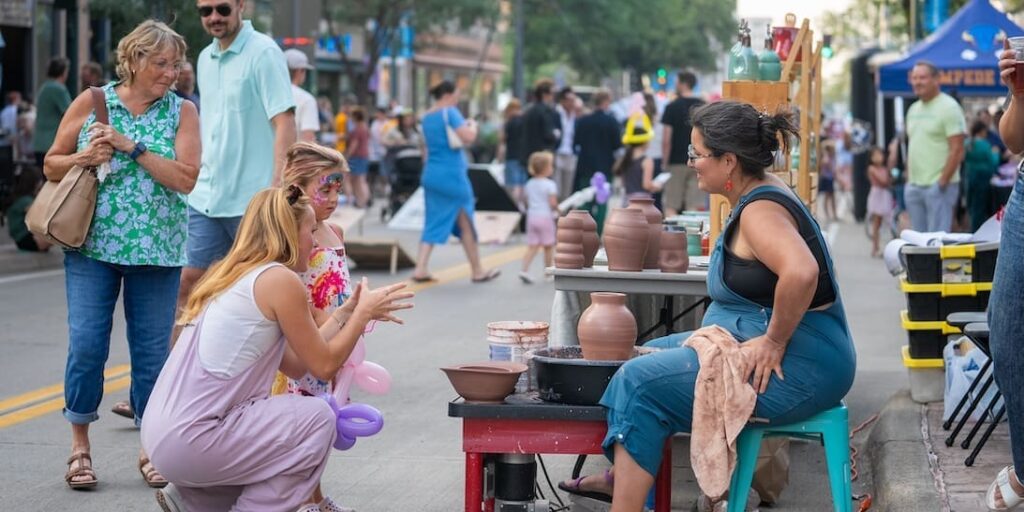
That spending reaches well beyond hotels and tourism-specific businesses. Visitors support retail, entertainment, restaurants, transportation providers and local attractions across the city.
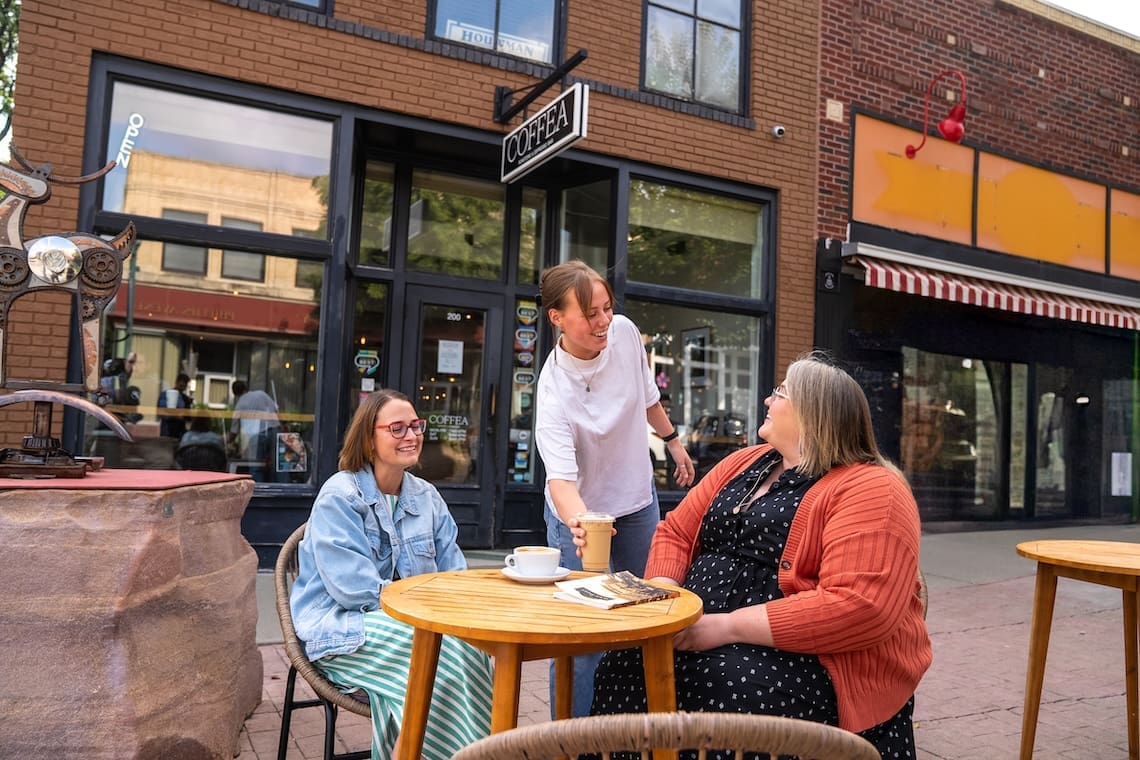
“When people think tourism, they often think hotels first,” Schmidt said. “But the impact spreads throughout the community and supports businesses of all kinds. It really demonstrates how interconnected the visitor economy is.”
The figure also reflects Sioux Falls’ growing role as both a destination and regional hub for sports, meetings, concerts and leisure travel.
2. 3.4 million visitors
Sioux Falls welcomed an estimated 3.4 million visitors in 2025.
For a metro area of roughly 300,000 residents, that represents a significant level of outside activity flowing through the local economy.
“The city increasingly benefits from its location as a regional drive-market destination,” Schmidt said, “especially as travelers look for shorter, more affordable trips.”
3. 40 percent of statewide visitor spending
The southeast South Dakota region accounted for 40 percent of all visitor spending statewide last year, totaling more than $2 billion.
That means Sioux Falls and the surrounding area continue to serve as a major economic engine for South Dakota tourism, with 2025 marking the fourth consecutive year the southeast region has led the state in visitor spending.
The area benefits from a mix of business travel, sports tournaments, medical visits, concerts, conventions and leisure tourism that creates year-round activity instead of relying solely on seasonal peaks.
4. $3.3 million spent every day
Visitors spent an average of $3.3 million every day in Sioux Falls in 2025.
That daily activity supports restaurants, retailers, attractions, hotels and transportation providers across the city.
“When you break it down daily, it really opens your eyes to how much visitors contribute to the local economy on an ongoing basis,” Schmidt said.
It also highlights how tourism has evolved into a year-round economic driver rather than something tied only to summer travel.
5. 10,276 jobs supported
The visitor economy supported 10,276 jobs in Sioux Falls in 2025 — equivalent to about one in 20 jobs citywide.
The report notes that those employees could fill the Denny Sanford PREMIER Center to capacity.
Food and beverage businesses accounted for the largest share, with nearly 2,800 jobs tied to visitor activity. Recreation, lodging and retail also represented major employment sectors.
6. $126 million in state and local taxes
Visitor activity generated $126 million in state and local tax revenue in 2025.
Sales taxes represented the largest category, though tourism also contributed to lodging, property and excise tax collections.
Those revenues help support local and state government services like infrastructure and amenities without relying solely on residents and local businesses.
7. $1,462 saved per household
Without tourism-generated tax revenue, each Sioux Falls household would need to pay an additional estimated $1,462 annually to replace those dollars, according to the report.
The figure helps quantify tourism’s broader economic value for residents who may not directly work in the industry.

“That’s one of the most important numbers in the report,” Schmidt said. “It shows tourism isn’t separate from the community — it benefits everyone who lives here.”
8. $311 million spent in retail
Retail represented the largest visitor spending category in Sioux Falls at $311 million, accounting for 26 percent of all visitor spending.
That includes shopping throughout Sioux Falls, from downtown boutiques and specialty retailers to larger commercial districts.
Transportation spending followed closely behind at $290 million, while food and beverage spending totaled $249 million.
9. Recreation spending grew 5.6 percent
Among all spending categories, recreation saw the strongest growth in 2025, increasing 5.6 percent year over year.
The increase reflects growing interest in experiences tied to sports, entertainment, arts and outdoor recreation.

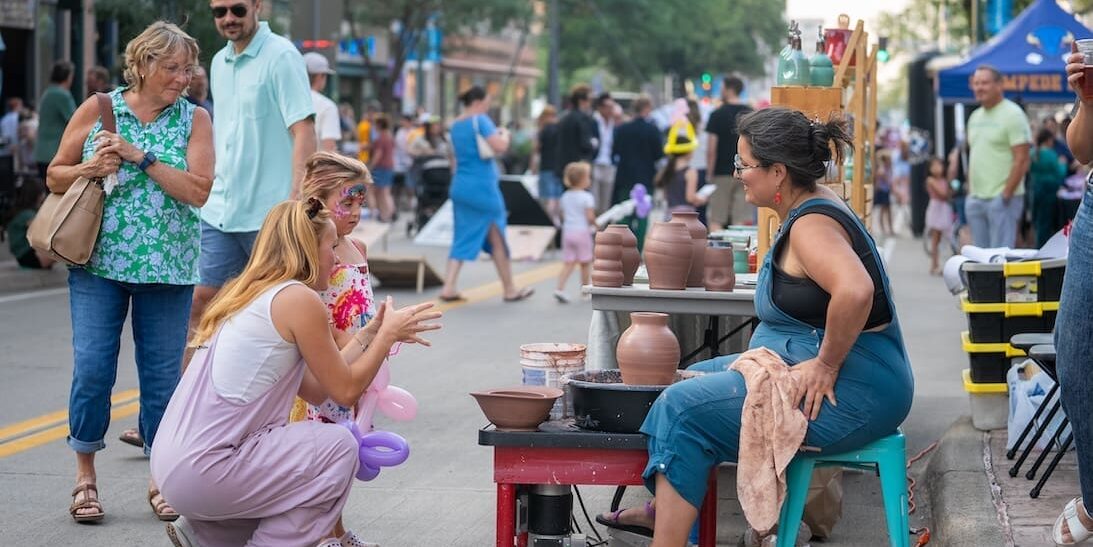
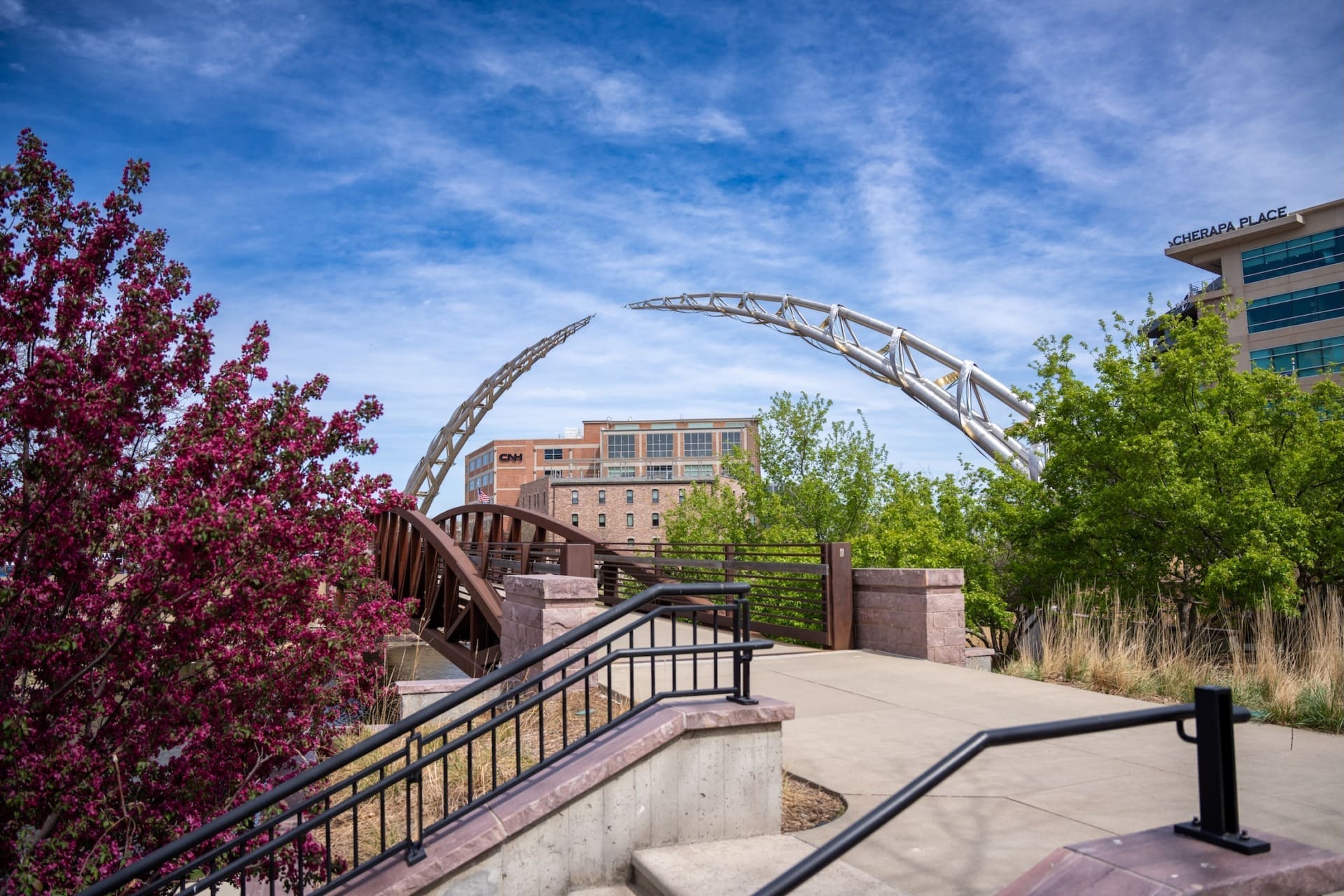
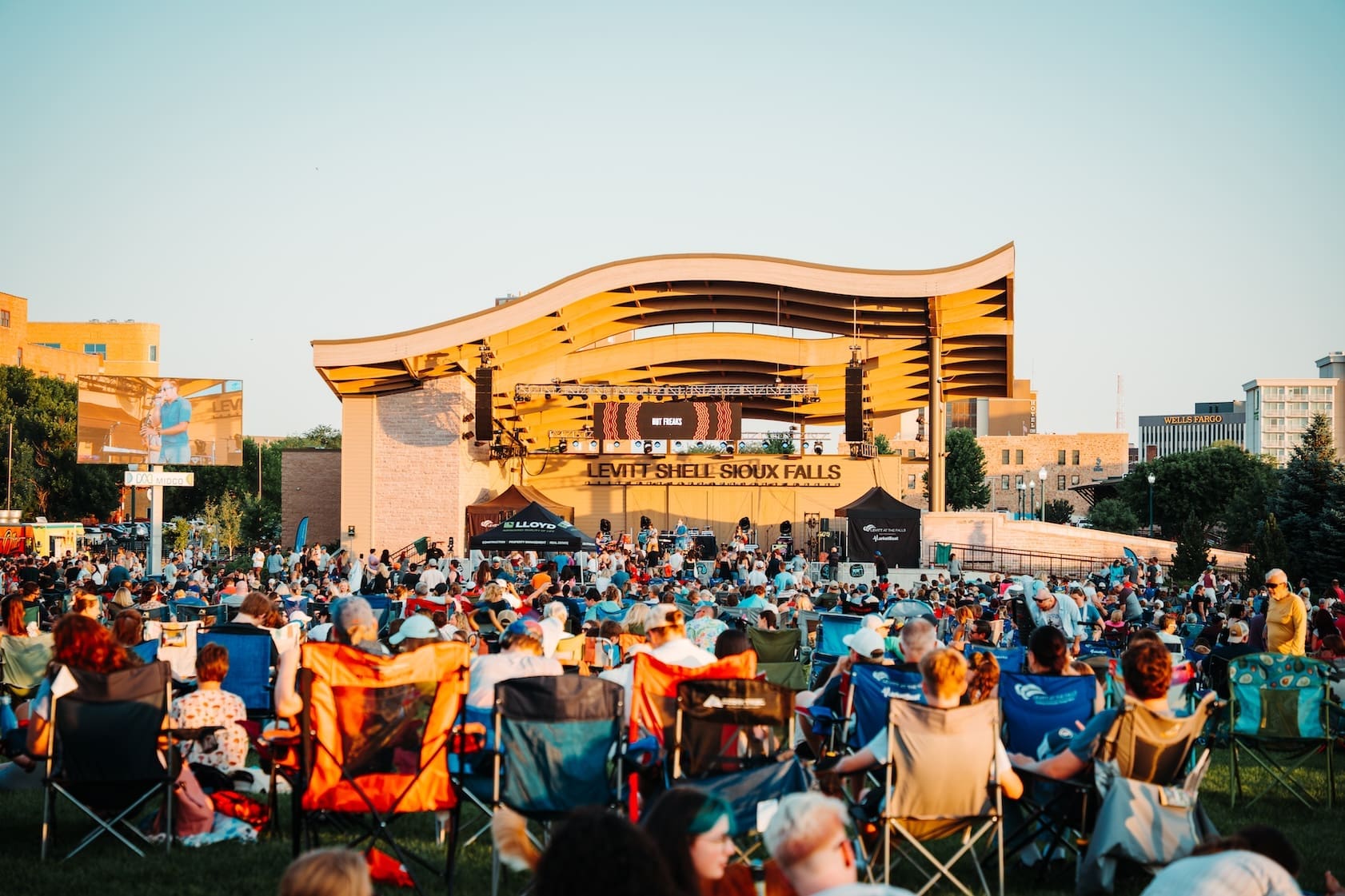
Free attractions such as Levitt at the Falls, SculptureWalk, Falls Park and the success of youth sports tournaments continue helping Sioux Falls compete as a regional destination.
“People are increasingly traveling for experiences, and we blend experience with affordability in a powerful way,” Schmidt said. “That’s an area where Sioux Falls continues to outshine other destinations.”
10. $1.8 billion in total economic impact
Visitor spending ultimately generated a total economic impact of $1.8 billion across the Sioux Falls economy in 2025, according to the report.
That total goes beyond direct visitor purchases and reflects how tourism dollars continue circulating through the local economy. The report estimates that the initial $1.2 billion in visitor spending generated an additional $613 million through supply chain activity and employee spending.
In addition to direct impacts at hotels, restaurants and attractions, tourism supports industries ranging from finance and real estate to construction, communications and business services.
“When visitors have a great experience here, they come back and they tell other people,” Schmidt added. “That helps support businesses across Sioux Falls and ensures they’re able to sustain so locals can enjoy them too.”
Take a closer look at the visitor industry’s impact below: