Sanford Health intends to merge with Wisconsin-based system
July 10, 2024
Sanford Health is making a new attempt at merging, this time planning to combine with a Wisconsin-based health system that would create a combined organization with 56,000 employees.
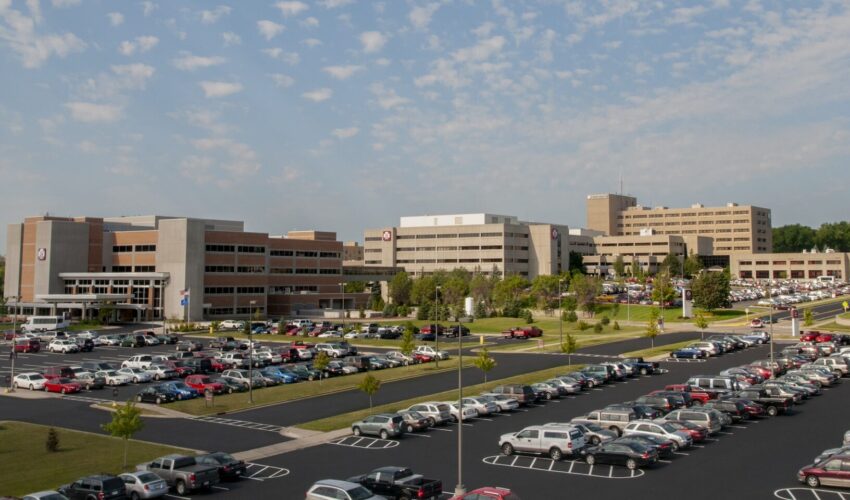
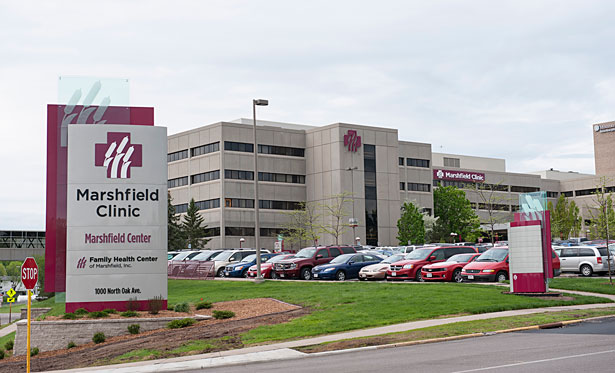
Marshfield Clinic Health System, a century-old integrated health system based in Marshfield in central Wisconsin, is about one-fourth the size of Sanford in terms of employees. It serves 45 communities across Wisconsin and the Upper Peninsula of Michigan.
The combined organization would have had $10.3 billion in revenue in 2023, ranking it just outside the nation’s top 20 largest health systems.
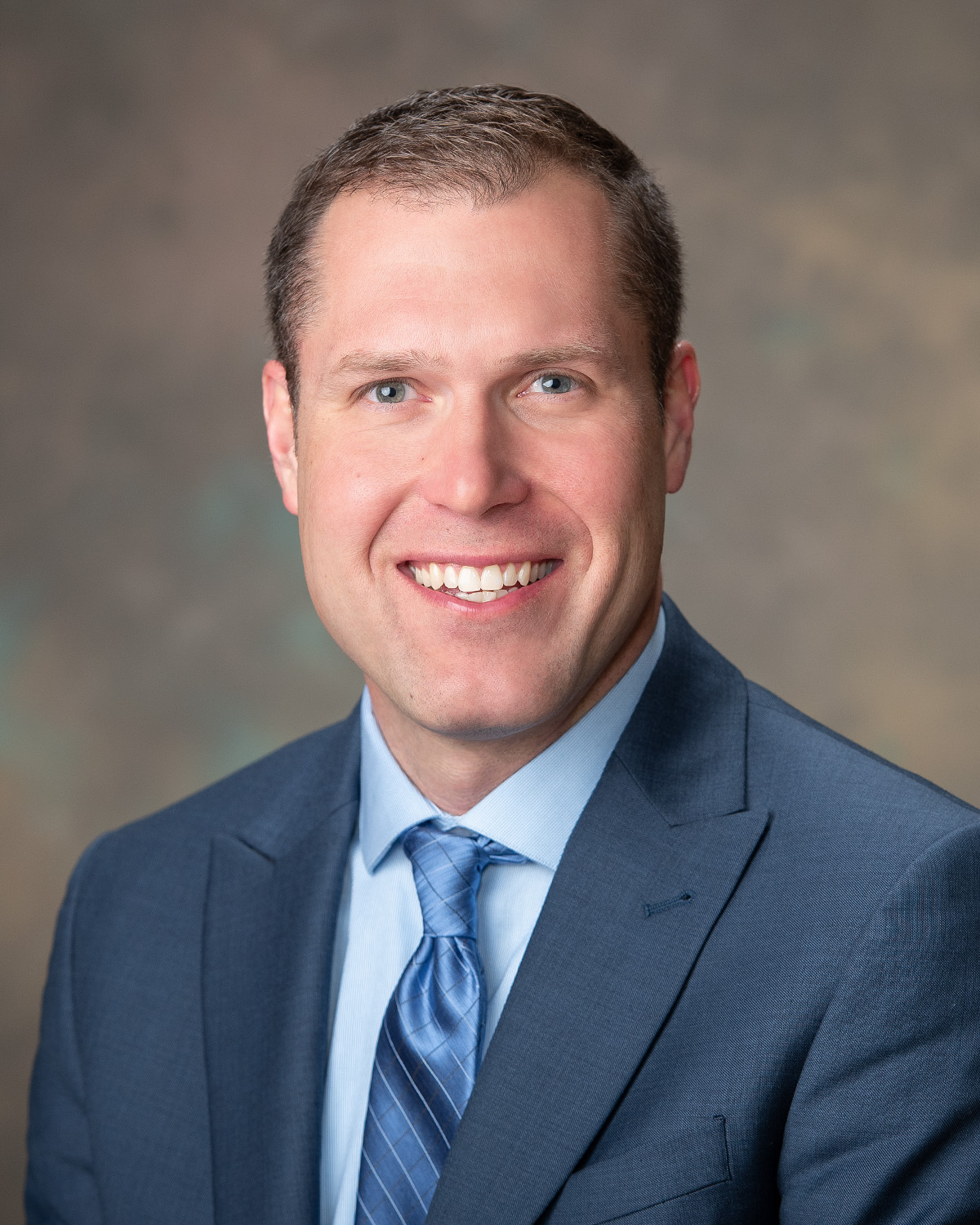
The combined organization would retain the Sanford Health name and be based in Sioux Falls, with Sanford CEO Bill Gassen as its leader. Marshfield Clinic Health System would become a region within Sanford Health, similar to Sioux Falls, Fargo, Bismarck and Bemidji, led by current interim CEO Dr. Brian Hoerneman.
“Sanford Health has an appreciation for the value of good, strategic partnerships,” Gassen said. “Sanford Health only exists today because of the benefit of coming together with so many like-minded organizations over the years. We’ve seen the great benefits that are derived from good, mission-oriented, patient-centric organizations coming together.”

For both systems, the proposed merger follows a failed attempt at combining with other health systems. Less than a year ago, Sanford’s second attempt to merge with Minnesota-based Fairview Health Services ended with both systems deciding to discontinue the process.
Marshfield experienced a similar outcome earlier this year after attempting to merge with Minnesota-based Essentia Health since 2022. They issued a joint statement that combining was “not the right path forward for our respective organizations, colleagues and patients.”
Sanford also discontinued mergers with Utah-based Intermountain Healthcare in 2021 and Iowa-based UnityPoint Health in 2019.
From the outside, “this is going to sound very familiar to people when they hear about it,” Gassen acknowledged.
The common factor in this case, though, is the shared culture of rural health care, he said. Marshfield is a community of less than 20,000 in central Wisconsin. The larger geographies served by the health system are in places such as Wausau and Eau Claire, which are both metro areas smaller than Sioux Falls.
“Two-thirds of the patients we serve at Sanford come to us from rural communities,” Gassen said. “We’ve been very outspoken about our aspiration to be the premier rural health system in the U.S. It’s an amazing opportunity to bring together these complementary organizations. I suspect as we share that news it’s going to make a lot of sense to people. It’s going to fit.”
Sanford reported $7.2 billion in revenue and operating income of $402.2 million in 2023, which is more than double the $192.3 million it posted in 2022, and is “off to another great start” this year, Gassen said.
“I think even more important than that was our progression against our targets to continue to improve our quality and access,” he said.
Marshfield currently is implementing a financial improvement plan following several years of losses, including $367.9 million in 2022 and $250 million in 2023.
“We really have made tremendous progress around addressing our financial challenges,” said Hoerneman, who became interim CEO in September 2023 but has been with the system for almost 20 years and still practices as an emergency room physician.
He points to the challenges of providing care in a rural geography along with declining reimbursement and increased cost of pharmaceuticals, labor and supplies. The system furloughed about 3 percent of its workforce earlier this year and ended up eliminating the jobs, mostly back-office and leadership positions, according to multiple reports.
Part of turning around its financial performance included “finding ways to reduce cost, how can we be more efficient looking at things like overhead while making sure we have the front-line clinical staff where they need to be,” Hoerneman said.
“That financial improvement plan has been very successful in 2024. We had a positive first quarter for the first time the organization has seen that in a couple of years, so the fact that we’re on a much better trajectory from that perspective has been a boost to the entire organization.”
Marshfield reported positive operating income of $12.6 million in the first quarter of 2024, versus a loss of $42.1 million in the first quarter of 2023.
Fitch Ratings recently revised its 2024 outlook for Marshfield from negative to stable while maintaining a BBB rating, forecasting a positive operating EBITDA margin of 7 percent this year “as the system continues to implement a comprehensive operating improvement plan,” it said. “MCHS is beginning to see the benefits of labor force efficiencies, revenue-cycle enhancement and other measures.”
The combined Sanford system would total 56,000 employees, 56 hospitals, 4,300 providers, two fully integrated health plans, specialty pharmacies and nationally recognized research institutions.
“We’re really excited about the combination and the chance for us to move forward,” Hoerneman said. “As we’ve gotten further along in the partnership, it’s become really clear how much similarity we share along the culture aspect — the values and the vision for the future. We’ve had great conversations with the Sanford Health team and have really gotten to know them well and just found a great degree of alignment between our two organizations.”
Between the systems’ two health plans — Sanford Health Plan and Security Health Plan, which is part of Marshfield — 425,000 members would be served. Security is slightly larger, covering 225,000 members. Both systems pointed to the benefits of integration in maximizing benefits.
Marshfield Clinic Research Institute is the largest private medical research institute in Wisconsin, with more than 30 Ph.D. and M.D. scientists and 200 additional staff, along with 150 physicians and other health care professionals who are engaged in medical research. The combined organization with Sanford would offer access to almost 1,000 active clinical trials.

“There’s so much that we have in common from the way we see the world; it’s going to allow us to do a better job addressing the three biggest challenges we face: how do we continue to improve access, how do we continue to improve quality and how do we do that in a financially sustainable way,” Gassen said.
“As I’ve had the opportunity and the Sanford board of trustees has had the opportunity to interact with Dr. Hoerneman and his team and great board, every time we do this we sort of walk away with a very similar statement, which is that it felt really natural.”
Following the completion of the merger, the plan is for Marshfield to nominate three people, including an independent physician from outside the health system, to join the Sanford Health board of trustees, growing it to 15 members. One Marshfield board member would serve on the executive committee.
Board chairs of both organizations provided supportive comments in a statement sent today.
Marshfield Clinic Health System board chair Dr. George Brown said the partnership “marks a new chapter in our organization, and we look forward to serving our patients as the nationwide leader in rural health care.”
Sanford Health board of trustees chair Lauris Molbert called it a “win-win for the patients and communities we serve and for our organizations that have had a long tradition of innovation, physician leadership and dedicated caregivers,” adding that the combination “will strengthen local, patient-centered nonprofit health care for generations to come.”
The merger is expected to close by the end of the year, subject to regulatory processes and closing conditions.