Needed: Massive fundraising in 3 days to bring lifesaving gene therapy to boys with rare disease
Oct. 8, 2025
This piece is sponsored by South Dakota Biotech.
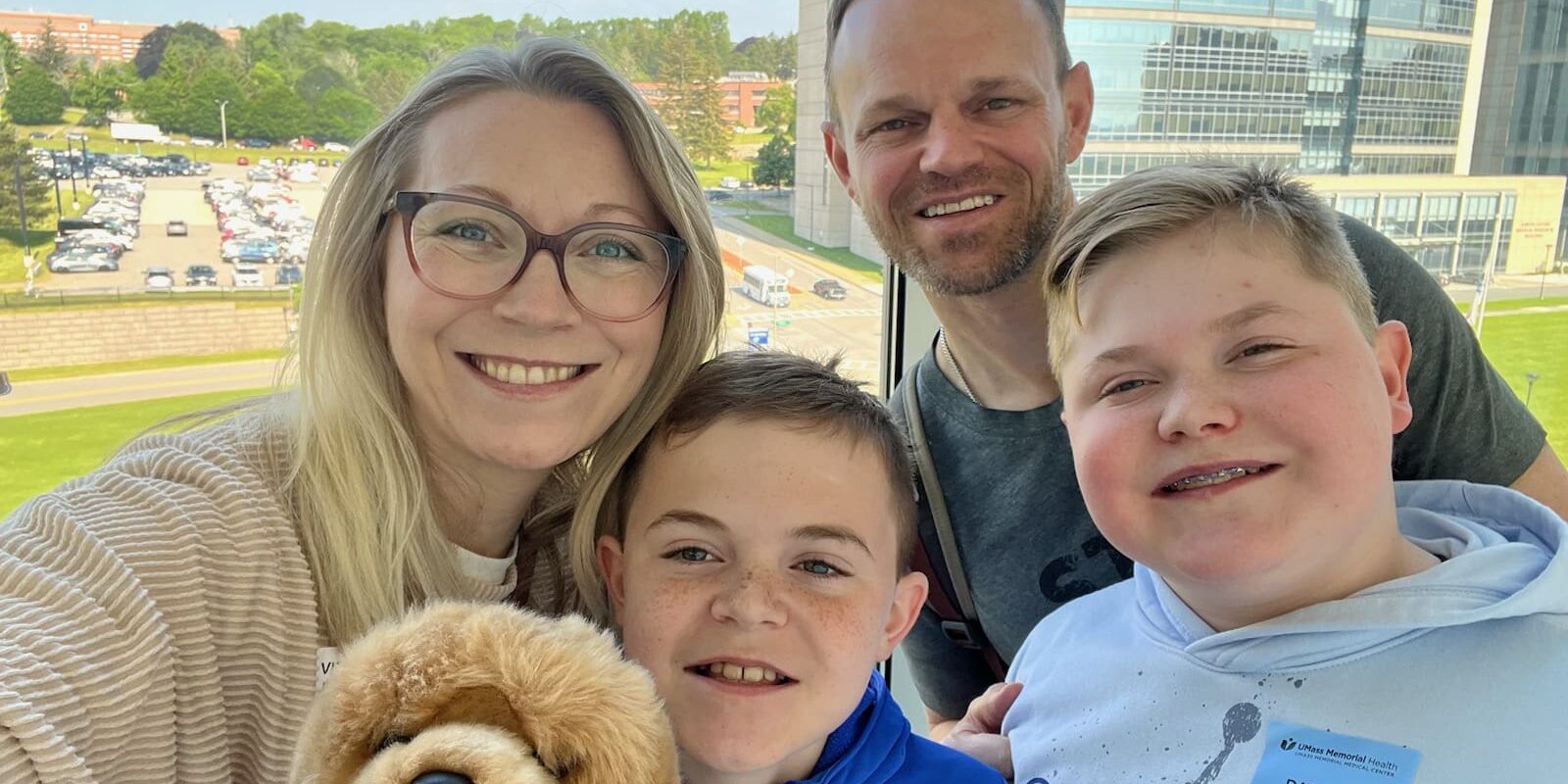
Fast-ticking time threatens to rob a Tea family of its future.
But the community rallying around Beau and JeanAnn Bryan and their sons, Sawyer and Wesley, hope to convince time to change its ways, to become a benefactor, not a thief.
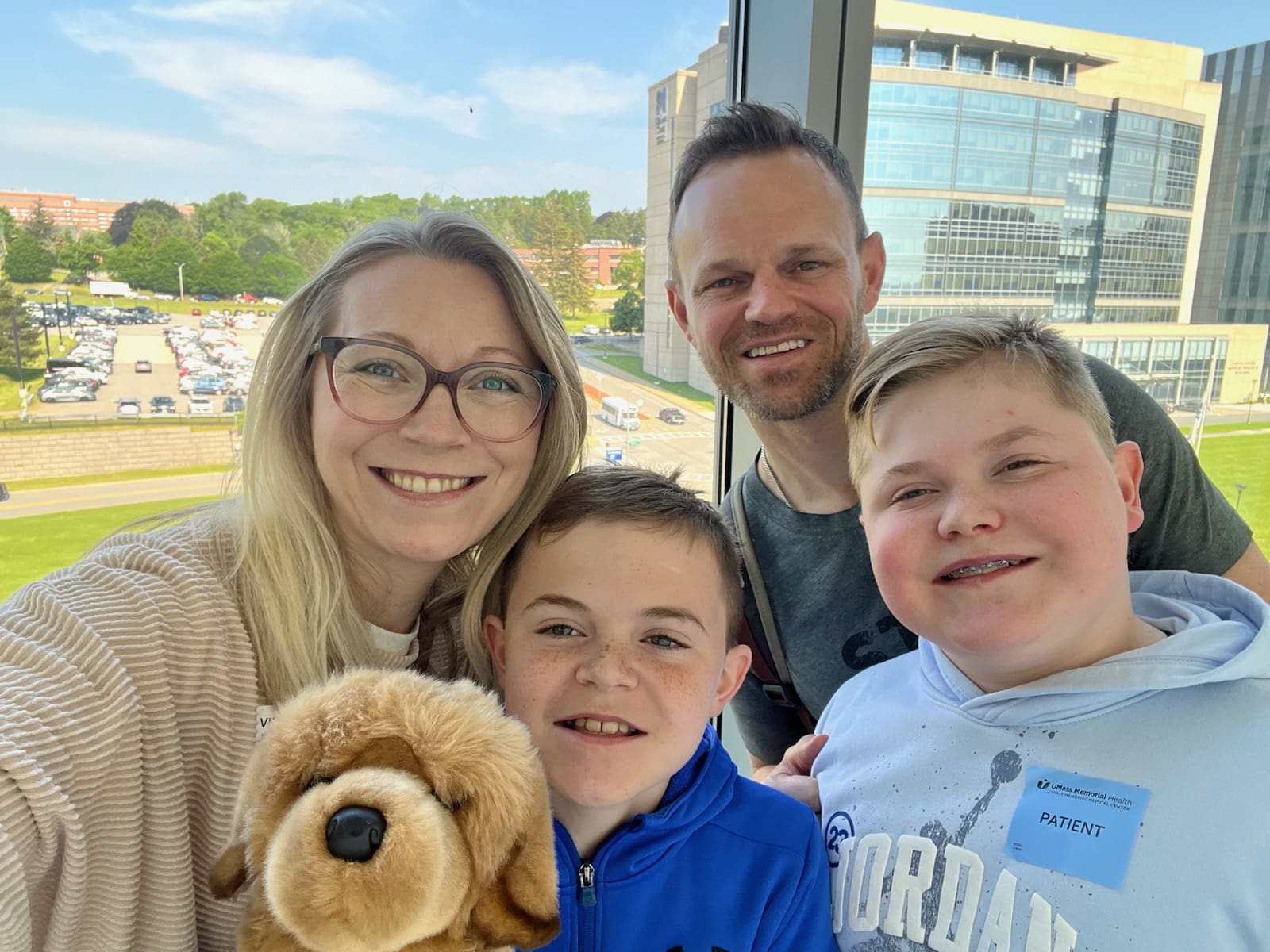
After several years of fundraising, almost $350,000 has been raised to begin a lifesaving gene therapy that will halt the progression of a rare neurological disease that slowly is taking away Sawyer and Wesley’s mobility.
However, $800,000 is needed before manufacture of the groundbreaking personalized treatment can begin, and the Bryans and their supporters must accomplish it by Saturday or face months of delays.
Duchenne muscular dystrophy is slowly paralyzing her sons, JeanAnn Bryan said. The parents can see the decline beginning in their sons, and they know time is essential.
The fundraising effort that they hope will put them over the top has been named the Bryan Boys Benefit: Western Casino Night and Auction. It will run from 7 to 11 p.m. Saturday at Icon Event Hall in downtown Sioux Falls.
Donations will include experiences such as an African safari hunt, Huskers football and volleyball tickets, a pheasant hunt, Black Hills cabin vacation, ice-fishing trip, The Lodge at Deadwood stay, local sporting teams tickets and a personal chef experience. Other items are a Traeger grill, PS5, 50-inch TV, Gunderson’s Jewelers, a Breville coffee maker and gift cards. The night will include two hours of casino gaming along with silent and live auctions.
It won’t be the last fundraiser because from start to finish, the boys’ treatment will cost $2.2 million. But without the initial $800,000, the custom gene-editing treatment designed specifically for Sawyer and Wesley’s unique genetic mutation cannot begin.
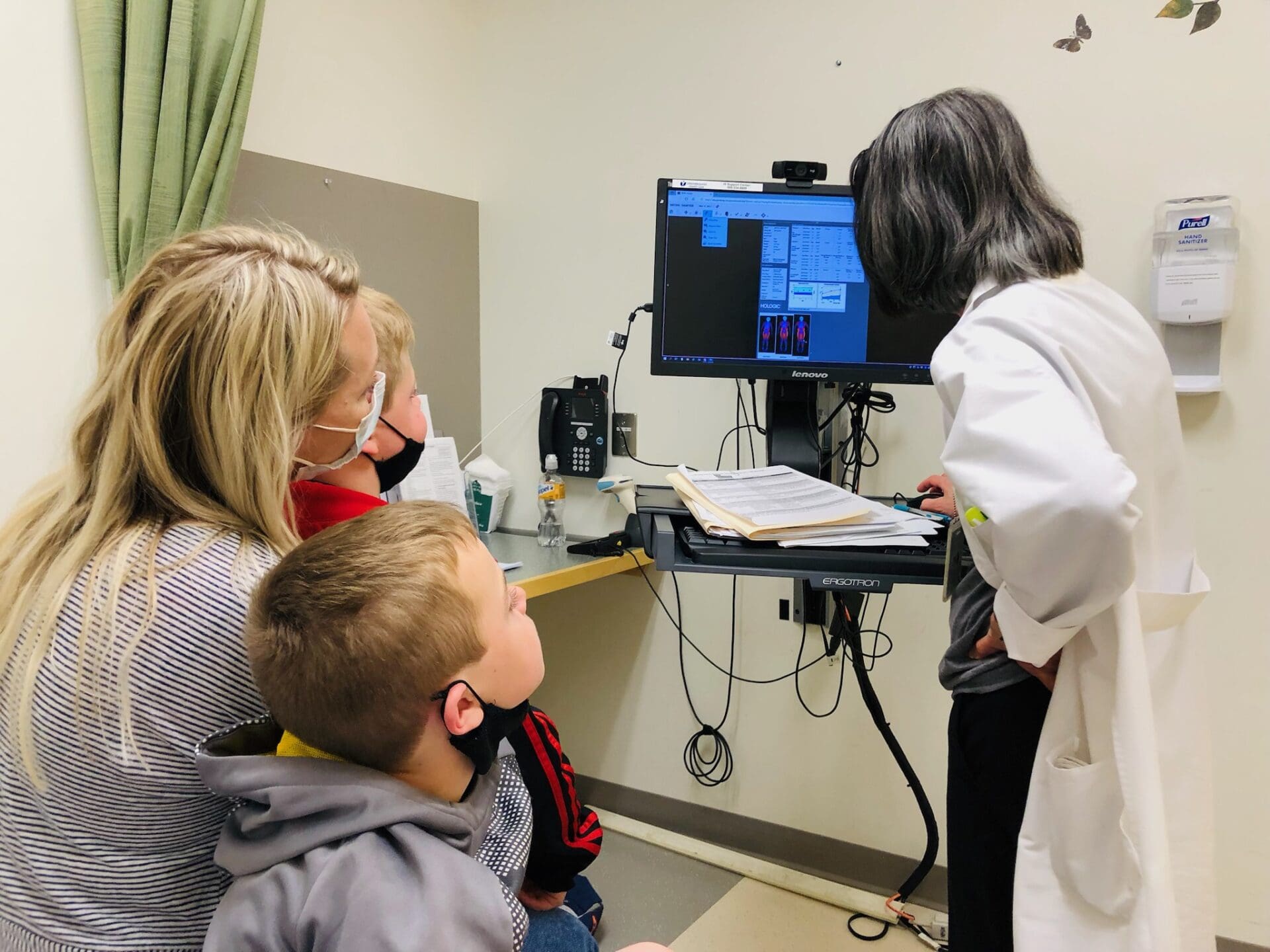
The treatment was designed in partnership with the nonprofit biotech Cure Rare Disease. It is one-of-a-kind, created for the Tea boys but likely to pave the way for future treatments for others with rare genetic diseases.
These are the diseases that hold little interest for pharmaceutical companies because individual drug development for small numbers of patients is so costly.
Rich Horgan founded Cure Rare Disease. His younger brother had been diagnosed with the unstoppable Duchenne, and while the emerging science behind precision medicine and gene therapy sparked hope, the existing drug-development infrastructure couldn’t meet the needs of his brother and many others.
It took three years to development a treatment for Horgan’s brother’s rare mutation, but he died during clinical trials. Cure Rare Disease’s goal did not end there, and it now works with multiple families, including the Bryans.
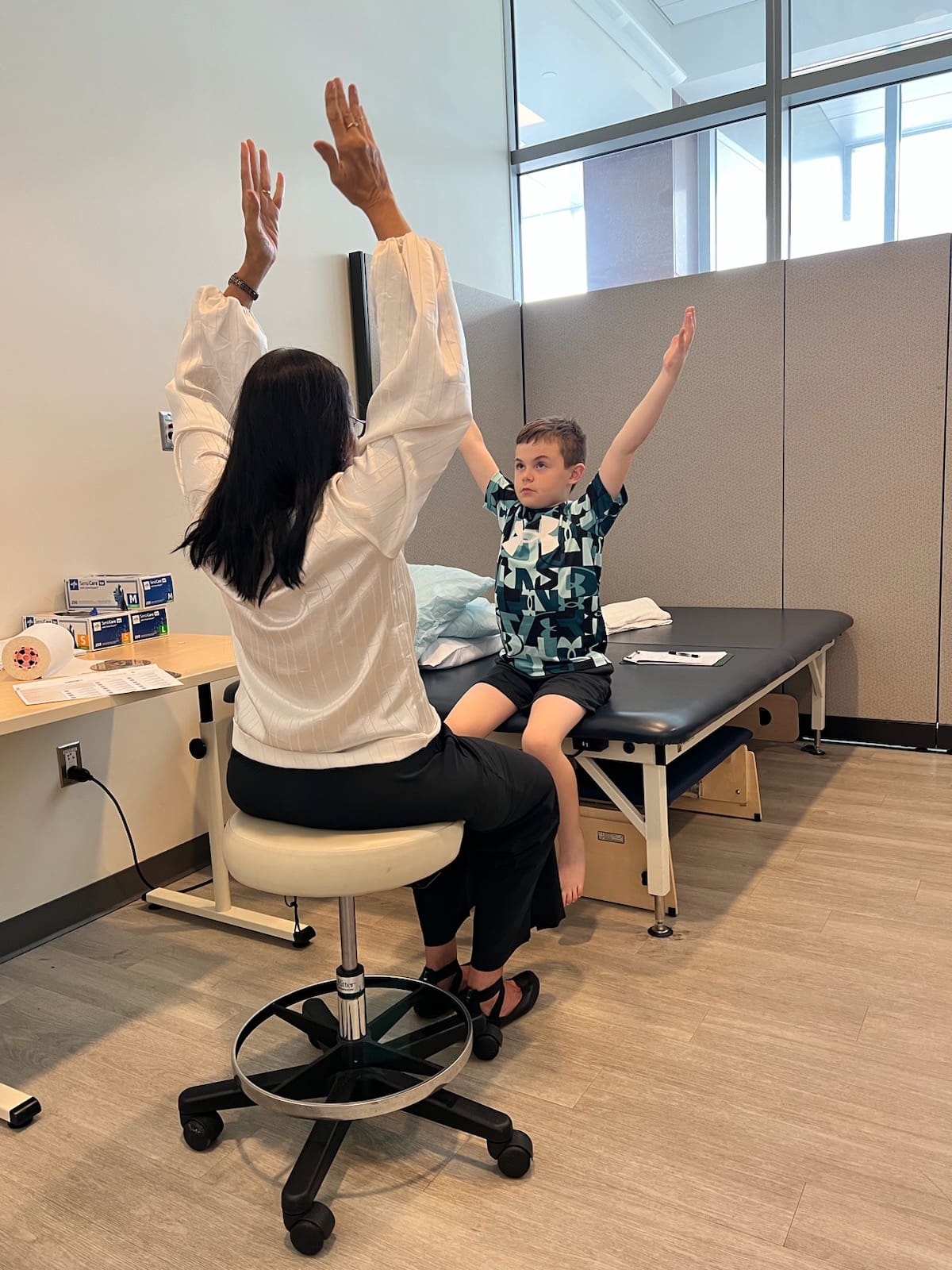
Beau and JeanAnn Bryan found Cure Rare Disease during their intensive search to learn more about their sons’ disease.
“Through that constant review and research and reaching out, we learned its founder was doing what we wanted to have done for our sons,” Beau Bryan said. “I would say we lucked out getting connected and being there early with Cure Rare Disease. He started in 2017 or 2018, and we were early on as a cohort.”
Beau and JeanAnn’s first journey officially began with their wedding on Oct. 14, 2006. He grew up in New Mexico but returned to his home state of Iowa in the summer to see grandparents and cousins. He chose the University of South Dakota for college and remained in the area.
JeanAnn grew up in “Herrick, which is next to Burke, which is next to Gregory, which is next to Winner.” She studied nuclear medicine at Southeast Technical College. On a visit to Vermillion, she asked a group of people if they knew her brother. Beau did — but the news his friend even had a sister came as a surprise.
The Bryans lived in Colorado for two years before deciding to return to South Dakota. They have lived in Tea since 2008. Beau is the director of call center operations for the Sammons insurance division; JeanAnn worked in radiation imaging for several years, stayed home when their boys were young, then became manager of the Tea School District lunchroom. She retired after the last school year as the boys’ needs have grown.
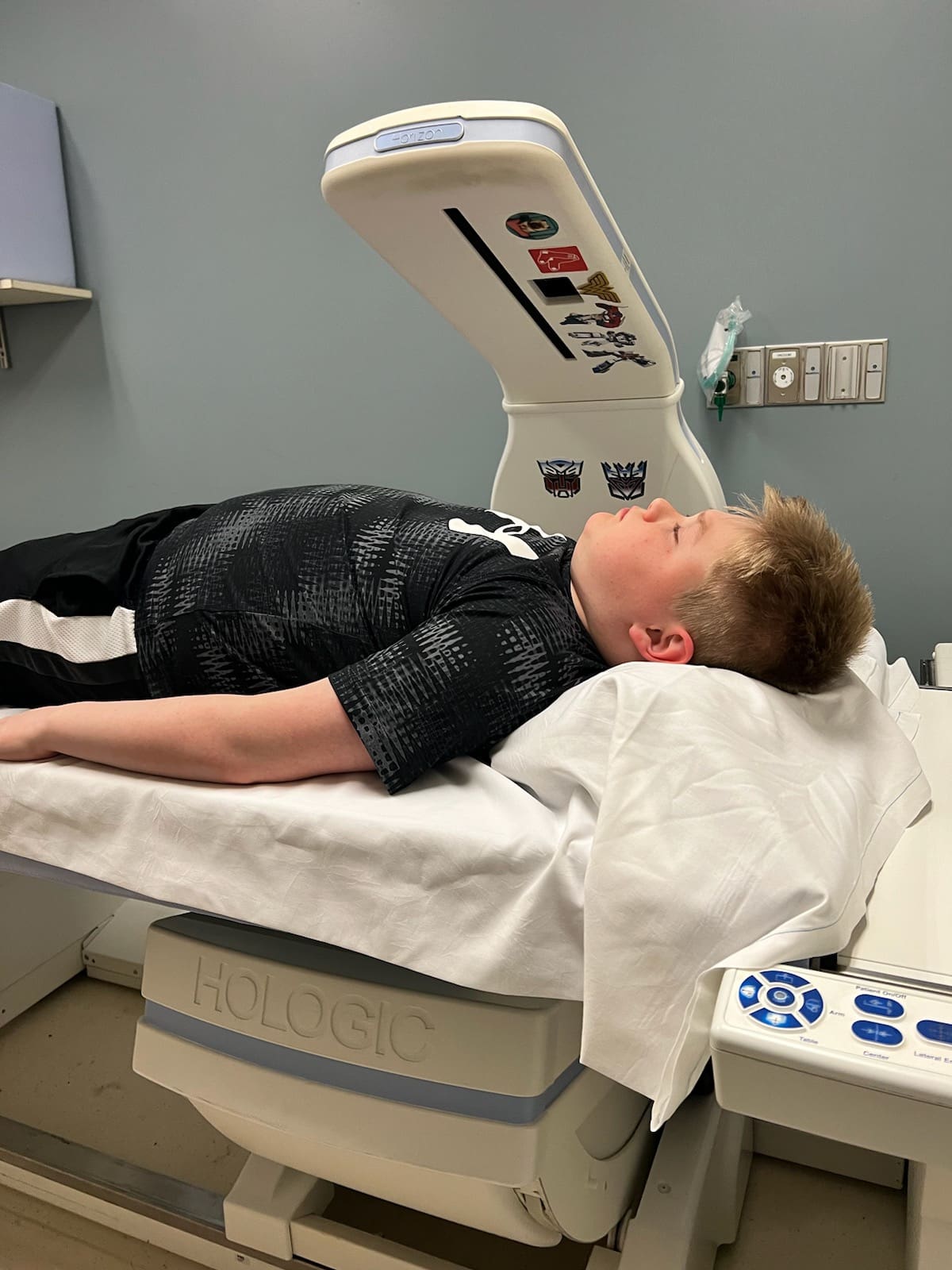
Their sons are like a magnet — if you try to separate them, they will pull back together, JeanAnn said. She describes Sawyer as “sweet and smart and funny,” while Beau said the 13-year-old’s sense of humor is starting to reflect his maturity level. Wesley is shyer in public but “a firecracker” at home. Now 11, he shares his brother’s dry sense of humor, and “he knows what buttons to push; he’s very clever,” Beau said.
When their older son began walking, the Bryans thought he carried himself a little differently. They suspected hip problems and repeatedly brought it up to their pediatrician, who dismissed their concerns. When Sawyer began playing soccer, he didn’t appear as agile as the other kids on the field. They requested physical therapy, hoping that could improve Sawyer’s agility.
When the physical therapist saw no improvement, she referred the Bryans to a specialist in movement, and the physiologist ordered bloodwork.
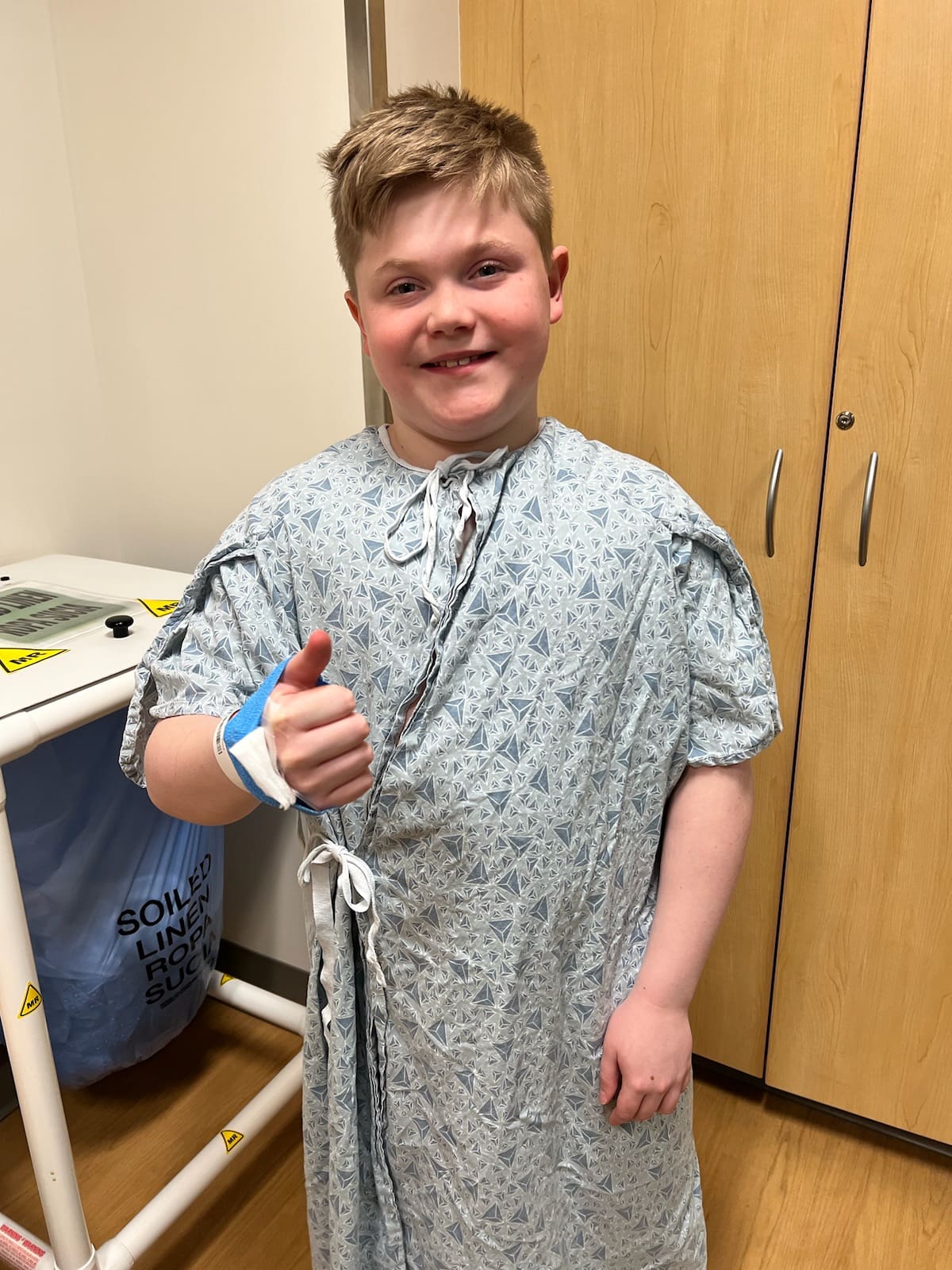
Those tests revealed that Sawyer had muscular dystrophy. A doctor confirmed the results a month later, and then it took another month for the genetic screening of the genome to determine the exact chromosomal error.
Sawyer was then 8. Although Wesley showed no symptoms, it’s usual to test other siblings. When the test results came in after more weeks of waiting, the Bryans learned that their younger son had an identical genetic error.
This is especially rare because muscular dystrophy usually occurs when both parents carry the recessive gene. Duchenne muscular dystrophy appears once in every 10,000 to 15,000 births in the United States. Most patients don’t live until their 30th birthday. As it progresses, the muscles lose mobility and function, and respiratory failure and heart disease become concerns.
Neither Beau nor JeanAnn carry the dystrophin gene that causes Duchenne. Instead, it was cells within JeanAnn’s eggs that duplicated the error in the dystrophin gene that strengthens and repairs muscles. Because of that, every child would develop Duchenne.
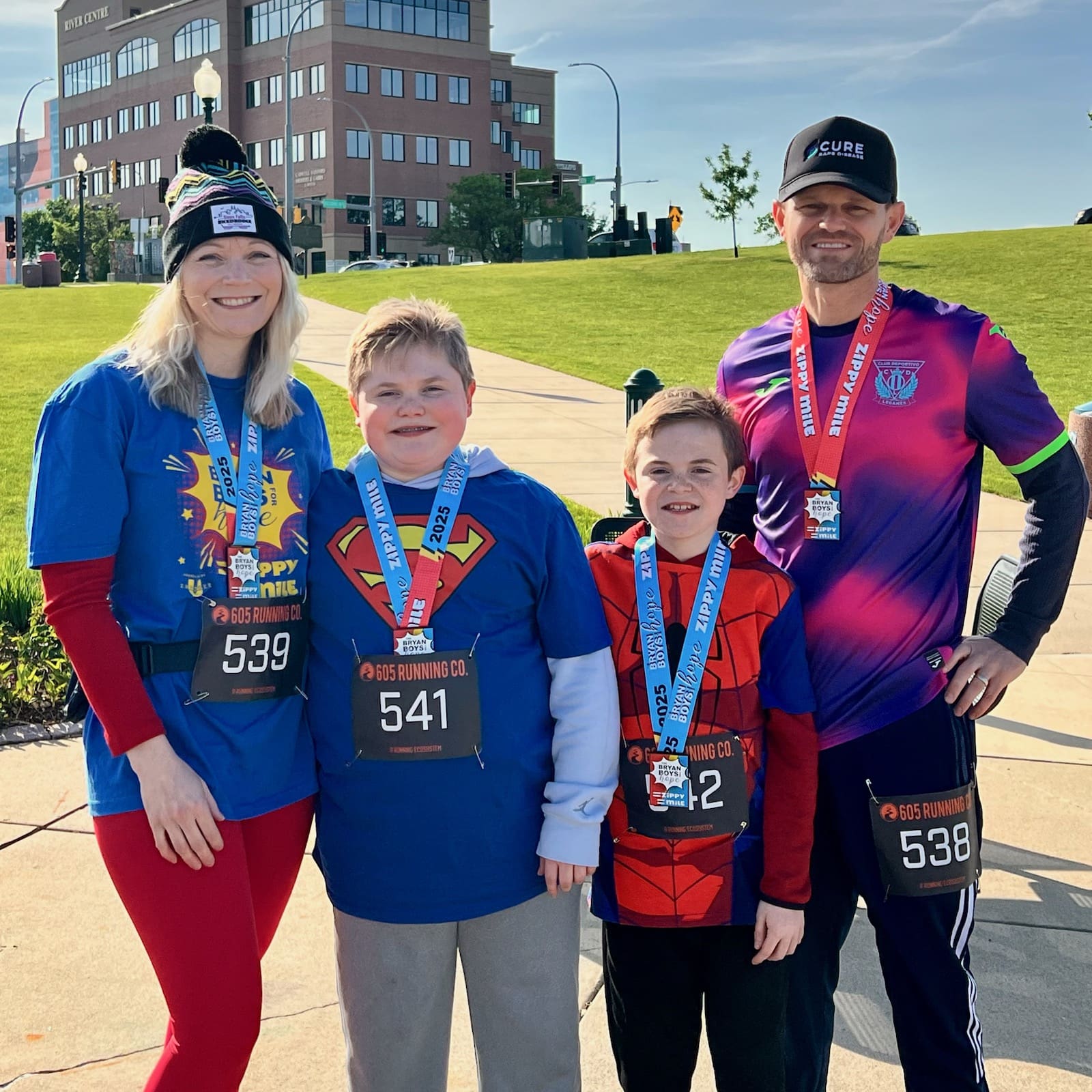
“It was a pretty rude shock,” JeanAnn said.
“We joke, saying we tend to hit all the long-shot stuff,” Beau said. “Maybe it’s a good omen, that we can reach the $2.2 million.”
When the Bryans first began reading about personalized gene therapy, it seemed like the stuff of science fiction. They quickly learned that it’s quite real and could make a difference in their sons’ lives.
Research into Duchenne muscular dystrophy has benefited from the progress of full genome sequencing to isolating the exact error in the gene to figuring out ways to produce therapeutics that will halt it in its tracks, Beau said.
The largest genome in the human body produces the proteins that keep muscle together. If it’s not being produced, as in Duchenne, it shuts down the body.
Three thousand different mutations can occur, Beau said. The technology that the Bryans are pursuing would edit their sons’ genes “like molecular scissors.” Hollowed-out viruses are filled with a drug that will find the specific error on the Duchenne muscular dystrophy gene and correct it.
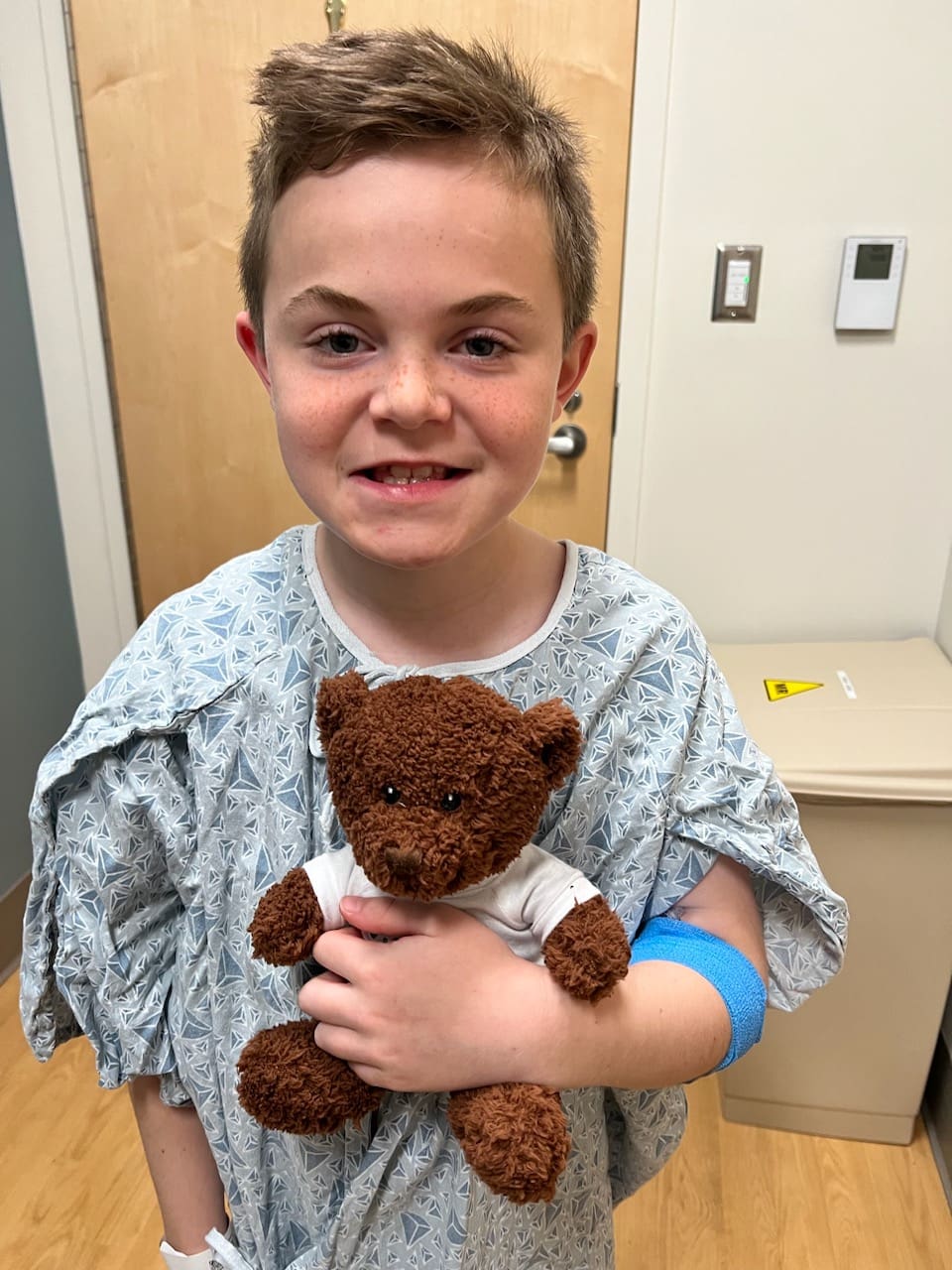
Two scientists won a Nobel Prize in 2020 for designing the CRISPR-Cas9 gene-editing technology. It also is being used in other diseases such as sickle-cell anemia and in agriculture.
The corrective cells enter the human body through an IV, Beau said. It is not a drug that his sons will have to take for the rest of their lives.
The treatment would take place at a university or hospital on the East Coast that specializes in genetics. The Bryans would relocate during the treatment, and Sawyer and Wesley first would have to undergo immunosuppression to give the virus the best chance of attaching to the cells.
First, though, the money must be raised.
Bill and Michelle McGuckin are the parents of eight children, with a daughter in Sawyer’s grade and a son in Wesley’s. Five years ago, after Bill heard of Beau’s soccer-playing prowess, he introduced himself and coaxed Beau into joining a coed team in Sioux Falls. The two men now meet for daily morning workouts, and the families are friends.
“He comes every day with a smile on his face,” McGuckin said. “He is one of the most optimistic, joyful people you could meet even if you didn’t know the troubles they were going through.”
JeanAnn, who plays volleyball, recently oversaw the construction of a custom-made library in their home, designed with wide angles that would accommodate wheelchairs and a pulley system if necessary. The house itself was built on one level.
The Bryans’ morning routine starts with removing the splints that the boys wear to retain mobility. Sawyer takes 13 medications, Wesley nine. A steroid is the only treatment that delays muscle breakdown, but it comes with side effects such as brittle bones.
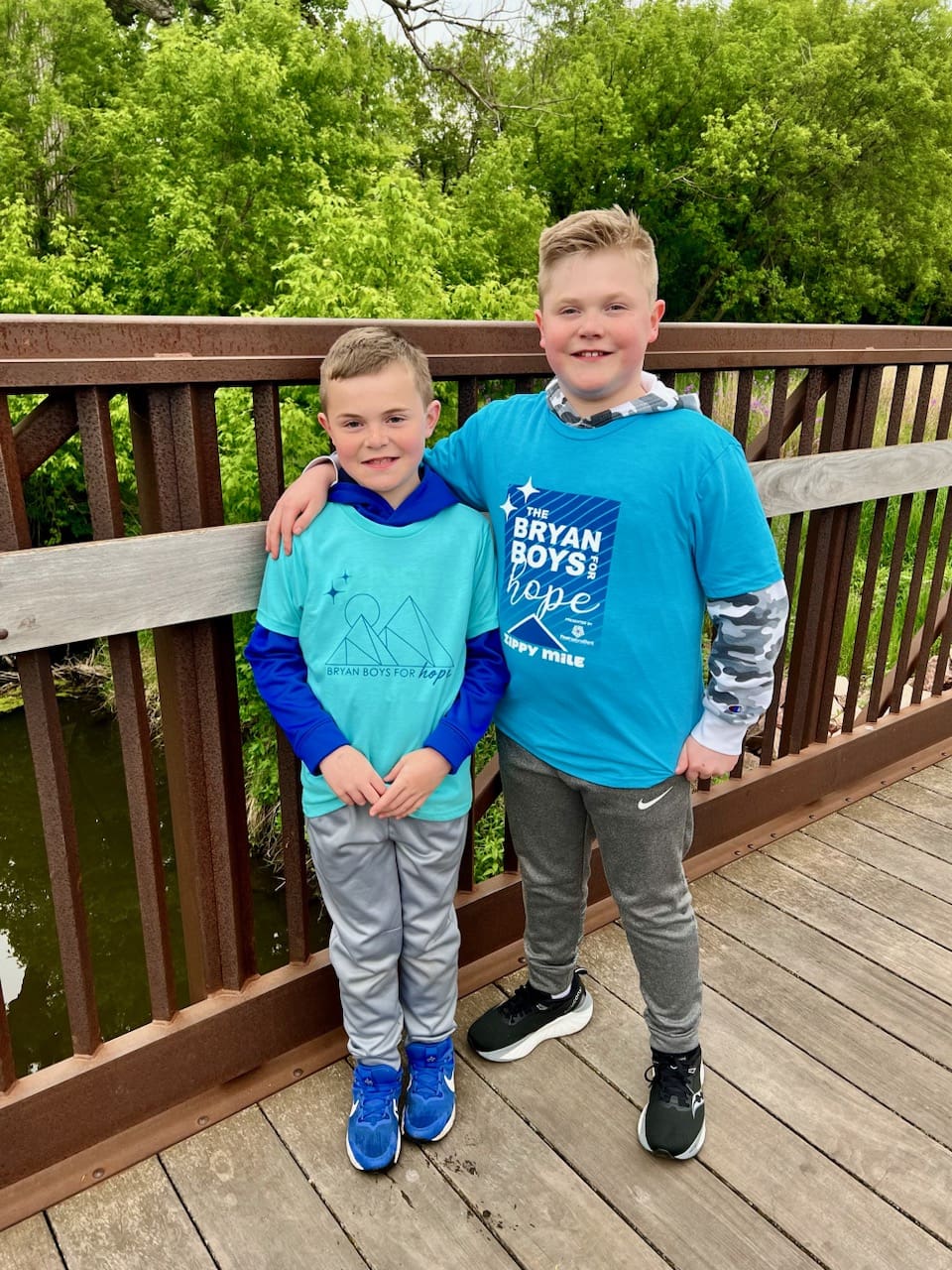
Sawyer uses a mobility scooter at school to help conserve his energy, and they have after-school aquatic therapy. At-home physical therapy and stretching take place nightly. Maintaining balance is essential.
“In February, Sawyer was standing, and he just flipped,” JeanAnn said. “He broke his femur quite badly and had to have a rod put in his leg.”
“Luckily Sawyer’s leg break could be repaired with a metal rod immediately,” Beau said. “If he had been casted, he would have lost mobility.”
Added JeanAnn, “It was quite scary when Sawyer broke his leg. We didn’t know if we’d ever get him on his feet again.”
The Bryan boys cannot be allowed to lose further muscle, McGuickin said, and that’s why the fundraising push is so urgent.
The total cost is allocated directly to the development and final safety testing for the treatment. The pharmaceutical company will receive the contract amount to manufacture the drug. Fifty percent is due upfront to initiate production of the treatment, with the remaining half due six months later, upon completion.
The $800,000 is the amount needed for the toxicology study and to start production.
“If we don’t make the amount, then production does not start until the amount is raised,” McGuckin said. “Time is muscle.”
The Bryans’ friends have assisted with fundraising efforts over the years. They also have helped the Bryans maintain as much normalcy as possible, and everyone relies on levity to get them through the days, McGuckin said.
“They allow us to help because we have friendships rooted in trust and faith,” he said. “We know it could be any of us. It’s a gift that they allow us to offer support and prayers and money and time. It never feels forced or awkward.”
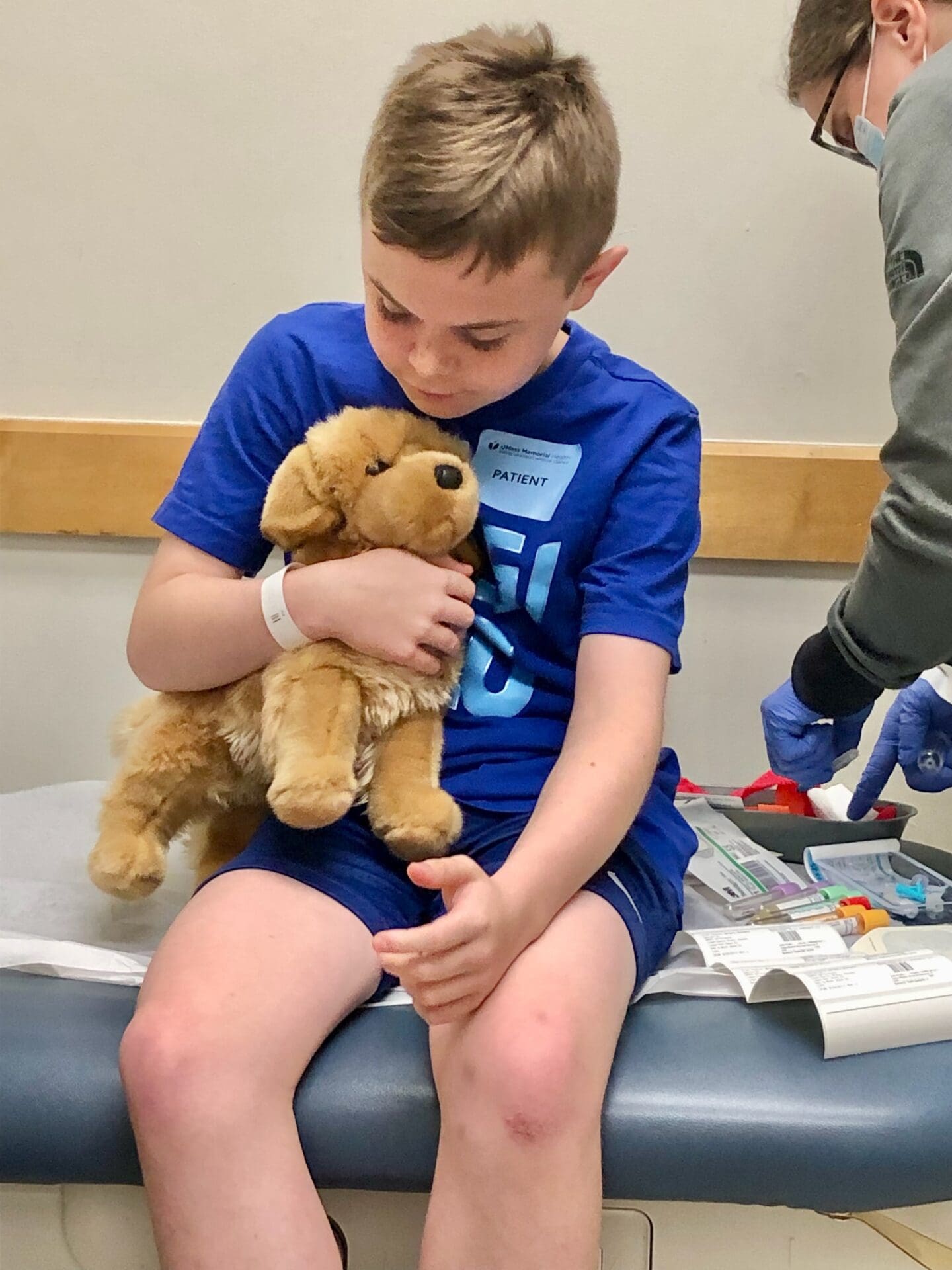
Ever since their sons were diagnosed, the Bryans were hopeful, McGuckin said. Now with the advancements in personalized gene therapy, they see the chance of success, a chance to stop Duchenne from progressing in their sons.
“Quite literally, it’s life or death,” he said.
The Bryans have applied for several grants and are waiting to hear the results. They can accept donations on their website, and they and their supporters are collecting donations for Saturday’s silent auction. Because biotech is so new, federal funding and insurance companies have not caught up.
“It feels like we’re doing trailblazing staff, and it’s great to be groundbreaking things, but it comes at a cost that we don’t have the money to do,” Beau Bryan said.
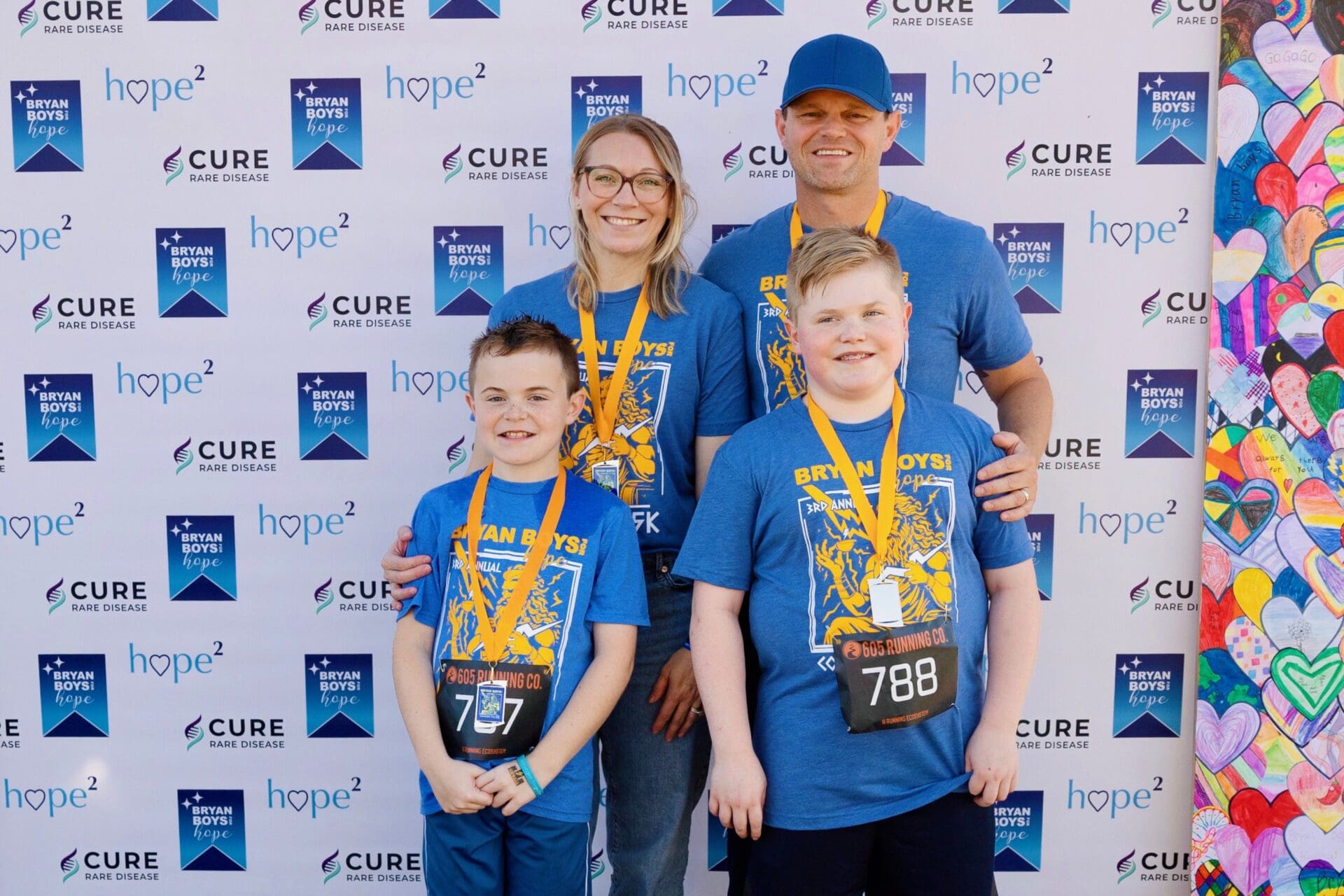
He’s right, said Joni Ekstrum, executive director of South Dakota Biotech.
“These are cutting-edge treatments, but they’re also as costly as they are exciting and promising,” she said. “We’re hoping by helping spread the word about this family’s need we can help encourage people to support their particular treatment but also see the incredible potential that exists thanks to bioscience.”
It’s a roller-coaster of a ride that their family is on, the Bryan parents acknowledge. Their sons are showing a decline, and time is essential. In the next few days, more than ever, they need donations, connections, silent auction items and prayers, they said. Cure Rare Disease has been working with the Bryans since 2020. Now, there’s an answer.
“All we want is to have a miracle happen,” Beau said. “Either an immediate miracle or the miracle of fundraising that will lead to this miracle of medicine. It used to be we’ll raise money because there’s hope there and we’re very hopeful we can figure out something for the boys. This year, we find out it’s there.”
Said JeanAnn, “It went from if or maybe, and it’s happening. Now we need the funds.” Added Beau, “It was ‘your prayers have been answered, and this is how they were answered.’ Now we have to pour gasoline on it.”
In other words, it’s time.
To learn more about the Bryan Boys Benefit: Western Casino Night & Auction, click here.
Biotech advancements
Want to learn more about biotech developments happening in our own backyard and impacting those close to home? Gain valuable insight and give your feedback on the future of biotech in South Dakota at the upcoming South Dakota Biotech Summit.
For details, click below.
S.D. Biotech Summit to highlight state’s innovation pathways