Multifamily vacancy trends up as year begins
Feb. 6, 2025
To start the year, there are more available apartments and more competitive pricing in the Sioux Falls market.
A biannual survey from the South Dakota Multi-Housing Association looked at 20,000 units reported and found an overall vacancy rate of 9.46 percent, up from 6.29 percent in the July 2024 report.
“This shift reflects changes in the rental market,” according to an analysis included with the report, noting that it was “driven in part by the continued addition of new units that have been in development and lease-up over the past year.”
The increase in vacancy was anticipated, the analysis continued, “as the market adjusts to this expanded housing supply. Additionally, rental prices are seeing a slight decline due to the pressure from increased availability of units, creating added pressure on pricing dynamics.”
Conventional properties saw the greatest shift in occupancy, from 6.12 percent vacancy in July to 10.14 percent in January. Of the 17,303 units reported, 1,755 were vacant.
Several major landlords are reporting better than 90 percent occupancy in their leased portfolios, though.
“Our stabilized portfolio has actually fared pretty well the last six months considering the amount of new supply,” said Ashley Lipp, vice president of residential property operations for Lloyd Cos.
The company’s average vacancy rate for the last quarter of 2024 was 6.29 percent, she said.
“I’m proud of our team for trending below the average and making leasing a priority. For lease-ups, we definitely aren’t seeing the record-breaking numbers we were a few years ago when we would have 50 to 60 percent of the units leased before the building was even open, but we are seeing success and expecting a big leasing season this spring.”
Cresten Properties has an estimated 7 percent vacancy rate in its stabilized portfolio, owner Kevin Tupy said.
“It’s a simple equation of supply and demand,” he said. “There was a ton of supply put on the last three to four years; however, I’m pleasantly surprised at how things have gone across the board.”
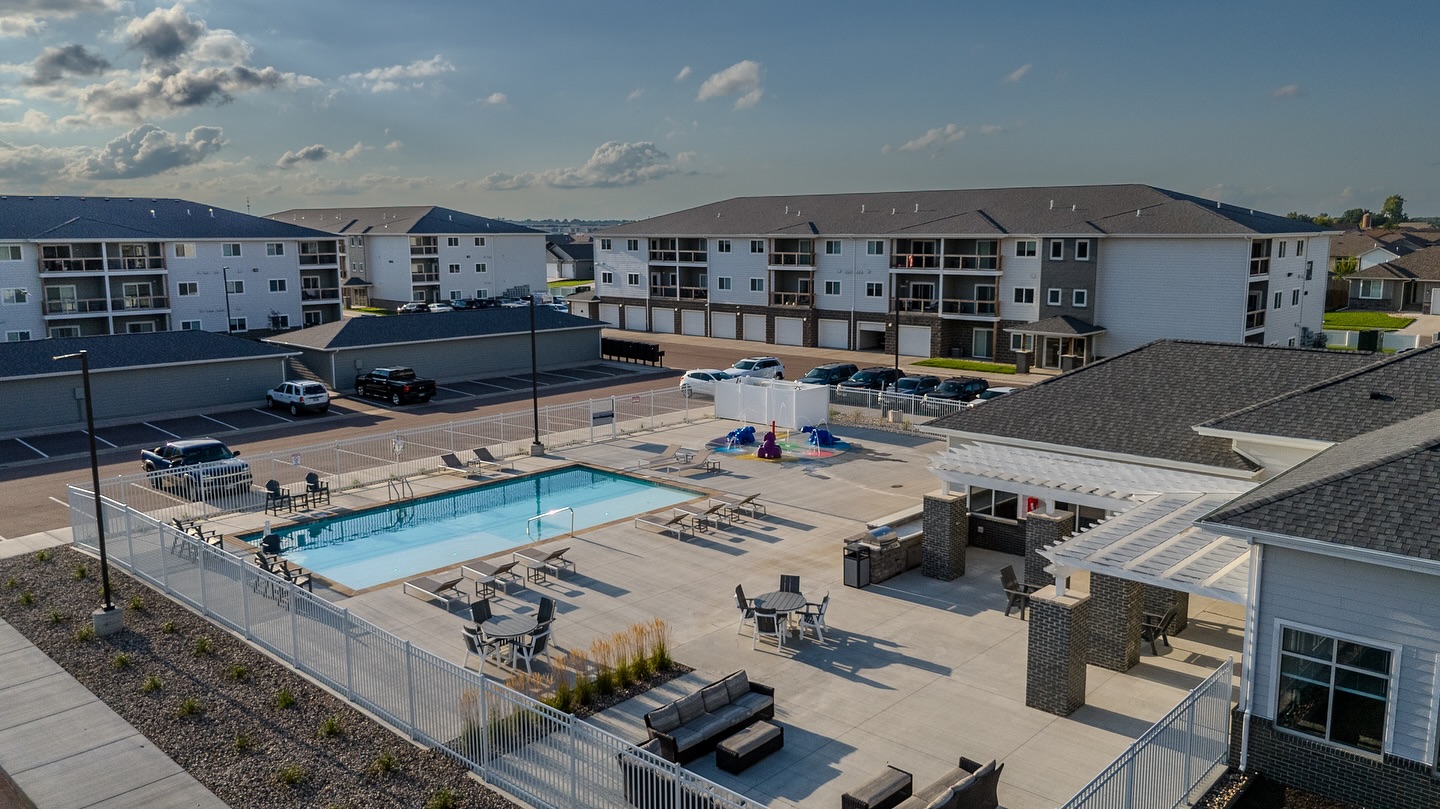
The company has invested in improvements at its properties — even newer ones — with amenities such as upgraded fitness centers and “zen rooms” offering massage chairs and scented candles, he said.
“I want these properties to be something that I’m proud of and that I would live in,” he said. “I want to hold my head up high, and that means sacrificing profits for improvements. That’s just the reality of this business.”
Average rents have dropped a bit across the board and are looking more like they did in mid-2023.

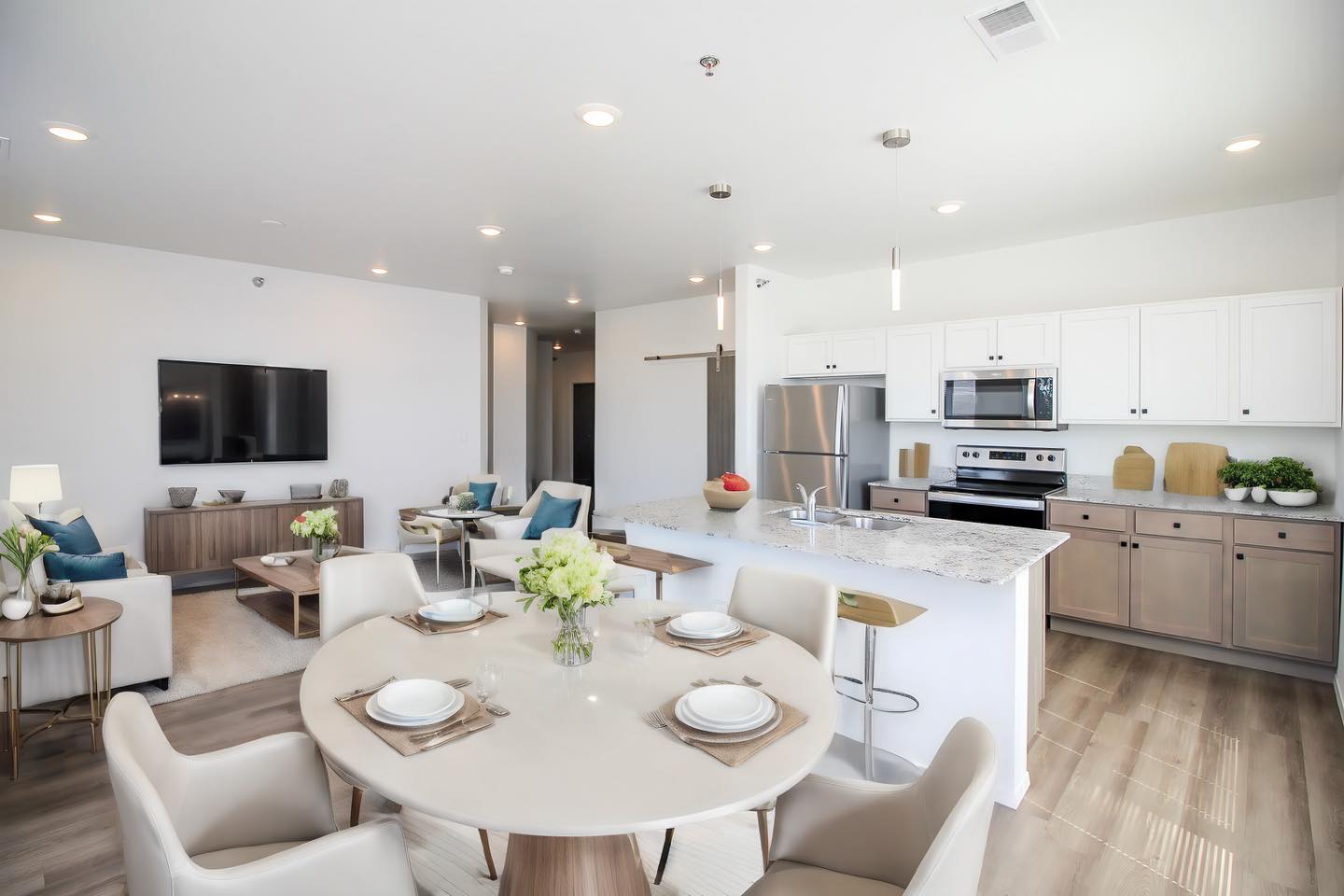
“We have had to offer incentives more this year than the past several years,” Lipp said. “I would say the most common is one month free, but we have gotten more creative at times when properties have needed additional support.”
Rent prices “have fallen back into their more typical patten of 2 to 3 percent increases each year,” she added. “I know that homebuying is difficult for a lot of people right now, so it’s nice for renters to have access to more housing options than in the past.”
Cresten is offering at least one month free, Tupy said.
“Sure, there are challenges in some of our buildings leasing up, but the specials are really helping that,” he said. “That’s why we were up to two months free where needed.”
Residents are “100 percent” more budget-conscious, but “I think they always have been budget-conscious,” Tupy said. “But the demand was outpacing the supply, and there wasn’t a need for promotional activity.”
Tax credit properties saw a slight decrease in vacancy from 7.62 percent in July to 6.35 percent in January.
HUD properties saw a decrease in vacancy from 1.4 percent in July to .64 percent in the most recent report. There were 313 units reported and only two vacant, “which indicates that income-based properties are being utilized,” the report said.
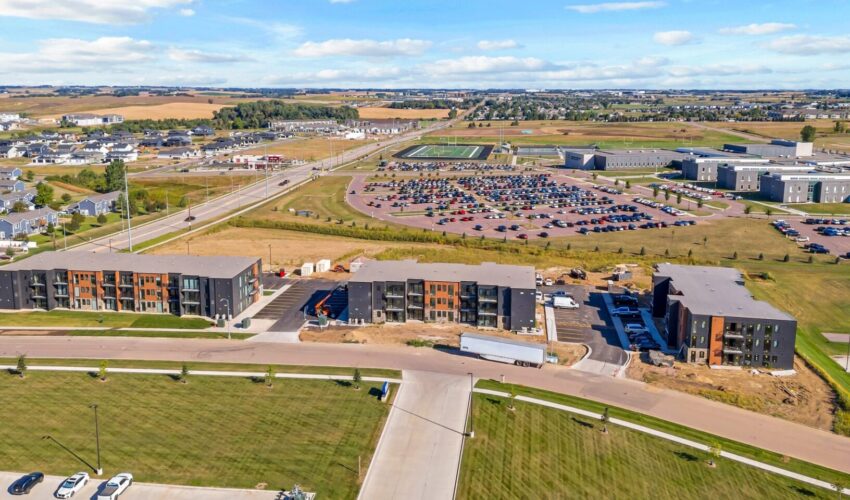
There also are an additional 2,236 units of new construction now leasing. Those properties are not included in the occupancy survey until they stabilize at an occupancy rate of 85 percent.
Several properties also are just opening, including Lloyd’s newest downtown project, the One2, which opened in January and is meant to be a unique offering with options that “are also more affordable than what is typical downtown,” Lipp said.
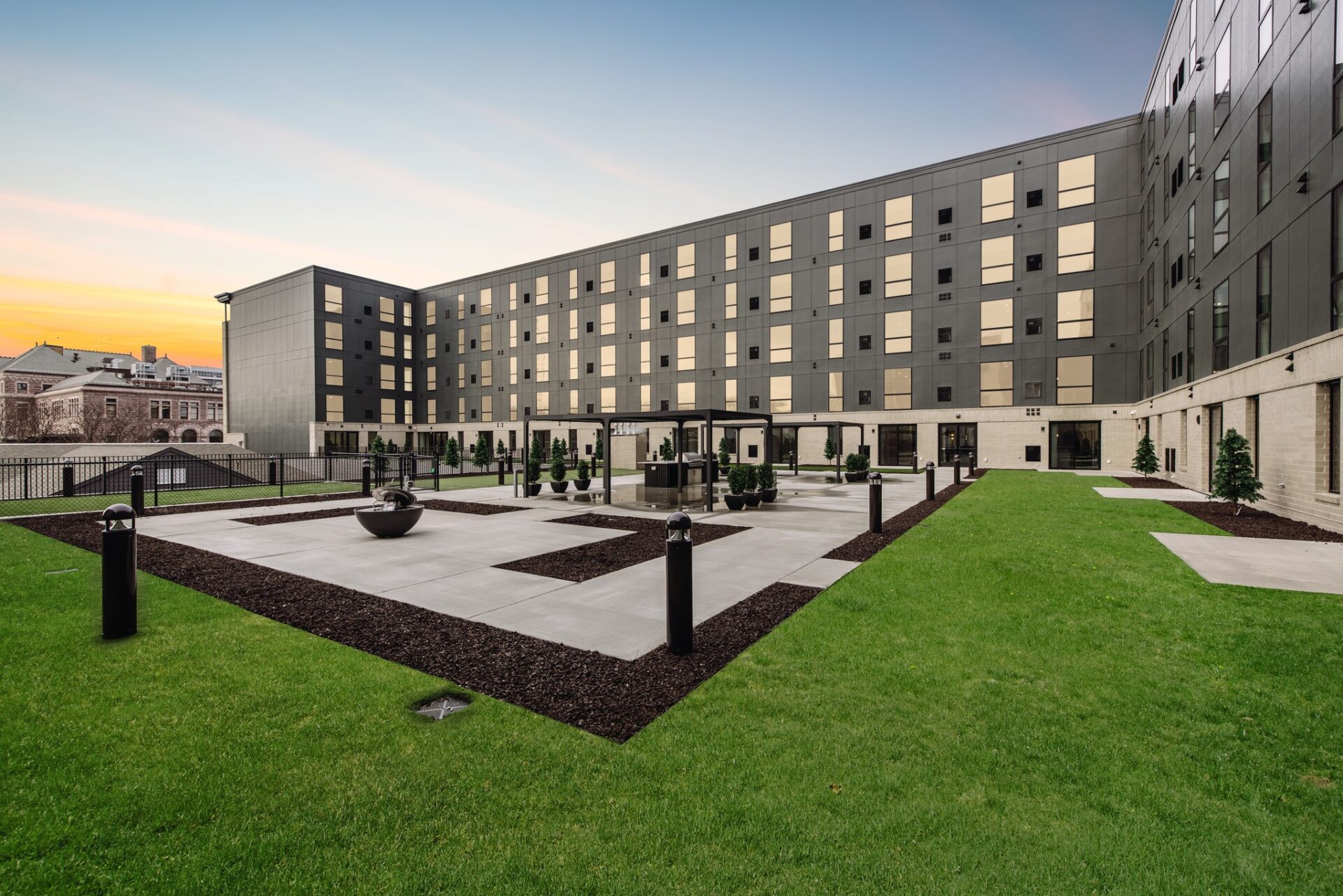
Another new property, The Yukon at Benson, is offering townhome and traditional-style apartments in northwest Sioux Falls.
“The amenity package is amazing and even includes a golf simulator,” Lipp said.
The year also is off to a strong start with new multifamily construction permits — there have been permits issued for 190 units, compared with 38 last year and 63 two years ago.
But the biggest projects also are reflecting the market’s changing reality.
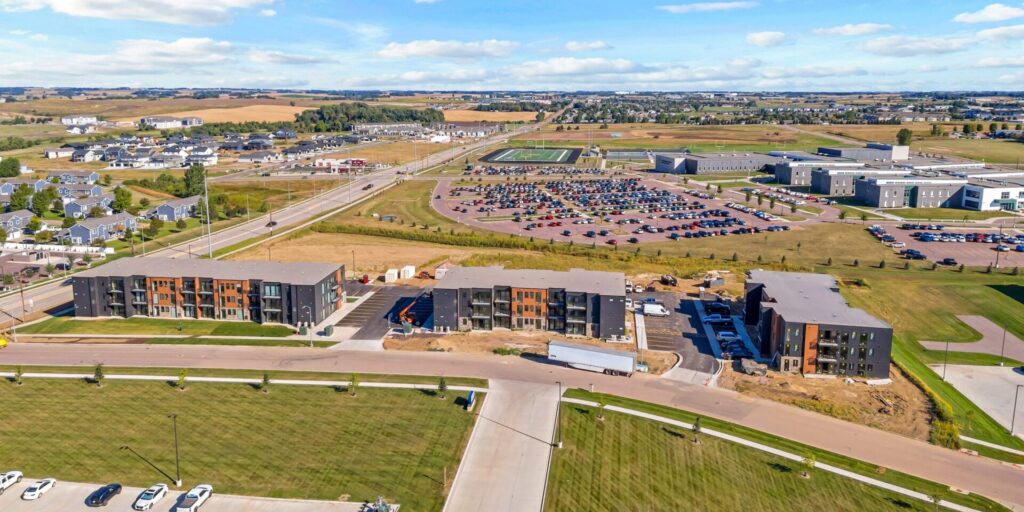
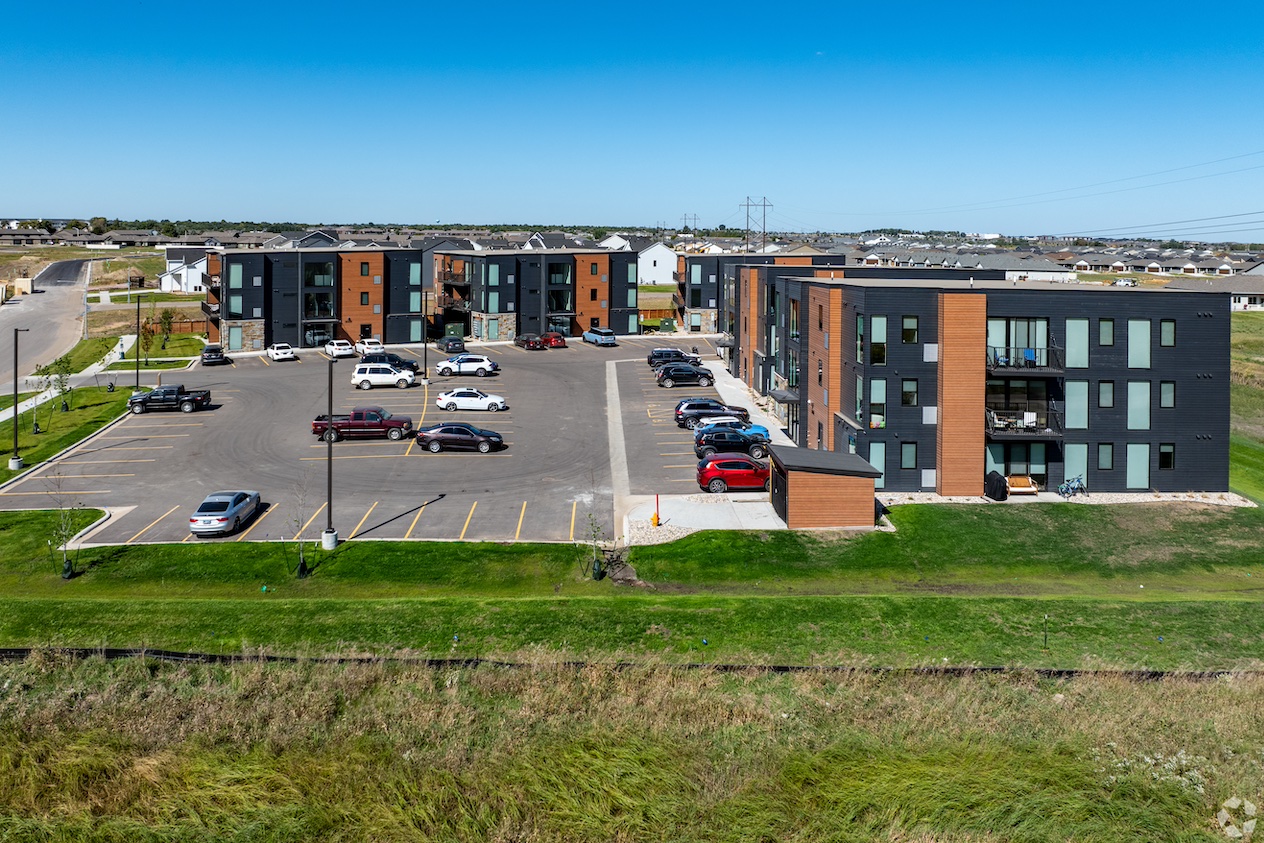
Veldhouse Construction is building the next phase of the Jefferson Reserve Apartments near Jefferson High School, with 96 more apartments, as well as an additional phase at Briarwood Reserve in southeast Sioux Falls, with 94 more apartments.
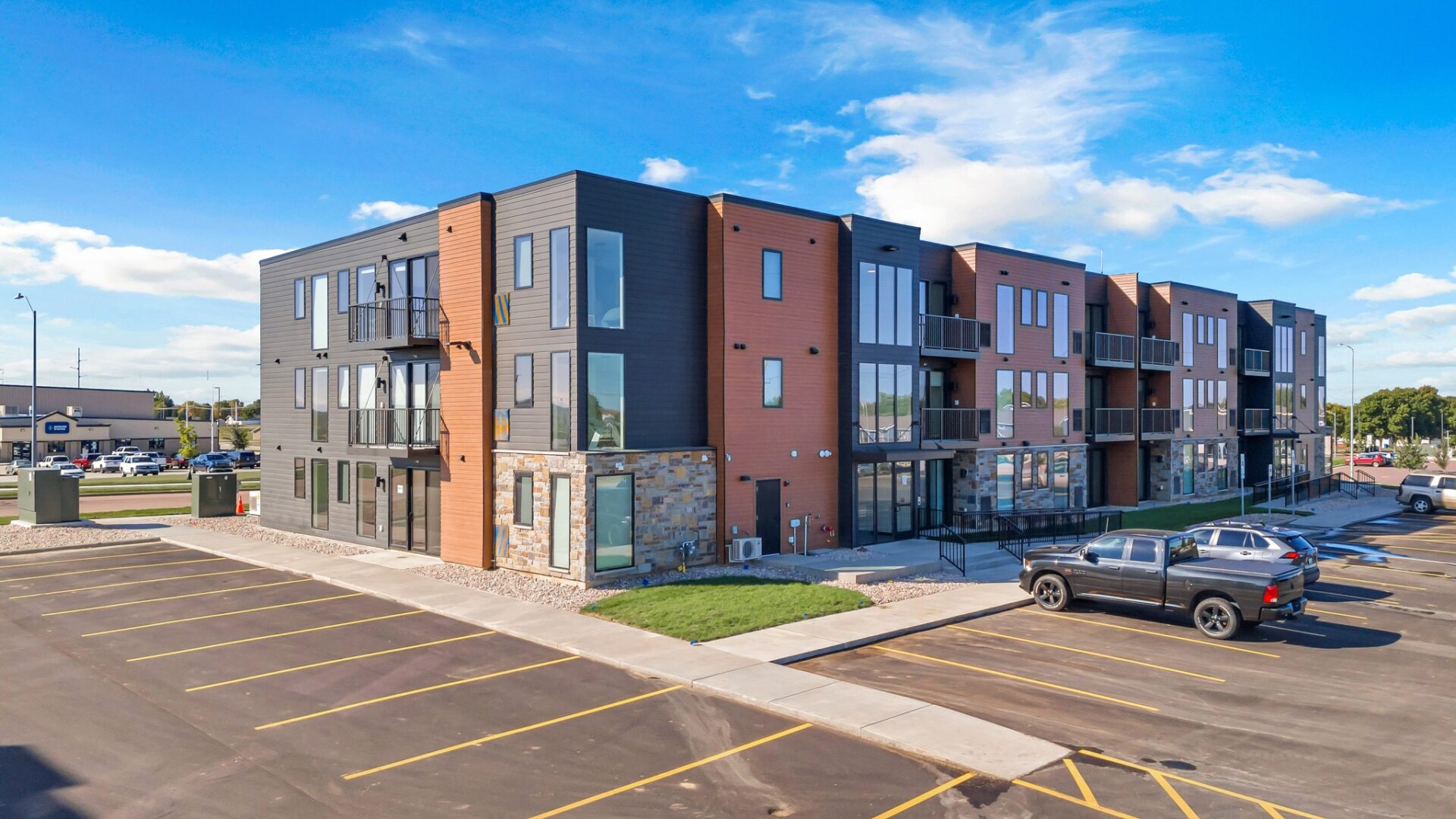
The first phases for both are more than 96 percent occupied, said Dusten Hendrickson, owner of Mailbox Money, which is assisting with putting plans for the developments together.
“We’re focusing on the affordable housing sector and having good luck there,” he said. “Anything really expensive is having a little bit of a struggle. We’re finding the price sensitivity of the customer is much greater than it’s ever really been in my opinion.”
At Jefferson Reserve, the average rent is about $975 per month. It’s about $100 more at Briarwood, he said.
The company is keeping rents lower by offering more one-bedroom units, which have been popular as tenants “want to live by themselves, and they want the least amount to clean and maintain,” Hendrickson said.
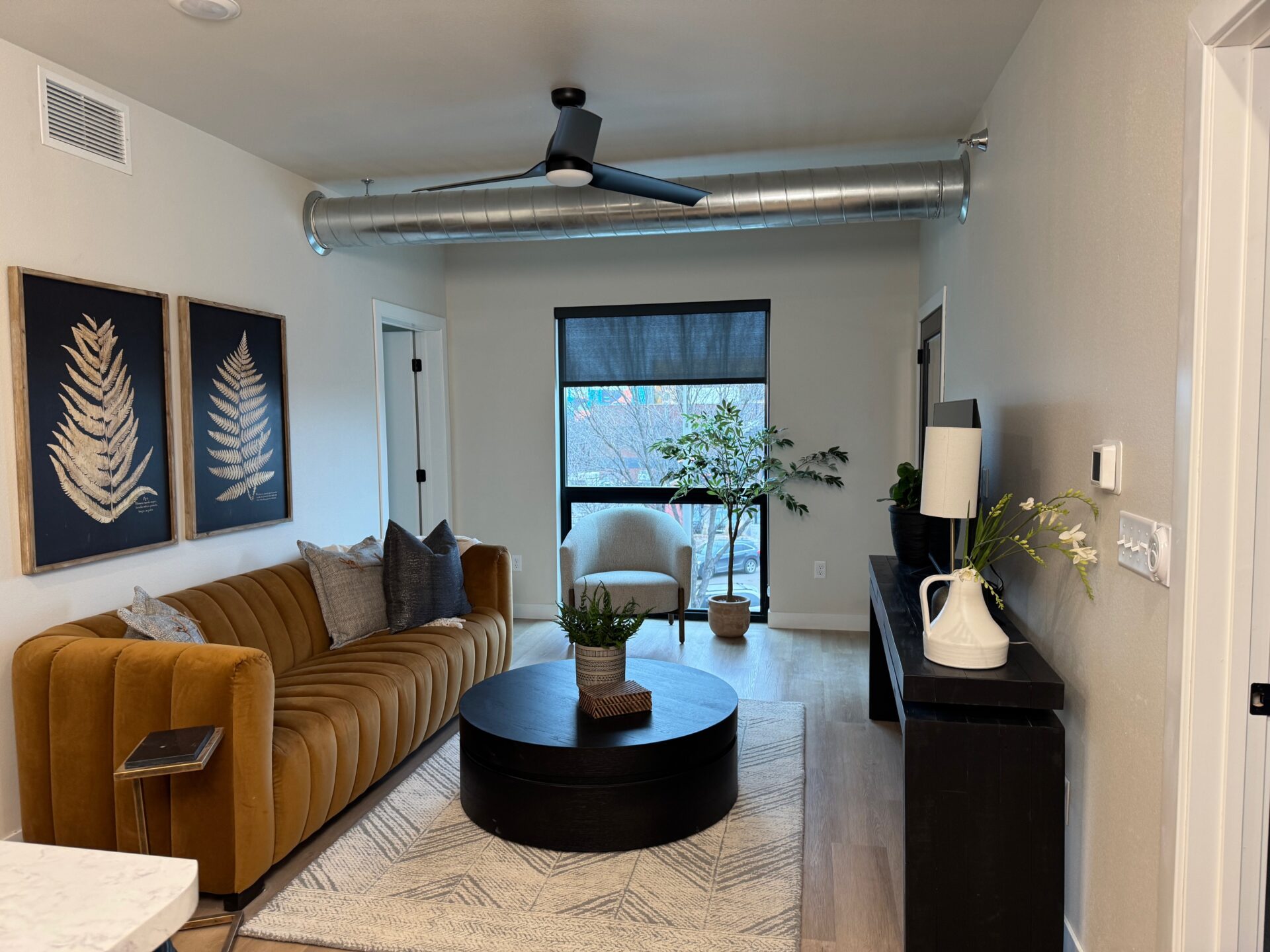
Veldhouse apartments also offer only surface parking and a design that uses large floor-to-ceiling windows to create a more spacious feel while the overall square footage is a bit less. The layouts eliminate hallways and elevators.
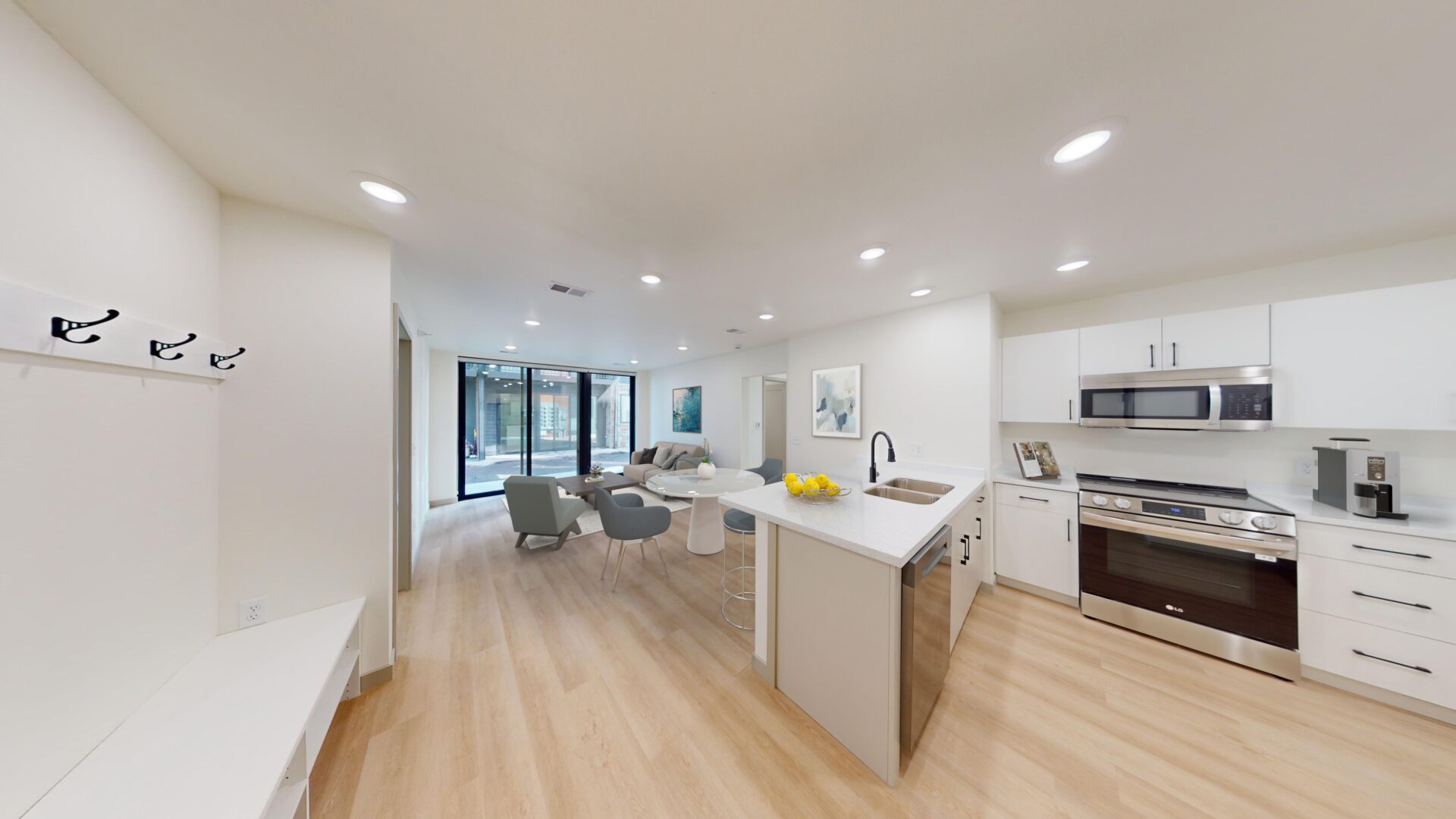
Designs aim to deliver a Scandinavian feel, he added, including custom closets and a washer-dryer in the bath.
“We eliminate as many doors as possible and do openings instead,” he said. “Every little thing to reduce maintenance and utilities.”
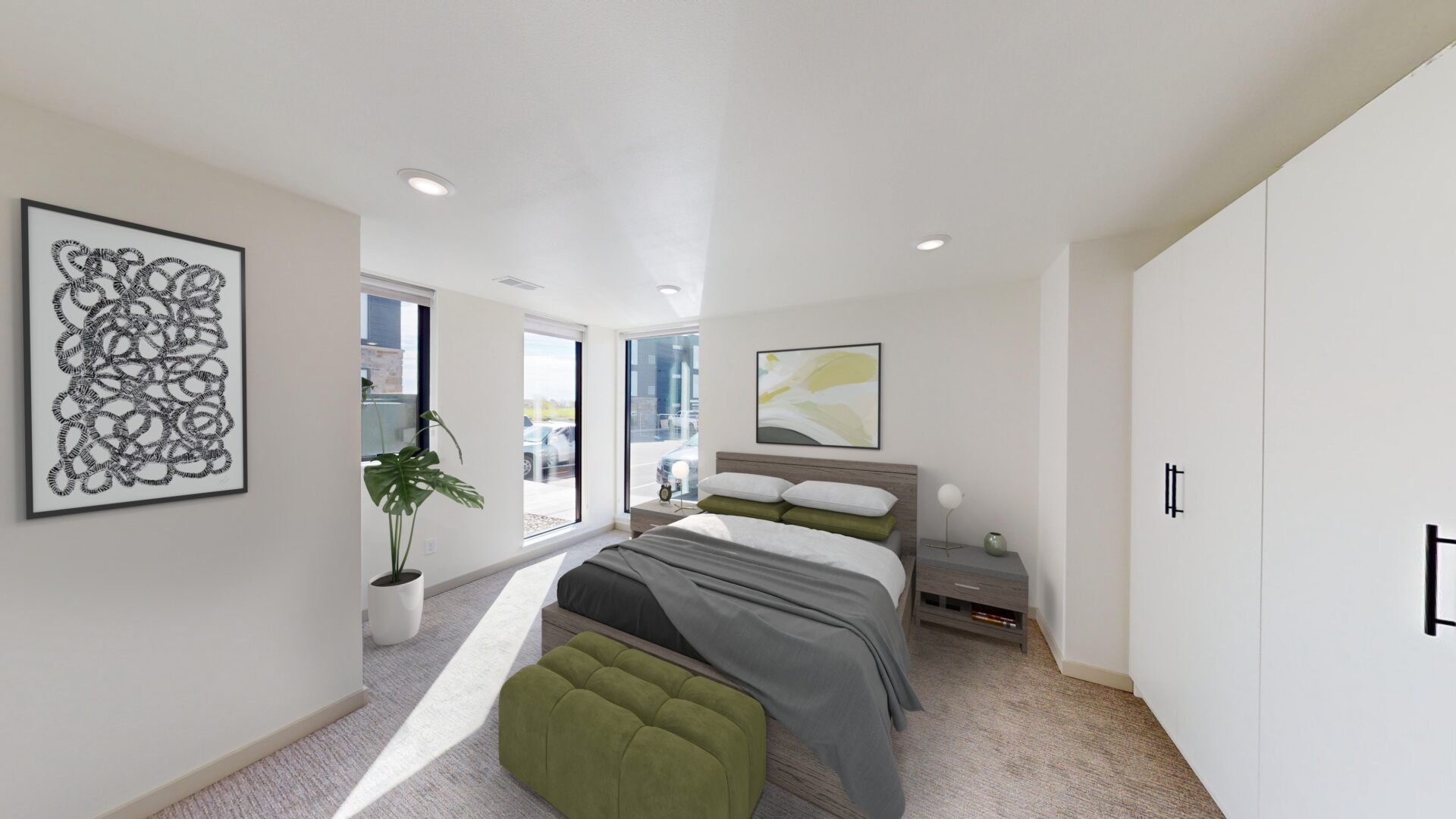
The development and construction team is planning a 500-unit project beginning in the spring in northeast Sioux Falls.
“It’s the same style, amenity-light, and we’re making it even a little more affordable,” he said, predicting that in six months, overall occupancy citywide will be up.
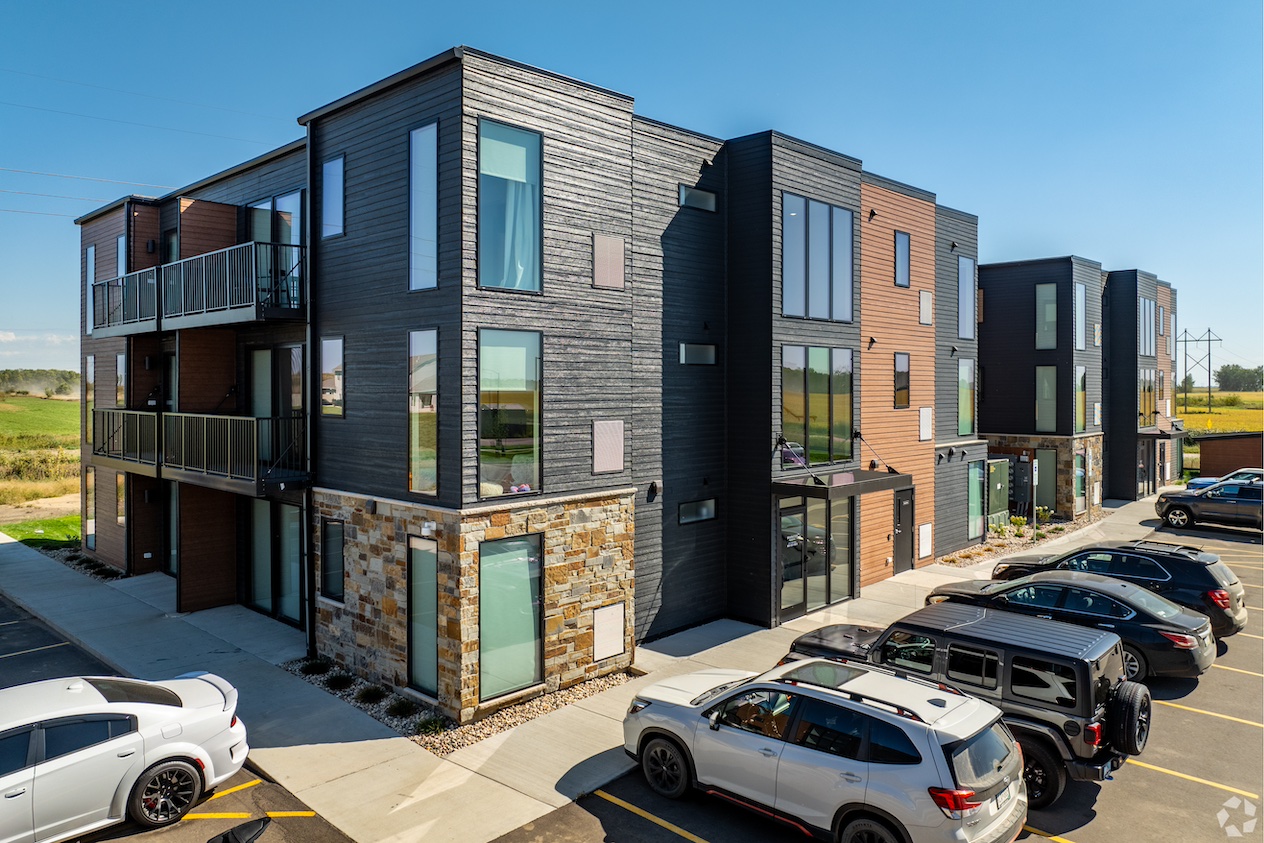
“I see absorption going really well. Some of the older stuff in very nice areas is still at 98 percent. That (product) that is not is at 80 to 90 percent,” Hendrickson said.
“I think we’re at the bottom of the trough. That’s what it feels like anyway.”