Jodi’s Journal: In ‘shaping’ Sioux Falls, a cautionary neighborhood tale
Aug. 25, 2024
My earliest memory of grocery shopping was at a store called Pick-N-Pay.
I doubt this is why it was named that — it essentially was a traditional neighborhood grocery store — but I remember it was stocked with a series of large barrels filled with things like nuts, candy and other bulk goods that you’d bag and weigh. Pick, and pay — made sense to me.
Pick-N-Pay was located at 98th Street and Lorain Road in Cleveland, within a short walk of the house where I spent my first year of life.
Note, this was taken a couple of decades before I was born, but just to set the scene, here it is:

The store had occupied the prominent corner of a sought-after neighborhood for a long time — think Cathedral meets McKennan Park, with a smattering of starter homes like the one my parents were excited to be able to find. The area was anchored by a church and attached school, with a boulevard that added to the setting.
But my parents sensed things were changing. They started to worry about safety and about the quality of education — especially looking ahead 18 years. So they made what, at the time, was a big move — becoming the first in the family to move to “the suburbs” — a community about a 20-minute highway drive from that corner grocery store, where I’d go on to graduate high school.
In the first few years after the move, my parents still would return to the old neighborhood for church and even to grocery shop. But habits change with time, of course. And they weren’t the only ones. Pick-N-Pay closed in 1985. Another grocery store briefly took its place. Then a drugstore if I remember right.
I don’t recall when that closed, but most recently the building has been known as the Westshore Opportunity Center, a county facility where residents can access employment and human services.
But that’s about to change too.
I learned this past week that the Greater Cleveland Food Bank has purchased the building and will move a hunger center into it in 2026. Residents will need to show they live at or below 200 percent of the poverty level, and then they will be able to “shop” for food in a format resembling a grocery store like this one.
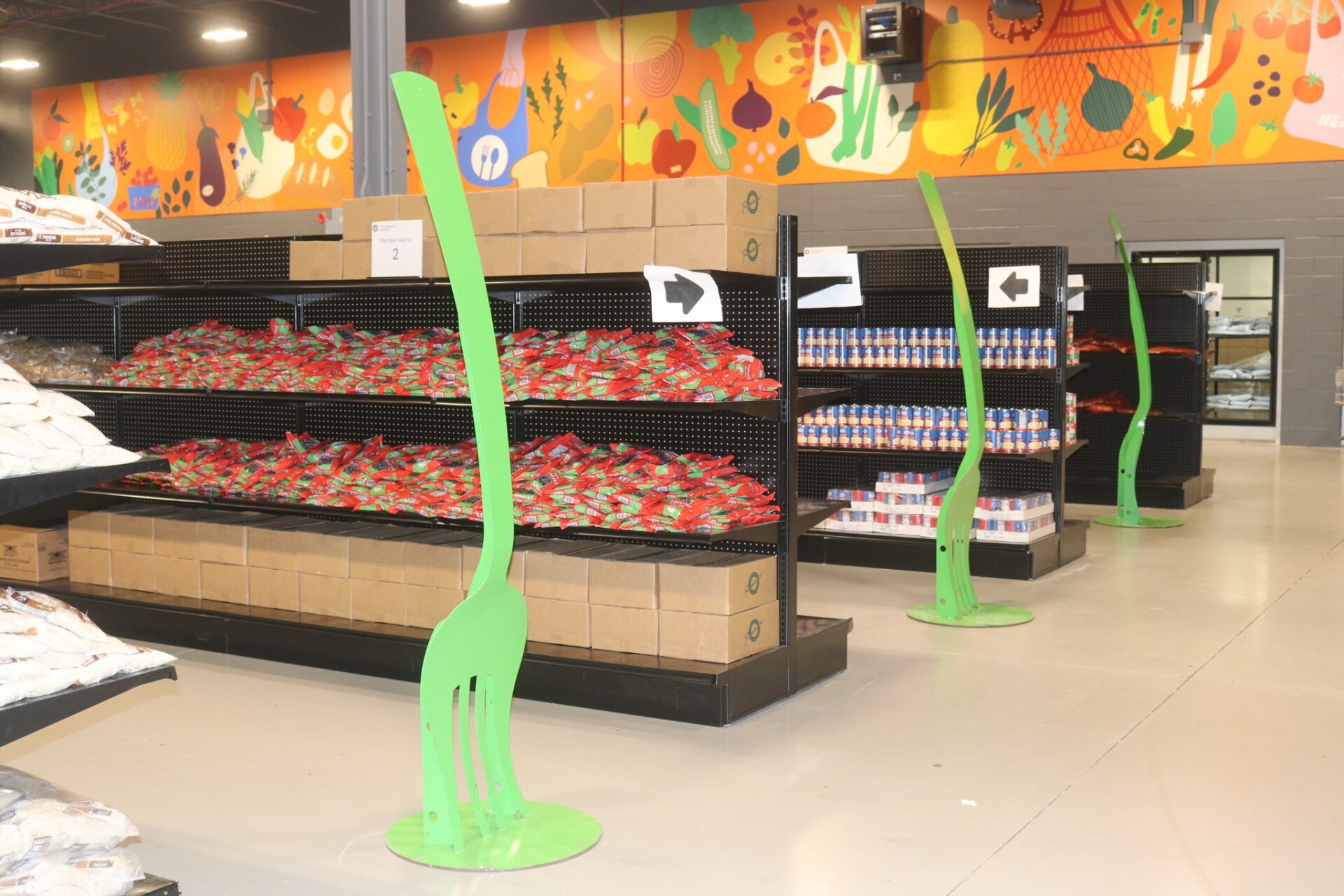
Let that sink in for a minute, as I did while processing it. In about two generations, a key corner of a city neighborhood has seen a grocery store become a food bank.
And if you think it can’t happen here, it’s time to wake up.
Recently, I reported on the upcoming Shape Sioux Falls comprehensive planning process, designed to look out to the year 2050. I think it’ll be the third, if not fourth, one that I’ve been part of in one way or another.
The first was in the early 2000s, when I had the honor to serve in city government. I’ve always viewed that time and the years that followed in media as a chance to be a voice for what I know can happen as cities mature and core neighborhoods suffer — because I saw it in my hometown.
But this year, for the first time, I found myself wincing a little at the idea of identifying yet more locations of varying zoning and density as we stretch the outskirts of Sioux Falls even farther. It’s necessary to do that planning, of course, because those who want to pursue development here need a road map for how the city envisions supporting growth through city infrastructure and services.
So I asked a question about it. I asked if, even though it’s not top of mind in planning, if potential redevelopment of existing areas would be addressed in this plan along with identifying future land use.
I was told that it is part of the plan – you can read the story here – that underutilized areas would be identified and that the topic is open to public input.
And that’s a good start. But as long as significant city investment continues to support expanded infrastructure on the outskirts, development likely will take the path of least resistance. It’s far easier and more lucrative to plow farm fields into residential subdivisions, with apartments on one corner and a convenience store/gas station on the other, than it is to redevelop a core area into new residential and commercial projects that complement the existing neighborhood while helping position it for the future.
I think about Perch, the unquestionable success story at Ninth Street and Grange Avenue so popular I haven’t even braved the crowds to try it yet. It cost an immense amount per square foot to redevelop that historic grocery into a cafe, but because a public-private partnership made it happen, that neighborhood now has an asset that is going to add value for decades.
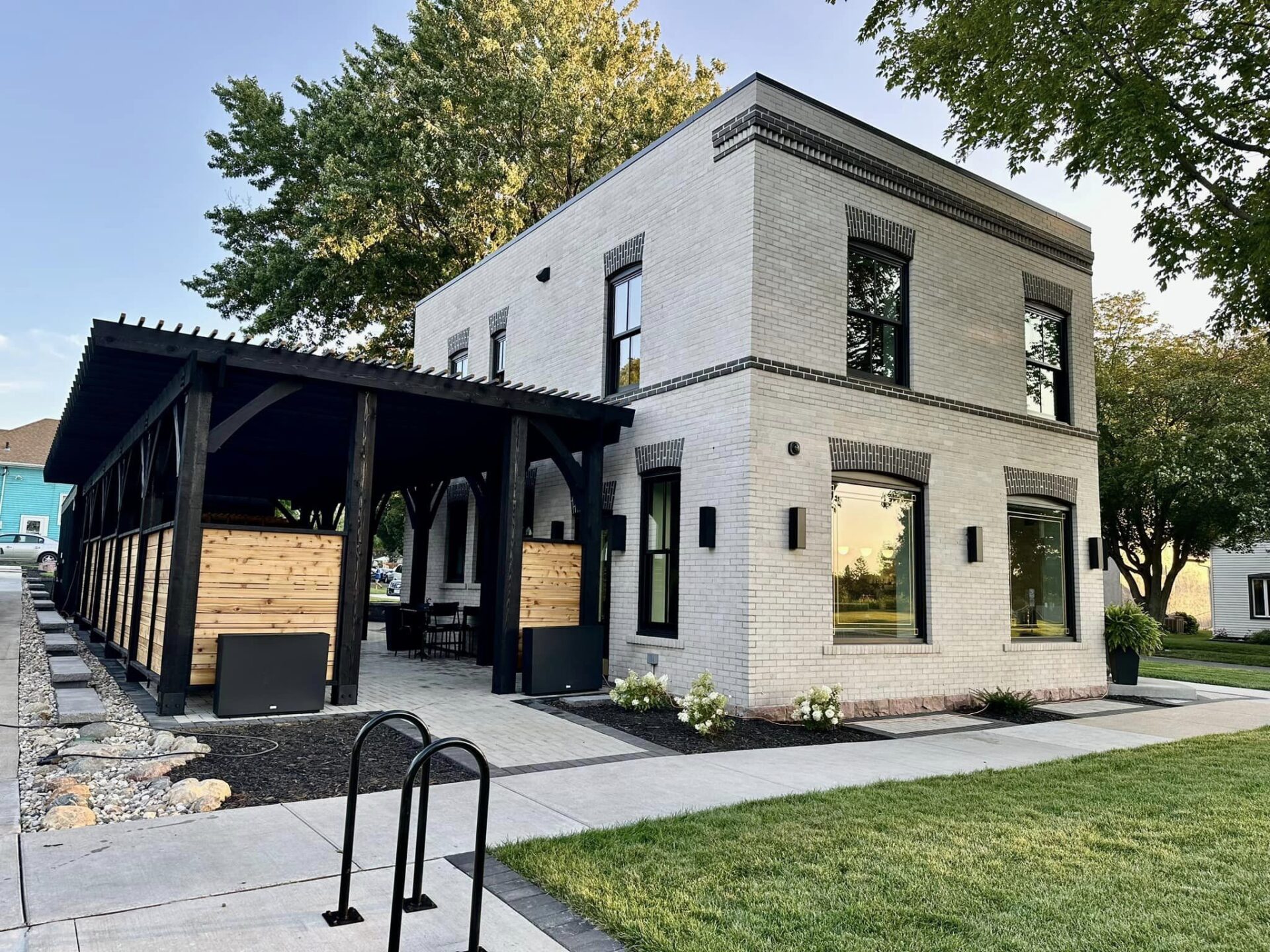
As a community, we need to be looking inward as much as we look outward approaching 2050. We need to commit to solidifying our older neighborhoods — at this point, think of that as anything north of 41st Street — and we need to insist that our business community, our local government and our school districts work together to make it happen.
If we don’t, there’s a corner on the west side of Cleveland that could manifest multiple times over in this community. We have the benefit of learning from cities that have evolved in various ways for decades before us. Let’s not miss their message.