In helping state and businesses grow international relationships, S.D. Trade sees world of opportunity
March 10, 2026
This piece is sponsored by South Dakota Trade.
Consider this: South Dakota is one of a small handful of states without a state-funded trade office in any other country.
Until three years ago, the state also lacked a central organization to help businesses navigate international trade and explore opportunities for exporting.
That changed with the formation of South Dakota Trade, a 501(c)(6) public-private partnership that administers South Dakota’s STEP grant program, conducts export education, facilitates trade missions and offers confidential trade consulting services to South Dakota companies.
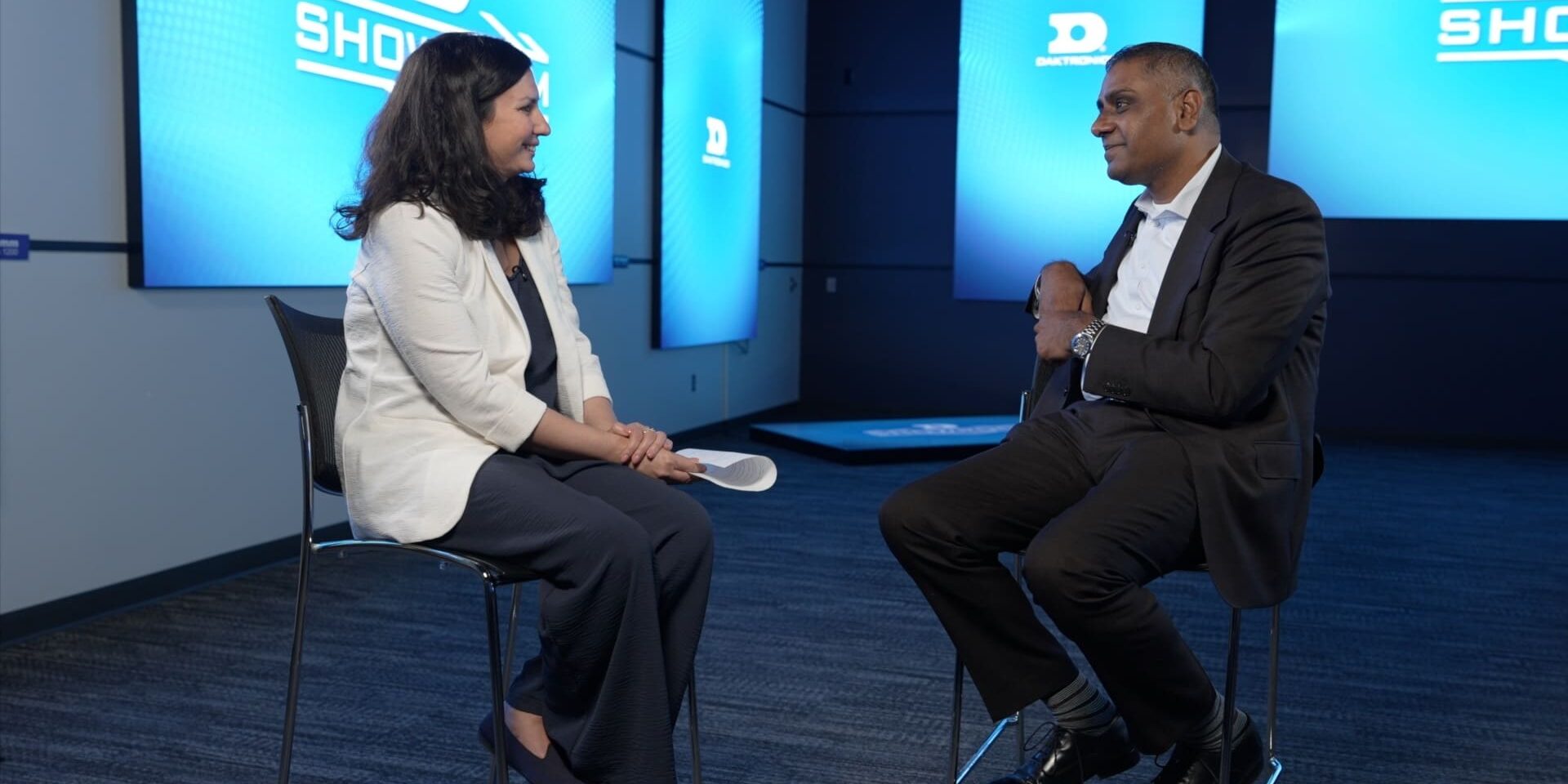
“Our job is to help make international trade a little easier, make exporting more palatable and connect businesses with the people that can help their business grow,” said Jesse Fonkert, who became CEO last year after founding CEO Luke Lindberg was appointed the U.S. undersecretary for trade and foreign agricultural affairs.
“We’re working on the transformation of the organization into a sustainable long-term association that helps the state navigate trade, resulting in the production of more goods, increased sales and an even better economy for South Dakotans.”
Fonkert leads a six-person team based in Sioux Falls and Rapid City with the tools to connect businesses with federal resources or partner businesses and organizations. The organization is supported by a 12-member steering committee and a board of directors drawn from across South Dakota’s business and industry community.
“We have low-cost programs that create opportunities for businesses and partnerships within South Dakota,” Fonkert said.
Through the federal State Trade Expansion Program, South Dakota Trade assisted 26 businesses in 2025, with 12 receiving direct STEP support across seven countries. The program has delivered $600,000 in support since 2023 and achieved a seven-times return on investment in its most recently completed cycle, a number that likely will grow as sales materialize.
Still, there’s significant potential for growth, Fonkert said.
“South Dakota ranks near the bottom of the nation when it comes to goods exported,” he said. “Even when we compare our ag exports to neighboring states, there’s a lot of room to grow. We really have room for improvement.”
In its early years, South Dakota Trade “did a great job positioning the organization in a way that can expand,” Fonkert said. “They really deployed grant dollars effectively and built awareness of opportunities with small businesses.”
In fact, exports grew more than 46 percent between 2019 and 2024.
South Dakota Trade also successfully grew the annual Midwest Agricultural Export Summit into a must-attend event for regional leaders. This year’s event will be Aug. 12 in Sioux Falls.
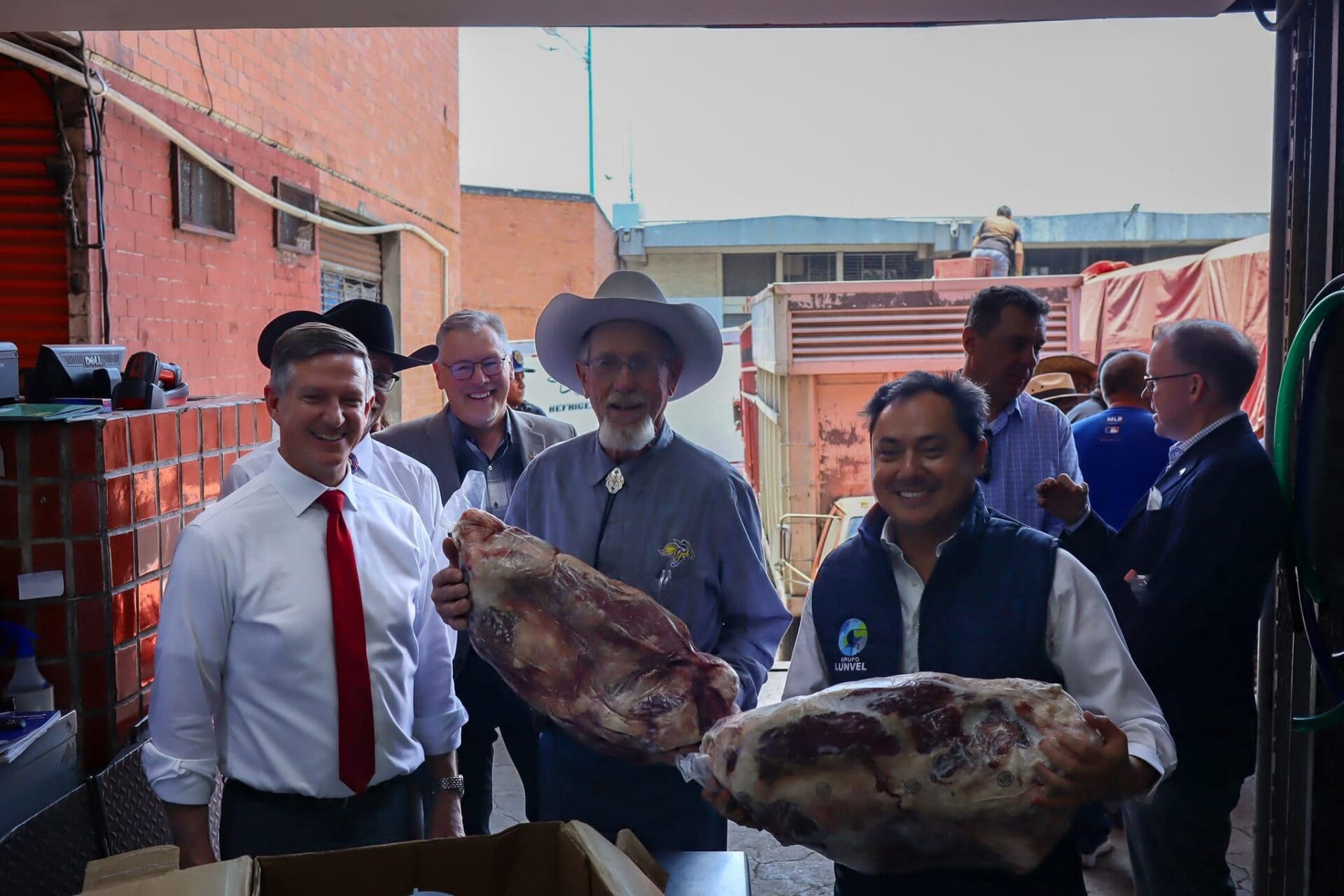
Trade missions have helped bridge the gap between South Dakota businesses and countries open to doing business with them, including Ireland, the United Kingdom and Mexico. One coming up in March will bring a delegation to Japan and South Korea.
“It’s our second trip to Japan, and we’re seeing a big focus on national security there,” Fonkert said. “Our state government has a strategy around growing national security as an industry here. South Dakota farmers grow the food that is exported to Japan, Korea and other countries in Asia where food security becomes national security.”
It will be the organization’s first trip to South Korea, which now has a strong tie to South Dakota through CJ Schwan’s, which is building an Asian food production facility in Sioux Falls and is part of a large conglomerate in South Korea.
“We want Korea to know South Dakota is open for business, and as more opportunities become available, we want them to know South Dakota is part of it as well,” Fonkert said.
There are opportunities internationally not just for product exports but to support international business needs through services offered in South Dakota, he added.
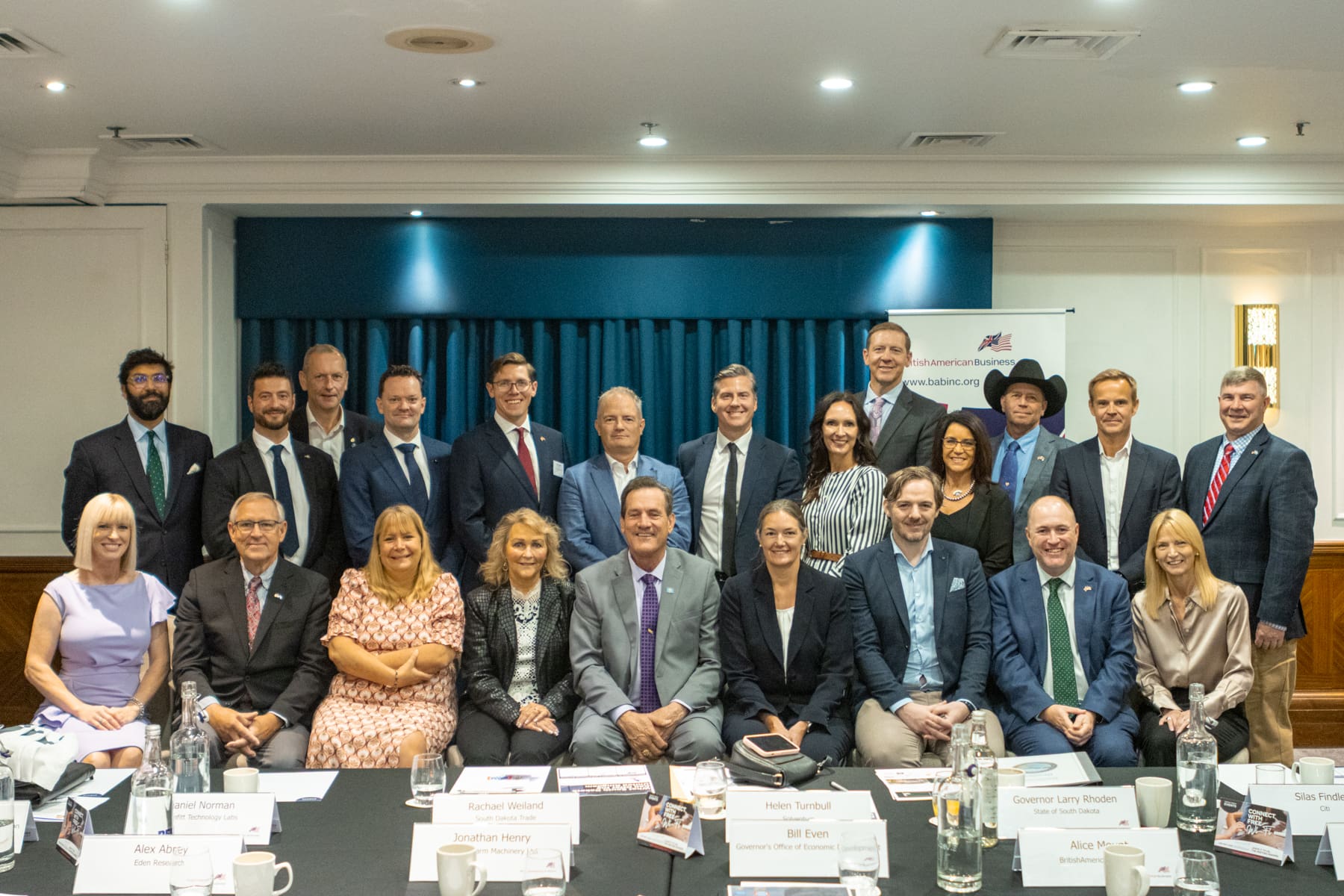
“Cybersecurity is a good example of that and so is our trust industry,” Fonkert said. “Families can really utilize South Dakota’s business and tax environment to safeguard assets and ensure them for the next generation. So when we go across the world, we talk about all the facets of doing business in South Dakota and serve as ambassadors for the state.”
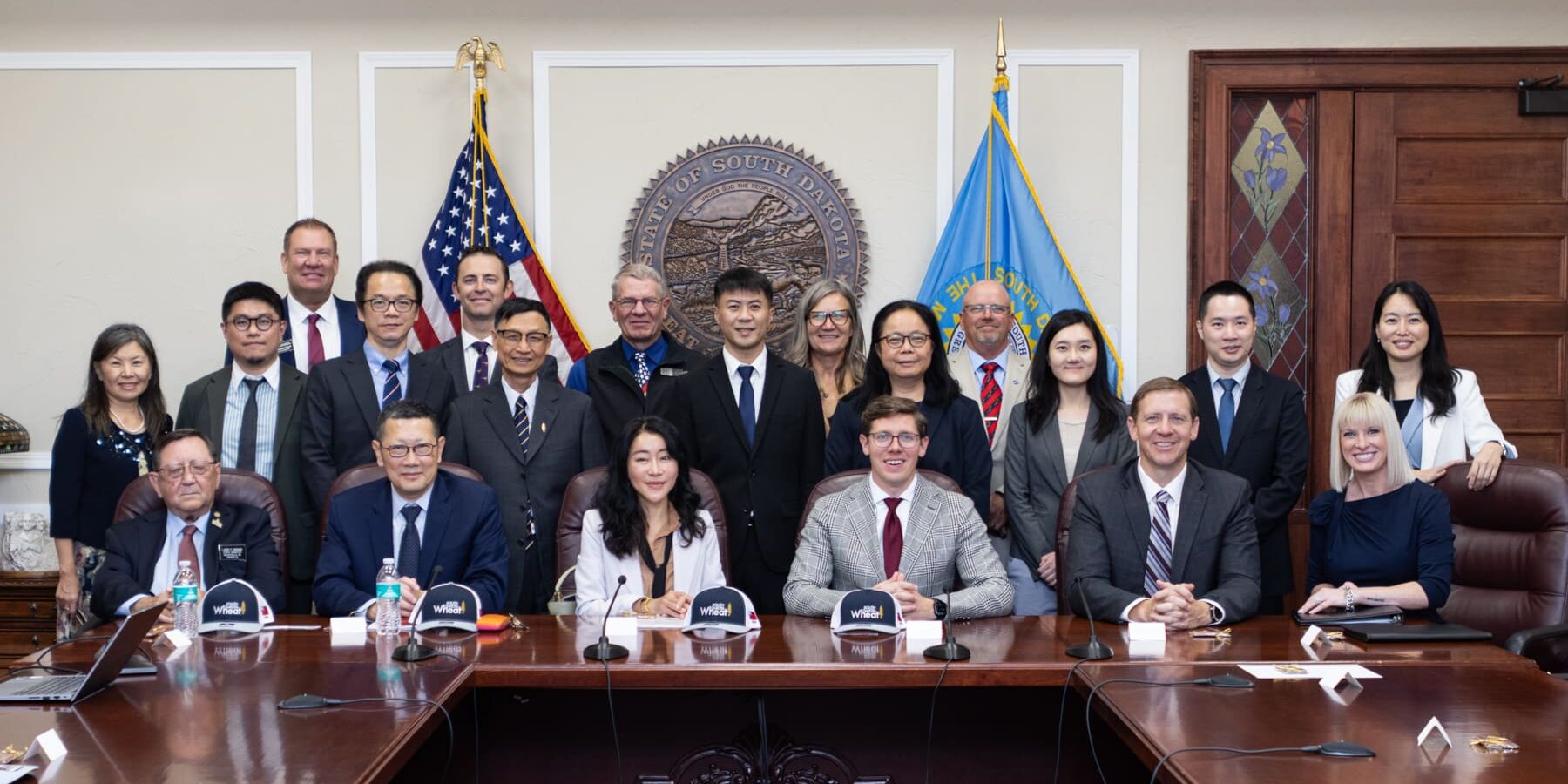
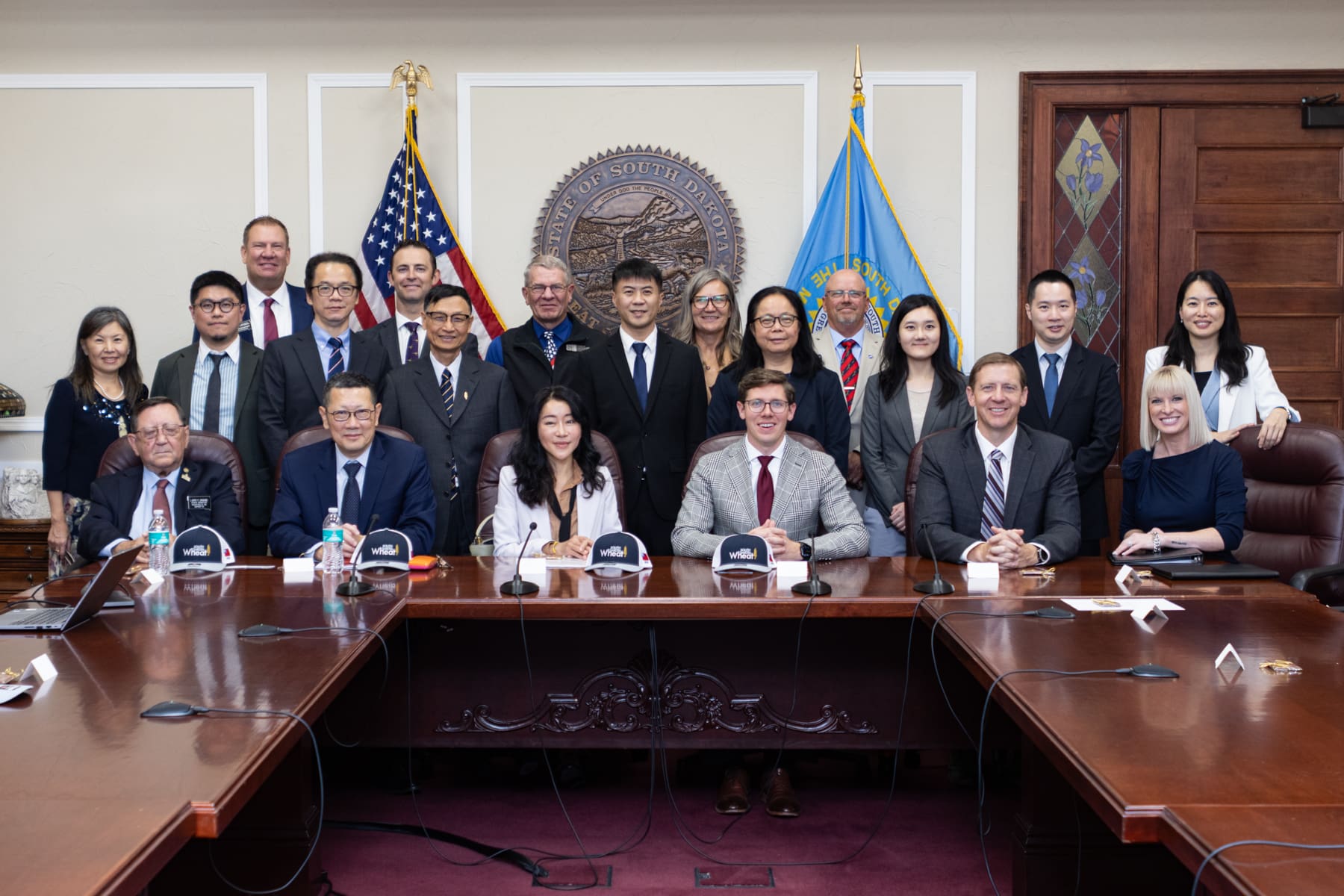
Through a partnership with the University of South Dakota’s Beacom School of Business, South Dakota Trade also provides export education and research opportunities. In addition, the organization has hosted several foreign diplomatic delegations, including the Romanian ambassador, consuls general from Australia, South Korea and India, and a Taiwanese wheat-buying delegation that visited Pierre to advance purchasing commitments with the South Dakota Wheat Commission.
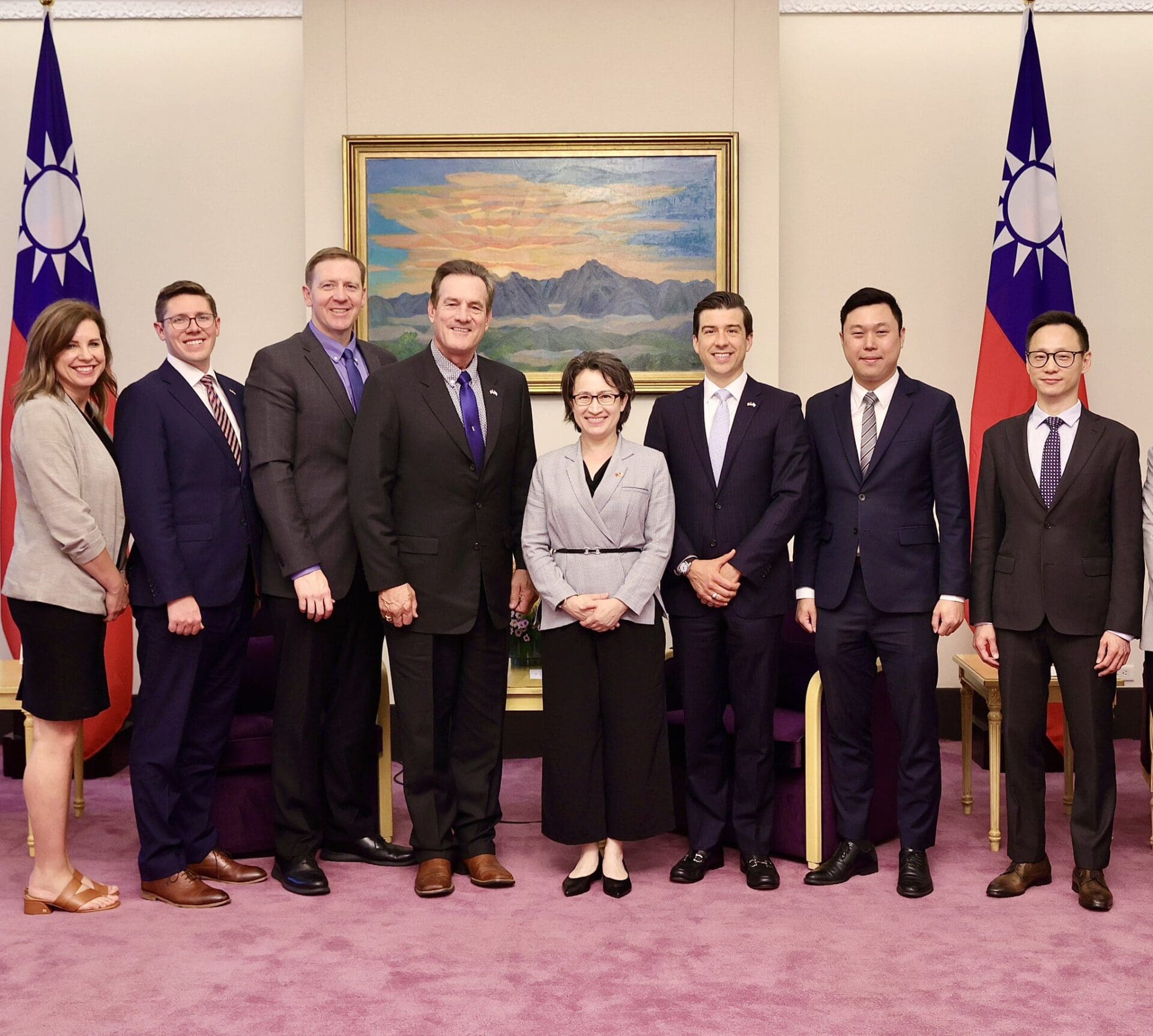
Looking ahead, South Dakota Trade has applied for the next STEP grant cycle but is proactively developing contingency plans given uncertainty around federal funding.
The organization already is supported by a group of industry-related trade organizations that recognize its potential to grow economic activity in everything from agriculture to biotechnology and manufacturing. The plan is to broaden that base of support by creating a way for businesses of all sizes to become members in the trade organization, Fonkert said.
A more formal membership structure is coming, he said.
“Our goal is to be accessible no matter what your business size or stage, but we think businesses succeed best when they have some skin in the game,” Fonkert said.
“South Dakota believes in public-private partnerships and investments from both sides, and we don’t think it should be any different at South Dakota Trade. If you want to grow, we’re here to help, and we want you invested in the process and in the organization.”
To get connected to South Dakota Trade, email jesse.fonkert@southdakotatrade.com or visit here.