From near-death experience, business owner commits to ‘work with purpose’
Aug. 22, 2024
By Steve Young, for SiouxFalls.Business
The doctors said there was nothing more to do. Robbie Veurink’s time was short; their medicine and care couldn’t stop COVID from taking him.
The Thanksgiving 2021 holiday was just days away, but extended family had not come together inside an ICU room at Avera McKennan Hospital & University Health Center to celebrate. The doctors described Veurink’s ravaged lungs as looking like shattered glass. The ventilator assisting his breathing was doing little to raise his body’s oxygen levels. Caregivers repeatedly were plunging chest tubes into him ─ seven times, in fact ─ to inflate his collapsed lungs.
Outside the door to his room, a cart with CPR equipment was ready for when his heart stopped beating. If he survived the night, family members were told, he likely would be gone tomorrow.
“They had no hope, really, left for him,” Veurink’s wife, Ashley, softly recalls. “The staff was ready for when it happened. There were people constantly outside the door watching his numbers. Watching us.”
The story of COVID in South Dakota has been a wrenching tale of heartache, isolation and death during its run from early 2020 through today. More than 3,200 South Dakotans have died as a result of the disease; many of them alone in hospitals or nursing homes, separated from their loved ones and tethered to machines that offered little chance of survival.
But incredibly, Robbie Veurink’s story ended differently. For on that night in his ICU room, gathered around his bed to say goodbye ─ Ashley, her father, Robbie’s parents, brother Eric and his wife, and then Ashley’s mom and Robbie’s other siblings on the phone ─ they tried one last act of intervention to save him.

They prayed. For eight hours they prayed. Night turned into dawn. Glimmers of hope began to ride the incessant waves of anguish and despair. Miraculously, the days turned into weeks in that hospital bed, and then amazingly, into months ─ 106 days altogether.
Until he left Avera with a story worth being told.
“Apparently,” Robbie Veurink, 38, says now, “I have a purpose that I’m not yet done fulfilling.”
Before the illness, Veurink’s purpose was that of a successful business and family man.
Growing up on a farm near New Holland in south-central South Dakota, Veurink was told by his father that he was going to work with his brother Eric on construction projects during their summers breaks from school. So through high school and college, the Veurink boys put together crews, ran construction teams and built hunting lodges.
That work paved the road for Veurink’s future. But he was smart and “knew I didn’t want to swing the hammer every day.” One of his math teachers, a civil engineer who had worked for Boeing, nurtured his young student’s dreams, helping to send him off to South Dakota State University, where he earned bachelor and master’s degrees in civil engineering with a structural engineering emphasis.
His passion, Veurink had figured out, was building buildings. More specifically, pursuing what he calls “going vertical” in building construction. That means he’s the engineer you call when you want to know the strength and durability of a structure. He’s the guy who works with architects, construction teams and other professionals to translate architectural concepts into feasible and structurally sound designs.
Veurink and his team model and simulate the behavior of structures under different conditions. They calculate loads and stresses that structures can withstand, then figure out appropriate construction methods and materials to make that happen. When an existing building is on the verge of collapse, his team goes in and shores it up. If soil needs preparation to handle the emergence of a new structure, they do that too.
Out of college, Veurink went to work for the city of Sioux Falls for three years as a project manager in its engineering department. As one of the few engineers with vertical building experience, his name ended up on the plaque at the Denny Sanford Premier Center for his contribution to its creation. His structural input helped build Fire Station 11 on Valley View Road, too, and he worked on what is now the Midco Aquatic Center as well.
In 2014, the entrepreneurial bug bit, and he and a buddy from college, Brent Krohn, branched out on their own and started a structural engineering firm called Midwest Engineering Co. “Back then,” Veurink recalls, “you had to take the scraps.” So they started small and took whatever came their way: house additions, designing structural beams and the like.
In time, the projects got bigger, and the geography of their work expanded. Veurink is the engineer of record on Sioux Falls’ Public Safety Campus, a $55 million investment on the northeast edge of the city that spans 42 acres and is a state-of-the-art hub for law enforcement, fire rescue and emergency services. His Midwest Engineering teams are working now on major wastewater projects and have handled projects from Washington to Maryland.
By 2016, seeing what he described as a lack of construction companies specializing in structural projects, Veurink decided to address that need by creating DownRange Construction. “DownRange is kind of my personal side,” he said. “I used to do a lot of concrete, a lot of miscellaneous structural projects” involving foundation and structural reinforcement construction services. That was the mission of DownRange.
Yet within a few years, he was doing less with that venture and embarking on a similar path with Krohn in the form of a new company they called the Deep Foundation Group. With DFG, they use stone columns, helical piers and anchors, and auger cast piles for construction in poor soil conditions or to reinforce existing structures.
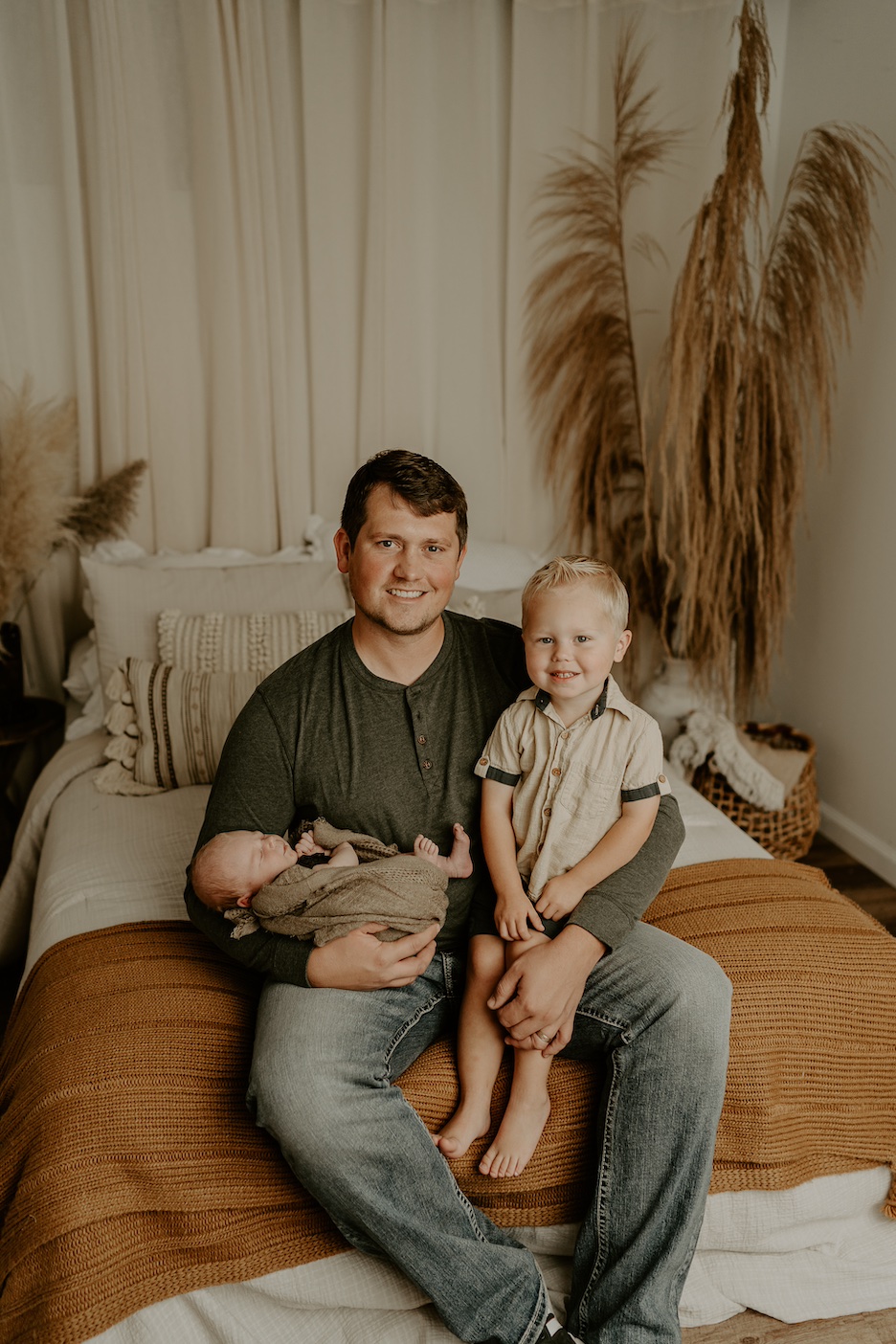
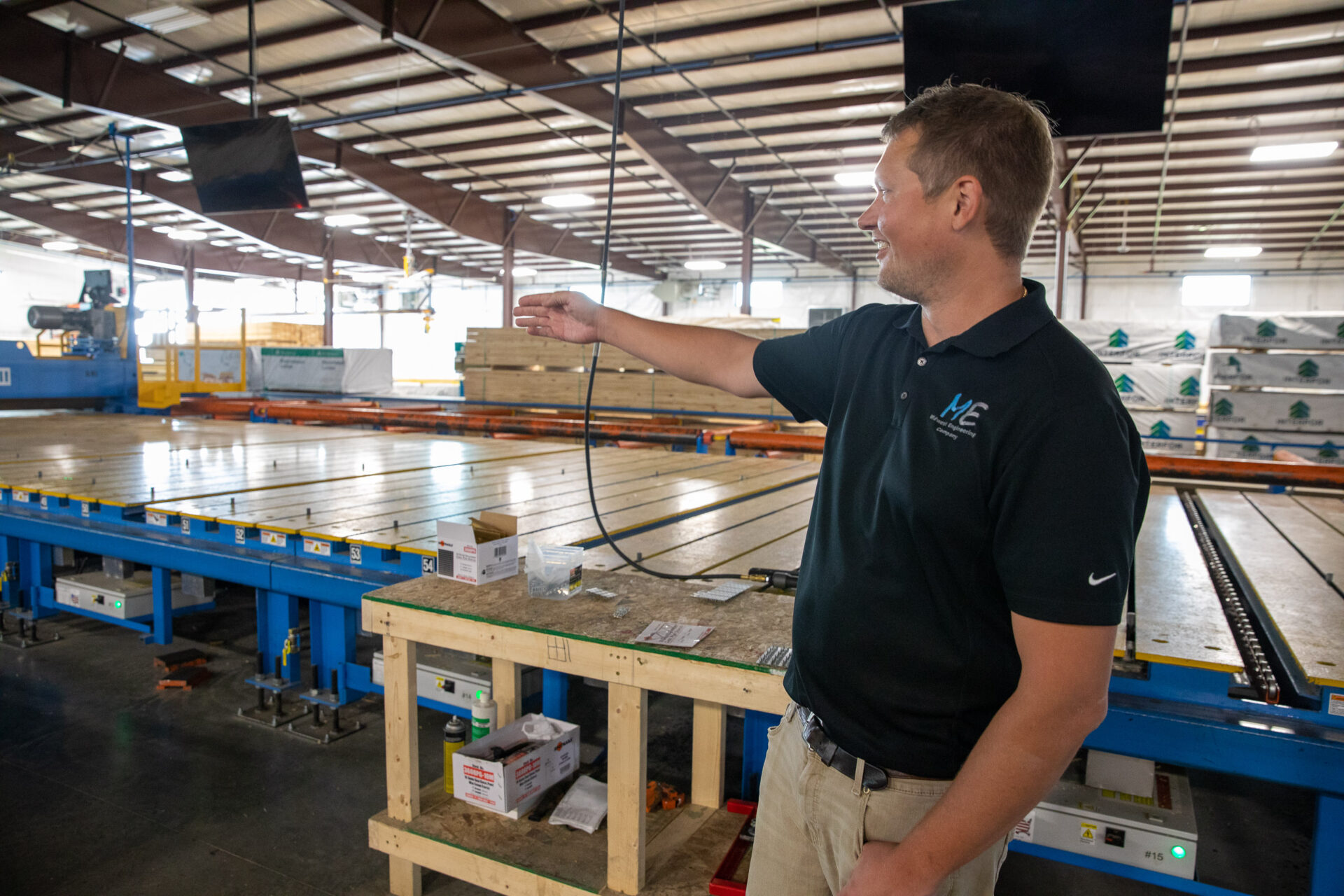
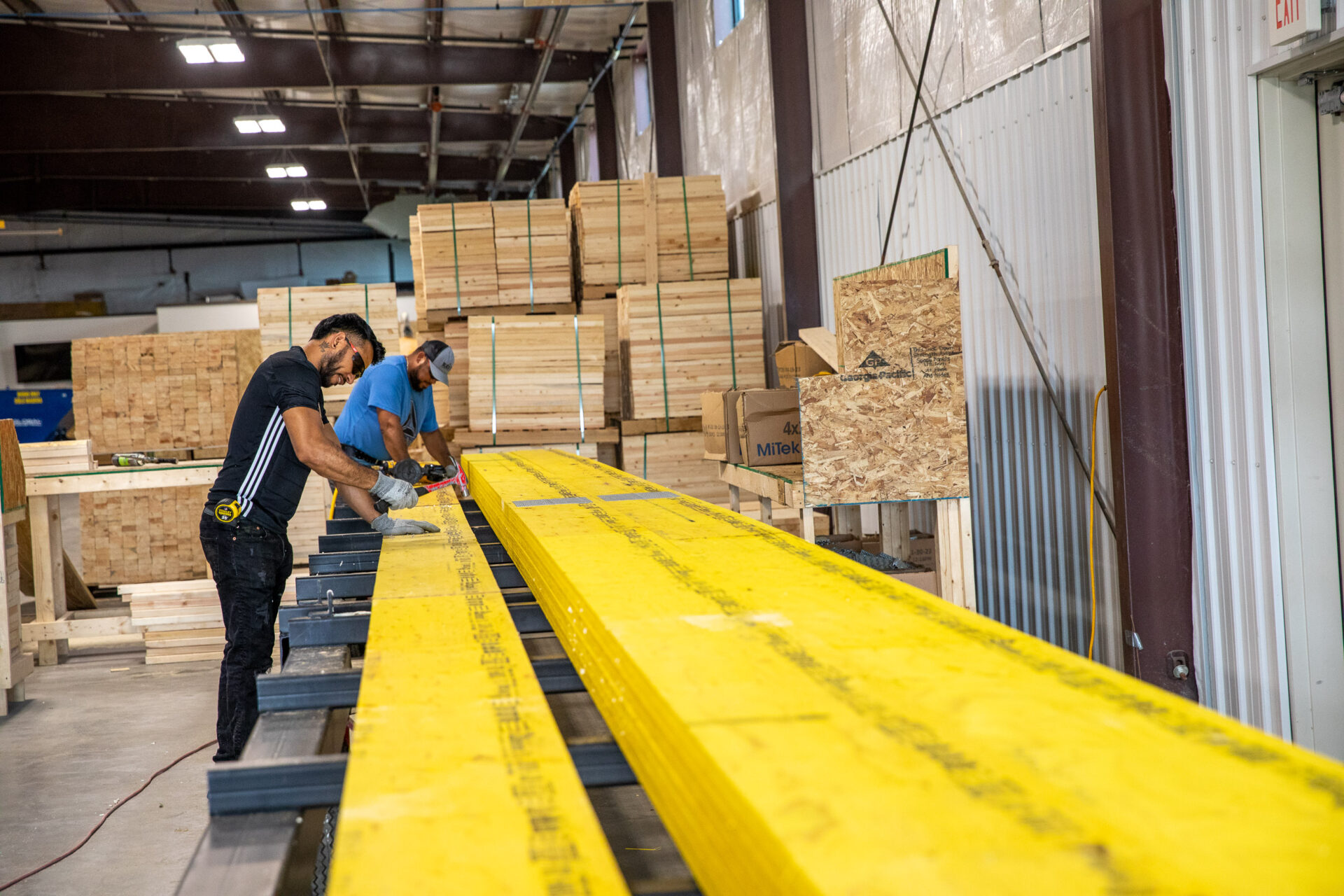
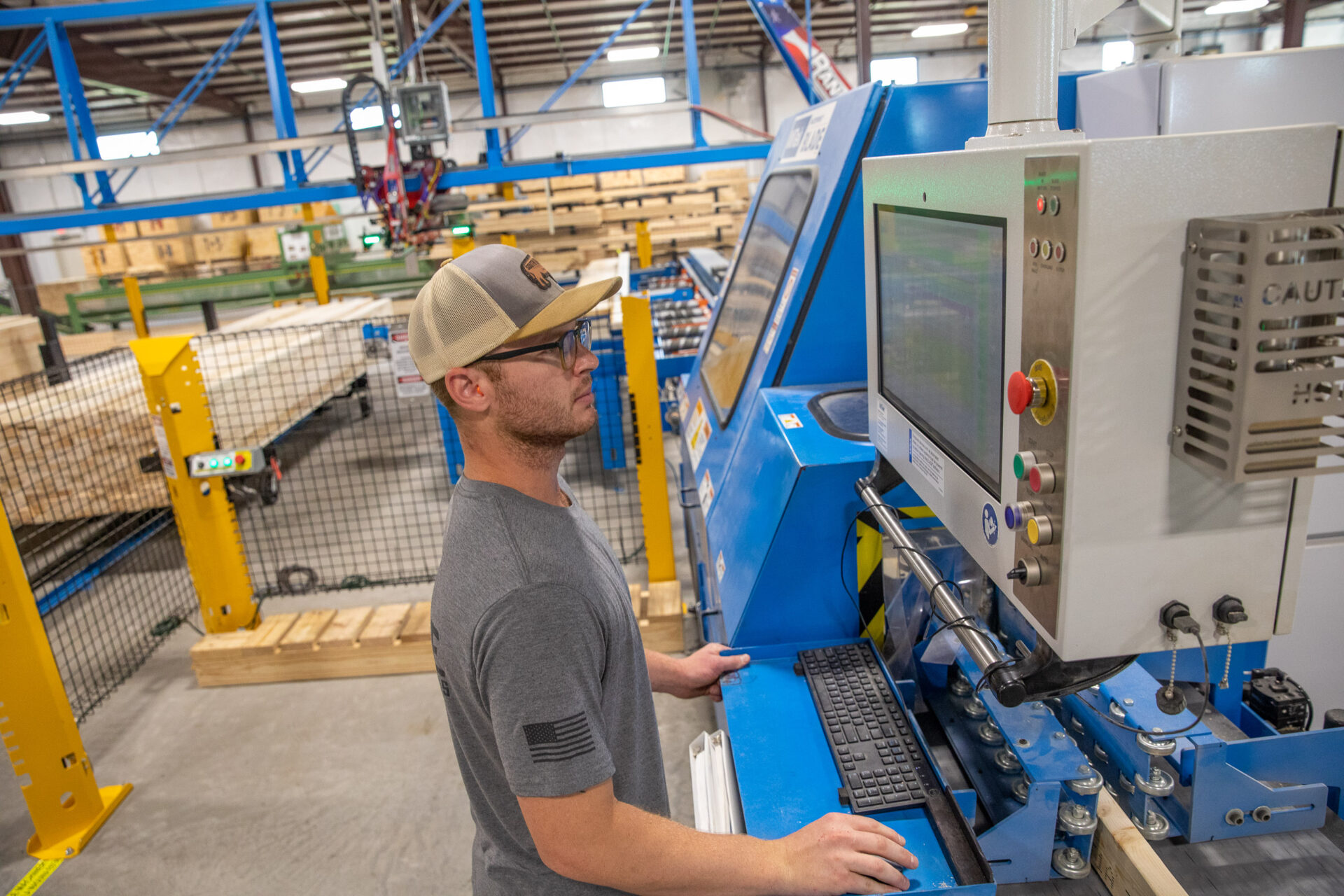
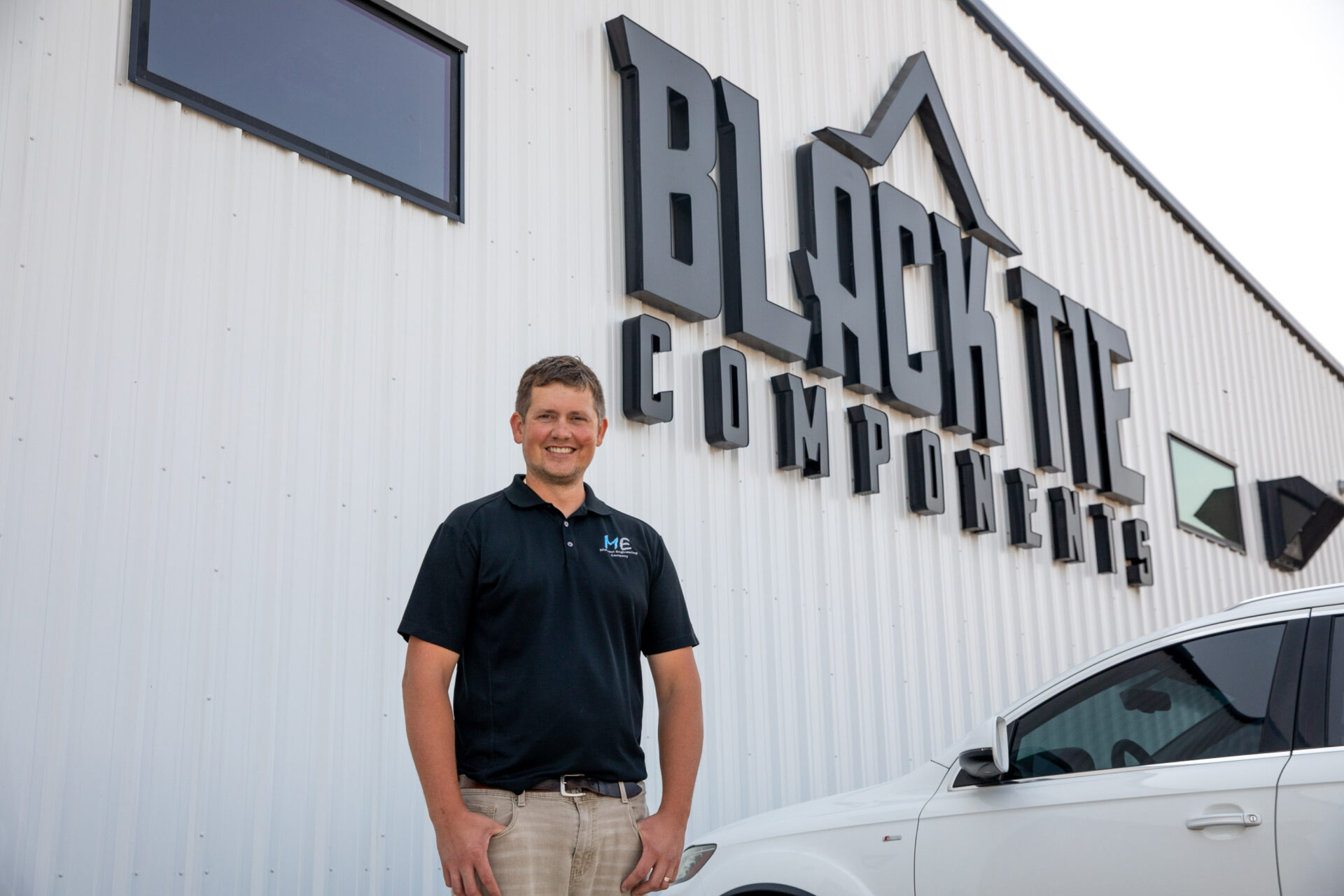
In his latest entrepreneurial endeavor, Veurink and two others have started Black Tie Components, a manufacturing plant in Hartford that creates and sells a full package of building components ─ using wood and steel for windows, doors and trusses. Relying heavily on automation, Black Tie is among the last family-owned truss manufacturers left in South Dakota and North Dakota, Veurink believes.
“I know it sounds like I’m doing a lot,” the self-proclaimed workaholic said of his businesses. “And I know you need to generate money for operations. But really, we just want to be the easy button for people. That’s what motivates me.”
That and the memory of how he just about lost it all.
In October 2021, Veurink was helping install a foundation support system at the site of an old meatpacking plant in Sioux City. He has been told he likely inhaled spores there contaminated with bacteria in dust from long-departed infected animals.
As a result, he contracted what doctors call Q fever. Days later, a second whammy ─ his two young sons came down with COVID after a family gathering for a baptism. It wasn’t long before Veurink had COVID too, with a voracious cough and trouble breathing. He went on oxygen at home on a Tuesday. A day and a half later, “I woke up in the middle of the night, sitting on the edge of my bed, hooked up to my oxygen maker, panting, unable to breathe,” he said.
He went to Avera that Nov. 4 and was admitted to ICU almost immediately.
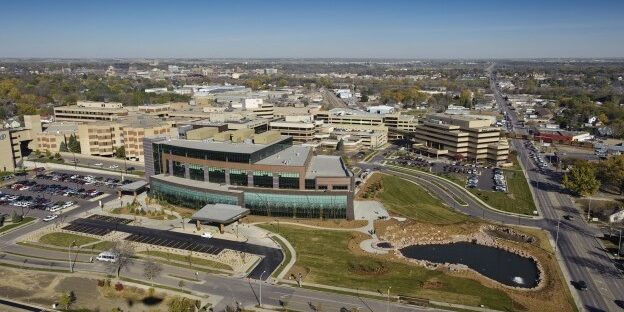
For those first 15 days at Avera, no one was allowed in to see him. Not even his wife. Alone, isolated and struggling to breathe, he was intubated Nov. 9 with a flexible plastic tube inserted into his windpipe to maintain an open airway.
That tube facilitated his placement on a ventilator ─ almost assuredly a death sentence in the earlier days of COVID.
“That was my fear, that he might not survive and get off the vent,” Ashley Veurink said. “One of the hardest days was when a doctor came in and told me, ‘We don’t believe he will make it off the ventilator.’ And I remember saying: ‘Well, he has to. He’s 35 years old. We have two kids, age 2 and under. We don’t have any other options.’ ”
After 15 days, family was finally allowed in to visit ─ at first, two visitors at a time, then only two a day. Ashley was there every day. And afternoons, her husband’s parents would drive in daily from Platte so she could spend a little time at home with her children.
In his first days in ICU, miserable, unable to sleep, Veurink would stare out and witness not only the cold reality of others struggling as he was, but the possibility of what COVID might have in store for him.
“I remember there was a lady right to my left, and in front of her was an older gentleman in a bed,” he recalls. “All of a sudden, he was on a ventilator, and you could hear the machines working and see the lights. And then when I woke up the next day, the lights were off. At the time I didn’t know it, but you don’t just wake up and get off a vent. I assumed they had passed.”
Veurink was on his ventilator for 57 days. He has no memory of that time. But Ashley Veurink recalls the days vividly, especially in the beginning, as they neared Thanksgiving and the doctors were losing hope.
Her husband was not improving, they told her. His outcome if he did survive, they said, was not promising. His need for fentanyl to keep him sedated and from thrashing about on the ventilator likely would turn him into a drug addict, they said. There was no way to know, either, if his trouble breathing had resulted in oxygen deprivation and thus damage to his brain. If he made it, he certainly faced the prospect of a transplant for his damaged lungs.
“The doctor who was in charge of his care for the majority of Robbie’s time there, I straight out asked him, ‘If you need a bed, will you take Robbie’s?’” she said. “And he said, ‘Ashley, he’s 35 years old. He’s one of the longest patients we’ve had here. We will not be taking his bed until you decide if you want to change the course of care he’s on.’ ”
Ashley did not want to change the course of that care. The talk of lung transplants, brain damage, drug addiction ─ “I was kind of like, ‘I think we’re kind of overshooting where we are right now,’” she recalls. “I said, ‘We can just kind of get to those conversations when we get there.’”
When someone suggested that she might have to put her husband into long-term comfort care if he survived, she didn’t hesitate. “That was a conversation that was very short,” Ashley recalls. “It was like, ‘No. He’s 35. We’re not there yet.’ ”
On the night when family believed the end might be near, Ashley was preparing to tell her husband goodbye. Healthy people usually have oxygen saturation levels in their blood of between 95 percent and 100 percent. Veurink’s levels were falling down into the 60s. There seemed to be no medical options left.
Out of desperation, the family turned to its last option ─ prayer and the hope it might bring with it.
There’s a beautiful video the Veurinks have made that talks about that night, about how his oxygen levels slowly rose as they prayed and about the gift of their faith through this journey. God saved his life, Robbie and Ashley both believe, even though the power of prayer maybe couldn’t save others in similar situations.
“Why Robbie and not others?” Ashley asks. “My thought is, who lives or dies is not my decision to make. It’s God’s will. And if God felt like there was something that Robbie needed to be around for, then maybe he wasn’t done with his story yet. We also prayed that God’s will be done. We would have been heartbroken if Robbie hadn’t made it, but at that point, it wasn’t our decision to make.”
In February 2022, Veurink left the hospital after those 106 days. That a COVID patient on a ventilator for eight weeks was going home was a story in itself worth celebrating. When he was moved from ICU to a step-down unit, nurses and staff who had cared for him would come to visit and bring friends to see the guy who had fought and won over COVID.

Along with their faith, Veurink believes he is here today because he had extraordinary lung strength before his illness. When his wife had their second child, he was in her hospital room looking at an inspirometer, a device used to measure lung capacity. “So I was playing with it,” he said. “What I noticed was, I could hit the top and hold it for an extended period of time.”

The other factor in his favor, he said, is being married to a tenacious woman, an advocate who constantly fought for his continued care.
Ashley Veurink wasn’t going to let anyone give up on her husband.
“I know they had a lot of hard decisions to make at the time. We understand that,” she said. “But I kept explaining to the doctors that I felt like he deserved longer. He was our person, and so we had to do everything we could just to make sure he had every option on the table and to fight for that constantly.”
Today, Robbie Veurink is back at work. His team kept his businesses moving forward during his absence, and he is thankful for that. Personally, the stress on his lungs means he won’t be running any marathons, he said. And he has had to compensate for some nerve damage in his right arm, suffered when blood he was receiving pooled beneath his skin and compressed a nerve.
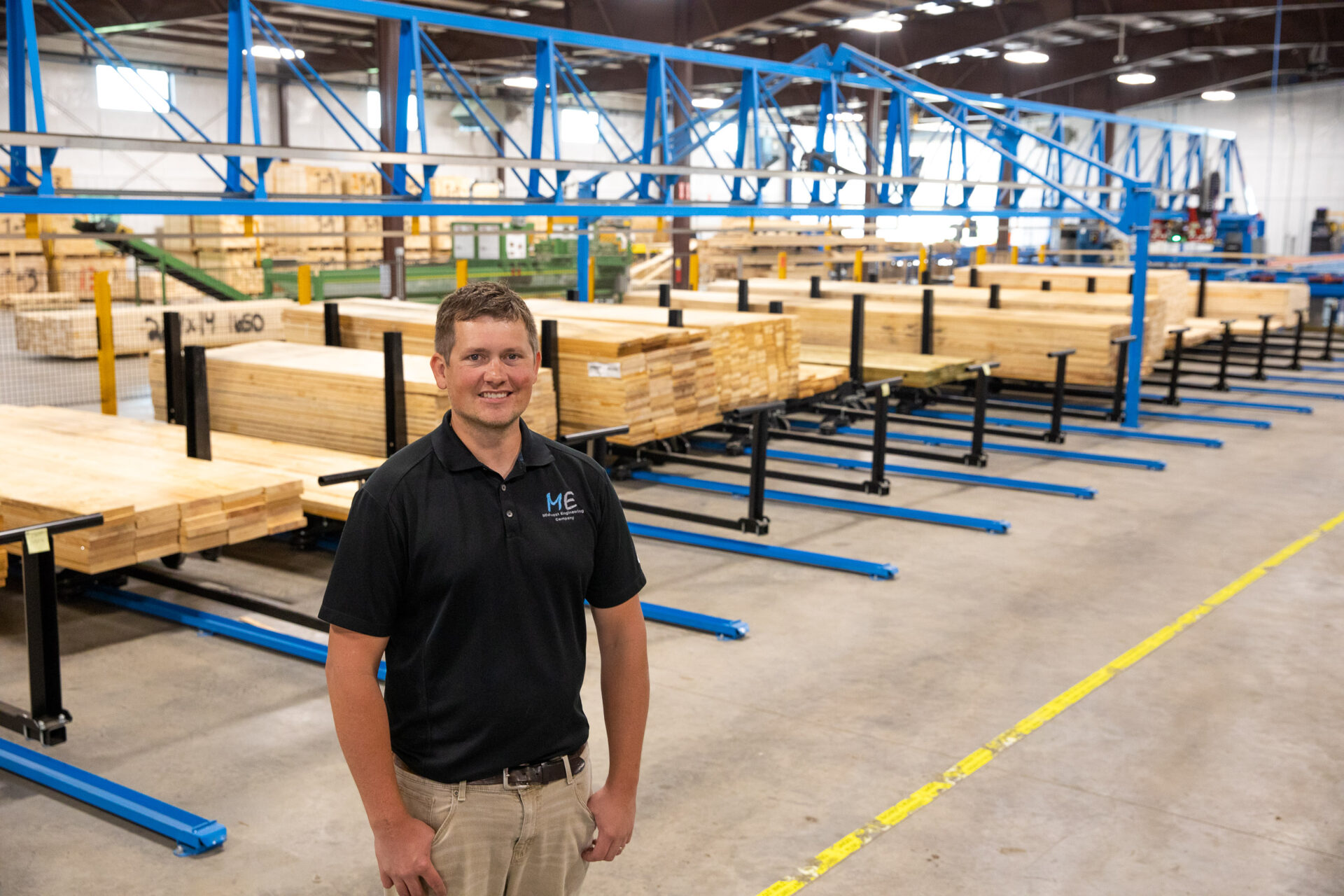
It has been a slow recovery. “I tell people, after 106 days, I’ve had to relearn how to live,” Veurink said. “How to walk. How to lift my arms and legs. They drugged me for so long, I lost 85 percent of my muscle mass and 65 pounds. So I had to relearn things, and it took awhile, but it’s getting better.”
The Veurinks have a third child now, a little girl to go along with their two little boys. If anything, COVID has turned the workaholic that was her husband into someone happier, someone softer, someone more focused on his family, Ashley said.
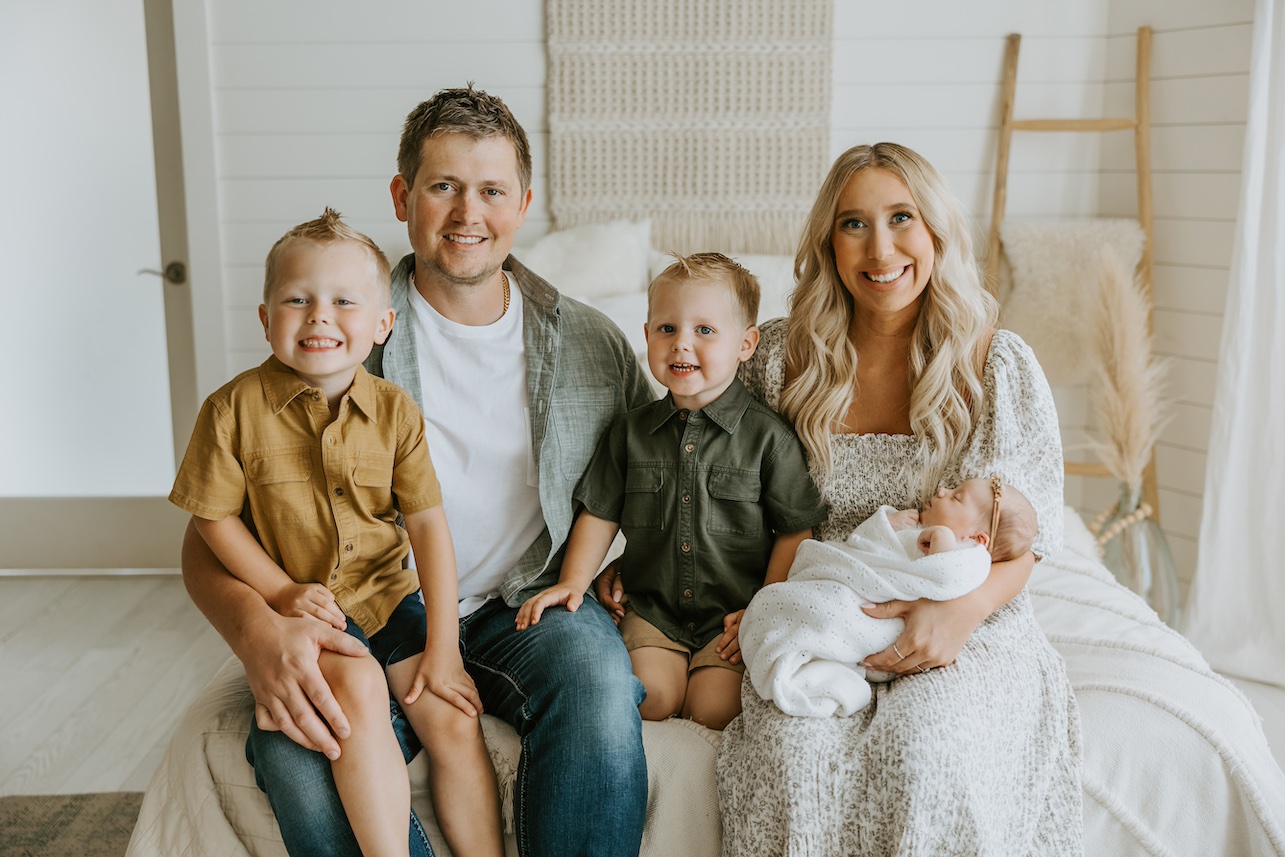
“I feel like he works with a purpose now,” she said. “He works because he wants to support our family. He works because he wants to grow something with his brothers. I feel like he sees the world a little bit differently now.”
Robbie Veurink views the world now through the lens of a disease that killed so many, but spared him. He may never fully understand why. Doesn’t matter. He’s here today because faith, hope and the love of family helped to write a different ending to his story.
The kind that anyone who has emerged from the crucible of COVID would be happy to share.