Former Citibank campus listed for sale
Aug. 19, 2024
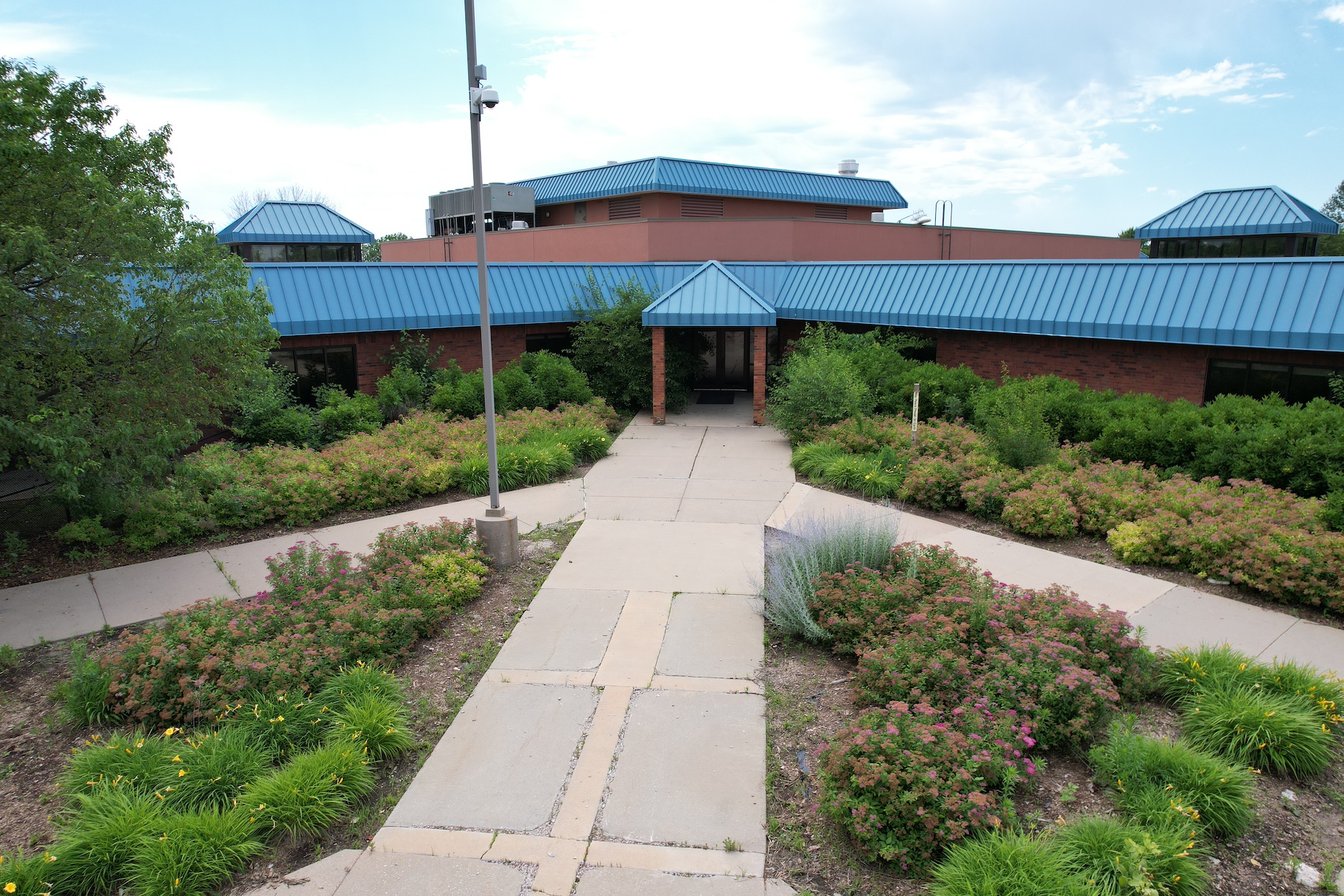
The office campus that launched South Dakota’s credit card industry is for sale.
The former Citibank campus at 701 E. 60th St. N. is listed with NAI Sioux Falls for $33.8 million, with an option to purchase individual buildings or available land on the 69-acre property.
“It’s a big campus. It’s a lot of land. It’s a lot of buildings, and it will take a unique buyer, I think, to be able to wrap their arms around it,” said Gregg Brown, who has the property co-listed with Troy Fawcett.
“We’ve consistently had interest from potential buyers even while we’ve had the building for lease the last four years, and finally we’ve been able to list it for sale, and hopefully some of those groups that have shown interest in the past will take a hard look at it and submit offers.”
Still, “we’re very realistic and very flexible,” he added. “We might not find a single buyer for the whole campus because it could be a big undertaking.”
Avera Health currently has a lease in place for one of the buildings and has made improvements to it, but the health system doesn’t have a need for it any longer with a shift to remote work for some back-office operations, he said. It’s also available for sublease.
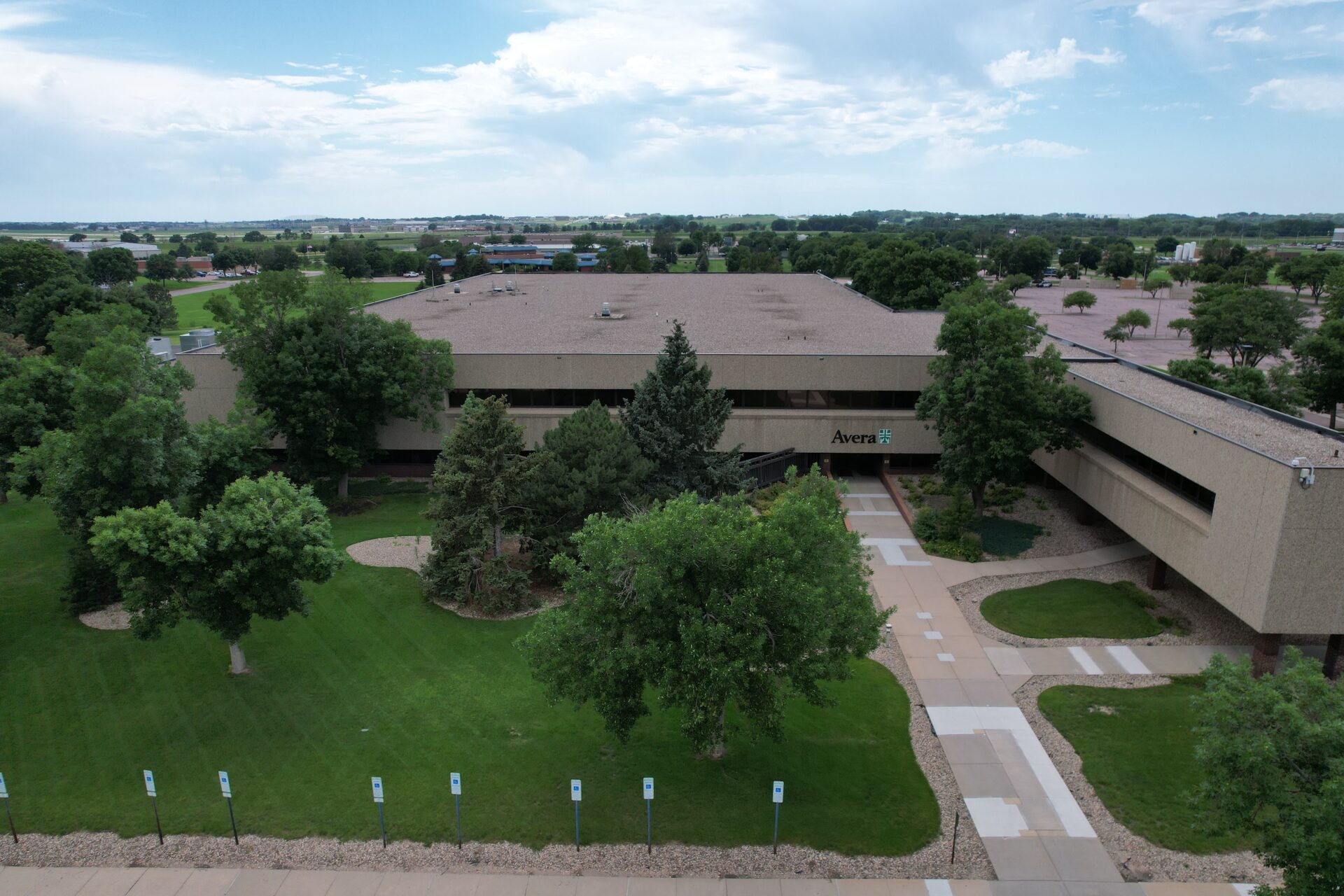
“Building three shows the nicest and has a fitness center and full cafeteria, so somebody could move in there tomorrow,” Brown said.
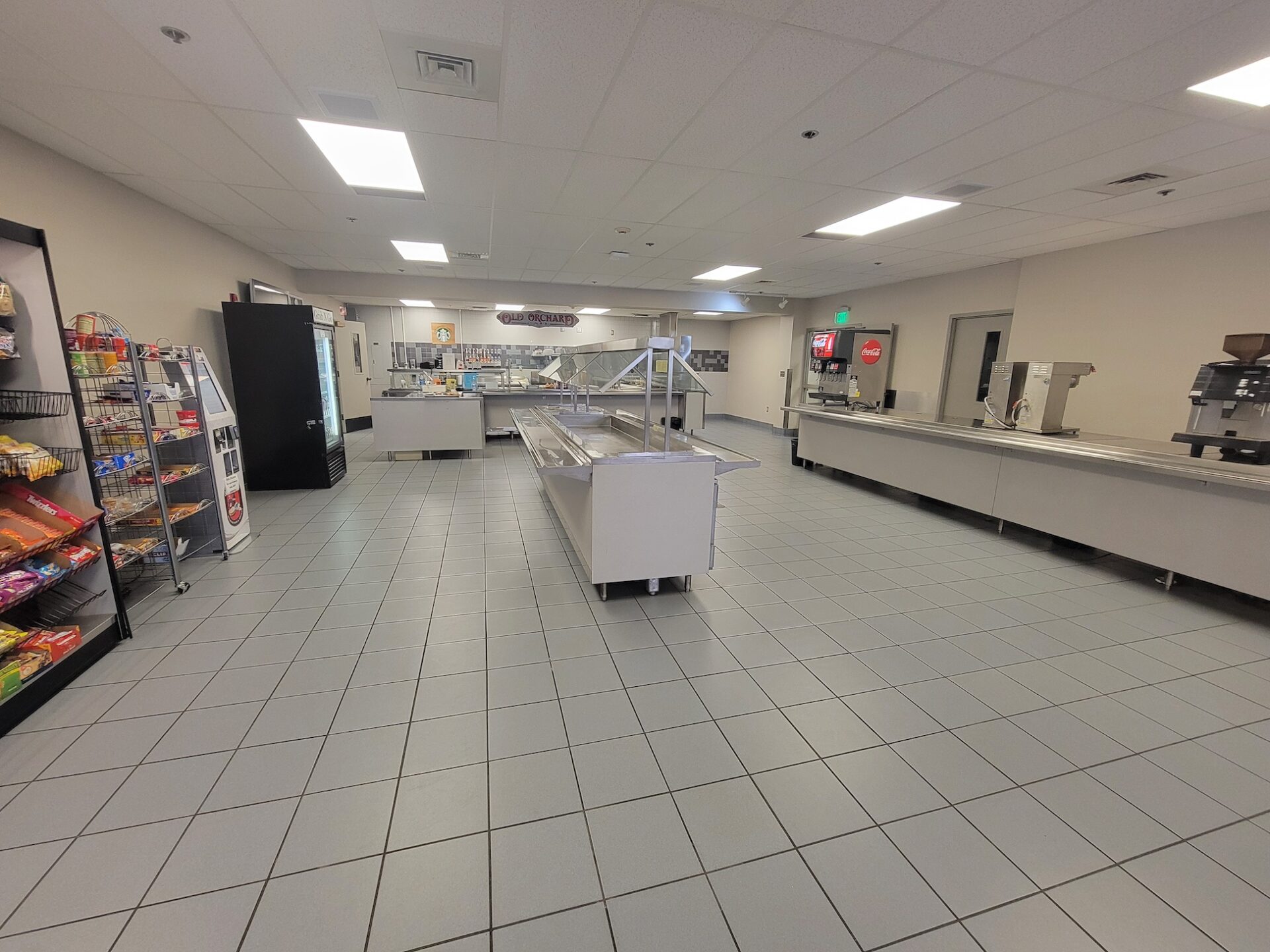
Part of building one’s second story is leased month to month by Victory Life Church.
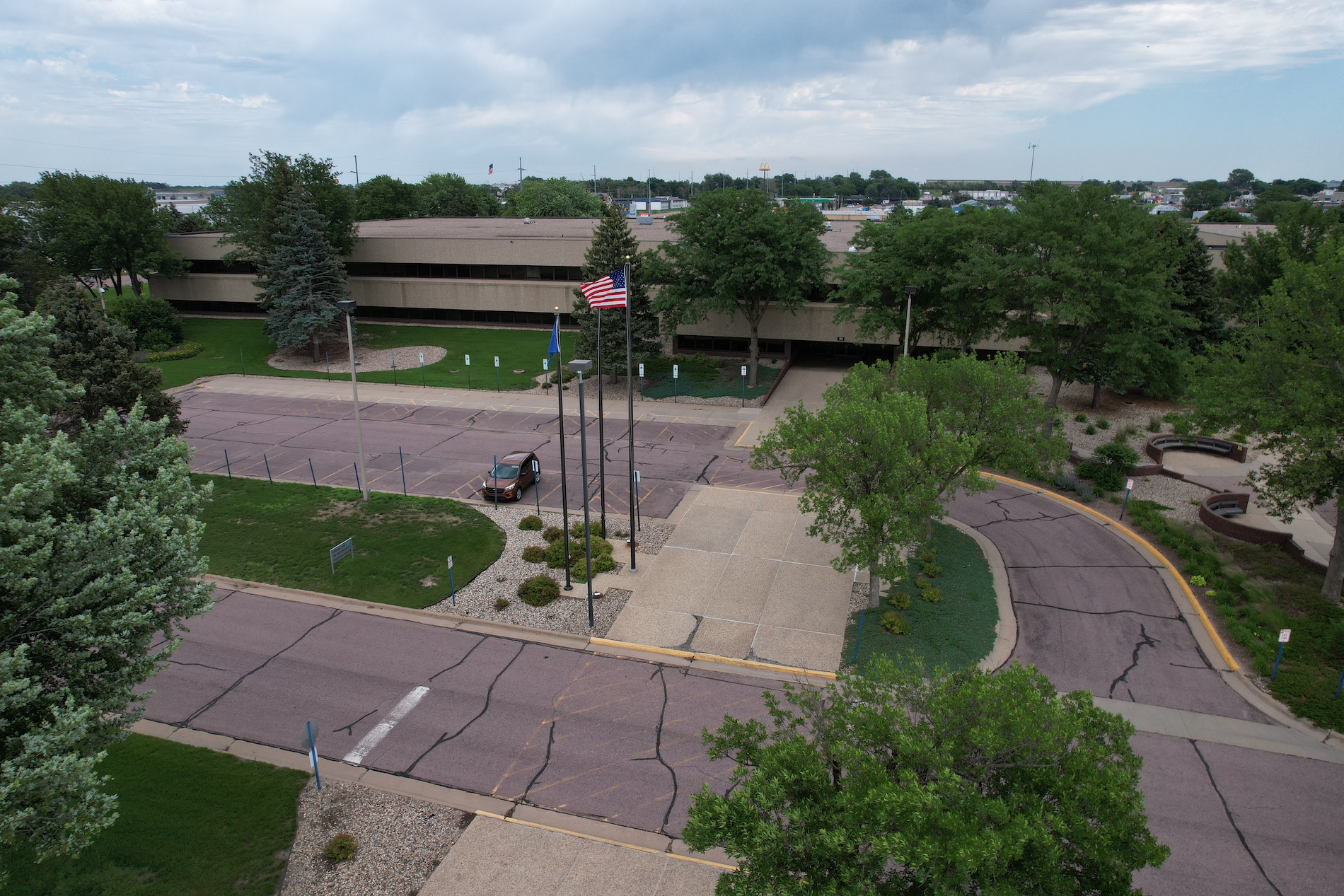
“And we have a ground lease with Amazon for one of the parking lots that’s temporary as well, so we cobbled together a bunch of little users, and the property cash flows,” Brown said.
The property is owned by Zurich Insurance Group, which “took the property back from the prior owner once Citibank left,” Brown said.
“They gave us the green light to dispose this asset so they can exit.”
Citibank moved its staff in 2019 to a new building in southwest Sioux Falls. The original buildings on the north Sioux Falls campus were built in the early 1980s, with expansion continuing through the mid-1990s.
NAI is marketing the property broadly, including to regional brokers who might have clients interested, he said.

“We’re casting a wide net,” he said. “But I would hope it’s a local buyer that understands the importance of this campus. While not historical in terms of architecture, it has strong historical presence in the community kicking off the financial industry. For somebody to be able to buy it and repurpose is, I think, important to the city and the state.”
The price is “at a considerable discount,” allowing for a budget to make necessary changes to the buildings, he added.
“We don’t think these are teardowns. They are institutional quality with backup generators, and the materials are such that you hate to tear them down, but somehow they need to be repositioned.”
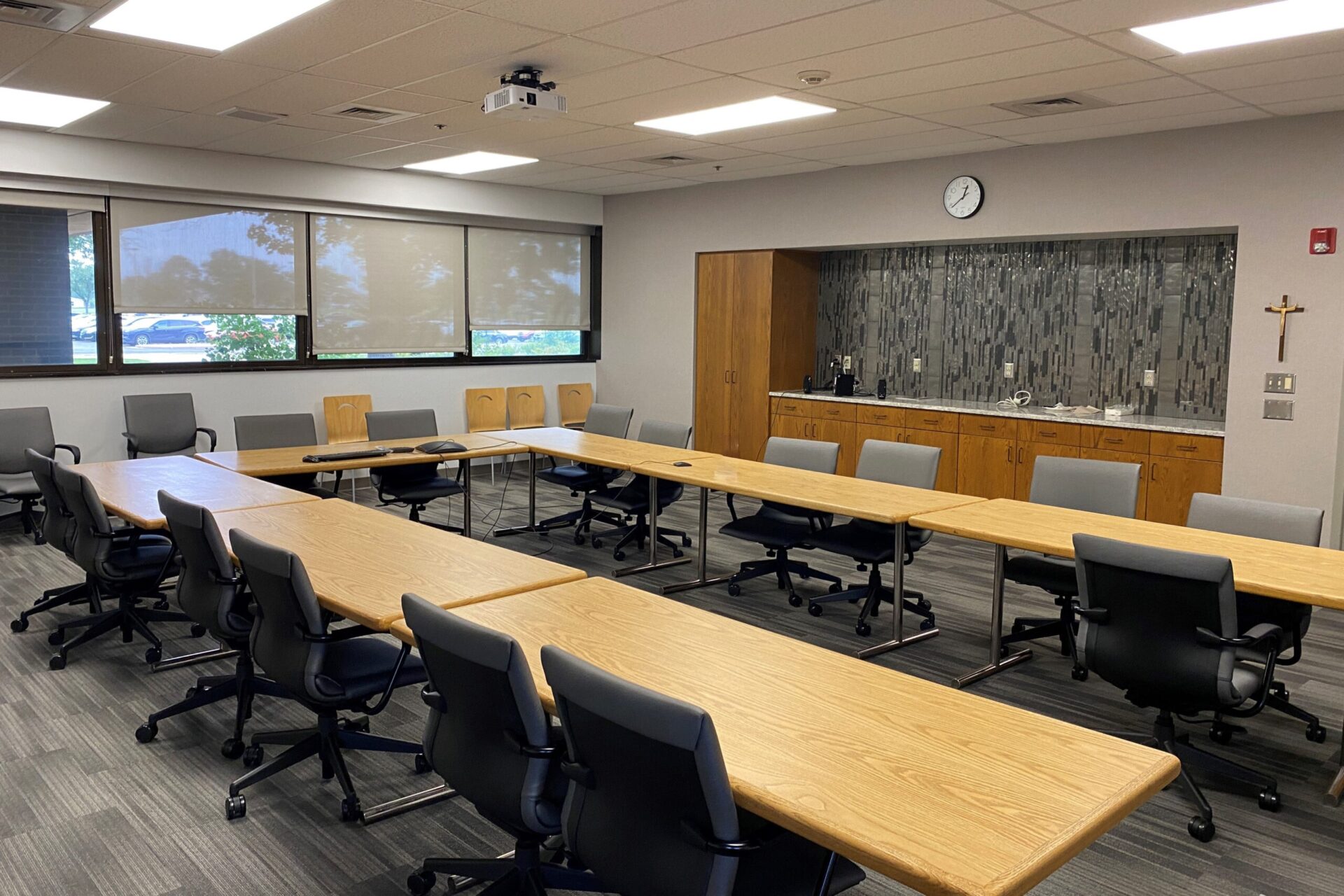
Options could include another corporate campus, data center, self-storage, light manufacturing or even housing, he said.
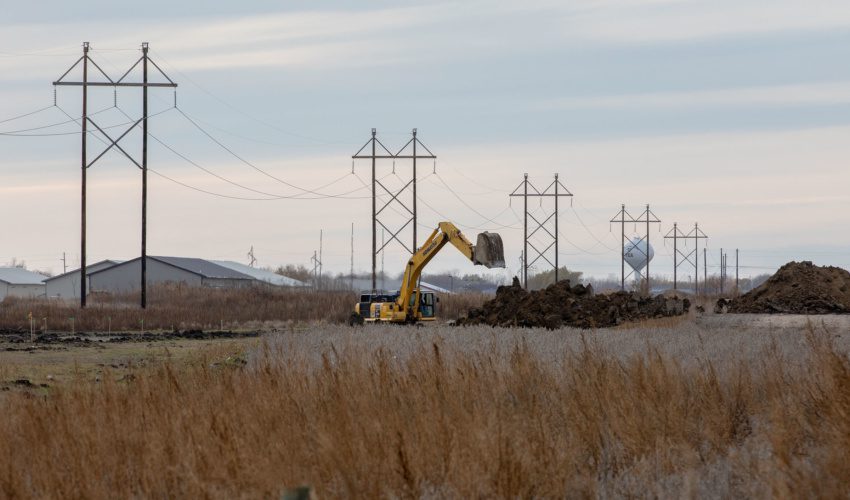
“And we have a lot of excess land — almost 70 acres — all zoned industrial and located off the interstate,” Brown added.
Here’s a sense for how additional buildings — those in red — could be added to the campus:

Call centers in general have contributed significantly to the city’s office vacancy, he added.
“There’s probably 10 different call center buildings on the market for lease or sale,” Brown said, estimating that the campus totals about 700,000 total square feet.
Nick Gustafson of Bender Commercial Real Estate Services agreed.
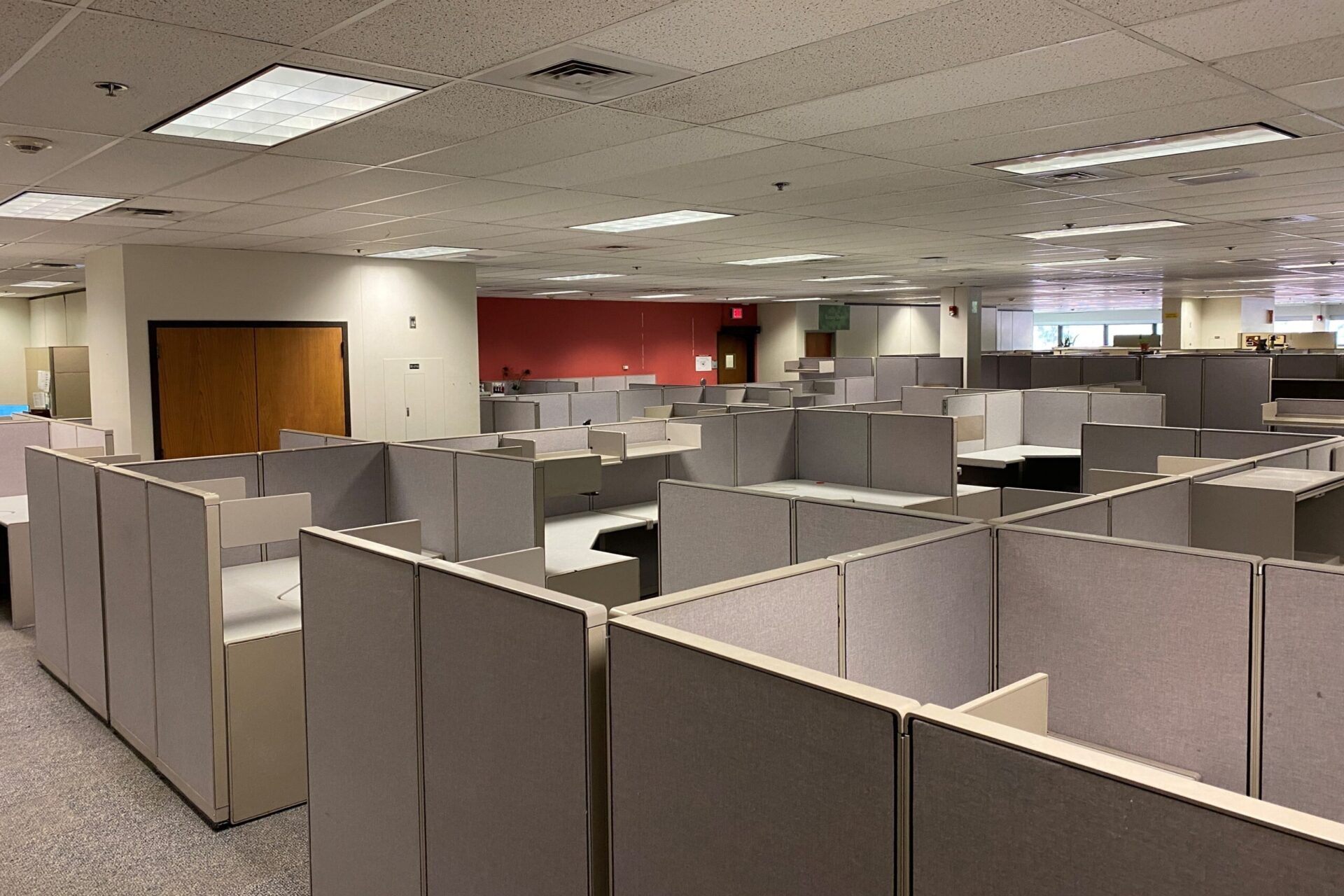
“Really, (office) interest is 10,000 square feet and under. That’s (a category with) very low vacancy in office — it’s 3 percent or lower. Smaller office space is really tight. But if you pop over 20,000 square feet that has at least a decade or two of age, you’re closer to 20 percent or higher, so our vacancy in the office market is in large call center spaces.”
The buildings that are available in Sioux Falls are attracting interest, but it’s largely for adaptive reuse, he added.
“Industry is in high demand still, almost everywhere. If someone doesn’t need to stack product super-high, call centers can be great, but you have to look at the individual call center,” Gustafson said, adding that the buildings need to be structurally able to support the weight and demand of industrial uses.
Other options include assembly, nonprofits and churches — though the financials can be challenging — and indoor entertainment venues, he said.
“Those seem to make the most sense because call centers are usually tucked away in a quasi-industrial type area,” he said.
In Maryland, a sister campus to the Citibank property sold about a year ago to a developer who demolished the buildings and replaced them with several large distribution warehouses, Brown said.
“I don’t think that’s going to happen here. I think someone will figure out what to do with those buildings,” he said.
Graco, which converted a former Wells Fargo call center to manufacturing space, is “the poster child” for what can happen in such a building, he added.
“It’s very practical, and it makes sense.”
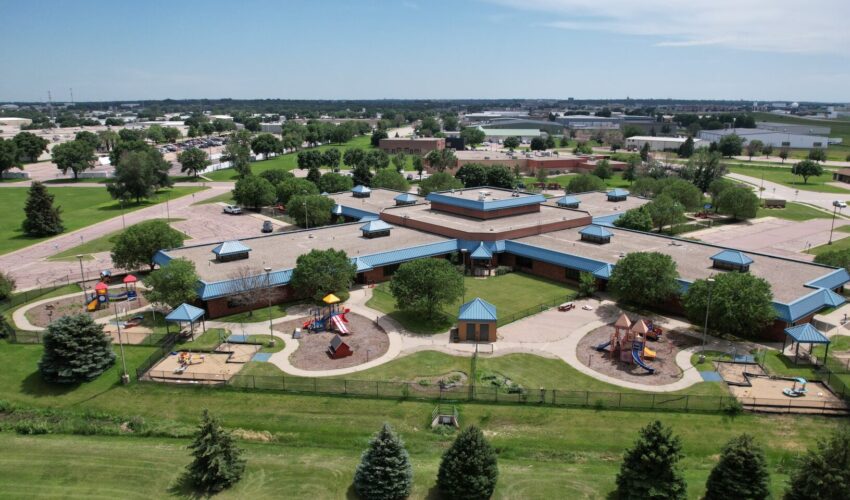
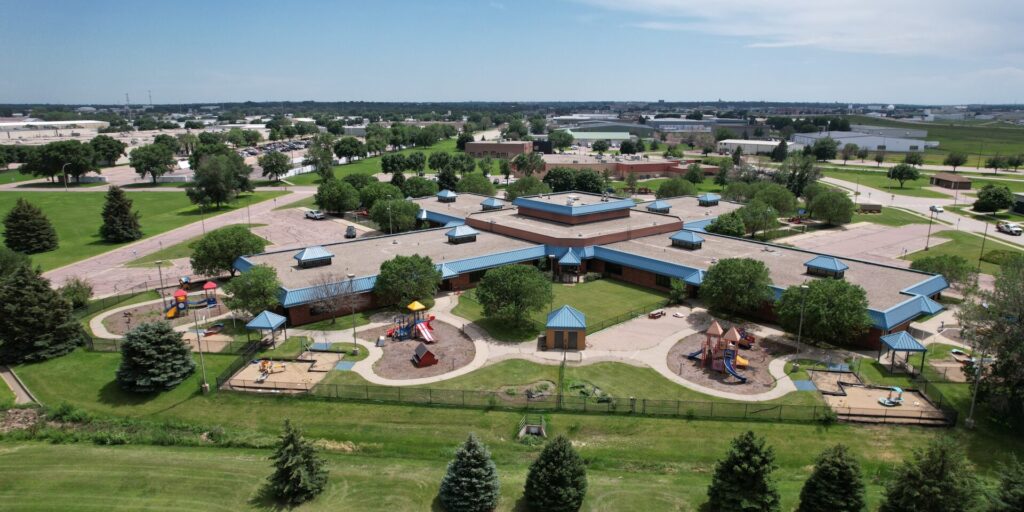
The “biggest wildcard” on the property is the former child care center building where Citibank offered services to its employees.
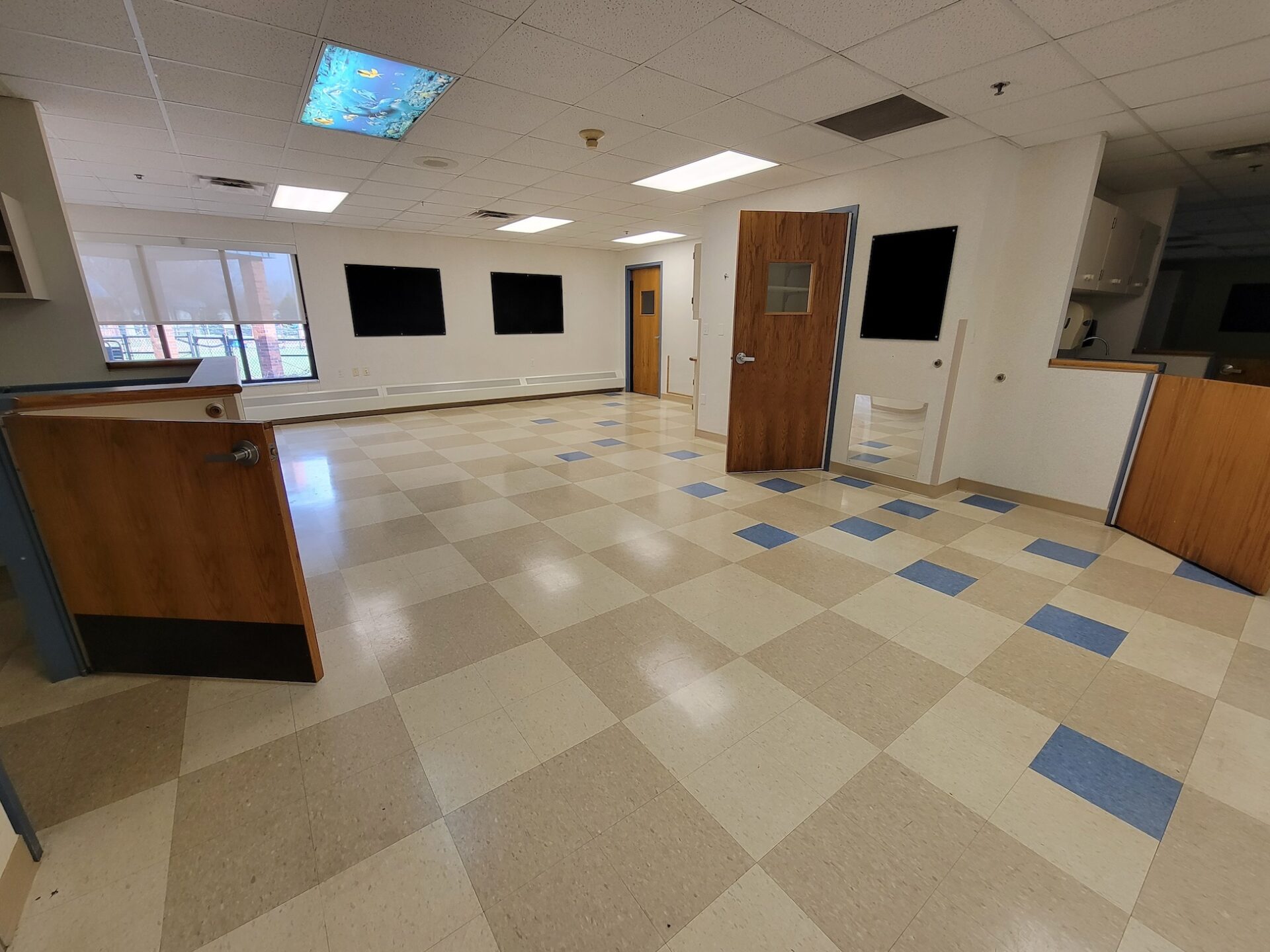
“Can that be repositioned as a school or medical use or as a day care? That’s the one I have the biggest questions about,” Brown said, adding the total listing could involve multiple deals.
If it takes us four or five transactions to sell off the whole campus, we’re prepared to do that.”