Emerging ‘green-tech’ company redefines recycling with products set to disrupt industry
March 16, 2026
This piece is sponsored by Sioux Metro Growth Alliance.
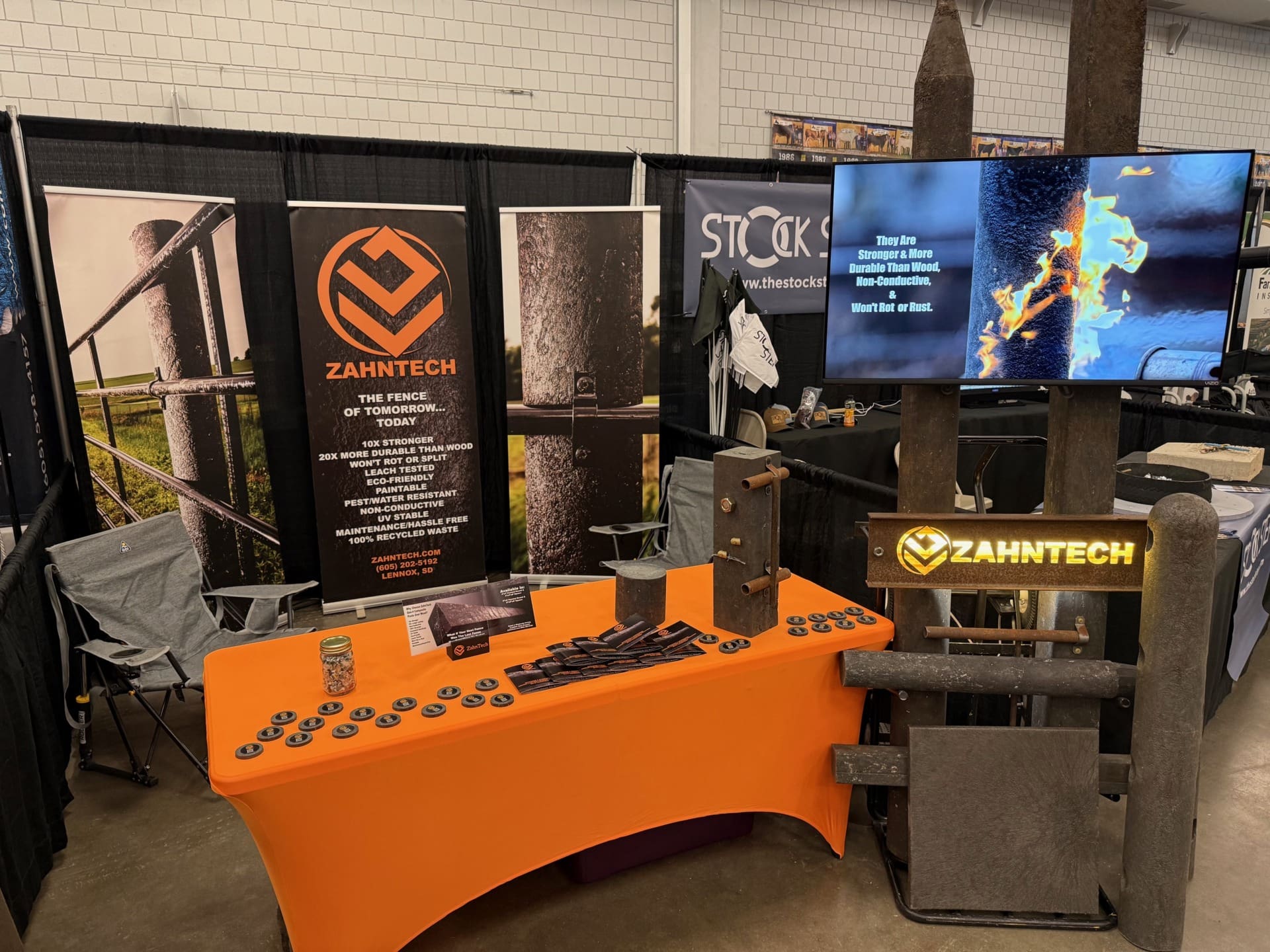
It was a test of strength: Gov. Larry Rhoden against a plastic puck about the size of an Oreo cookie.
The state’s leader grimaced.
“Couldn’t even break it,” he said.
@zahntech7 Governor of South Dakota trying to break our plastic chips.#sustainability #plasticpollution #recycle #elonmusk #southdakota ♬ [Raw recording] Record playback noise 01 (3 minutes) – Icy Light
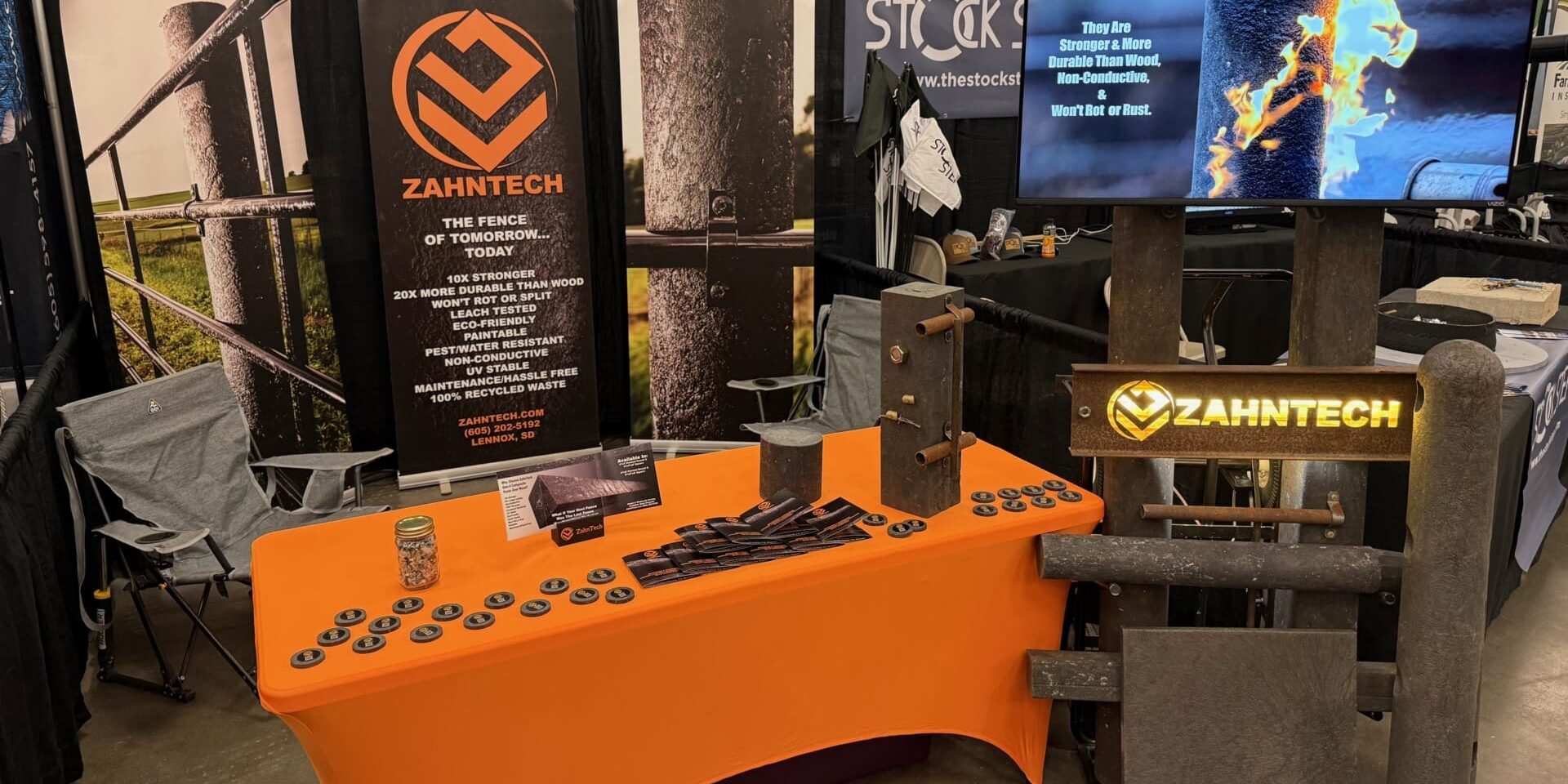
Rhoden had plenty of company at the recent Black Hills Stock Show & Rodeo, where a growing Sioux Falls-area company proved its products’ durability over and over again.
“It was a hit,” said Avery Zahn, founder of ZahnTech. “We gave away thousands of them.”
Behind the gimmick is a company that appears anything but. ZahnTech, which began as a producer of composite fence posts for the agriculture industry, sees immense market potential for its proprietary recycled material.
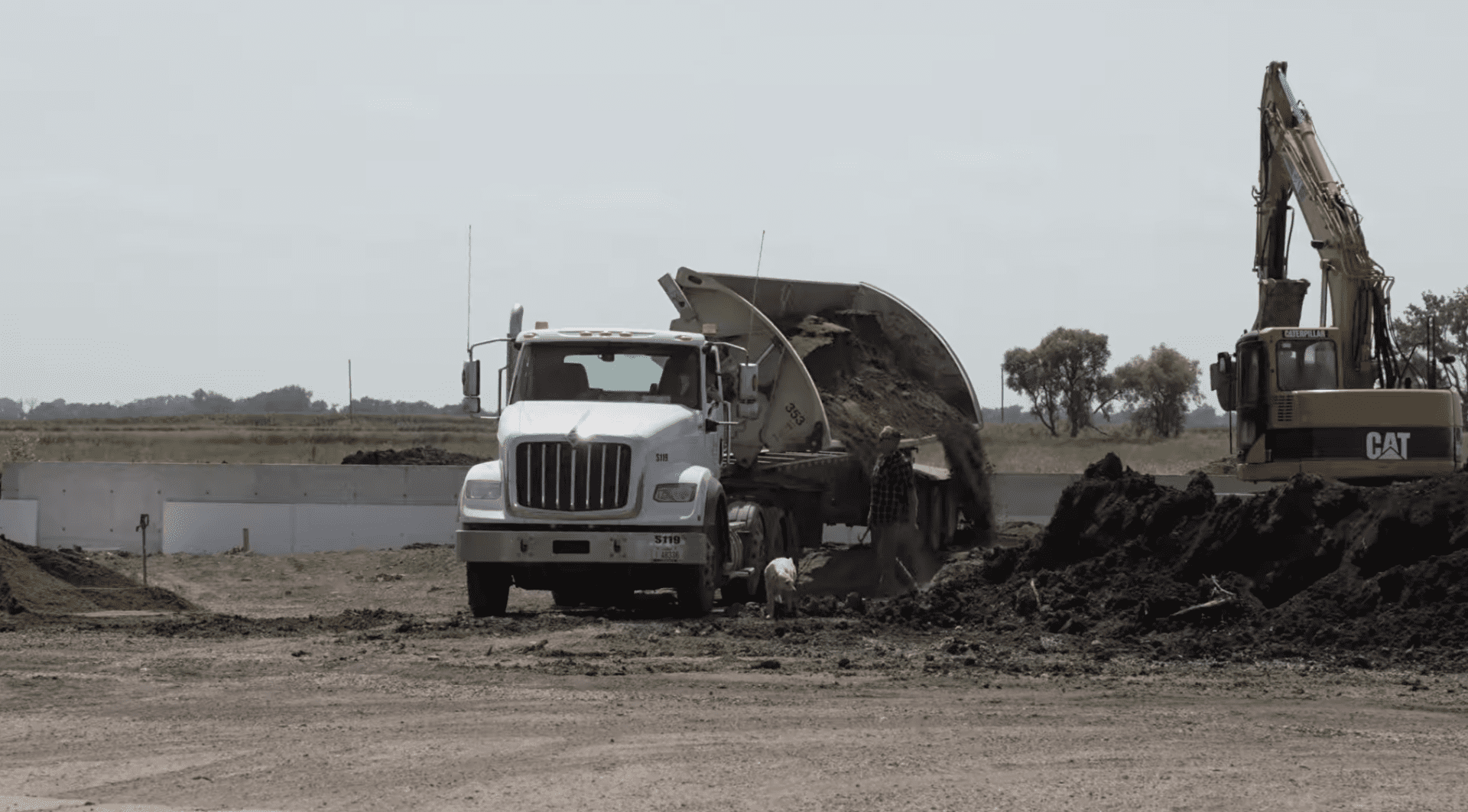
It has 64,000 square feet of building space under construction or being built out at the Canton Industrial Park, its products are sold out for months, and the whole growth story is being chronicled for a documentary on a major streaming service.
“This company is one to watch,” said Tyler Tordsen, president and CEO of Sioux Metro Growth Alliance. “It’s incredibly exciting technology with significant ability to scale.”
Career entrepreneur
Zahn became his own boss days after graduating from Southeast Technical College with a degree in horticulture and landscape design in 2003. His landscaping company would go on serve clients spanning from the Okoboji, Iowa, area to the oil fields booming in North Dakota.
A Worthing native — his father, George, served as mayor for 28 years — Zahn stumbled on a new business venture in 2008 when his dad was looking for a company to do sewer jetting and televising in town and came up empty.
“He said I should start a company like that, so I flew to Michigan and Chicago and got a trailer and truck and equipment,” Zahn said. “It exploded, and we ended up working across the Midwest.”
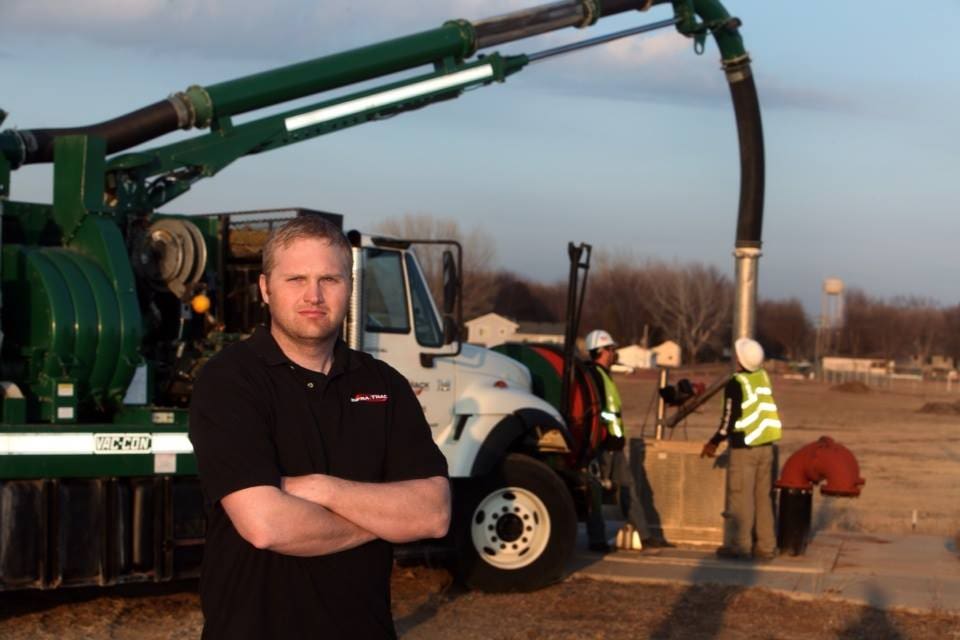
One day, his team was installing a sewer liner in Madison, and “the line wasn’t behaving well,” he said. “I was helping my guys install it, and I was wearing a polo shirt and got resin all over my arms.”
Four days and eight showers later, he was flying to Denver for a certification class, and “I lit up the scanner at security,” he said. “I missed my plane. So I went to Denver in my pickup and started thinking, ‘How can I allow my employees to be around this daily, knowing it’s embedded in their skin?’ It drove me nuts. I was driven to find a technology that didn’t have the chemicals this liner did.”
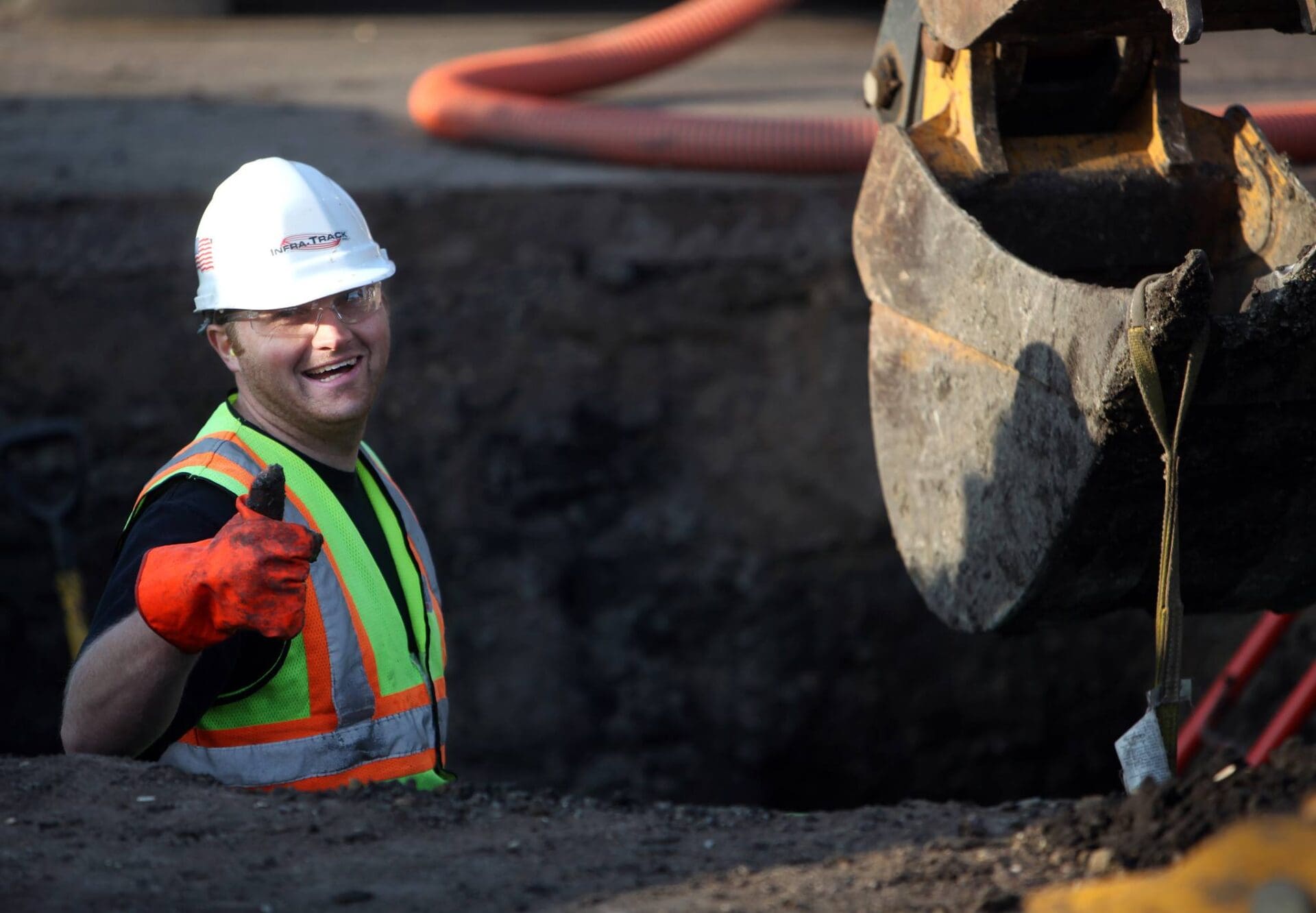
He tracked down a manufacturer in Colorado who made a plastic sewer liner and began working together to advance the technology.
“I was the installation guy in the field — the guinea pig — and he was in the factory, so I learned a lot about how to manufacture plastics through liner technology,” Zahn said.
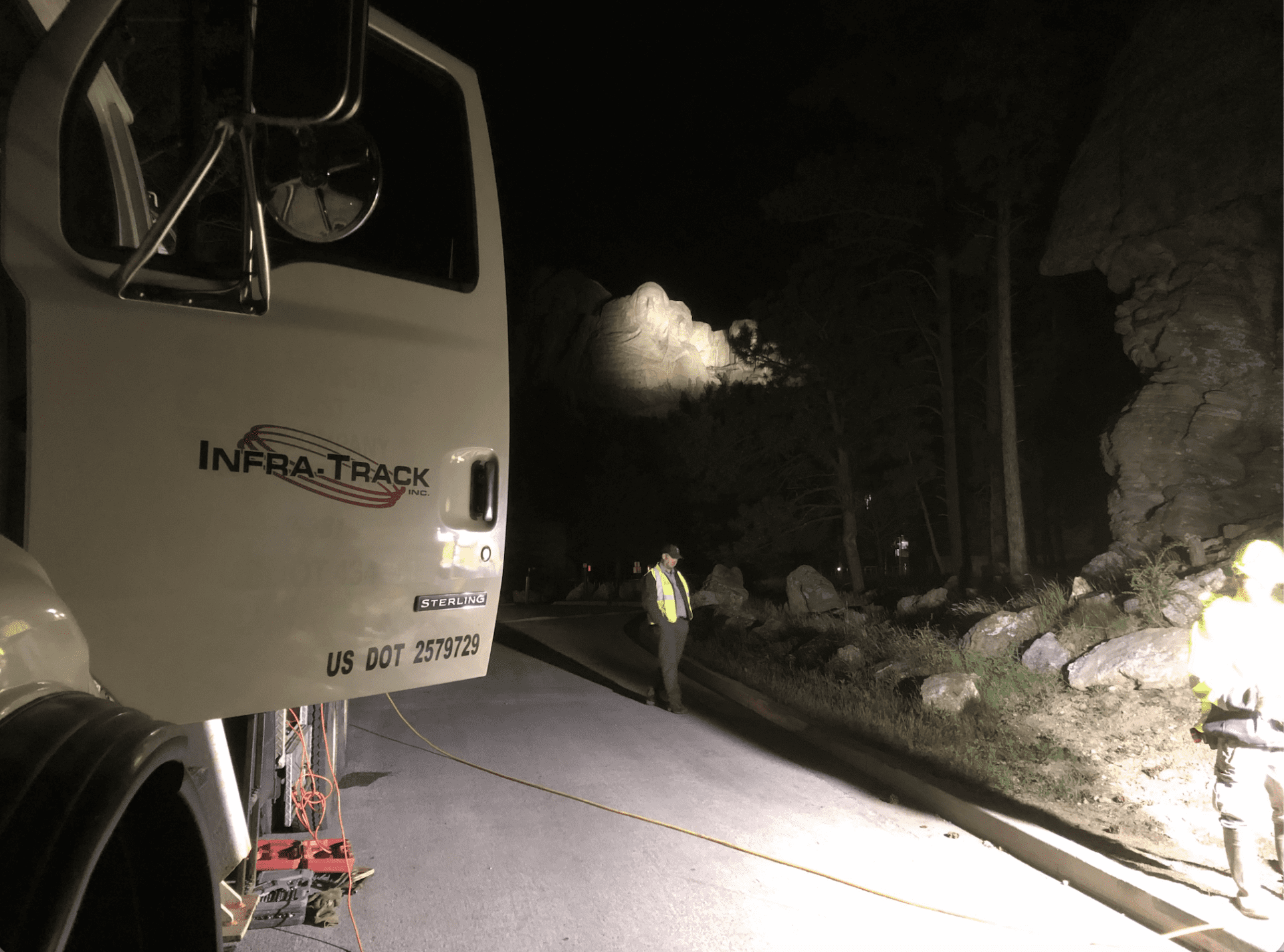
He sold the company, Infra-Track Inc., to a private equity firm in 2020, and the literal remnants of his former business became the foundation for his new one.
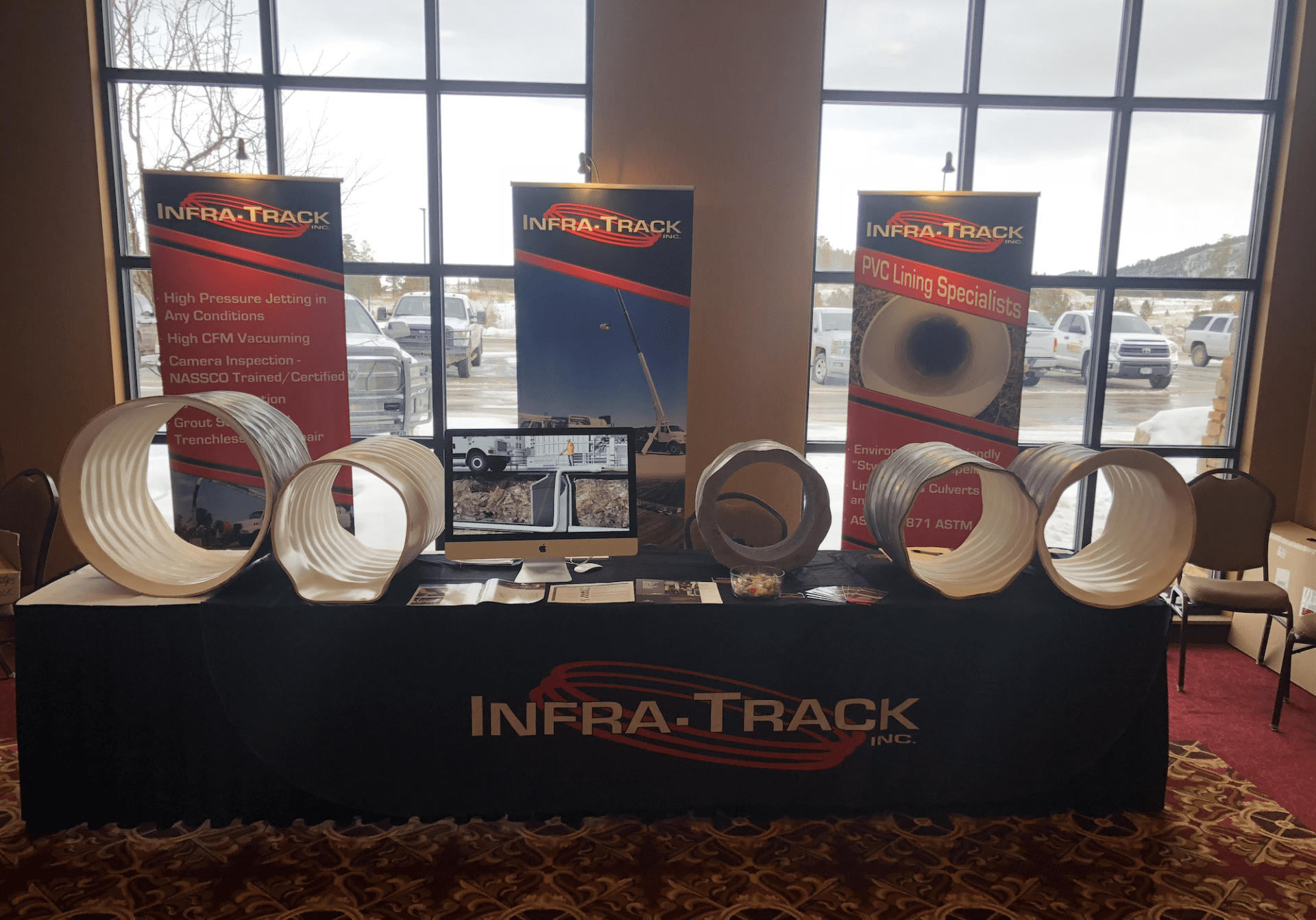
“They acquired everything, including our liner contracts, so I had all this plastic waste sitting in my yard, and I didn’t want to landfill it. It would have cost a fortune,” he said. “At the same time, I was watching my horses push over my railroad-tie fence I had just put it in five to seven years prior.”
As he went to fix the ties, a familiar problem arose.
“Railroad ties have oils on them, so you have that smell and it’s on your skin, and a light bulb clicked on,” he said. “I thought about what that old sewer liner had done to my skin, and I said I wonder if I can take these scrap pieces of liner and turn them into a fence post that didn’t have those chemicals.”
Zahn — who once built a go-kart from scratch as a kid — isn’t formally trained as an engineer but unquestionably has the skills of one.
Through trial and error and machines designed and made in-house, he has evolved a 100 percent recycled material used to make eco-friendly fence posts. They don’t rot or rust, are fire-proof, essentially maintenance-free, paintable, 10 times stronger than a traditional wood fence and last 20 times longer, he said.
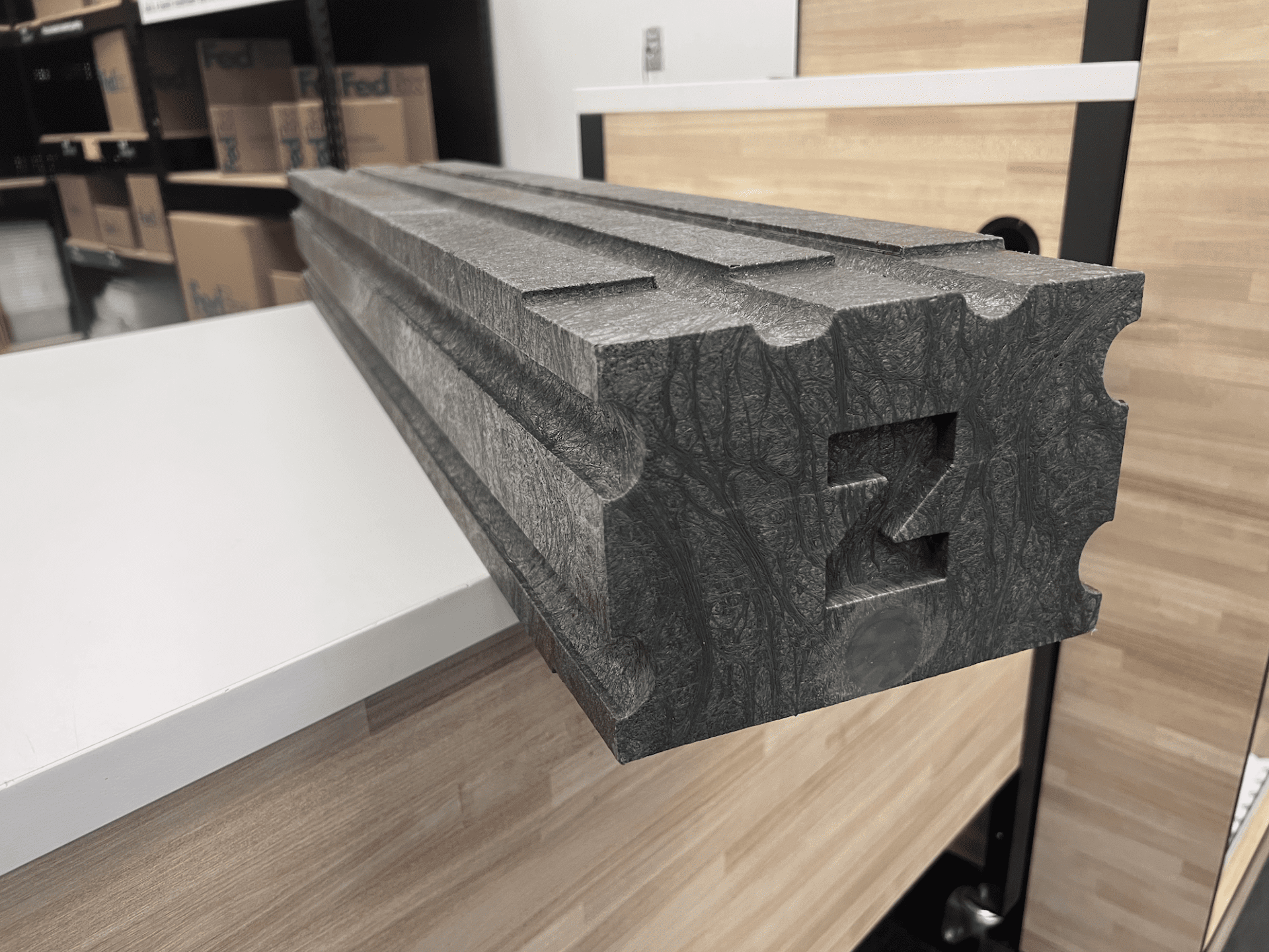
“I’m a farm kid, and I’m frugal,” he said. “I like the idea of creating a product out of waste that’s also engineered to last for 300 years. And I don’t want to pay for garbage. I wanted to make a formulation where you could use all types of petroleum waste, not just specific products.”
Powerful potential
From his office at Sioux Falls Regional Livestock west of Worthing, Zahn illustrates the building blocks of his business, which currently operates at a site near the Canton exit along Interstate 29.
“This is from Arby’s sauce packet lids,” he said, holding up a grid-like sheet from which small lids have been punched out.
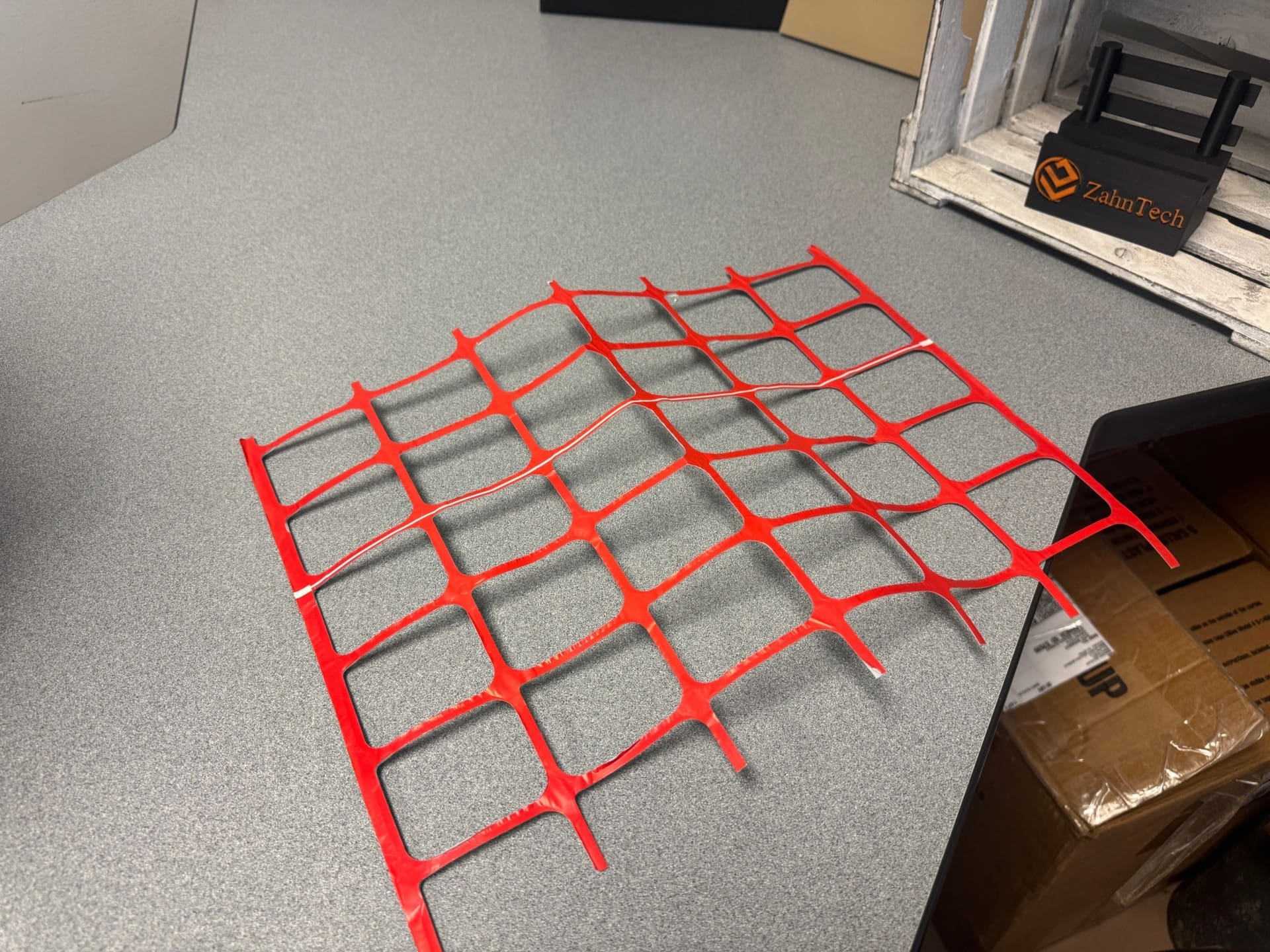
“It has a foil and a plastic, so it gets landfilled because it’s too much trouble to separate,” he explains. “There’s 450,000 pounds of this in Utah right now that could be recycled — just from Arby’s.”
Then he holds up a bag filled with plastic bag material.
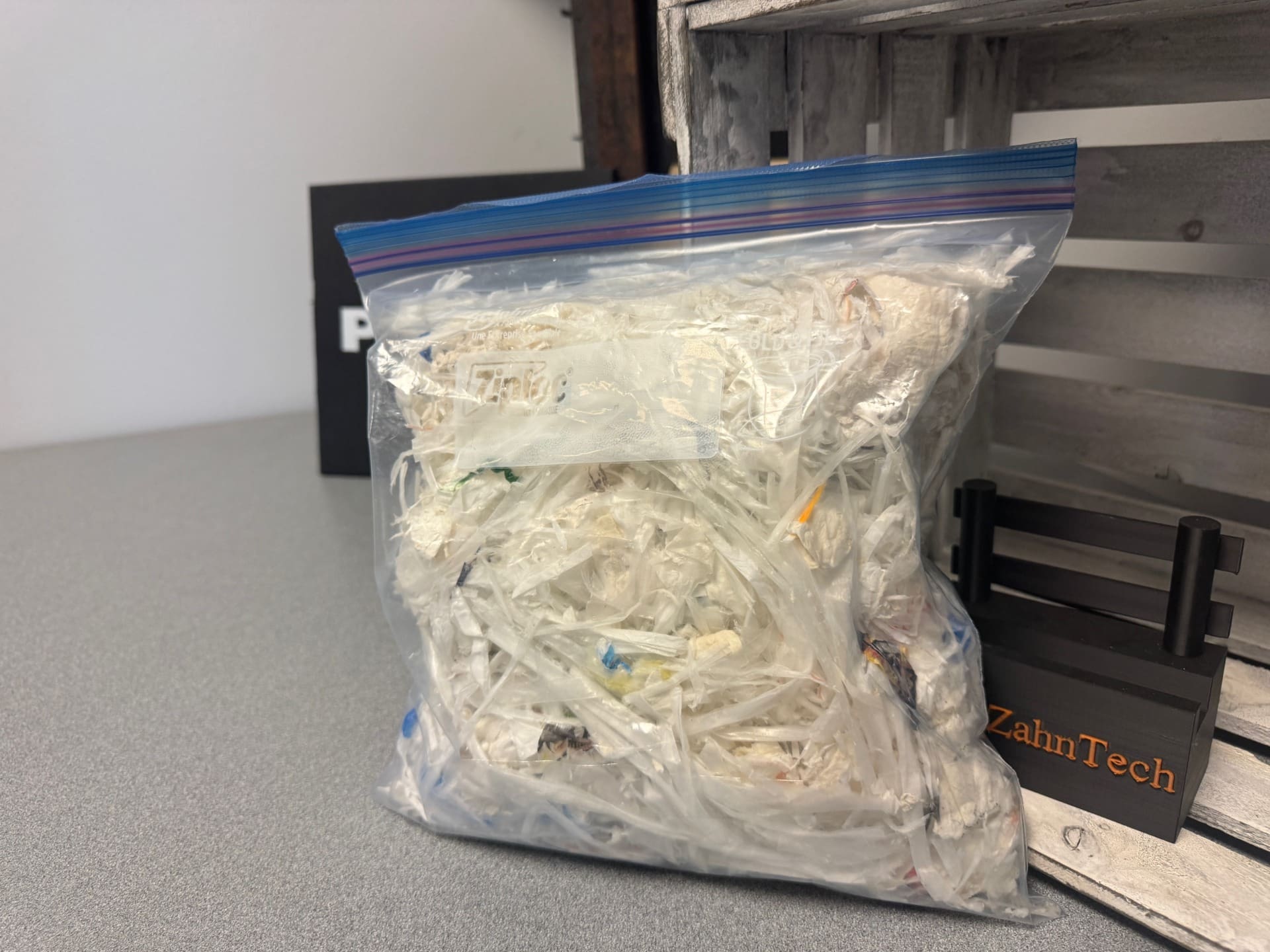
“Your typical recycling facility can’t take bags or stringy things,” he said. “It jams up their machines. We can take this material.”
It’s the same with interior pieces from a car and copper and aluminum wire scraps with plastic insulation around them.
“I wanted to take products most recycling facilities can’t take or don’t want to take because it’s mixed and considered dirty unless you sort it by hand,” Zahn said.
“We like post-industrial waste. We know what the polymer is, and we know it’s clean. We know we can get it in large volumes, so it’s easier to formulate.”
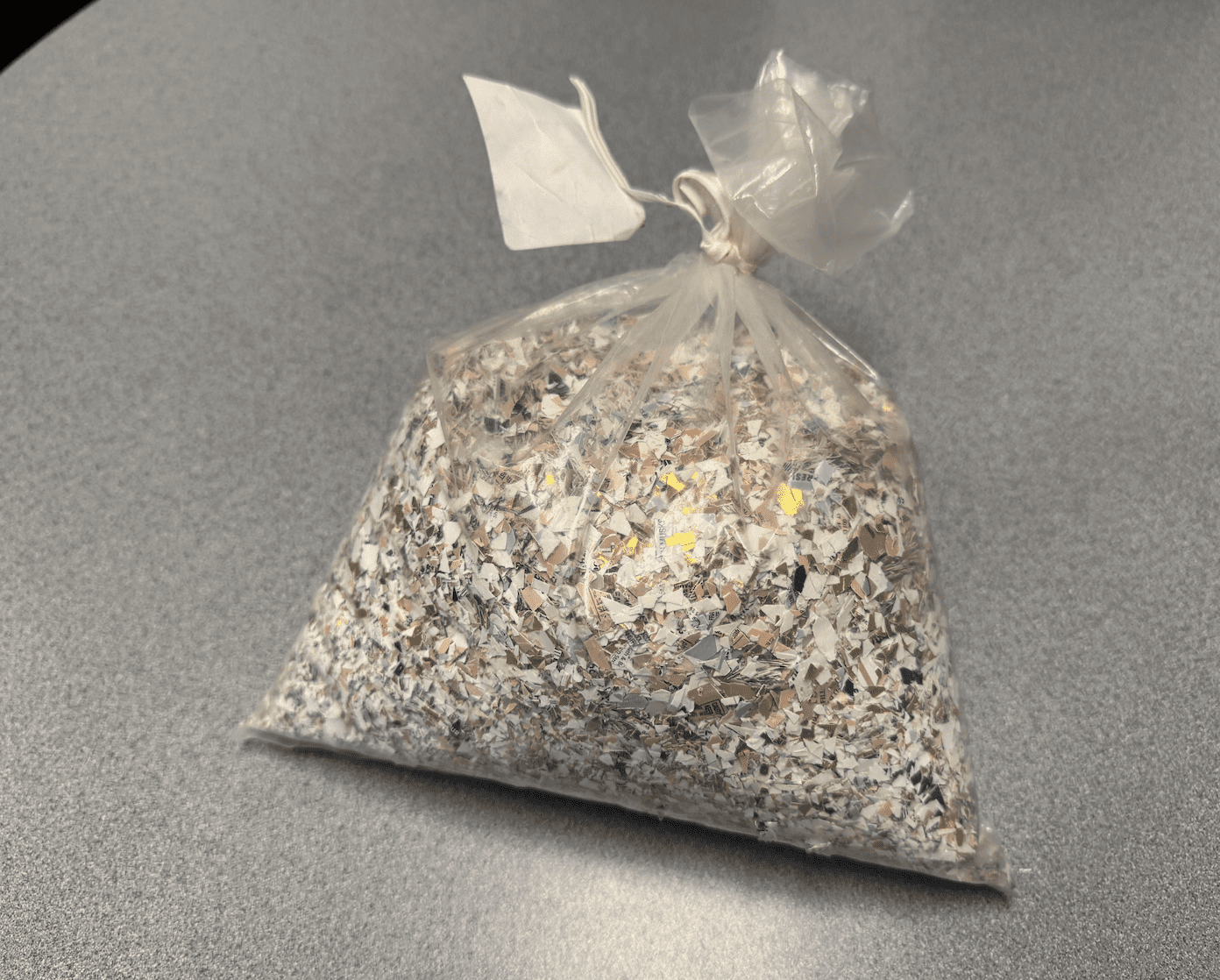
He has sourced material from a range of local companies, including edge trims from films manufacturing company Viaflex, bins from A-OK Sanitary Service, triple-rinsed chemical jugs and containers from ag co-ops, and the public’s recycling from the cities of Mitchell and Beresford.
“We divert so much from landfills,” Zahn said. “Our mission is doing everything for the greater good. We truly want to take landfill waste and create it into end-user products. We’ve found a way to actually process garbage.”
The goal is “to see ZahnTech posts next to wood posts for sale at the same price so the person doesn’t think twice about what to buy,” Zahn said. “Buy the one that lasts 20 times longer.”
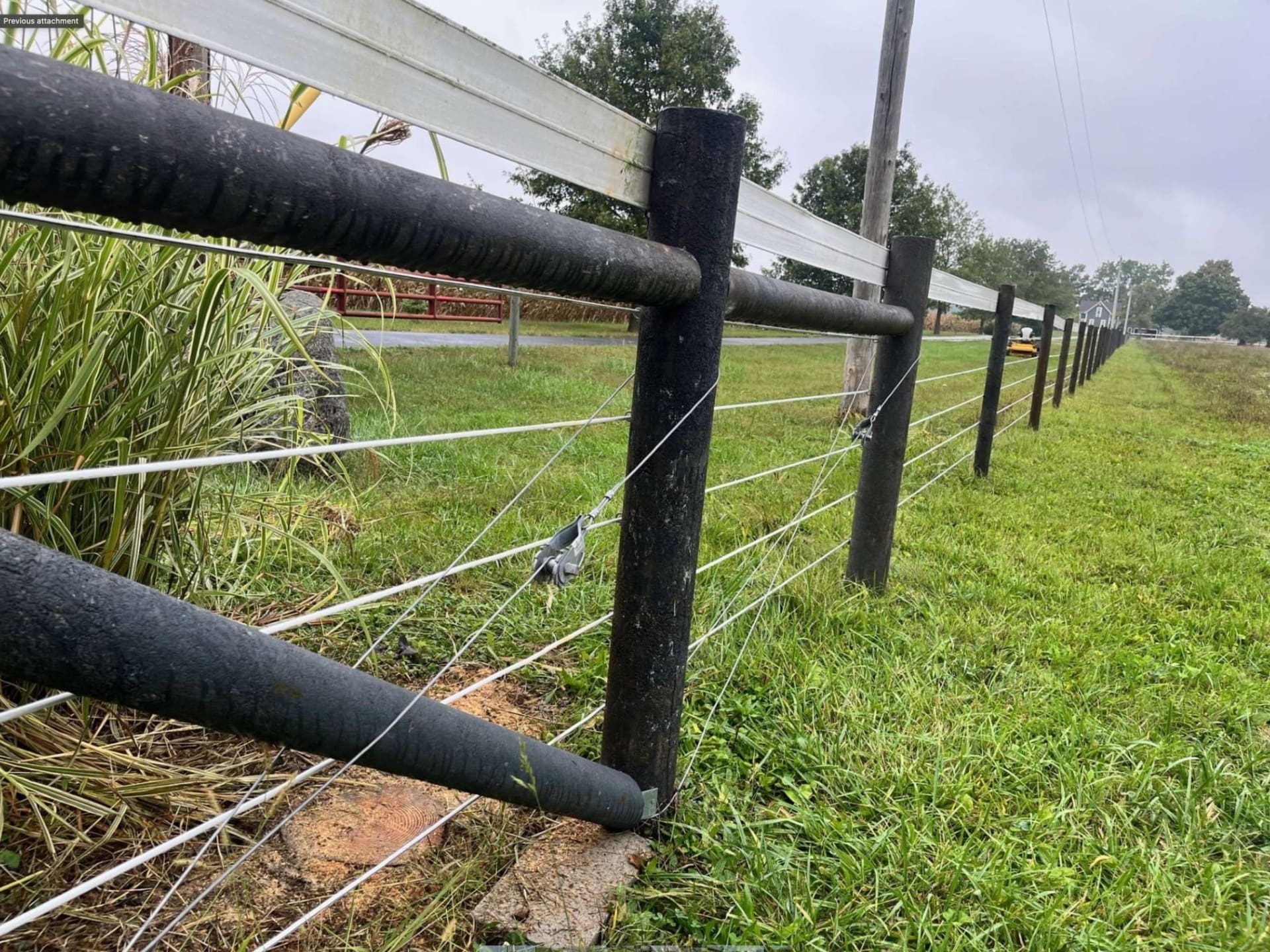
Conservatively, the current price “is within $5 per post,” and that’s without the scale he can achieve with a new facility and additional automation.
The new facility in Canton includes a never-used 40,000-square-foot building, a new 24,000-square-foot building and plans to add an adjacent rail spur. It’s located in an industrial area near Johnson Feed Inc. and Adams Thermal Systems.
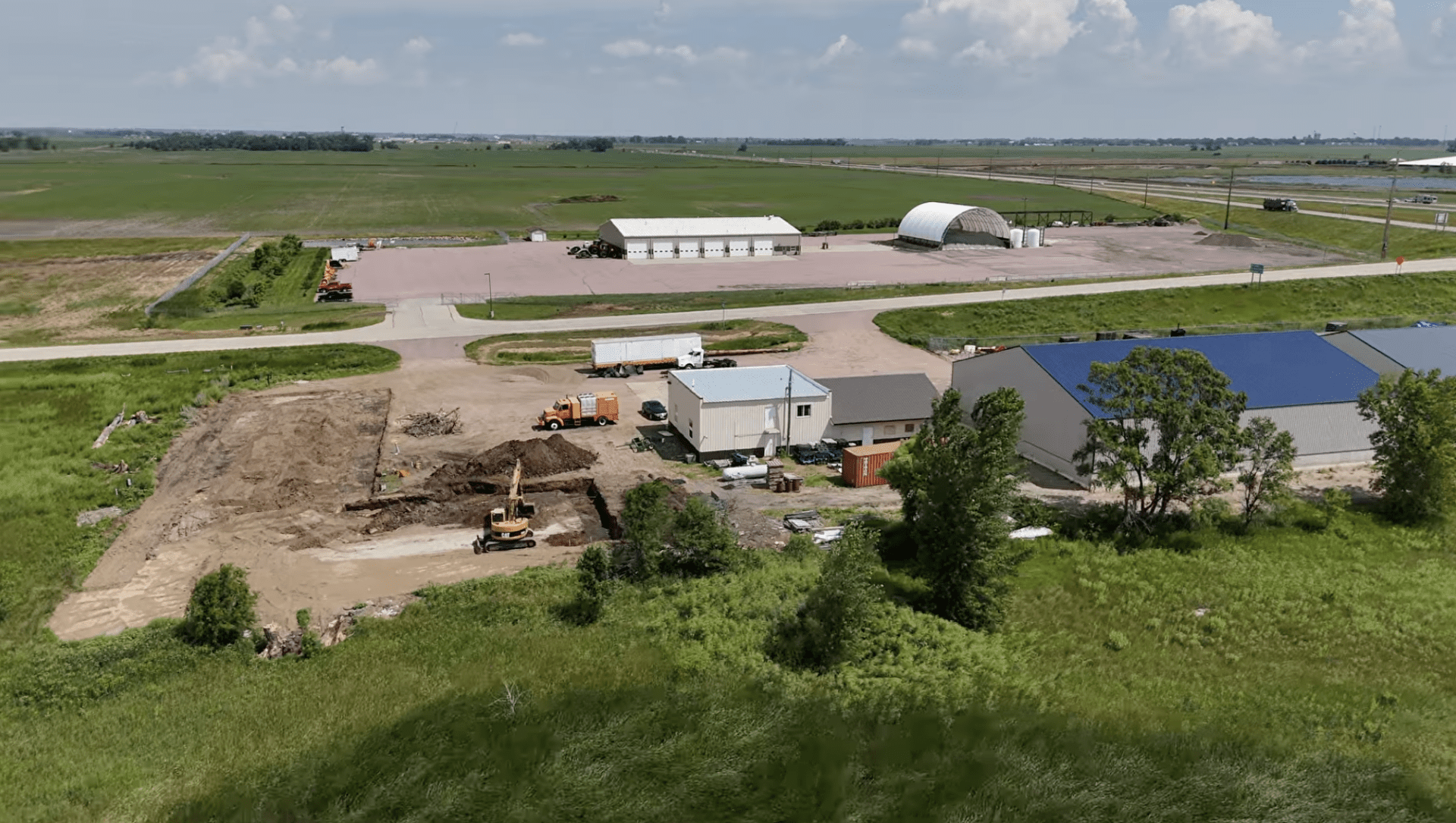
“We’ll be able to 6X our production,” Zahn said. “We’re scaling up to do power poles, railroad ties, 4-by-8 sheets of plywood and two-by-fours and two-by-sixes of lumber.”
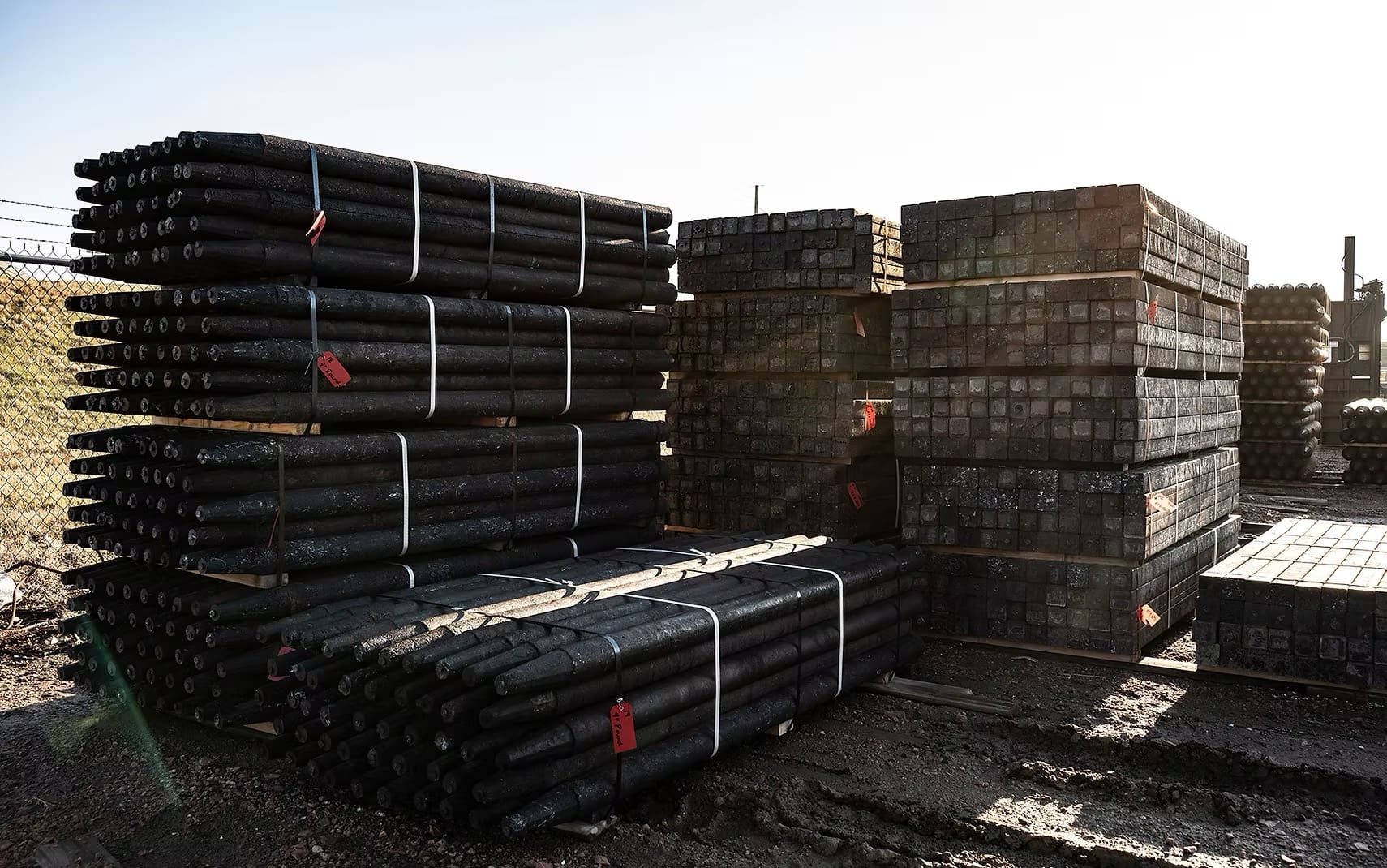
The market for such products is enormous, he said. The wood fencing market in North America alone is $2.6 billion, while the continent has 150 million wooden poles installed and replaces up to 2 percent of them annually. The North American railroad network relies on roughly 570 million ties, with more than 20 million replacement ties installed each year at an annual cost of $1.5 billion.
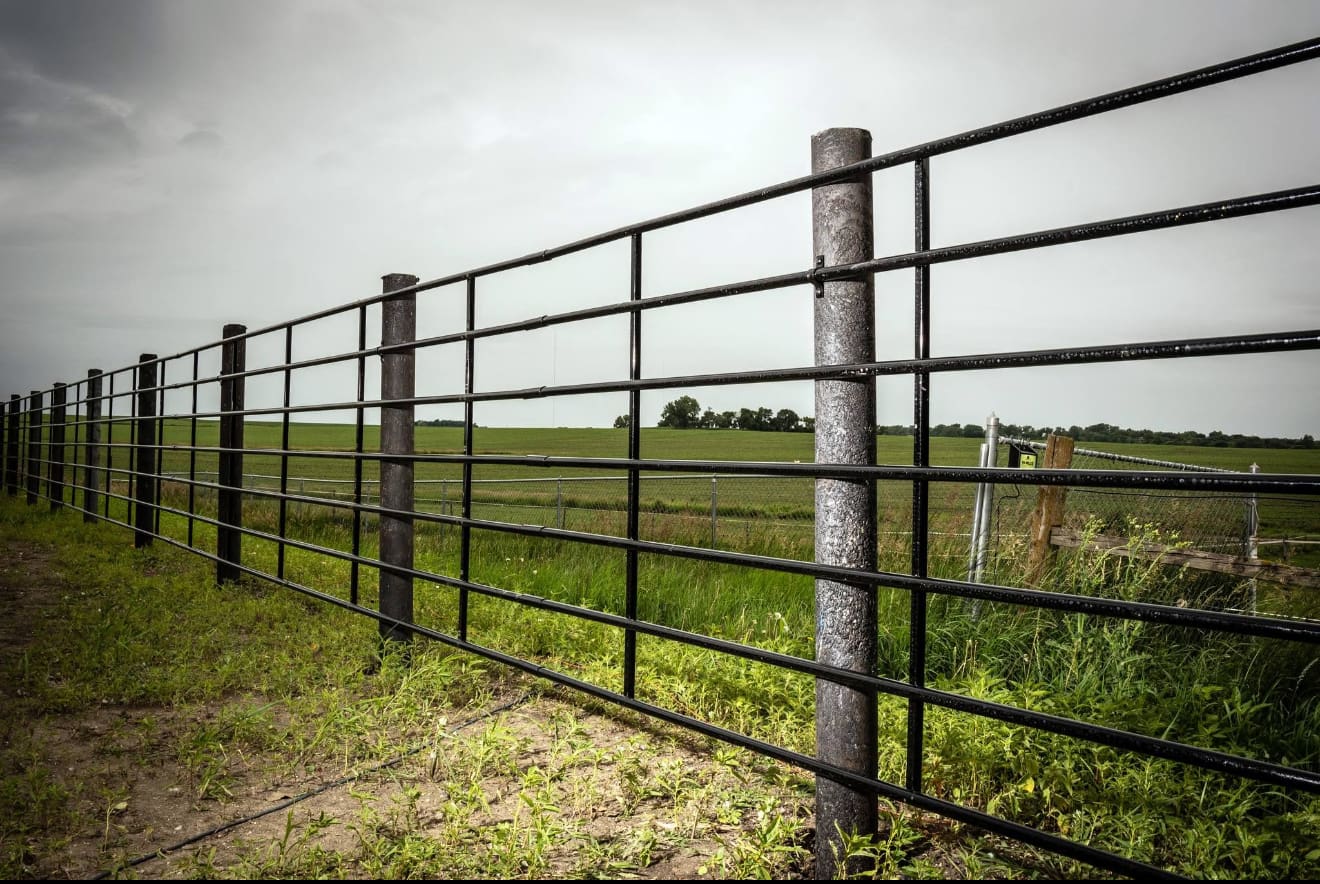
“We have a product that outperforms wood,” Zahn said. “It’s stronger, longer-lasting and can be customized for its intended use.”
All the ZahnTech fence posts are sold out until at least May, despite his 10-person team working 24/7.
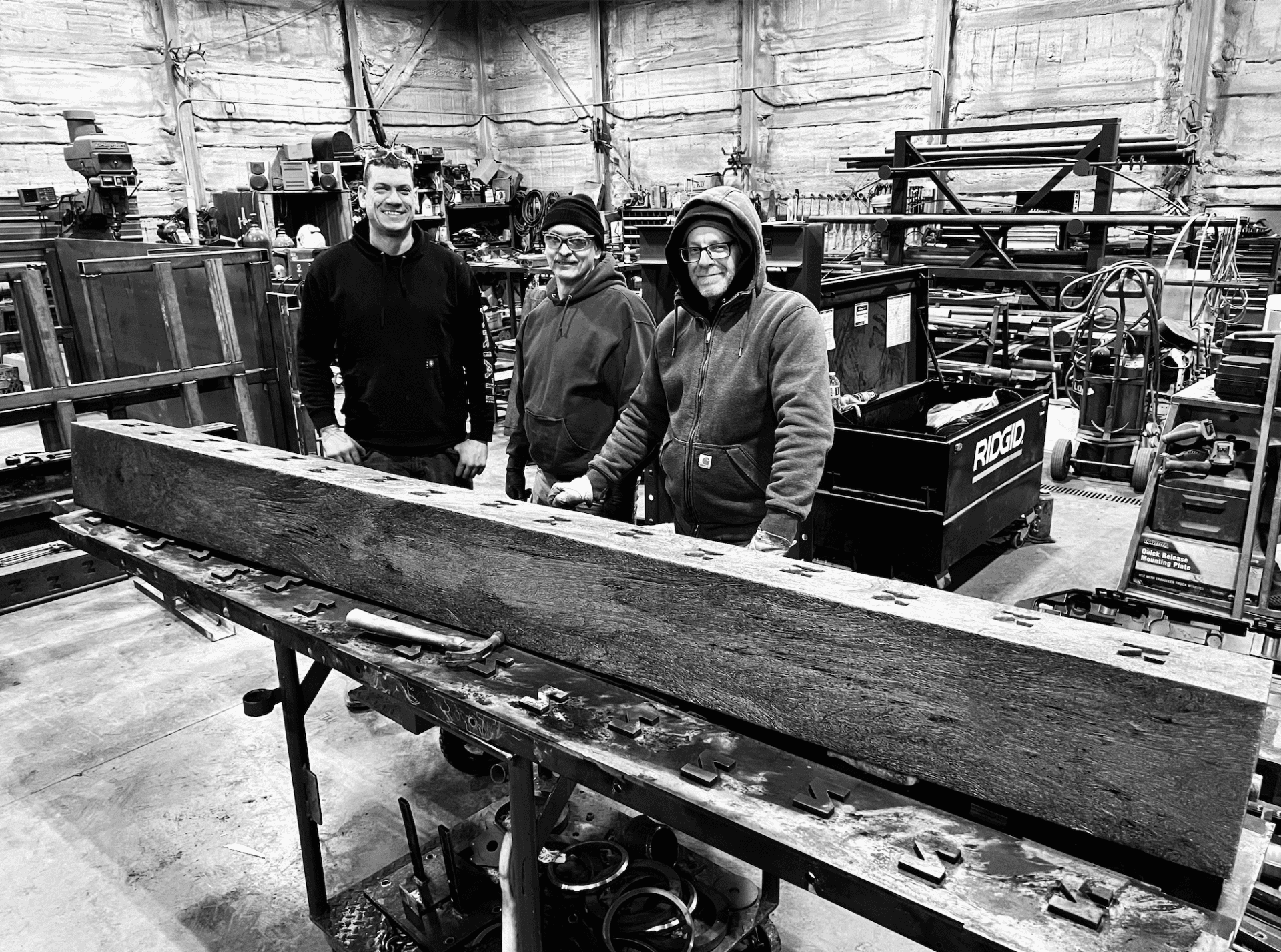
“We’ll soon start building three new machines in the new location, and by the end of the year, we believe the facility will be fully operational,” Zahn said.
The plan is to hire 45 employees, including machine operators, welders and fabricators.
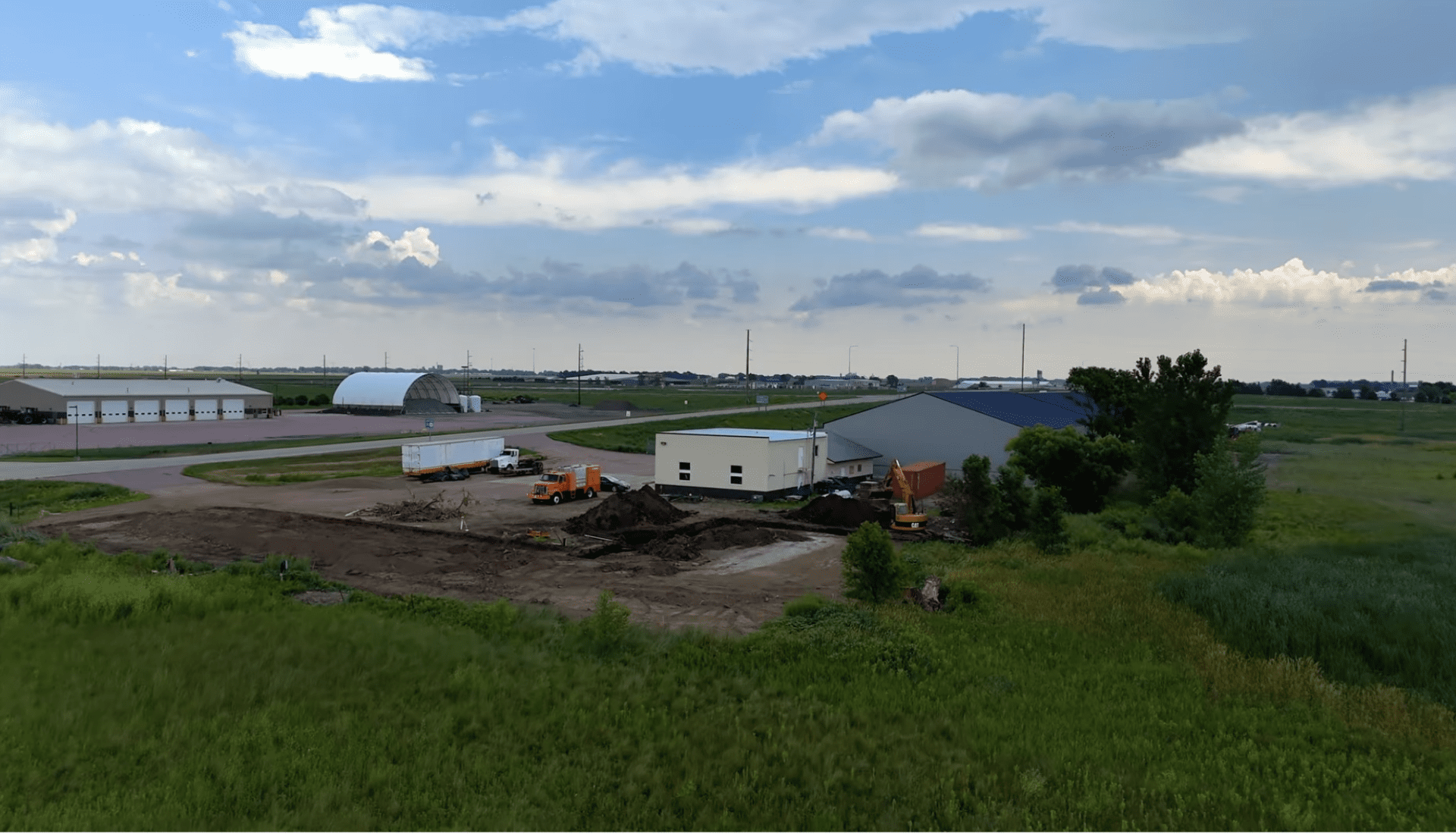
“I love every day, and the team loves every day,” he said. “We’ve been focused on building the infrastructure, getting the machines in place, proving the model and concept, and doing the testing. And now, we’re ready to grow.”
While he has had offers to locate the business in several other states, Zahn prefers to stick close to home for an entirely personal reason.
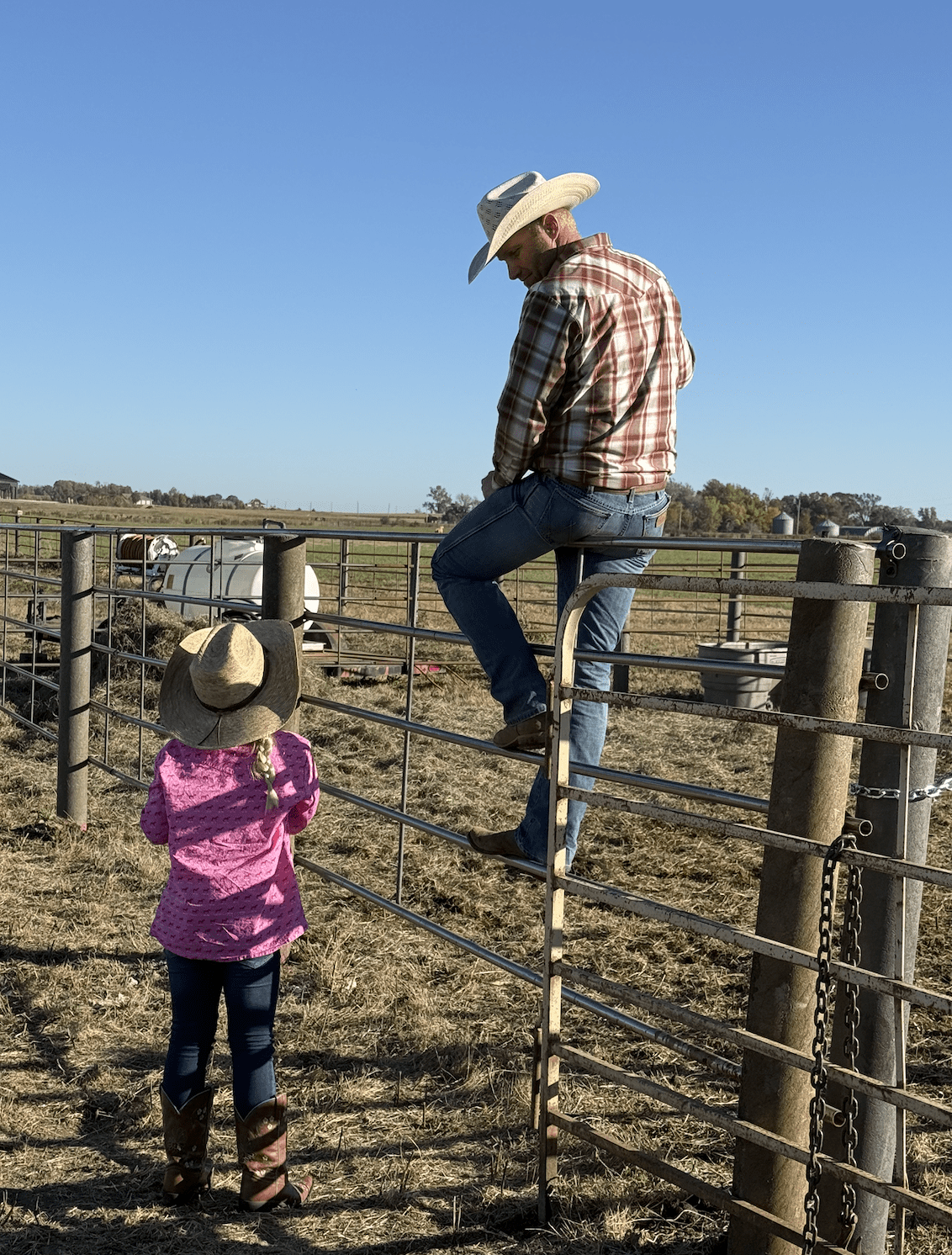
“My 6-year-old daughter is here, and my work schedule is based on my time with my little girl,” he said. “All my employees and friends know if I’m with her I don’t answer my phone or talk business because it takes away from time with her.”
That’s the region’s gain, Tordsen said.
“We’re thrilled that this location in Canton is such a good fit for ZahnTech,” he said. “It gives them room to grow, access to a skilled workforce and puts them in the center of their customer base.”
If it sounds like a somewhat unbelievable under-the-radar success story, it is. So much so that it could become a documentary seen by the masses.
“We were approached by a media company to document our journey — challenges and all — so we’re putting together data and footage with the goal of offering it to a major streaming service,” Zahn said. “We have several large hard drives full of footage and data.”
@zahntech7 Made a mega broom out of garbage and used it to sweep garbage!#sustainability #plasticpollution #recycle #elonmusk #innovation ♬ I Wanna Drive the Zamboni – Martin Zellar
The story likely is just beginning, though. By his estimates, ZahnTech has the capability to divert more than 80 percent of landfill waste away from the ground and into functional products. Interest in the company has come from every continent.
“It’s scalable. Globally,” Zahn said. “The thing I get the most is everyone says it’s too good to be true and wants to know the catch. I get that all the time. And I know. It sounds too good to be true. But it’s not.”