Downtown Sioux Falls ambassador program hopes to grow after successful season
Oct. 20, 2025
This piece is sponsored by Downtown Sioux Falls Inc.
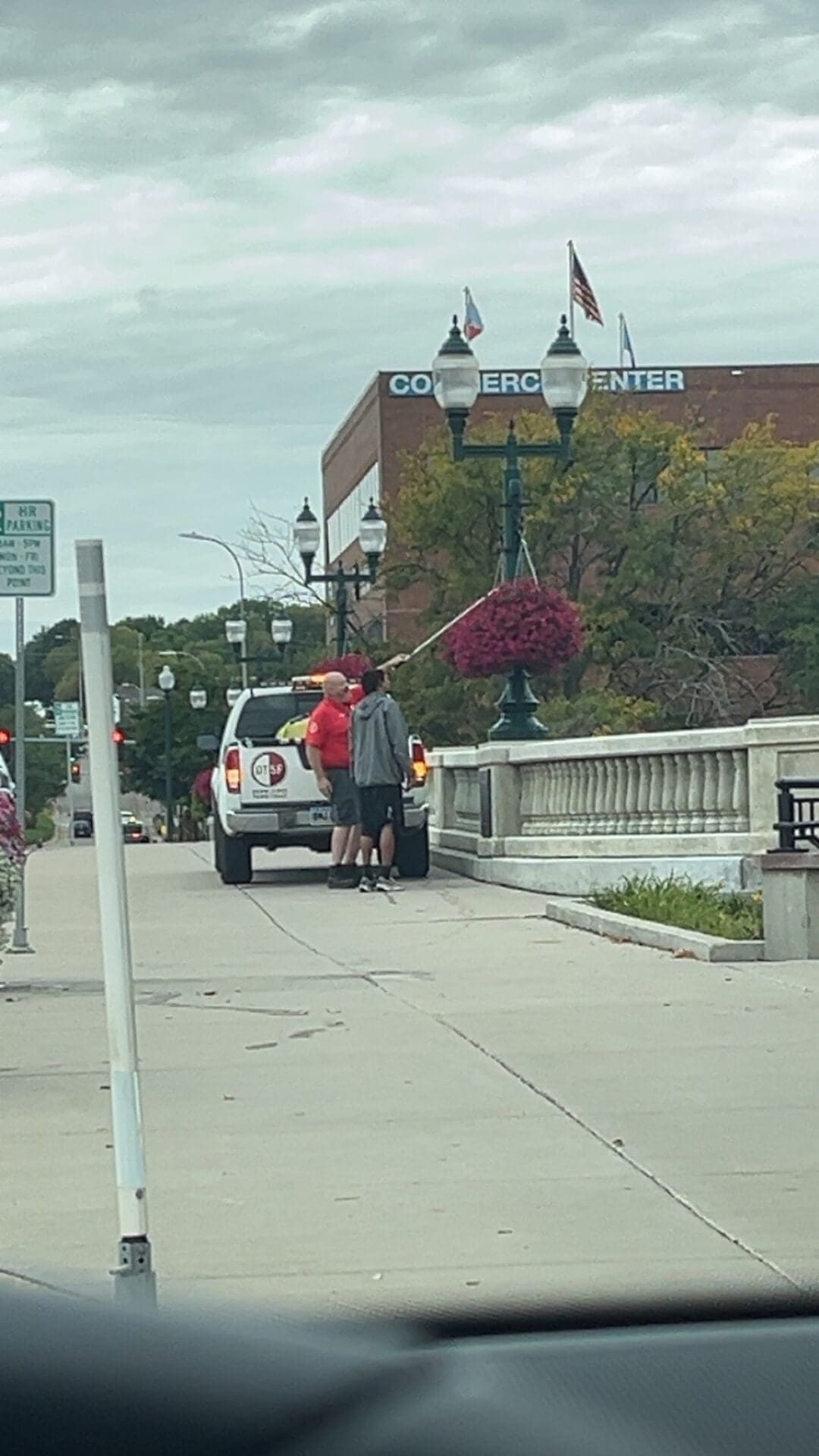
Aspen Thorstenson was waiting for a meeting in downtown Sioux Falls when a memorable scene unfolded in front of her along the Eighth Street bridge.
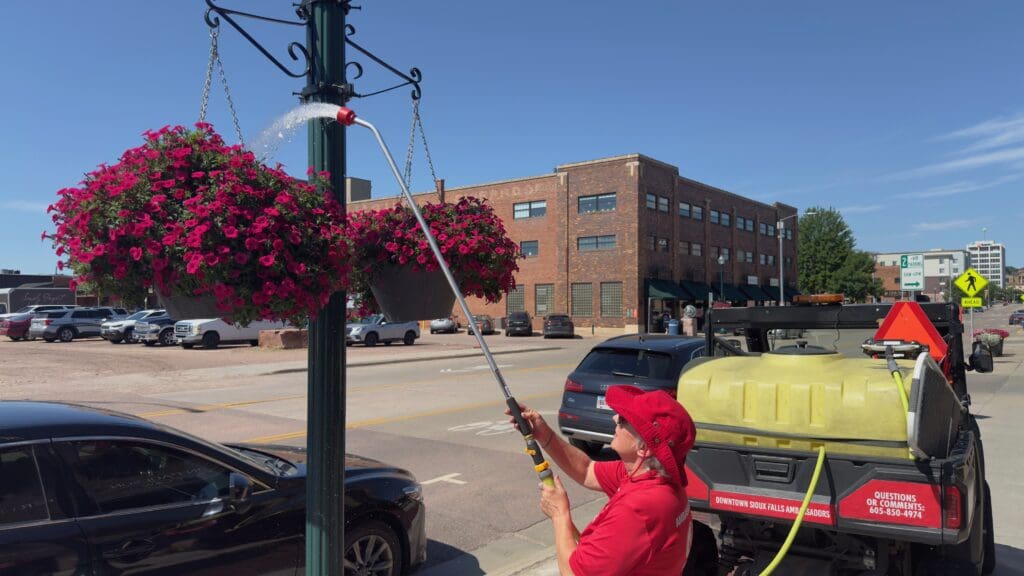
She watched as one of the Downtown Sioux Falls Inc. ambassadors shook a man’s hand on the street and talked with him about the plants the ambassador was watering.
“That was pretty neat,” said Thorstenson, founder and architect with CREATE design+develop architects, who posted the encounter on social media.
“My real impression is that the ambassadors show kindness to everyone, and it’s apparent that the kindness and community approach is reciprocated. And that builds momentum.”
She’s right.
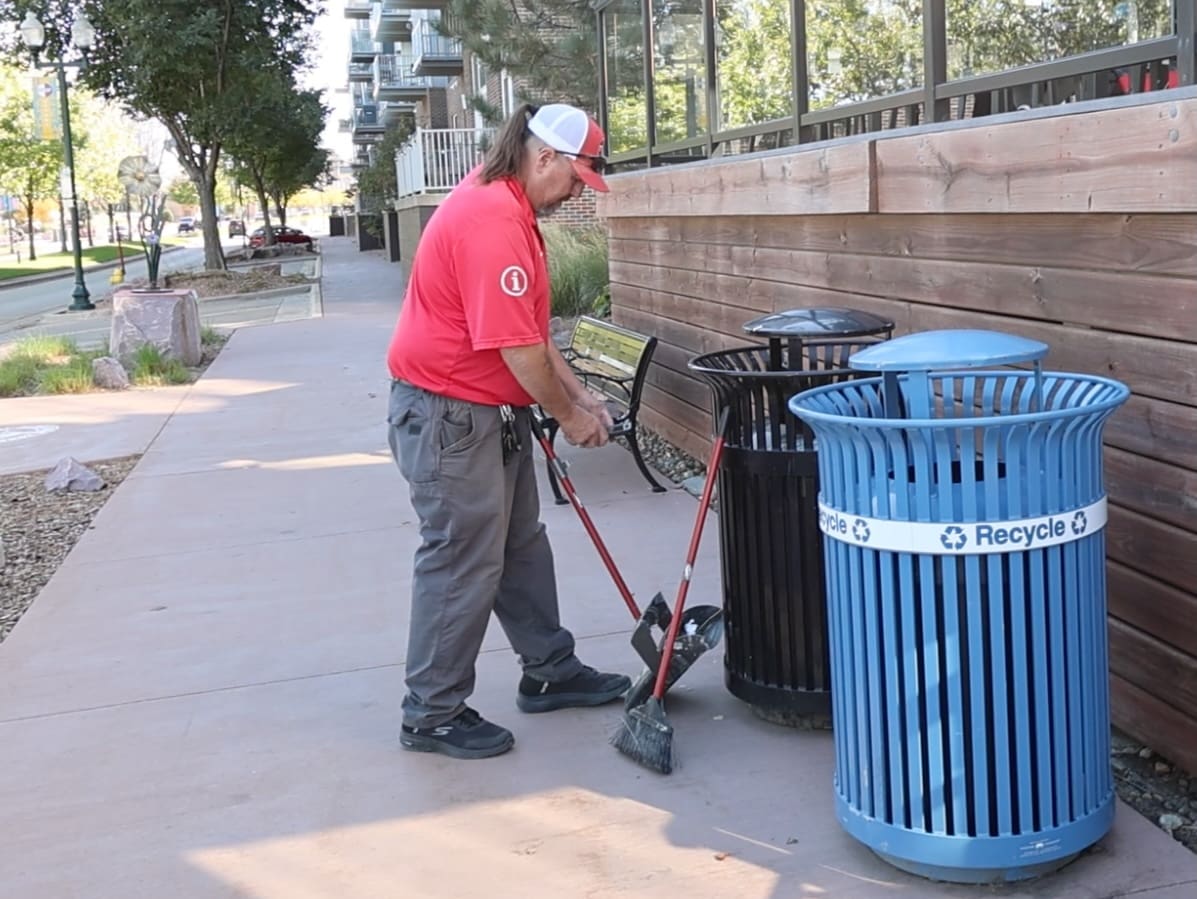
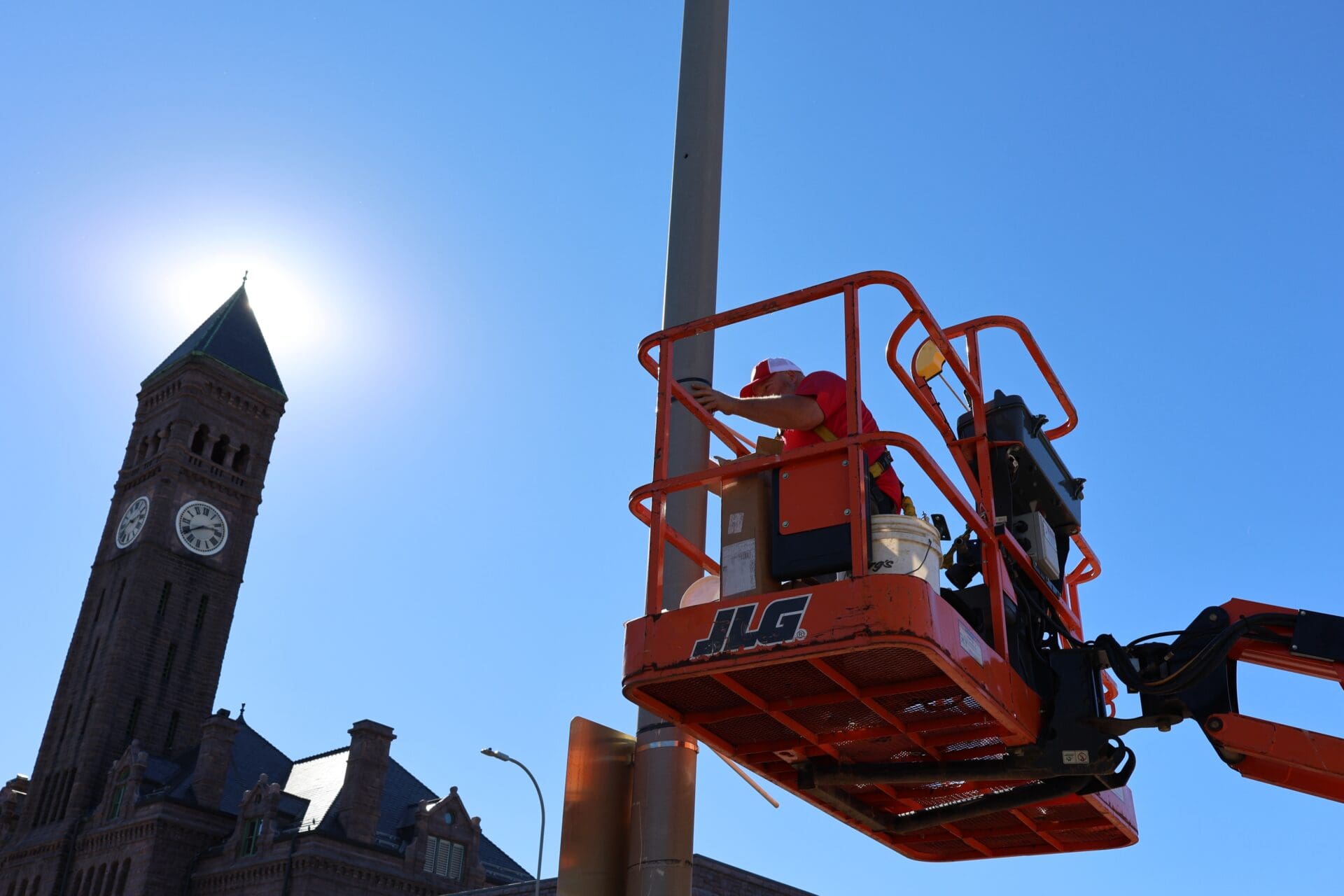
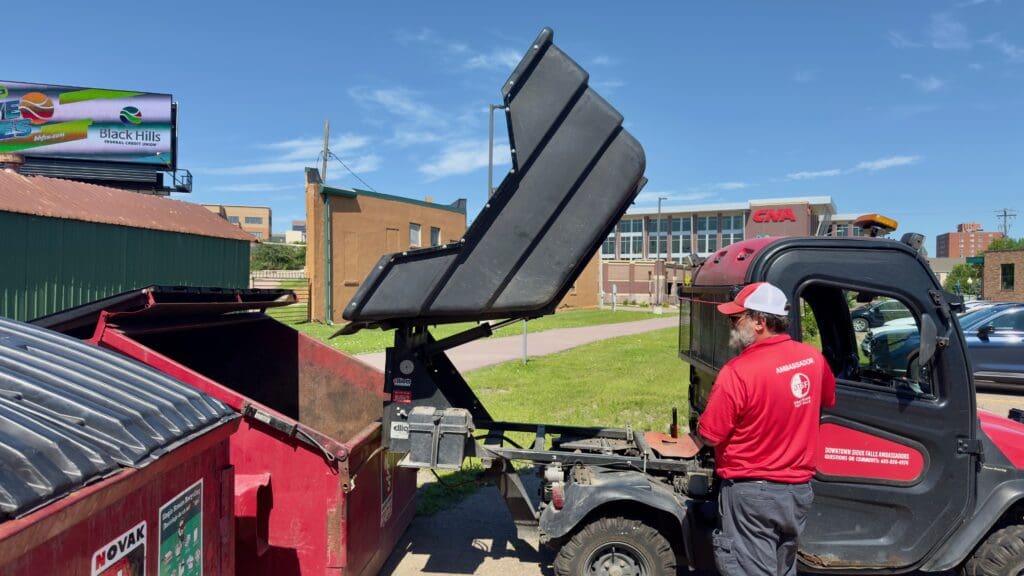
So far this year, DTSF ambassadors have logged more than 51,000 tasks — everything from trash and graffiti removal, sidewalk scrubbing and safety checks to hospitality and outreach.
Of those, 2,080 were direct outreach interactions that went beyond a typical greeting.
“These are situations where they deescalated behavior, connected individuals to social services or intervened before something became a police matter,” said Brandon Hanson, CEO of Downtown Sioux Falls Inc.
“Their purpose is to bridge the gap between normal and illegal — to reduce nonemergency calls and keep critical city resources like police and EMTs focused on the highest priorities for our community. We view the ambassadors as downtown’s true first responders.”
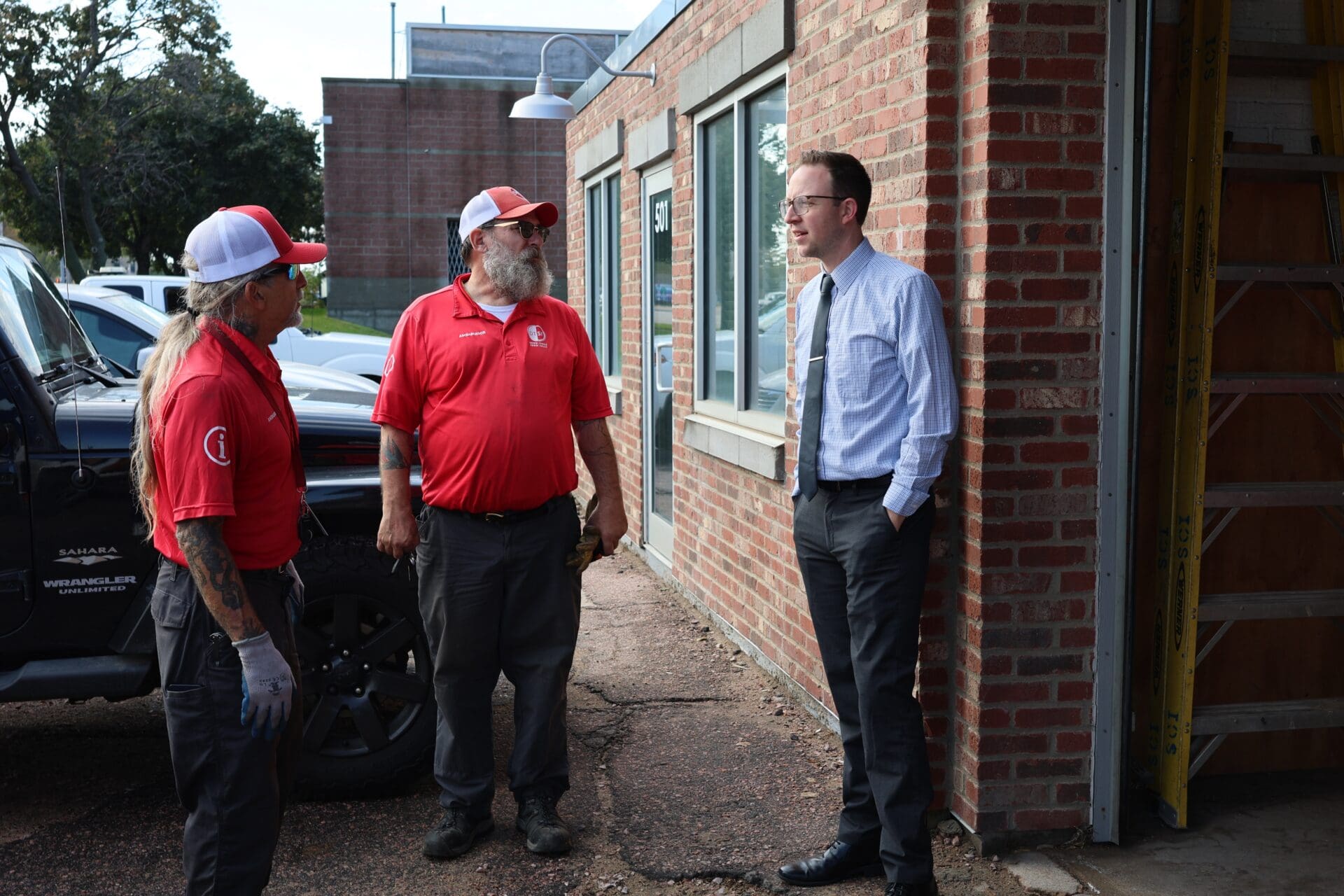
That was the case one morning for Ryan Martin, market president of First Western Bank & Trust. He arrived at the bank’s office on Phillips Avenue to find someone incapacitated outside, “basically blocking the front door to our business,” Martin said.
“It didn’t feel like a police matter, but I’d just met with Brandon and talked through the ambassador program, so we said let’s call the ambassadors and see if this is something they can help with.”
Martin estimates that ambassadors arrived in two minutes.
“They assisted the individual and helped him get the proper care and allow us to continue operating,” he said. “They did it in a timely manner, and there was humanity to it. They treated the individual with respect, and it ended in a positive way because of how they handled it.”
He frequently sees ambassadors who are cleaning downtown also helping visitors, he added.
“They proactively talk to people and give directions if needed,” Martin said. “I think it’s been a really positive experience.”
The ambassador program is the flagship initiative for DTSF — “our boots on the ground and our front line of “hospitality,” Hanson said.
“They’re out there every day making sure downtown is safe, clean and welcoming. That’s why Downtown Sioux Falls consistently ranks above 80 percent for safety and continues to be recognized as one of the most beautiful, well-maintained downtowns in the region. Their work lightens the load on city resources, boosts property values and fuels visitor activity that strengthens local businesses.”
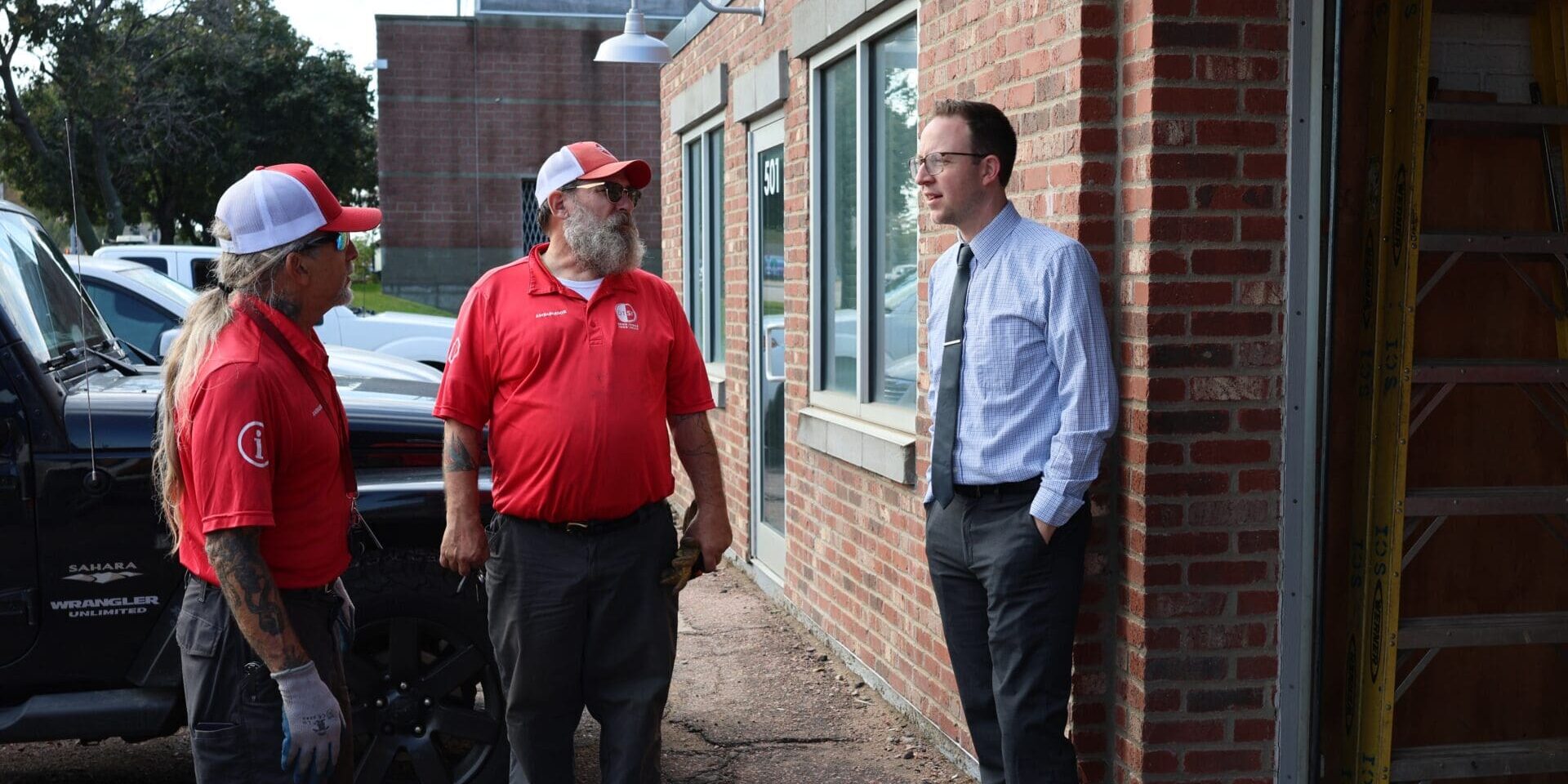
The five-person ambassador team, which grows by two during spring and summer, is led by Martin Dill, who sees the impact ambassadors have every day.
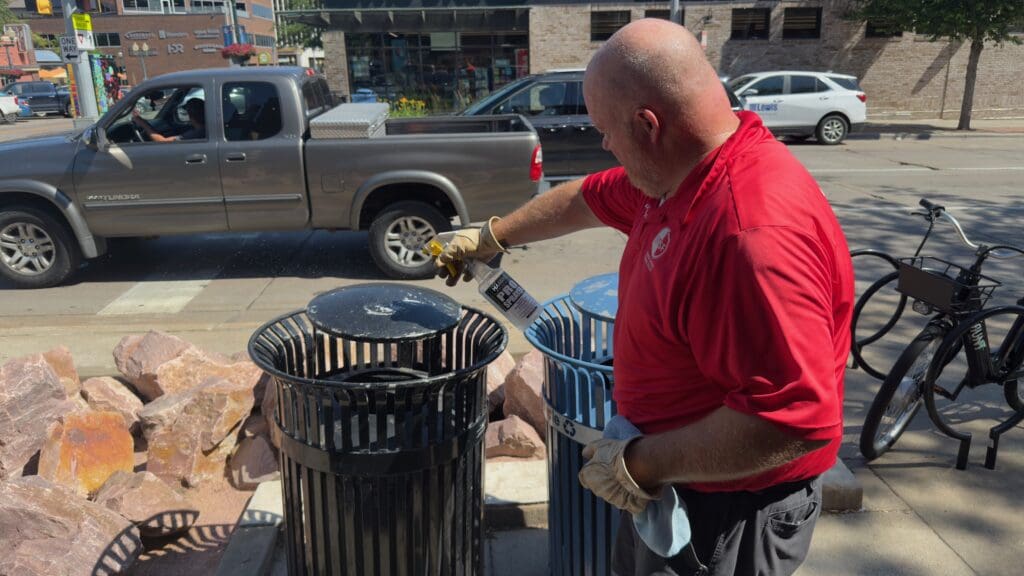
“People compliment us all the time about different aspects of what the team does,” Dill said. “We especially see it when people visit from out of town. We had people from New Jersey here awhile back, and they said: ‘What’s going on? There’s no garbage, no graffiti?’ We talked to them about what we do, and they asked how to get something like that in their town.”
He explained that the ambassador program is funded through the Downtown Business Improvement District, or BID, which is supported by downtown property owners, as well as through city funding.
“It’s clear to me that an overwhelming number of building owners value this program,” said Mike Hart, co-founder of marketing firm Fresh Produce and a member of the BID board.
“As more and more people come to downtown and as our downtown grows, we do need to strategically invest in this program so we have ambassadors that can connect with the public as our shared eyes and ears. Their engagement will provide DTSF with valuable insights on how best to improve how we serve our downtown community.”
While his business hasn’t reached out directly to the ambassadors, “we know we can if we need their assistance,” Hart said.
“We have seen them in our area interacting with people and working to keep public spaces clean. I have been at other businesses when ambassadors walk by, and they are always willing to engage in a friendly and helpful way. I’ve witnessed those interactions. They bring the DTSF organization to life every day. You can have rules and ordinances all day long, but it still comes down to a personal connection. The ambassadors create that connection.”
Going into this spring, “we were pretty apprehensive from the year before when our homeless population kind of exploded, but I thought the summer went great,” Dill said. “It feels like we’re doing something right. We’re one of several organizations doing a lot of good downtown, and sometimes we feel a little outgunned for everything we’re trying to accomplish, but overall I would say it’s been a big win for us.”
From his perspective at the bank, Martin has seen a change this summer.
“My employees and I park two blocks away, and we’re constantly walking Phillips Avenue. Last summer, we had a number of situations with panhandlers who got vocal and caused my employees some discomfort, but this year, we had very little experience with it, and it’s much better from our perspective,” he said.
“We’ve seen a lot of downtowns in the Midwest struggle with the unhoused and panhandling. We’re not alone. But I think one of the things we have in the tool belt that we’ve used really well is the ambassador program. In my opinion, this is not a time to cut back, especially with a growing situation with the unhoused. It feels like the exact right time to lean in on ambassadors. They do a great job.”
Future needs
Downtown is booming — with more buildings, foot traffic and amenities than ever — but with that growth comes the need for more maintenance, Hanson said.
A recent audit found DTSF could double its ambassador team and still be catching up to the pace of development, while building out more specialized services for the district.
“We’re actively working to grow funding so the ambassador program can keep up with the district’s momentum and keep the heart of Sioux Falls firing on all cylinders,” he said.
“We’re fortunate to have forward-thinking property owners and a city government that understand the value of DTSF — bridging the gap between the public and private sectors to take care of the core of our community.”
When visitors shop, dine or attend events downtown, they’re supporting the entire Sioux Falls economy.
“Our focus is on keeping that energy going all week long, not just on weekends. It’s like keeping the gas tank full and the engine running smoothly — the ongoing care that ensures the whole city continues to grow stronger,” Hanson said.
“Caring for downtown is like taking care of the heart of Sioux Falls. When the heart is healthy, the whole body thrives. The work we do through programs like our downtown ambassador program is the daily cardio that keeps our city’s pulse strong — cleaning, greeting and supporting activity that keeps people coming back downtown.”
From his perspective, Dill would love to grow his team.
“They take a huge amount of pride in their work, and if they can’t get to something, it means something to them,” he said. “Everyone on our end would love a bigger budget and more staff. We know times are tight, and we’ll do the best we can with what we’ve got, but we’d love more faces in red shirts.”
=