Diversified family ag operation to share succession story, followed by interactive workshop
Feb. 19, 2026
This piece is sponsored by Prairie Family Business Association.
From a small dairy into a diversified agriculture enterprise, a Minnesota-based family business will share its insights about evolving through the generations.
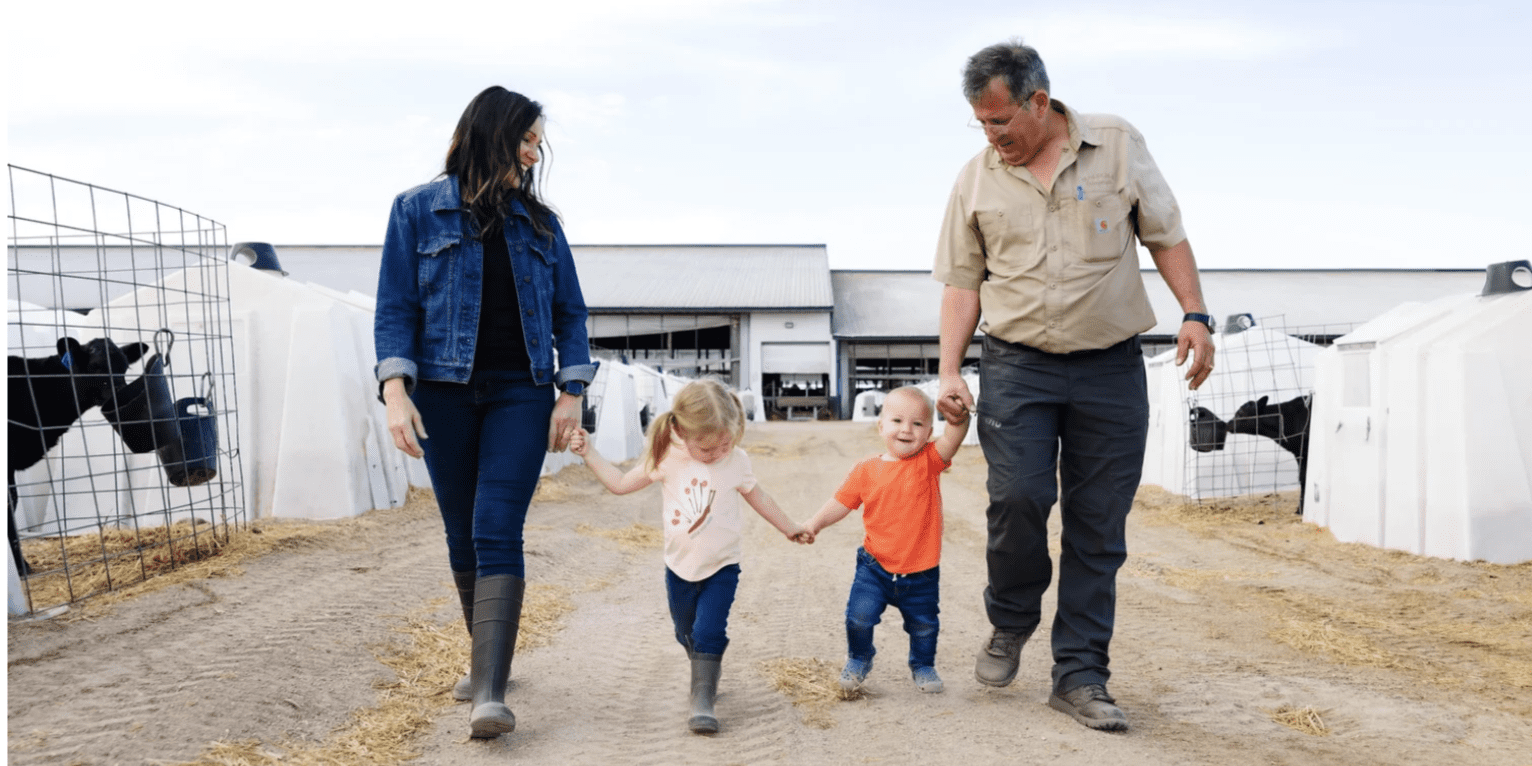
The Malecha family of Malecha Enterprises runs a business that spans multiple enterprises — from dairy and custom agricultural services to environmental pumping and aggregate operations — and across three generations, the family has seen its challenges and opportunities multiply.
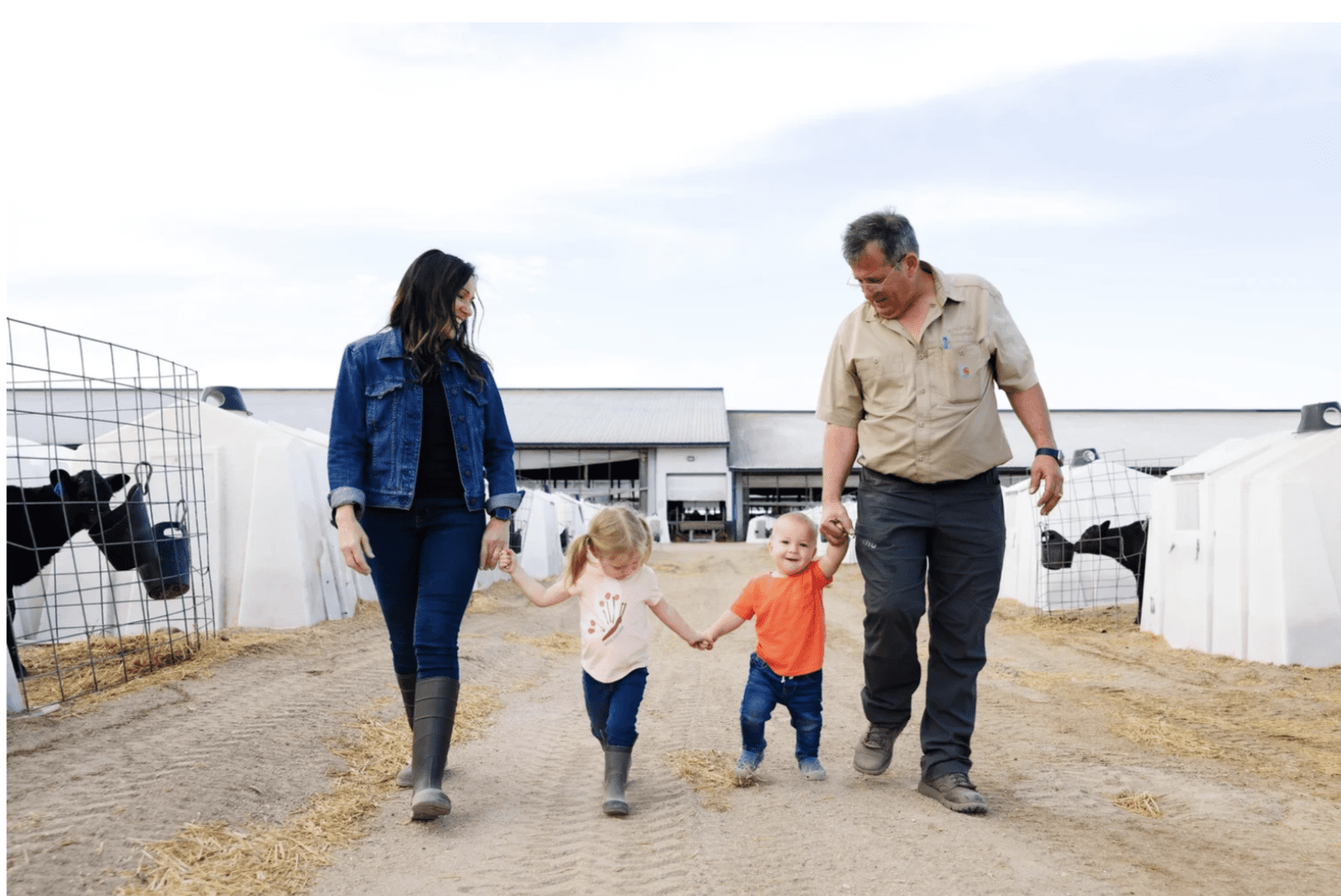
The Malechas will share their story through an upcoming Prairie Family Business Association webinar, Succession Through the Generations: Lessons From a Diversified Ag Operation.
This free event at 8:30 a.m. March 12 is open to both PFBA members and nonmembers. Don’t miss this opportunity to gain direction, build confidence and strengthen your succession road map — whether you’re planning your first transition or preparing for the next phase.
The webinar will be presented live from the Canopy by Hilton in Sioux Falls and streamed virtually via Zoom. Please register to attend.
The Malechas “have a very forward-thinking mindset about transition,” said Rena Striegel of Transition Point Business Advisors.
“They started early and established a structure for preparing for transition. I think families will find inspiration in hearing how they went about it, stayed committed to it and successfully transitioned their farming operation to their children while in their early 60s.”
The senior generation also will share how they are finding their next challenge: starting a venture of making popsicles and writing children’s books.
“They had family challenges, many different points of view to consider, the disappointment of needing to find new professionals to help them and many years of growing a business to allow their children to get involved and to support their transition,” Striegel said.
Striegel will host a succession planning workshop following the webinar from 10 a.m. to 5 p.m.
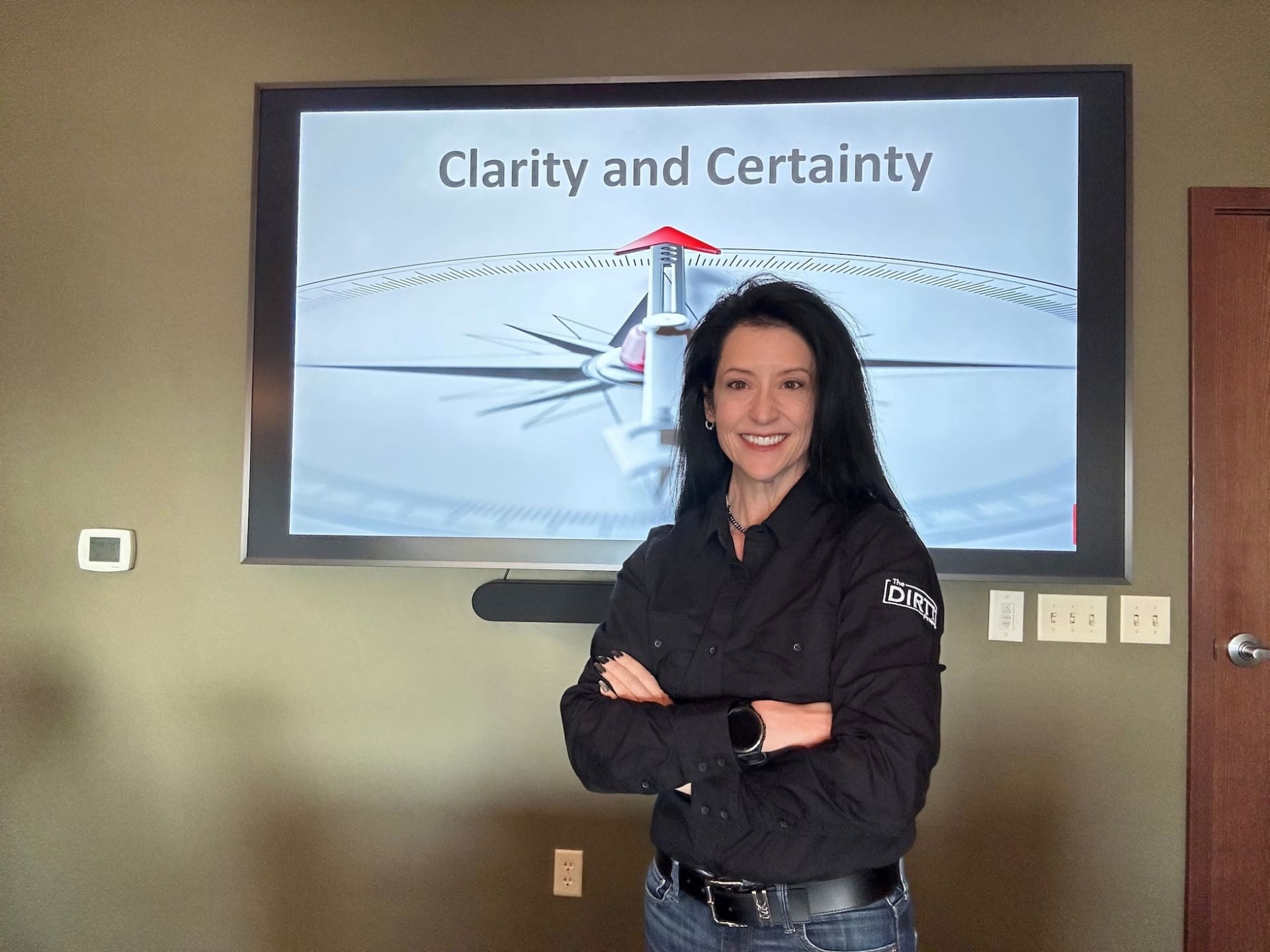
This hands-on, interactive workshop is designed to help families make real progress. Participants will work through proven frameworks and leave with tools they can apply immediately.
Her firm has provided succession planning services since 2014 and has offered workshops since 2020.
Striegel has found a niche speaking to farm families nationwide.
“Farm families worry about a lot of things — markets, weather, finances — planning should not be one of them,” she said.
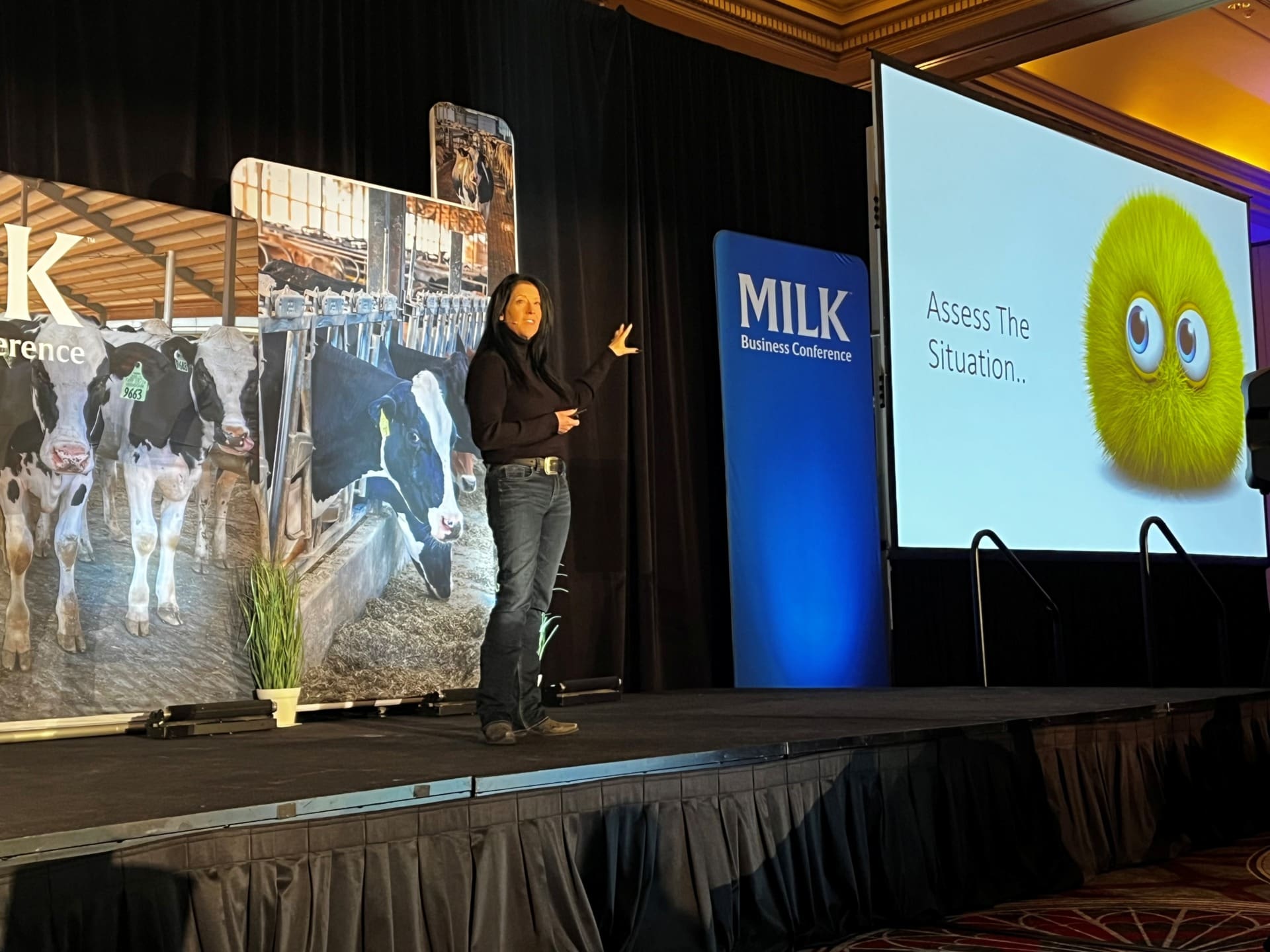
“We have seen farm families face some of the worst situations imaginable successfully transition using the tools we will share at the PFBA workshop. Only 30 percent of the farms in America have a succession plan. We hate seeing farms being lost to lack of planning and hope to see families take advantage of this workshop and make 2026 the year that they stop worrying about not having a plan — and get one in place.”
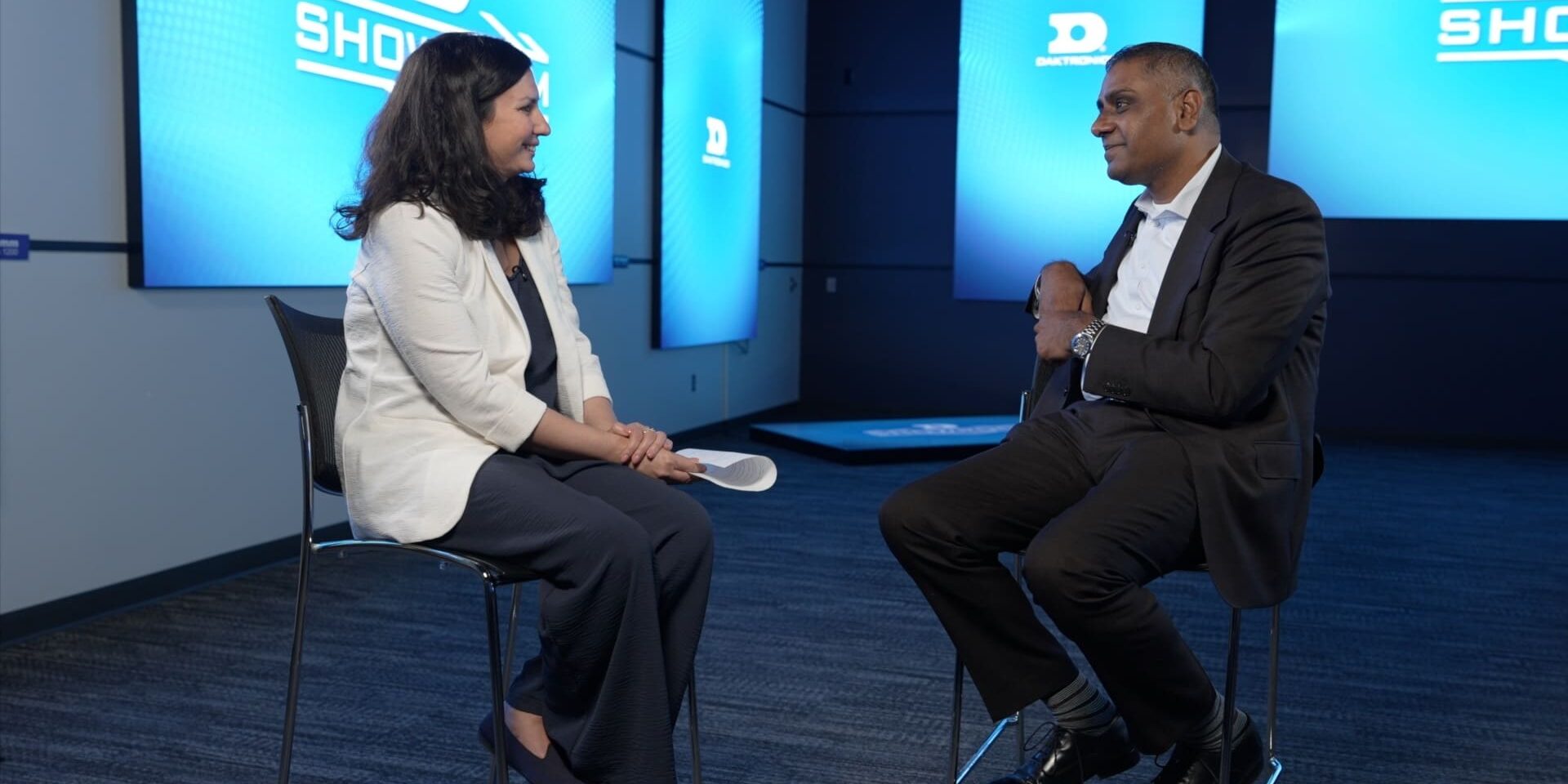
We sat down with Striegel for a preview of what workshop participants can expect.
What do you find are some of the most common questions or hurdles family businesses bring to you as they’re considering transition planning?
First, it’s frustration. They know they need to plan, but they don’t know how to start or get unstuck. Then, it’s financial concerns.
They don’t want to put debt on their kids. They don’t know how the farm or business can afford to allow them to transition. They cannot see how the farm can remain viable in times where there is an ag downturn.
And then, they don’t know if their kids can run the business without them — will they get along, how will heirs handle jointly owned assets, and do they have the business management and leadership skills to be successful.
Are there any emerging issues you’re seeing in the family businesses you work with that might apply to others? Or any emerging best practices?
Yes!
- Families typically do not communicate well or often.
- They don’t take the time to plan for the longevity of their business — no business planning, planning for capital investments, preparing the next generation, etc.
- They do not address behavior that will only get more problematic as time goes on.
Here are some examples of best practices:
- Weekly operation meetings that focus not only on a schedule of activities but include strategic monitoring of quarterly goals.
- Family meetings on at least an annual basis. Helps those that depend on the operation have a working knowledge of what is happening and the goals that are in place.
- Job descriptions that clearly show what a person is accountable for tied to a plan for advancement.
- Pathway to ownership that shows a family operator how they become eligible for ownership, the process and the benefits.
This particular webinar is unique in that it is followed by an in-person succession-planning workshop. What can attendees expect from that program?
Most families are unaware of what a succession plan covers. Most focus on the transition of ownership. The workshop will cover:
- The six components of a business continuity and succession plan.
- The biggest roadblocks and how to move through them.
- Teach them how to put together and work with a collaborative professional team and how to get them working for you — rather than the other way around!
- How to address tough family situations or dynamics.
Who is a good fit to attend that program, and what are some of the takeaways attendees can anticipate?
Any family business or farm family that needs to start, is stuck and needs a jump-start or wants to add finesse to an existing plan should absolutely attend.
Expect these takeaways:
- Clarity: They will have questions answered and know what to do when they get home.
- Tools: They will have the tools and resources they need to confidently move forward.
- Ongoing support: They will know who to call if they need assistance, accountability or additional resources once they get home.