Child care center owners find help making numbers work thanks to lending partnerships
Aug. 28, 2024
This paid piece is sponsored by Dakota Business Finance.
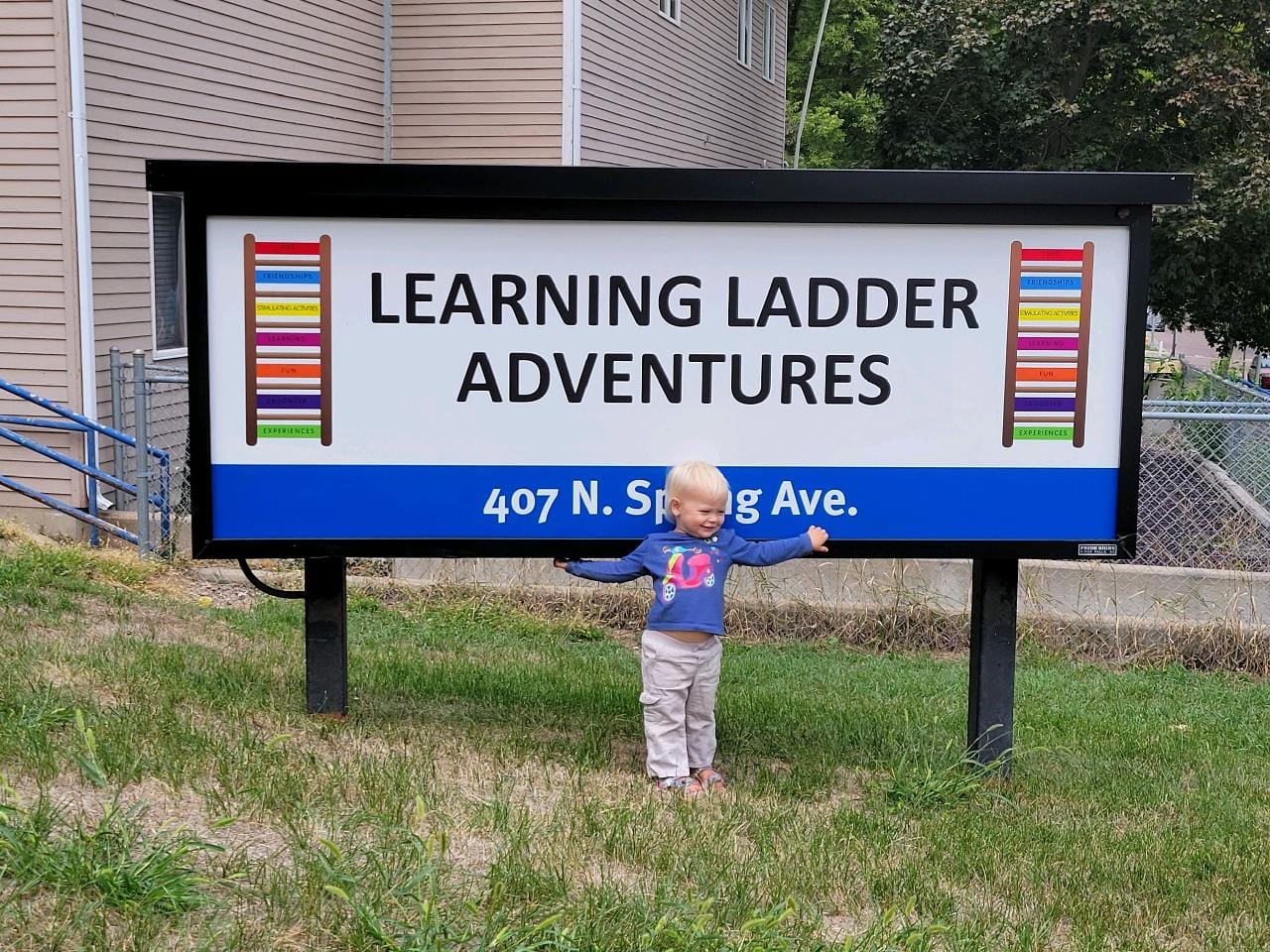
Paul and Denay Johnson are about to mark their first year in business as owners of Learning Ladder Adventures — and it has been a learning experience for them too.
They bought the building at 407 N. Spring Ave. from Volunteers of America, which discontinued its child care services. Denay, who owned a center in Tea for about five years, had been a lead teacher and director for more than two decades.
“It’s something she had wanted to do since we met — owning her own again,” Paul said. “I fought it for a while, but I caved. I didn’t want to do it in-home, and I thought there was a bigger need for these larger facilities, so we ran across this building, and VOA treated us really well on the purchase.”
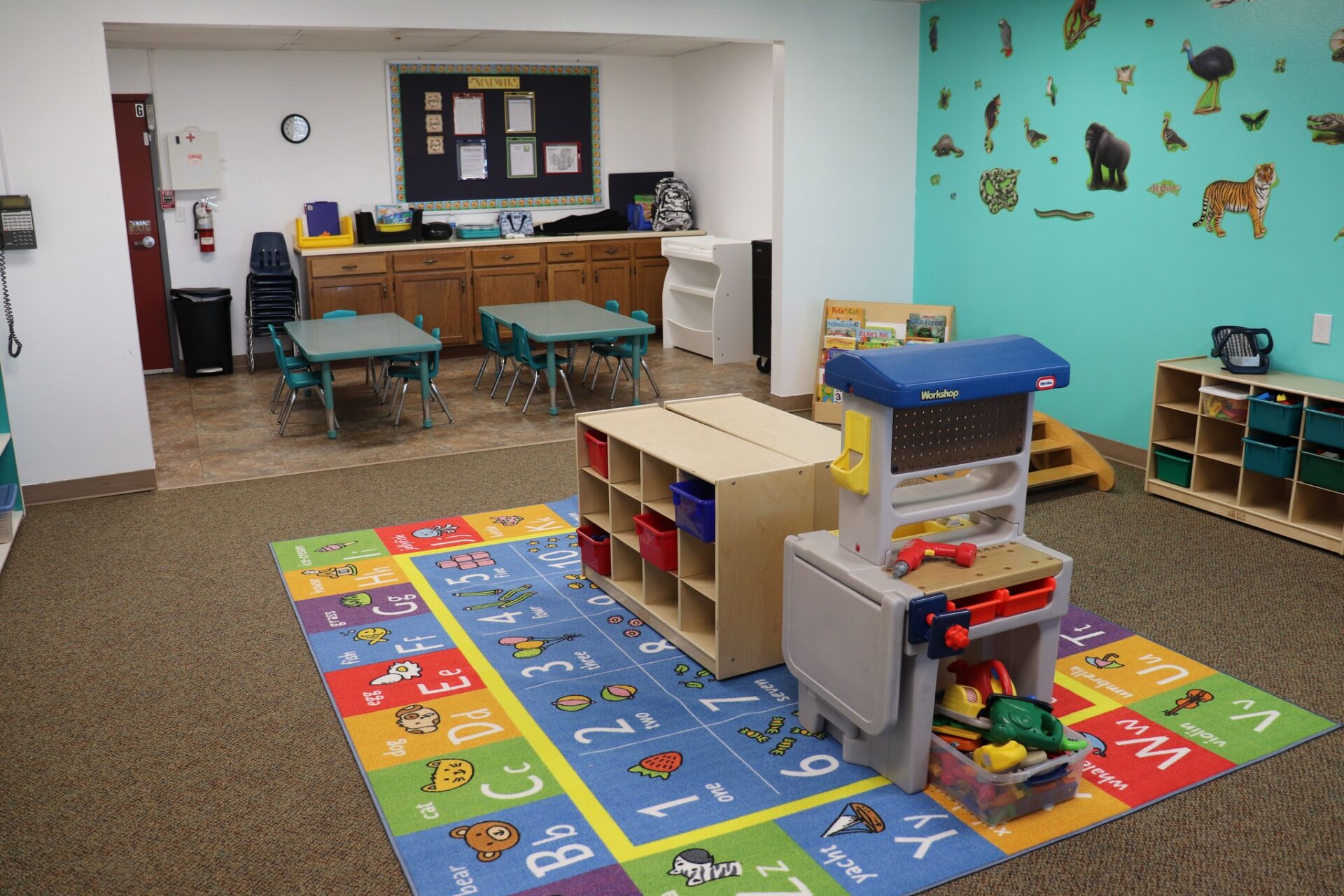
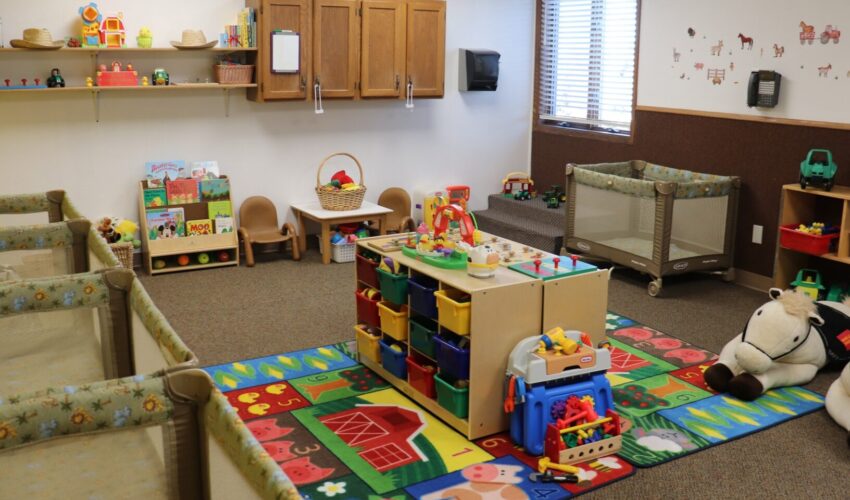
It’s designed to serve 111 kids age 4 weeks until kindergarten, and the Johnsons are hopeful that, as more families join, word-of-mouth will help them take advantage of the capacity they have to care for more kids.
“What attracted us to Learning Ladders was the owners were very experienced day care owners and workers in the Sioux Falls area, and their staff had decades of day care experience,” said Jennifer Larsen, who regularly transports her toddler grandson, Finn, there.
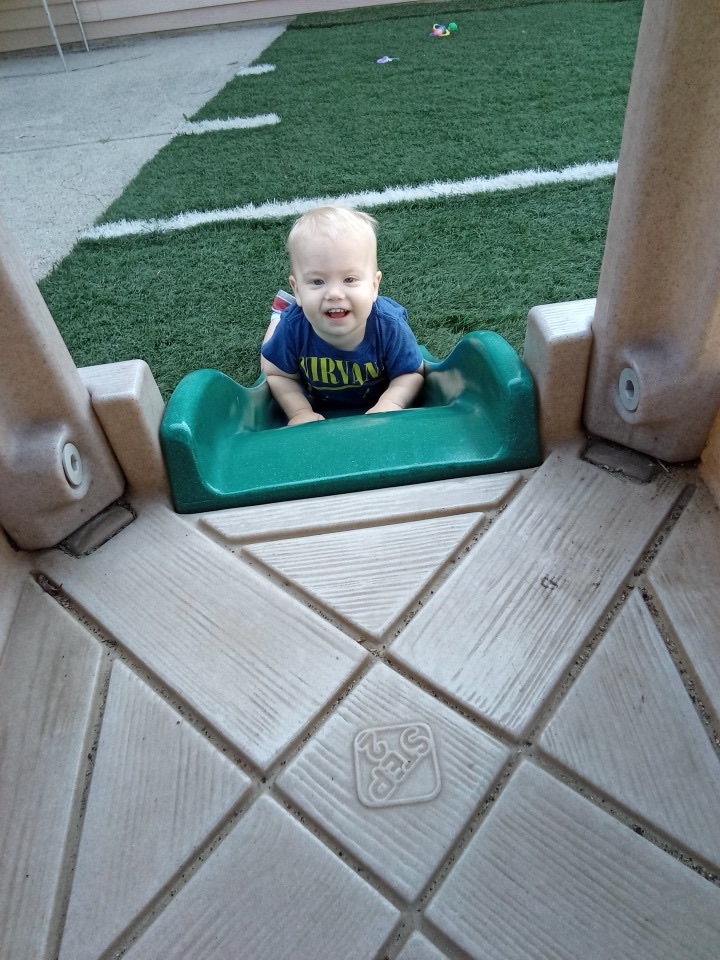
“We appreciated that there are daily plans for each learning level so that the kids continue to develop and learn,” she said. “And, there is a lot of free play, both inside and outside. In my experience, the owners are very present at Learning Ladders so they are in tune with what is happening with the kids and the staff.”
The location is convenient to anyone living and working downtown, and the kids get a lot of individualized attention, Larsen added.
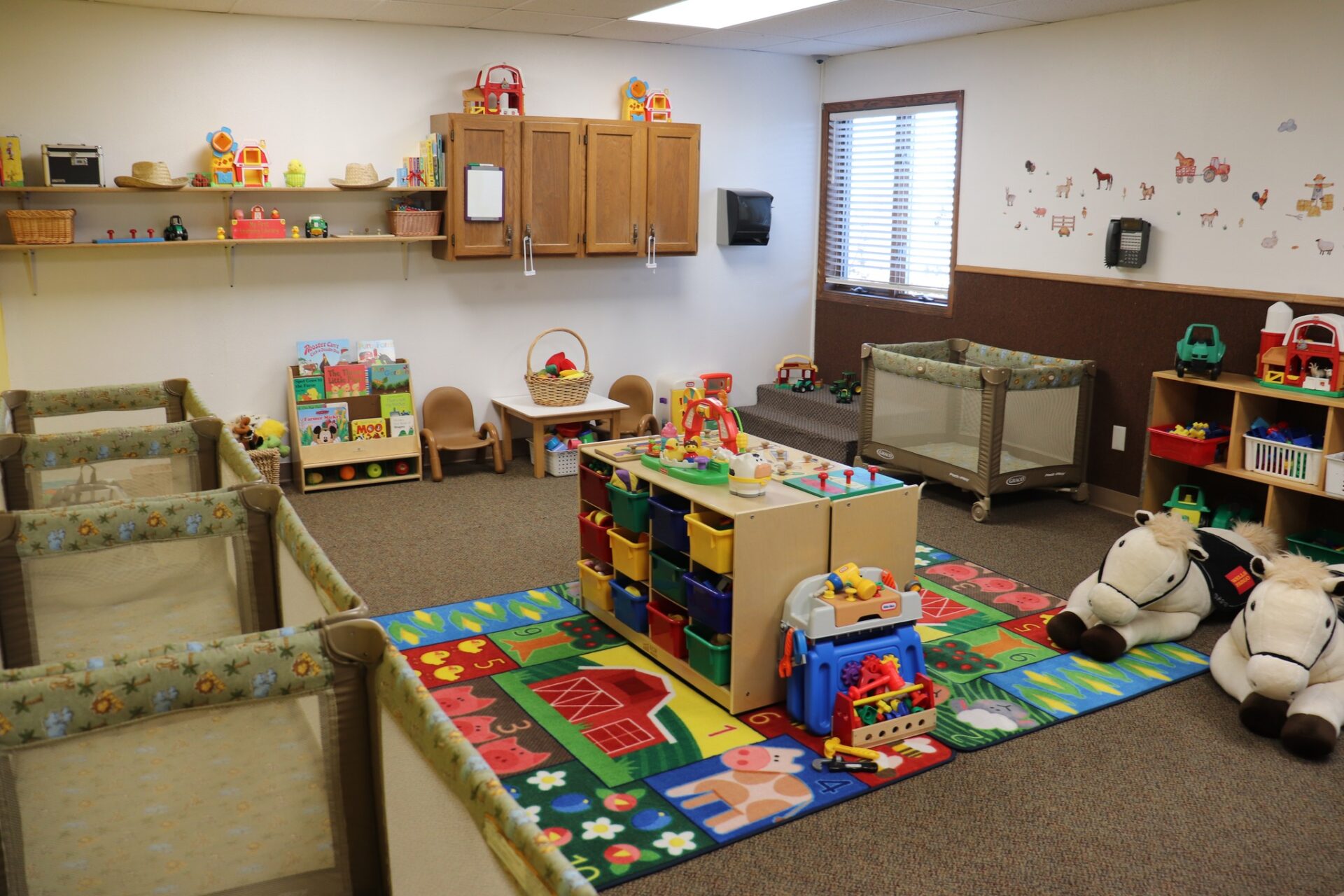
“Most importantly, my grandson enjoys Learning Ladders. He is happy and well adjusted and has bonded with the staff and owners. I love that when we walk in, every single staff person can call him by name,” she said.
Across town, Mitch and Ashley Gray are getting ready to start their own child care ownership journey. They recently bought the former Apple Tree location at 4101 W. Valhalla Ave. and opened Vibrant Minds Learning Center.

Ashley, an elementary education graduate, worked for a child care center and then started one out of her house eight years ago.
“I just get too many calls,” she said. “Most of my families are west side, so this is convenient, and we went with it.”

The building can serve 123 kids age 6 weeks through 5 years, but “we’re thinking about 75 would be a sweet spot to keep it very manageable and bring a more in-home feel,” Mitch said. “The stars finally aligned, and we were able to make a move.”
There’s demand for upcoming infant spots but plenty of room right now for all ages, they said.
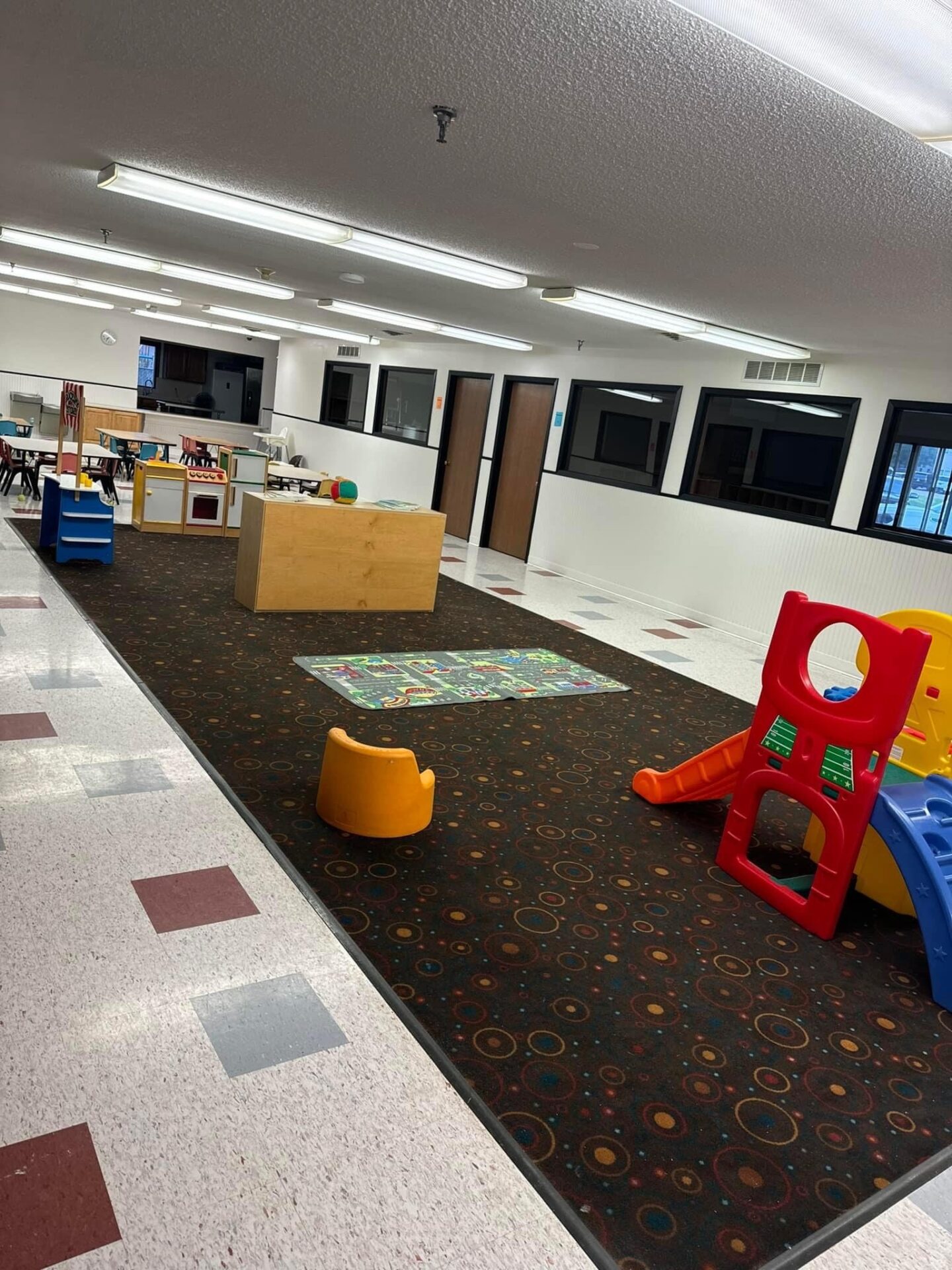
“It’s personal,” Ashley said. “We know the families, there’s a personal touch, and we want people to look at it and say, ‘They did it the right way.'”
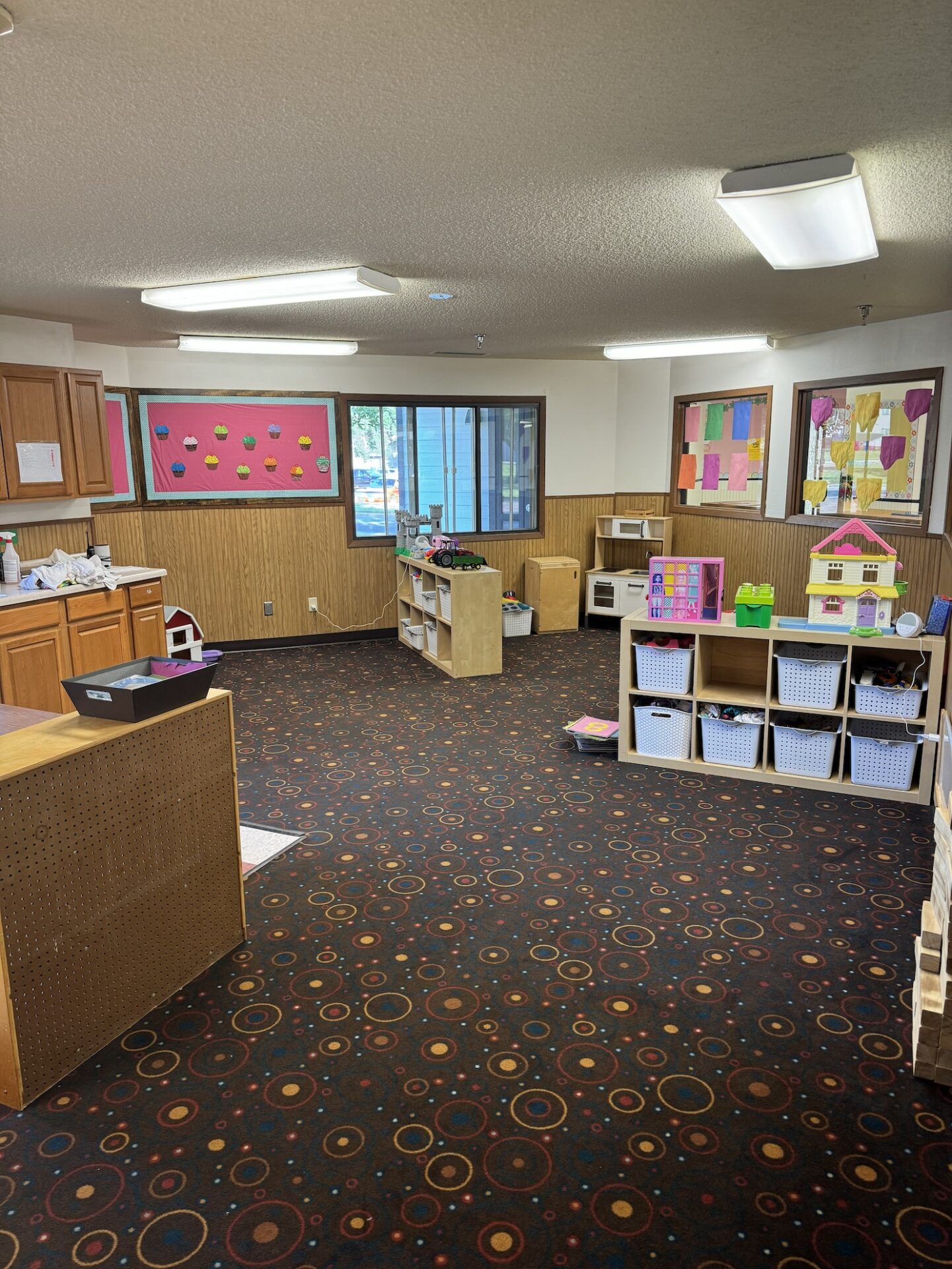
The deal “was a great win-win-win,” said Isaac Jorgensen of Bender Commercial Real Estate Services, who put the deal together. “The sellers felt great about this continuing as a day care center, the buyers stepped into a building that is set up and ready to be a center again, and our community gets a boost to day care availability.”
Making ownership possible
As the Johnsons have found in their business journey, the challenges of the child care industry aren’t so much a capacity issue in Sioux Falls but an affordability one. Owners of centers must address a number of overhead costs, especially labor, and then price their services accordingly.
That’s where the U.S. Small Business Association 504 lending program can be considerable help.
“If they buy their building, this makes a big difference,” said Lynne Keller Forbes, CEO of Dakota Business Finance, which partners with banks to offer the loan.
“If they went to a bank for conventional financing, they would be required to put considerably more money down. The SBA 504 program allows them to preserve working capital by putting less money down, and it allows a bank to feel more secure because they’re providing 50 percent of the financing versus maybe 80 percent, and SBA subordinates behind the bank’s loan. The blended interest rate we’re then able to offer also can be a savings. SBA’s most recent 25-year fixed rate is 6.04 percent.”
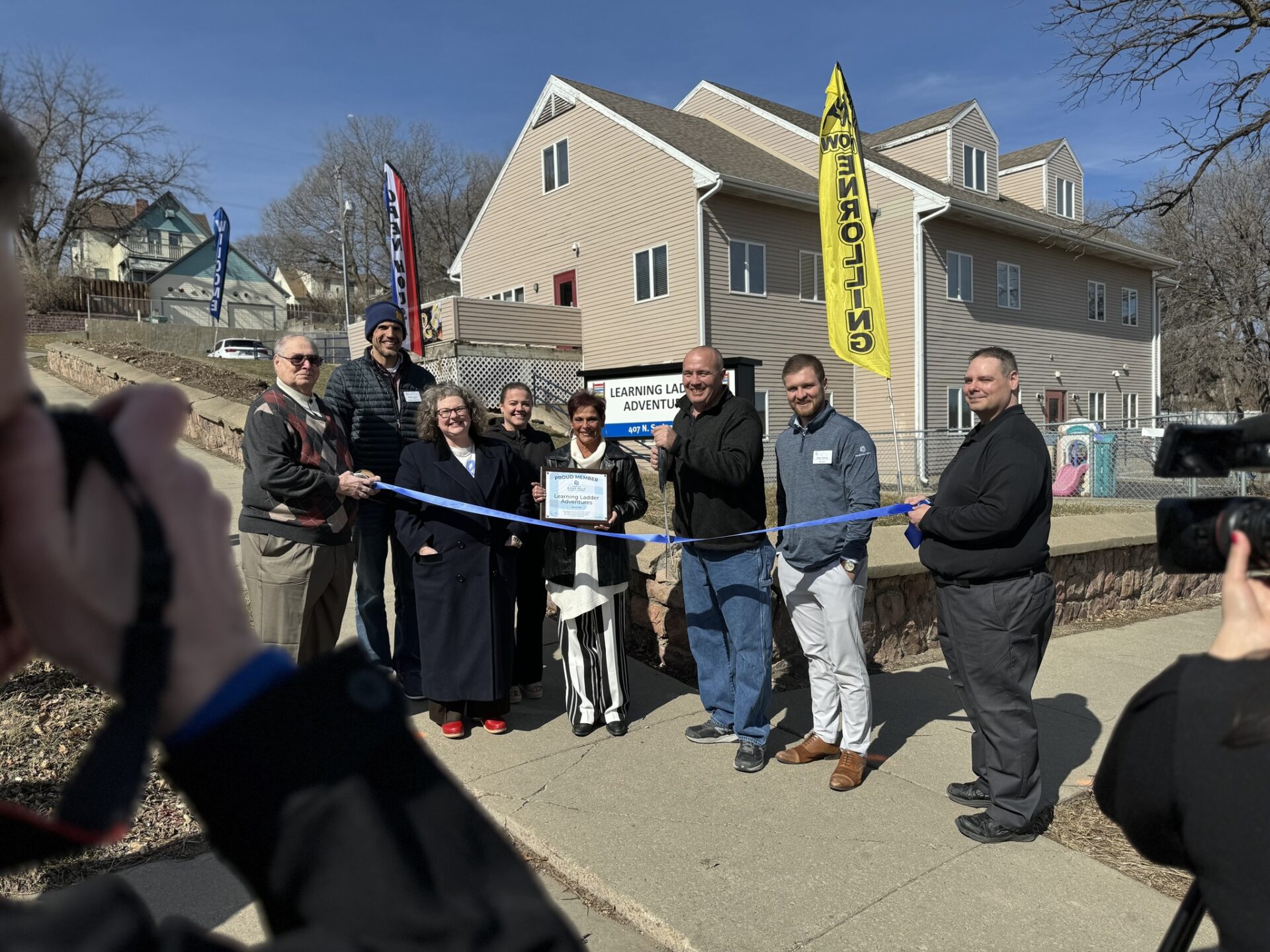
“DBF’s program has done a great job of removing barriers of entry for startup businesses,” said Jorgensen who worked on both the Learning Ladders and Vibrant Minds deals.
Both deals “have allowed passionate, local day care providers opportunities to acquire former day care properties where they can grow their business and provide our community with much needed quality care,” he continued.
“By having the ability to purchase these properties, both centers had a great head start on fulfilling the requirements that are needed to run a child care center and open their doors to kids much sooner than if they had to build or repurpose another existing property.”
For the Johnsons at Learning Ladders, “the 504 was the best product for us,” Paul said. “We got the better interest rate, and they were good about forecasting expenses, so we were able to have extra funds to get going and get us through the year. Plus, they were really good to work with and even did a walk-through and gave us suggestions about what needed upgrading.”

Their lender, Blake Chesley at The First National Bank in Sioux Falls, said SBA 504 loans always should be considered for new or existing child care centers because of the 25-year, fixed-rate financing and lower down payment requirements.
“Keeping the monthly payment low and equity requirements minimal often enables businesses to purchase property they otherwise couldn’t afford and retain some extra working capital funds to help get the child care center started. In many cases, the SBA 504 program is the key to making a child care center successful because it allows them to invest more in the business without the financial strain that traditional financing might impose,” he said.
“Also, it’s always beneficial to have the CDC as another local partner invested in the center’s success and to help walk the business owner through the process of starting or expanding their business.”
For the Grays, “the interest rate was better, the down payment was less, so it was a little more friendly for us, and the scenarios they ran for projections made us feel more comfortable and have a better understanding of everything,” Mitch said. “Dakota Business Finance was awesome to work with, and we were really happy with the whole process.”

Their lender, Brett Anderson at First Western Bank & Trust, agrees that the SBA 504 program can be “a great tool” to assist borrowers and allow them to find savings in down payments and interest rates.
“These savings allow day cares to invest more money into their facilities and their employees, which are paramount in making great child care centers, and we can all agree we need more of in our community,” he said.
“From the bank’s perspective, the 504 program is a great partnership that incentivizes investment in small business. It helps banks get comfortable with the unknowns of a startup business and also allows the customer the cost-saving benefits.”
From leasing to owning
Lacey Cooper’s path to child care center ownership also started with an in-home day care, which she expanded into a commercial space in Tea in 2017, followed by another in the community in 2020. In 2021, she bought an existing child care business in Brandon and started one in Harrisburg, which she later sold. She now leases one of her locations in Tea and runs two in Tea and Brandon, for ages 4 weeks through 12 years.
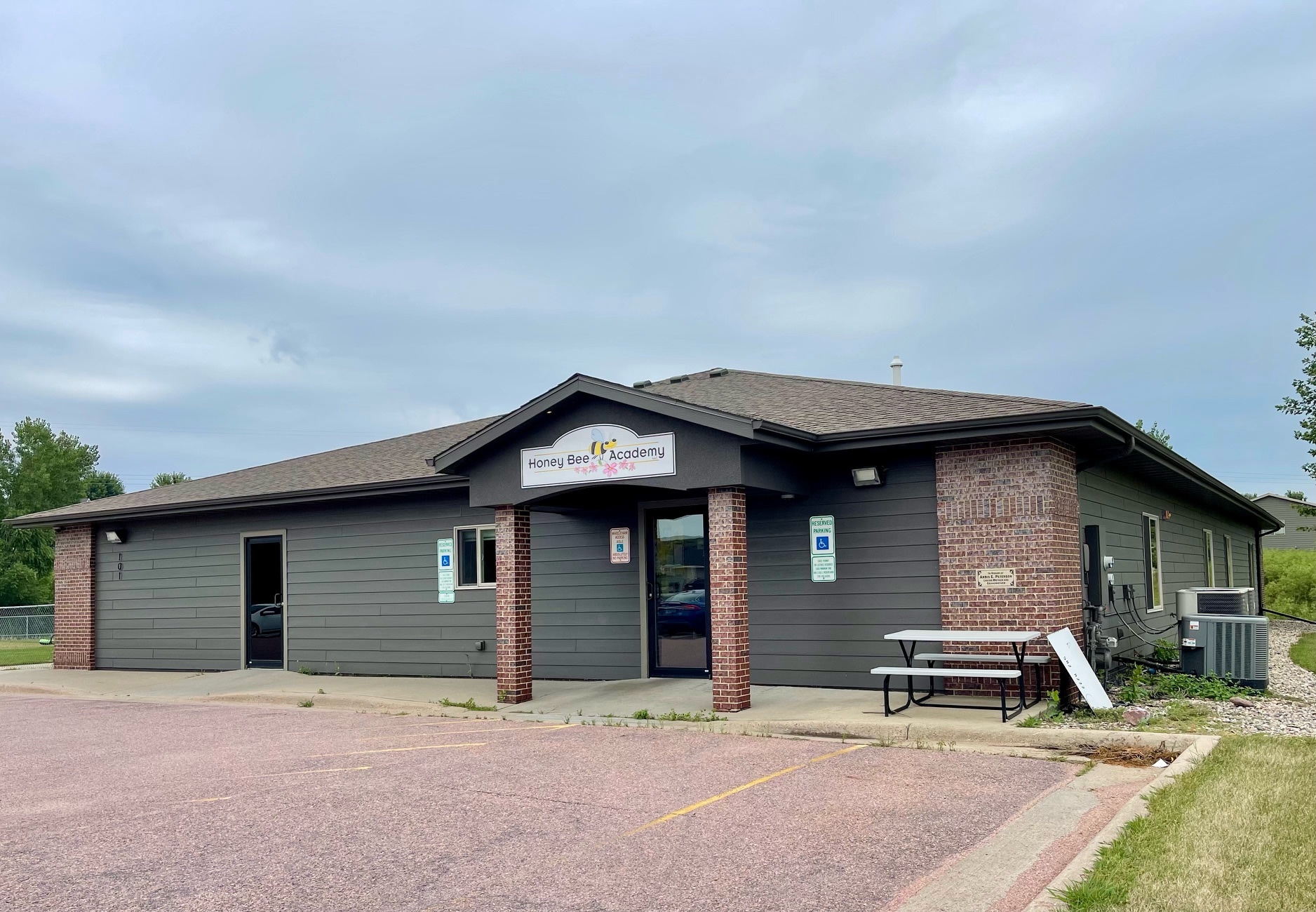
‘What is daunting about making the child care business work is staffing and the rising cost of overhead,” she said. “We approach this by unique staff incentives such as free child care for full-time employees. To meet our overhead costs, we unfortunately have no choice but to do annual tuition increases.”
She found out about the 504 loan as she went from leasing her space for Honey Bee Academy in Brandon to owning her space.
“This loan will positively impact the way the business is operated because it is more cost effective to own the building rather than lease the building from a private landlord,” she said.
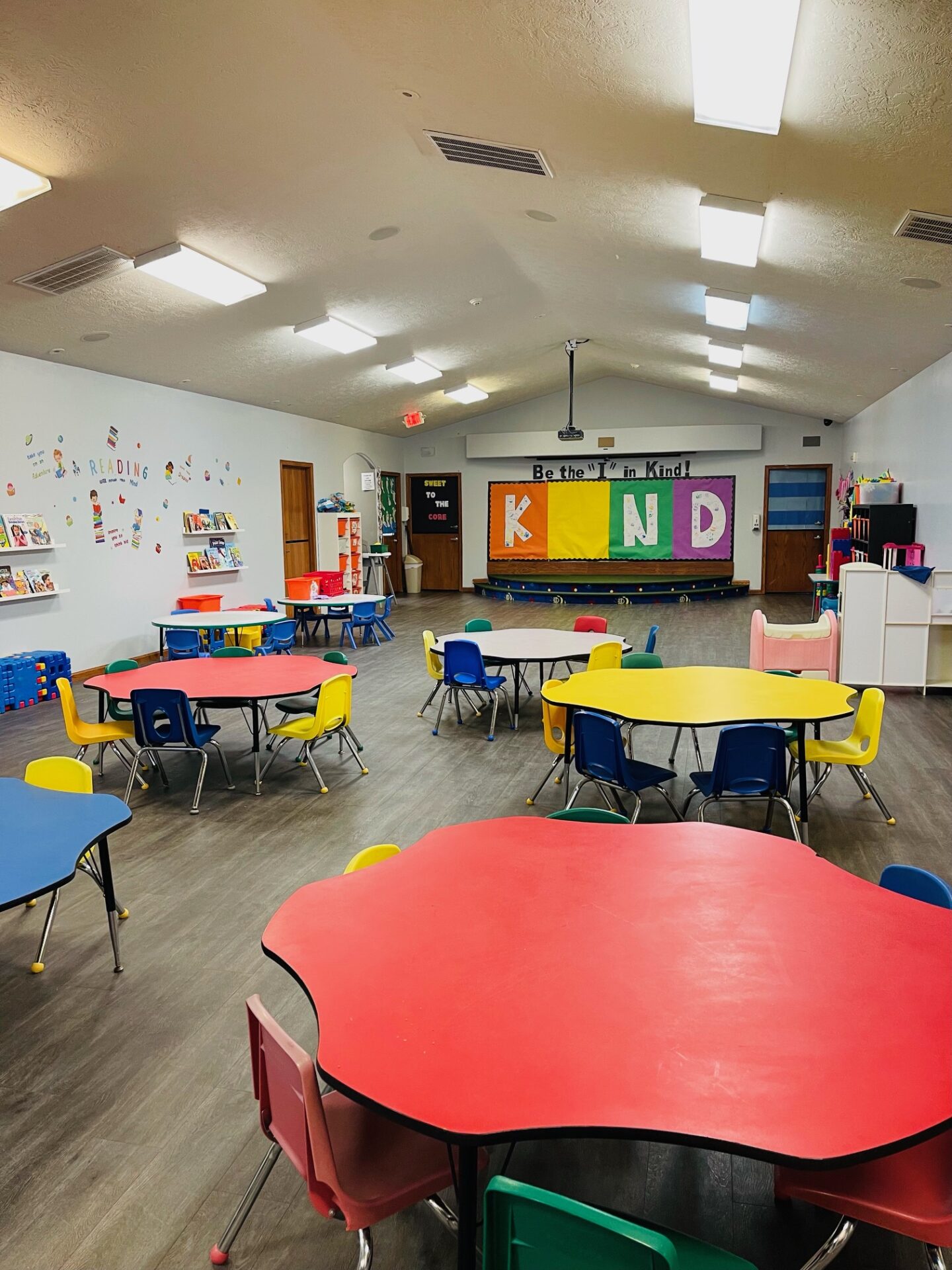
Her lender, Cole Tirrel of Reliabank, said that by reducing the financial burden on owners, they’re able to expand facilities or upgrade equipment without the high upfront costs associated with those investments.
“By improving or expanding their physical spaces, centers can enhance the quality of care they provide, accommodate more children and create safer, more engaging learning environments,” he said.
“This can lead to increased enrollment and better outcomes for children, which are crucial for the success and sustainability of these centers. Additionally, the fixed-rate financing provides financial stability, helping centers to better manage their long-term budgets and plan for future growth with confidence.”

For any owner currently leasing space, building ownership likely is “worth talking about,” Keller Forbes said.
“If you’ve been operating more than two years, we can get you into an owner-occupied building through the SBA 504 loan program for as little as 10 percent down, and you’re more in control of your own costs and destiny. Often, you’ll find you’re actually paying less to own the building than you were paying to lease it,” she said.
“I liken someone owning a commercial building to someone owning a home. Over time, it is where the value and equity are built. For the most part, you’re probably never going to lose money on it. So while a child care business can be challenging operationally, financially your building is going to continue to appreciate over time.”
To learn more
Dakota Business Finance can serve borrowers anywhere in South Dakota, Iowa and Minnesota, as well as a few counties in Nebraska.