Avera’s gastroenterology program sees growth to fill out new building
May 12, 2025
This piece is sponsored by Avera.
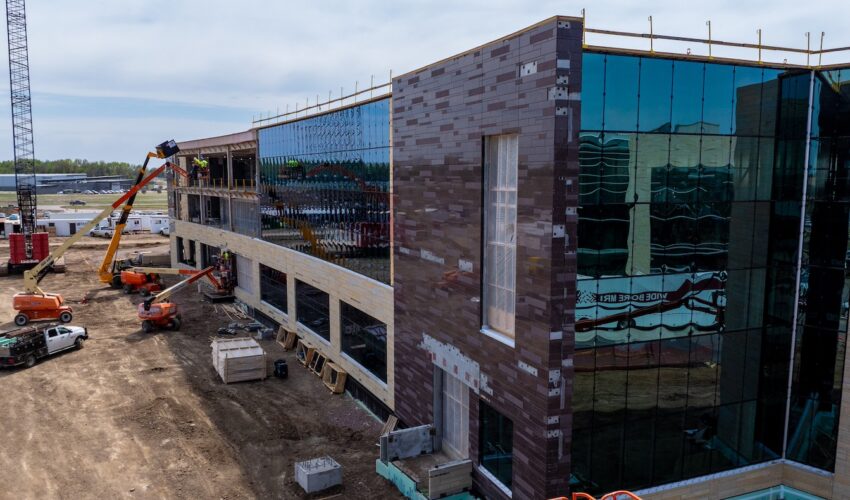
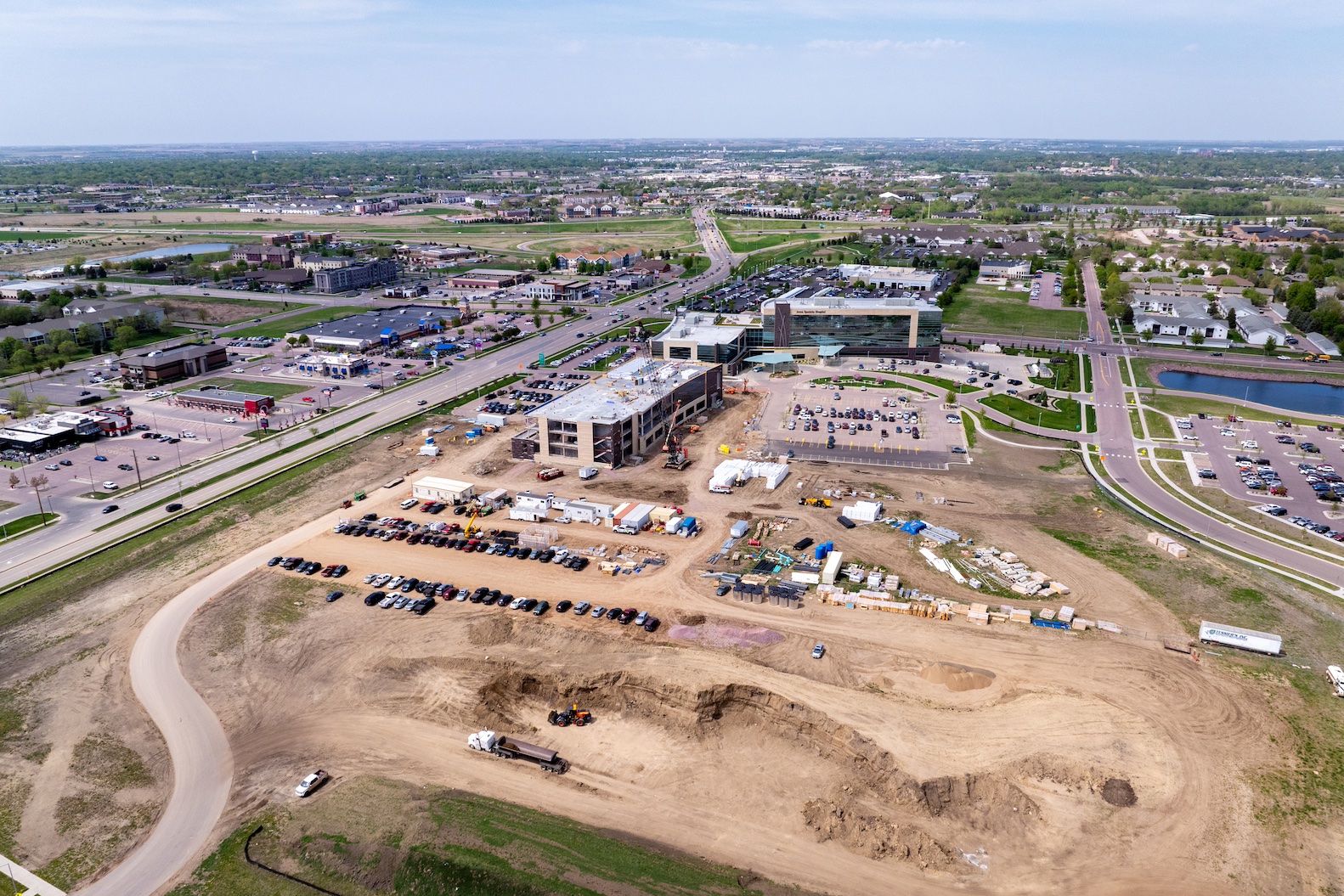
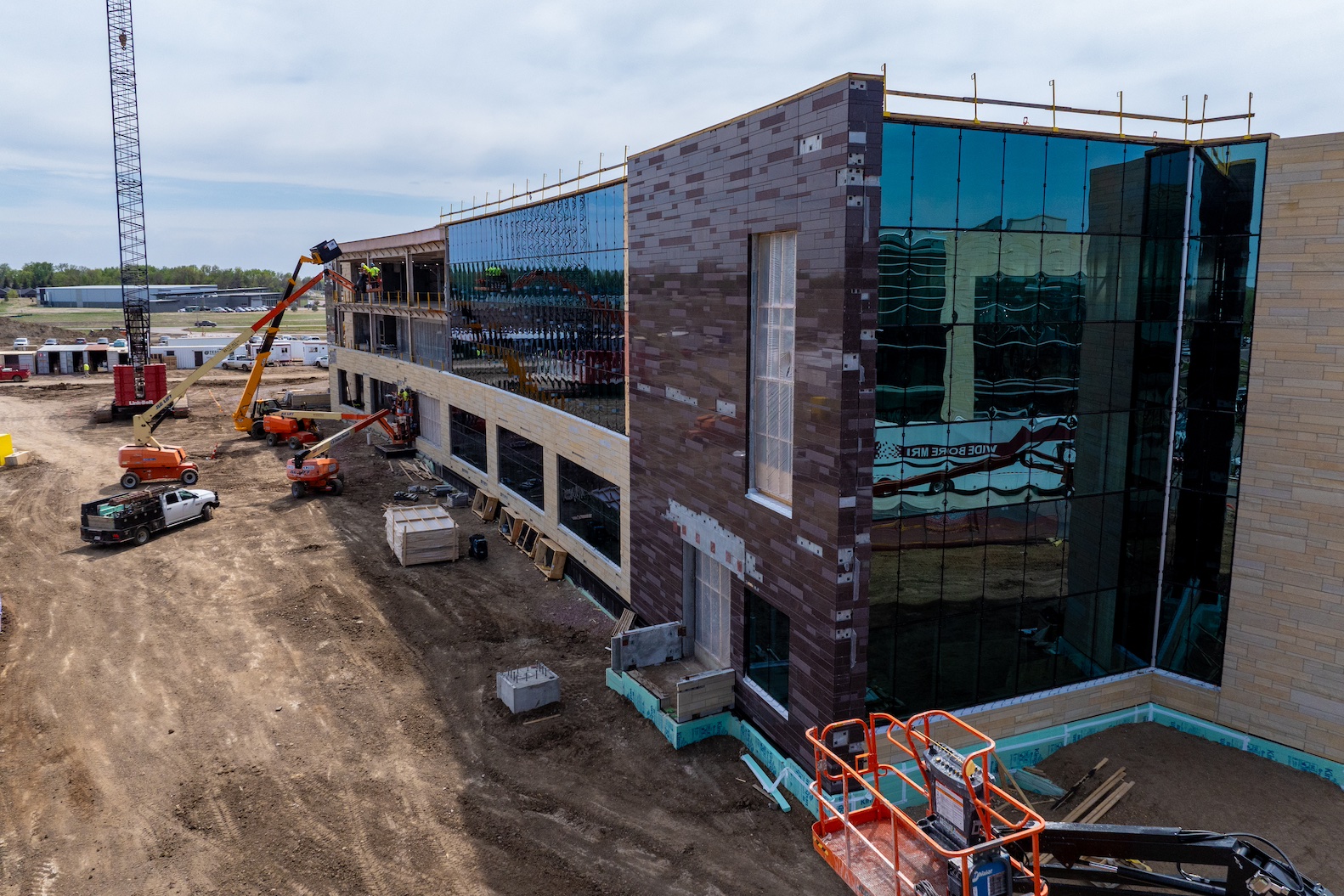
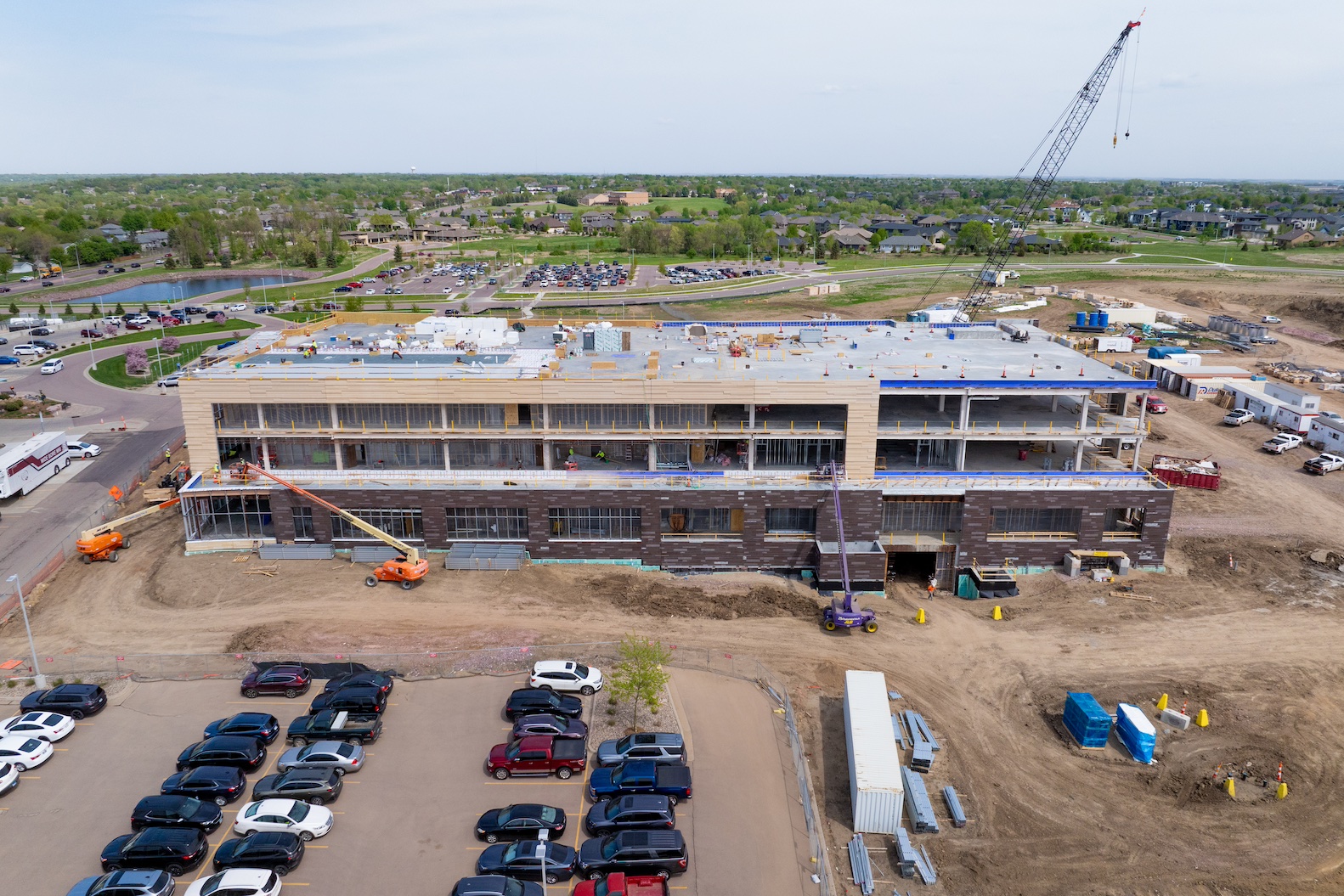
As Avera planned a new building on the Avera on Louise Health Campus, a new home for gastroenterology services was high on the priority list.
“We wanted flexibility with our new medical office pavilion,” said Dr. Ronald Place, regional president and CEO of Avera McKennan Hospital & University Health Center.
Photos courtesy Journey Group
“Yet we planned far in advance that this would be the new home for GI services in Sioux Falls. This not only allows for growth in GI specialty visits and procedures, it allows for growth in orthopedics.”
In early 2026, when the pavilion is complete, Avera will refit former GI space in Avera Specialty Hospital for the in-demand specialty of orthopedics, meaning a greater portion of the specialty hospital will be dedicated to orthopedic clinic visits and surgical procedures.

The new pavilion will offer more general GI procedure rooms for uses such as colonoscopy and endoscopy, plus two advanced procedure rooms for specialized procedures such as fluoroscopy, endoscopic retrograde cholangiopancreatography, endoscopic ultrasound and any case requiring general anesthesia rather than sedation.
The expansion also will allow for more pre- and post-procedure rooms and clinic exam rooms.
Dr. Christopher Hurley came to Sioux Falls to practice gastroenterology in 1994, then left for a few years and returned in 2011. Early on in his Sioux Falls practice, there were two to three physician partners. Now, Avera Gastroenterology in Sioux Falls has six gastroenterologists and nine advanced practice providers, including nurse practitioners who offer navigation for patients diagnosed with GI cancer.
Three GI hospitalists at Avera McKennan also increase capacity for patients. “That’s been the biggest change in this evolution,” said Hurley, who along with other gastroenterologists used to take turns doing hospital admissions for patients presenting with serious GI issues in the Emergency Department, as well as hospital rounding.
“GI hospital patients are sicker than in the past,” Hurley said. The presence of full-time GI hospitalists means clinic GI physicians and APPs can concentrate on outpatient care. This includes people who present to the ED with GI pain or symptoms that can be handled on an outpatient basis.
GI patients run the gamut from bowel obstructions to bleeding, inflammatory bowel disease, Crohn’s disease, celiac disease, biliary disease, gallstones, heartburn/acid reflux, gas, bloating, unexplained or chronic diarrhea or constipation, swallowing difficulties or blood test abnormalities.
A care team model that uses advanced practice providers, including nurse practitioners and physician assistants, allows Avera Gastroenterology to see more patients, with shorter wait times for appointments. For example, APPs often see established patients who may need to check in on their symptoms or maintain an ongoing treatment plan with medication.
“They are very autonomous yet keep the physician in the loop if there are any changes in that patient’s care,” Hurley said.
“GI consults via telemedicine take place daily from the Sioux Falls clinic to locations such as Aberdeen and Pierre,” said Katie O’Connor, Avera Gastroenterology clinic manager. “Established patients can request virtual visits through their patient portal, from the comfort of their own home, office or wherever they happen to be.”
When a GI procedure like endoscopy or colonoscopy results in a cancer diagnosis, patients are referred to cancer specialists, and their care is navigated by certified nurse practitioners.
Along with the regularly scheduled GI procedures, Avera leaves some capacity open to handle urgent cases.
Numerous factors are behind the growth in demand for GI services: a growing population, an aging population and the lowering of the recommended age to begin colonoscopy screenings from 50 to 45.
“We also have a population that’s more in tune with their own health,” O’Connor said. “Rather than just live with an uncomfortable condition, they seek out specialty care to solve it.”
The new generation of 45- to 50-year-olds seems more open to scheduling their colonoscopies than their older counterparts. “There’s so much more awareness and information out there, from patient stories to videos on what to expect,” Hurley said.
“So people have less fear and embarrassment, and more eagerness to do everything they can to prevent colorectal cancer or make sure it is detected early.”
O’Connor added, “Almost universally, people say they wish they hadn’t worried so much – that the procedure was a breeze and one day of uncomfortable prep was worth the peace of mind.”
Learn more about gastroenterology care at Avera in Sioux Falls.