Annual WIN in Workforce Summit to help navigate new workplace reality
Sept. 3, 2025
This piece is sponsored by the Sioux Falls Development Foundation.
The work world is changing rapidly — and an annual event focused on workforce is designed to give employers the tools and resources necessary to position for the future.
The WIN in Workforce Summit will be from 9 a.m. to 3 p.m. Oct. 23, with networking events before and after the event, at a new venue: the Canopy by Hilton in downtown Sioux Falls.
The day will feature 10 impactful sessions highlighting local leadership, businesses and best practices.
“This is our chance once a year to come together as a business community and focus solely on talent development, attraction and retention for a full day,” said Denise Guzzetta, vice president of talent and workforce development for the Sioux Falls Development Foundation.
“The key is to help organizations move forward with confidence, knowing that they have the ability to develop the workforce they need to succeed in a changing environment.”
For a full agenda and to register, visit here.
The day will kick off with a keynote from stress physiologist Dr. Rebecca Heiss, who will speak on the topic “Fear(less) Future: Navigating Stress in the New Workplace.”

“Dr. Heiss has conducted research that’s been designated as transformative by the National Science Foundation,” Guzzetta said.
“She will leave you with an entirely new perspective on stress and with strategies for how to harness it in your workplace and in your life as an advantage rather than a challenge. The changes we’re seeing in the workplace are not revolutionary. They’re evolutionary. And Rebecca will help us rethink and reimagine how we approach them.”
We sat down with Heiss for a preview of her conversation.
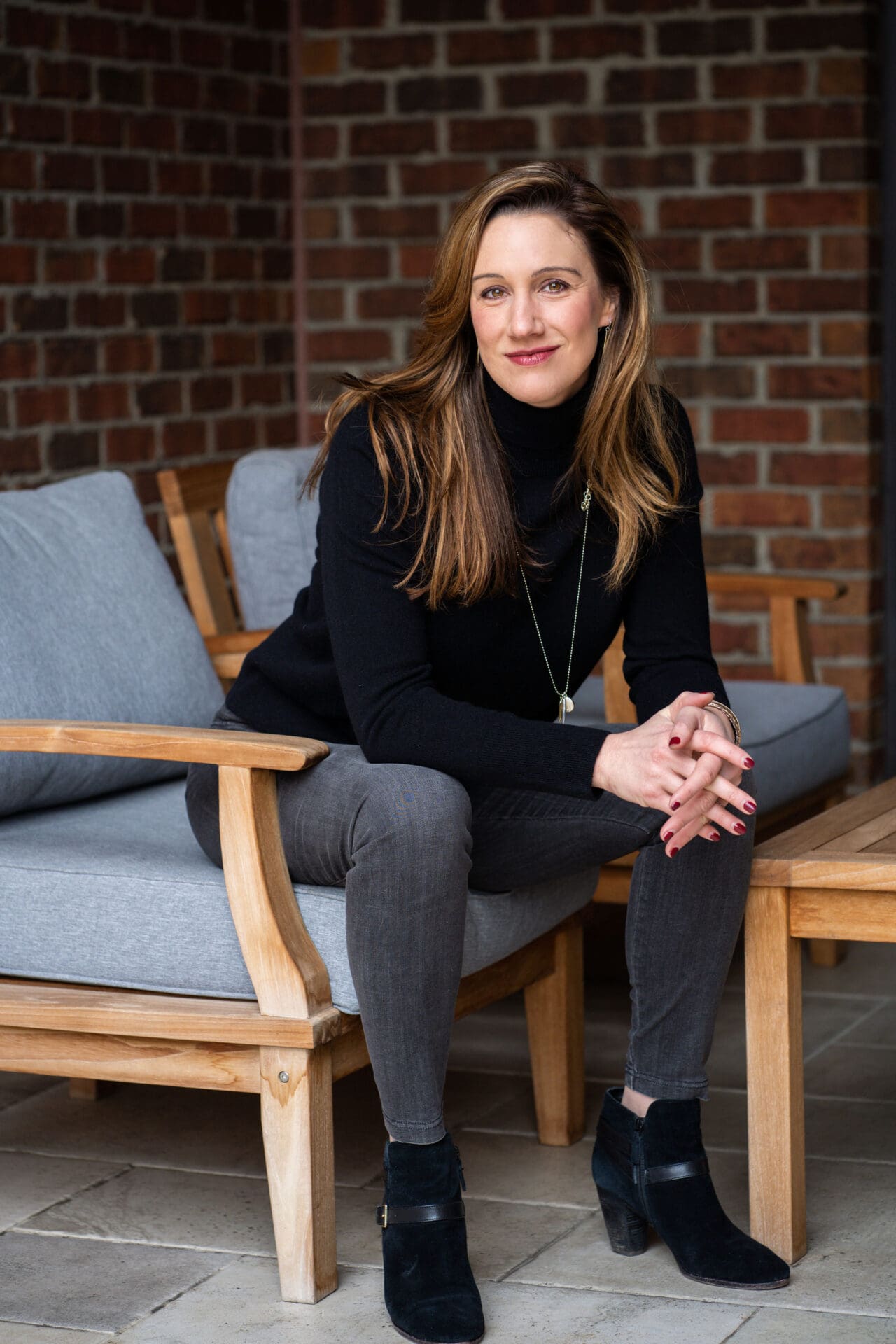
How would you describe the theme of your message?
It’s really about how we keep trying to get rid of stress, but the challenge of that is that stress isn’t going to go anywhere. So rather than getting rid of it, I teach how to use stress for you instead of against you — how to use it as a competitive advantage.
Who is a good fit to hear this message?
Anyone from high schoolers to CEOs and anyone in between. It’s inspirational but also will provide tangible, actionable takeaways that leaders can use. For managers, we’ll talk about how to manage our own stress effectively and then to recognize that one challenge a lot of teams face is that what stresses one person out doesn’t stress someone else out. So you might be pushing some, but you’re holding others back. So instead of trying to find that narrow band where it’s the right amount of stress, I talk about changing your mindset around what stress means so we can use it more effectively. And that applies to anyone from managers to students. We all have a similar stress response, whether it’s to overwhelming email in the inbox or a kid handling issues at school.
How would you describe the framework you share with people around stress?
It’s all about fearing stress less. Our human stress response is built for being chased by predators. So the first step is recognizing this isn’t that. This isn’t life or death being chased through a savannah. Step two is to utilize that energy rather than try and get rid of it. Transfer the energy to excitement or productive anger. Curiosity is an underutilized tool to do this because our brain can’t hold curiosity and fear at the same time. There’s no mechanism that allows you to hold those things in conjunction. When we get curious, we kick ourselves out of fear. So it’s about taking small actions forward when we feel overwhelmed. We think we have to leap Mount Everest in a single bound and cross our arms and say it’s not possible. But when we get small wins, it primes our brain with dopamine, and we get addicted to that and start learning and growing.
Do you find organizations have increased interest in this topic given all the technological change occurring and positioned to occur?
Yes. Suddenly, I am in massive demand. It’s similar to COVID. And I’m in demand because of AI. It’s “Oh my gosh, there are so many changes,” and people are panicking. The idea I teach is that it’s a big disruption, but how do we use that rather than paralyzing us with fear? The brain’s default mode is to go helpless because we don’t want to throw resources and energy at things we can’t change. My research is around how to get around learned helplessness and take action toward goals we want even when we don’t have full control. The thing I like to tell people is that stress is a barometer for how much you care. Stress is highly correlated to meaning and purpose. So rather than trying to run away from it, how do we reframe it to focus on doing something meaningful and purposeful?
To learn more about the WIN in Workforce Summit and register, visit here.