Collaborating for patient care: Family faces multiple diagnoses for genetic condition NF1
Feb. 16, 2026
This piece is sponsored by Sanford Health.
There’s a genetic condition that can start with simple birthmarks that one Sioux Falls family knows well.
It’s called neurofibromatosis type one – or NF1 – and it is a disorder that can cause tumor growth, vision problems and skin changes.
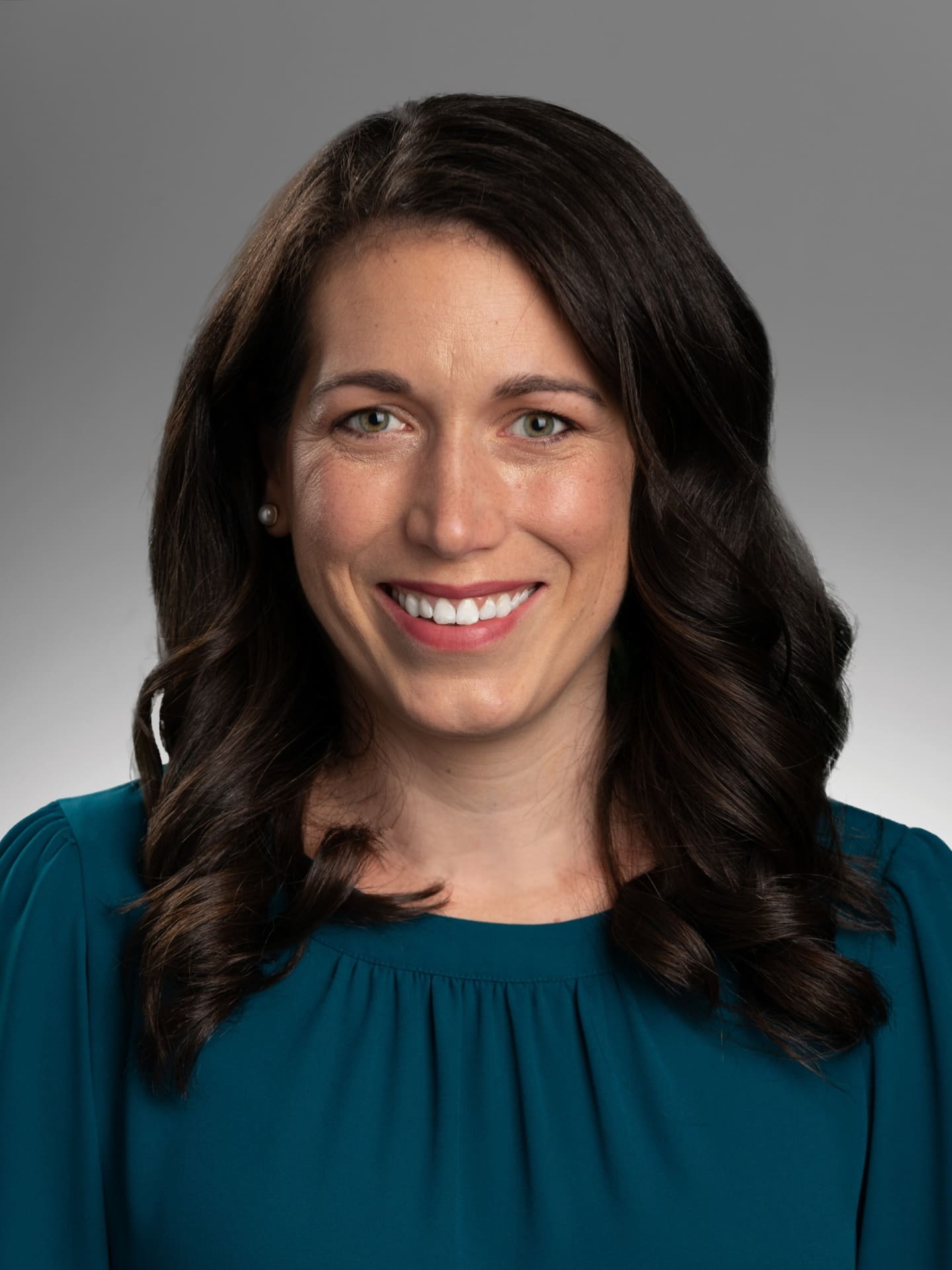
Dr. Rachel Li specializes in clinical and pediatric genetics at Sanford Children’s.
It can begin with the development of cafe au lait spots, which are brown birthmarks across the skin.
Li said tumors can grow underneath the skin and along nerves, including the optic nerve in the brain.
“A majority of the time, the tumors are not cancerous,” Li said. “But when we’re talking about brain tumors, there’s only so much space in there, so we monitor those very closely. And then we can start treatment with medications if we start noticing changes associated with that.”
She said while all genetic disorders are rare, NF1 affects 1 in 3,000 to 4,000 patients.
“Fifty percent of the time, it’s a new finding in a family or patient without family history, and the other 50 percent it’s inherited from a parent or relative,” she added.
NF1 in the Marshall family
Candice Hazel and Roland Marshall’s youngest, Logan, had some unique birthmarks, which led to a diagnosis in 2022.
But that diagnosis was just the beginning.
“When I met Roland, he had four girls,” Hazel explained. “One of the girls had a lot of cafe au lait spots, and he said she was diagnosed with neurofibromatosis.”
Coincidentally, Hazel was already receiving care for McCune-Albright syndrome, which is associated with cafe au lait birthmarks.
So when she and Roland noticed her son Logan’s birthmarks, she contacted her provider at Sanford Health, and the entire family of seven underwent genetic testing.
The results showed that Logan, his dad Roland and two half-sisters were all living with NF1.
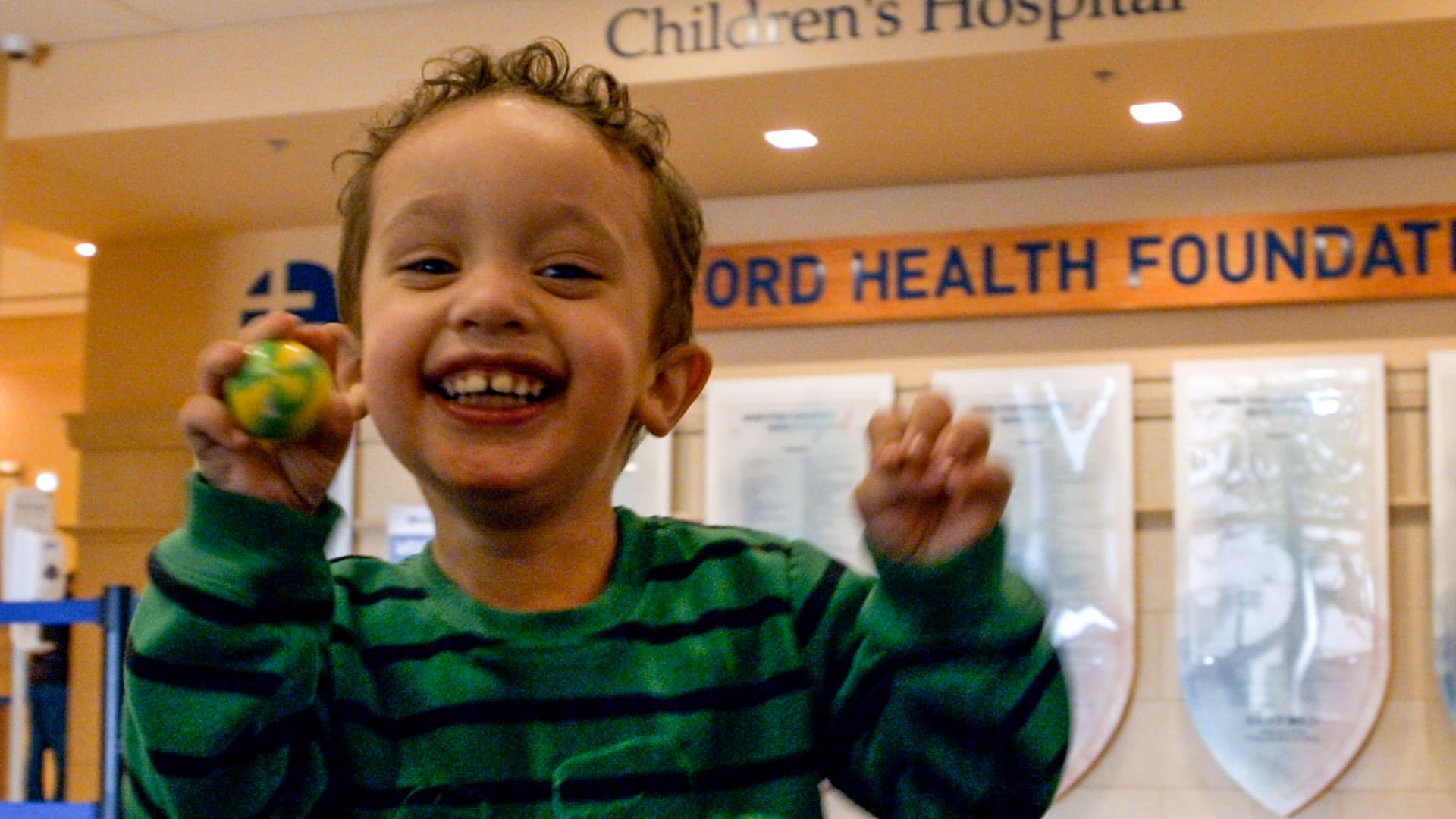
Those with NF1 can have variable features or different symptoms, even with the same genetic change.
“It’s been a whirlwind with a lot of emotion and worry, especially with the risk for tumors and optic issues. As a parent, it’s scary,” Hazel said. “We’re very lucky to have someone close to home who specializes in NF1 and who makes you feel comfortable.”
Before NF1 diagnosis
In most cases, a pediatrician or other primary care provider can notice the first signs of the condition in a patient’s birthmarks.
Li said the clinical criteria includes two or more features, but patients are evaluated with just one, including certain freckling on the arms or in the groin.
From there, the primary care provider can refer the patient and family to the genetics team and begin testing.
But it’s not always caught right away when a patient is young.
“It’s not uncommon for us to find a patient with NF1, but then Mom or Dad also has it, and we determine during a visit that the adult gets certain screenings and plugged in for care as well,” Li said.
NF1 clinic at Sanford Health
If patients undergo testing or meet clinical criteria for a diagnosis, they can be enrolled into the NF1 clinic.
Since 2022, the neurocutaneous clinic has been available for Sanford Health patients as the only multidisciplinary clinic in the Midwest for this rare genetic diagnosis.
“We noticed there was a gap in care for our patients,” Li said. “They were all going to Mayo or Colorado, hours and hours away. We had all the services here available. So we got together and said, ‘I think we can start this clinic.’
“There’s definitely a large population of people who are really benefiting from getting all the care.”
The Marshall family was among the first to participate in the clinic.
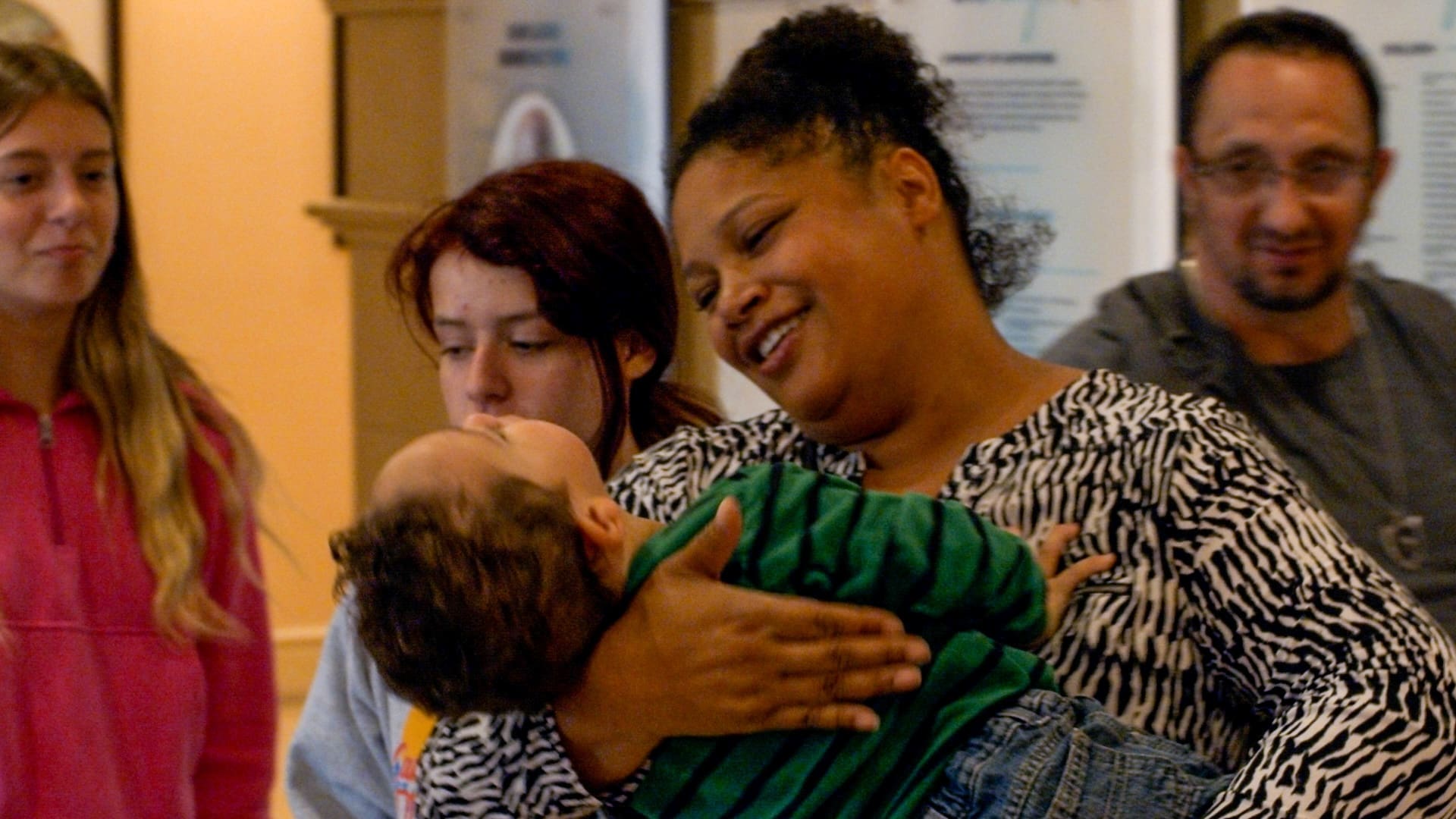
“Logan was seen every six months early on, and now everyone is seen once per year,” Hazel explained. “It’s really helpful and convenient for us to have one place for our kids to get their care.”
The clinic – for patients with NF1, NF2 and tuberous sclerosis – is a one-stop-shop for patients to see multiple providers with specialties in genetics, neurology, hematology and oncology, pediatric development and ophthalmology, as well as speech, physical and occupational therapies.
“They’re such a great family as far as just really following through with what needs to be done, making sure they’re getting their girls plugged in as much as possible, getting help with some of the school things that they’ve come up with and seeing Logan grow up living his best life now,” Li said.
“The physicians and providers are so collaborative, and I think that’s a really unique thing to find. Everyone is here to focus on what is best for patient care and for children. If that means creating an entirely new clinic for families, that’s something they’re going to go forward and do. It’s been a huge, huge benefit.”
Sanford Children’s in Sioux Falls offers multidisciplinary clinics. Your family can connect with multiple specialists during one visit for coordinated, convenient care at one of our clinics. Connect with your child’s primary or specialty care provider if you think they could benefit from coordinated care. Learn more here: sanfordhealth.org/medical-services/pediatrics/specialty-clinics-and-programs.