Pharmacy, business experts combine in fast-growing university research center
Jan. 26, 2026
This piece is sponsored by South Dakota Biotech.
In scientific research, four years isn’t very long considering the lengthy process from bench to bedside that many new advancements generally take.
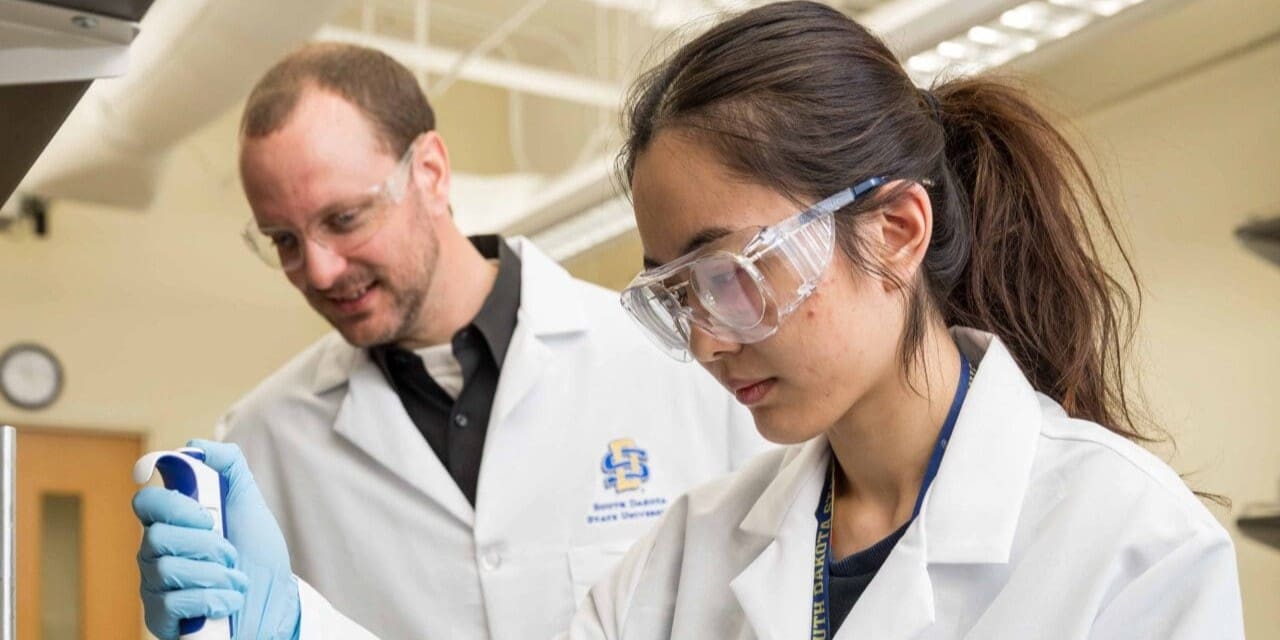
But traction has come fast for the Haarberg Drug, Disease and Delivery, or 3D, Research Center, which launched in 2021 at South Dakota State University but works across the state’s university system.
Founded by a $1.1 million gift from the Haarberg family and a five-year $3.9 million award from the South Dakota Board of Regents, it was formed with the goal of finding new uses for existing drugs on the market.
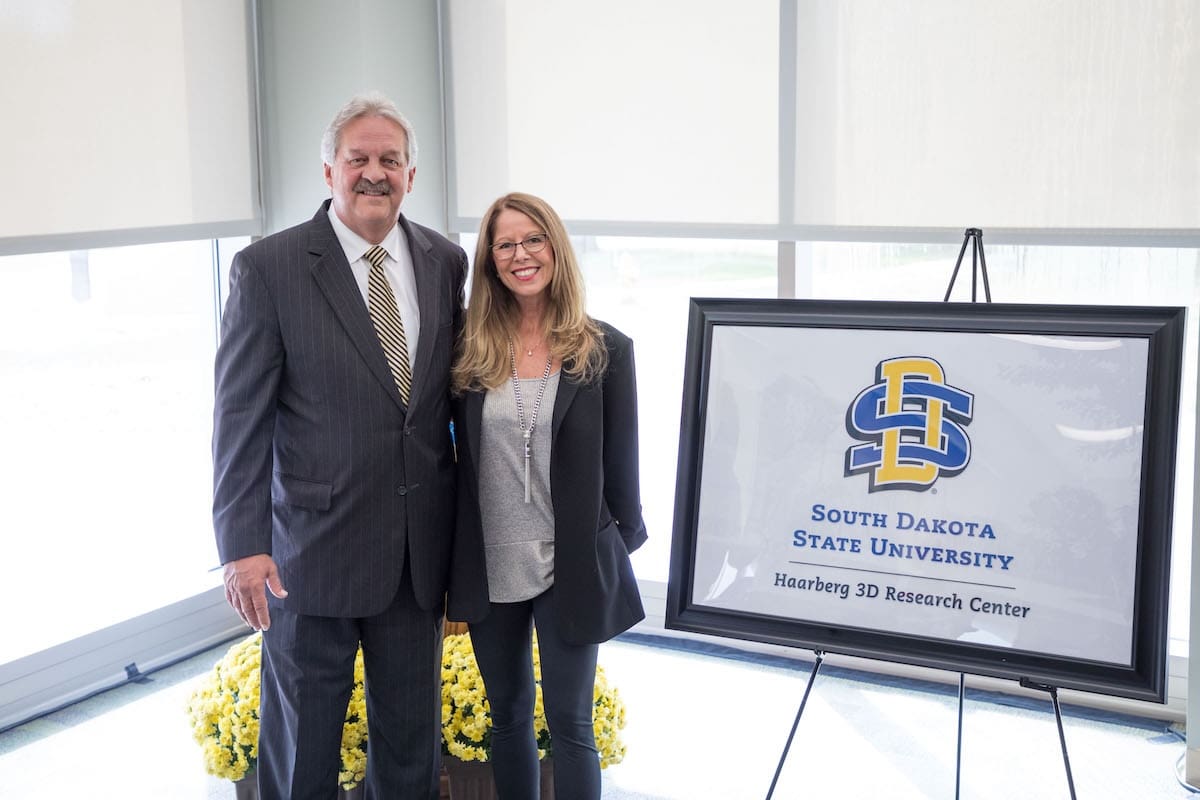
“The Haarbergs had personal experiences with cancer and wanted to invest in research, development and better medical technology,” said Josh Reineke, associate professor and the research center’s co-director.
“As research centers go, it’s still pretty new, and we’re excited about where it can go.”
Already, the accomplishments are adding up:
- $10.3 million in research funded.
- Four companies formed with support from the center.
- 1 SBIR grant received and five applications made.
- 32 peer-reviewed research articles published.
- 10 new patents completed.
“We’re really looking for projects that already existed and had a translational focus where we could help get their technology transferred, which can be quite difficult in the medical space,” Reineke said. “There are a lot of barriers, but we’re also helping researchers think about how they might be able to leverage their expertise to create new projects with translational potential.”
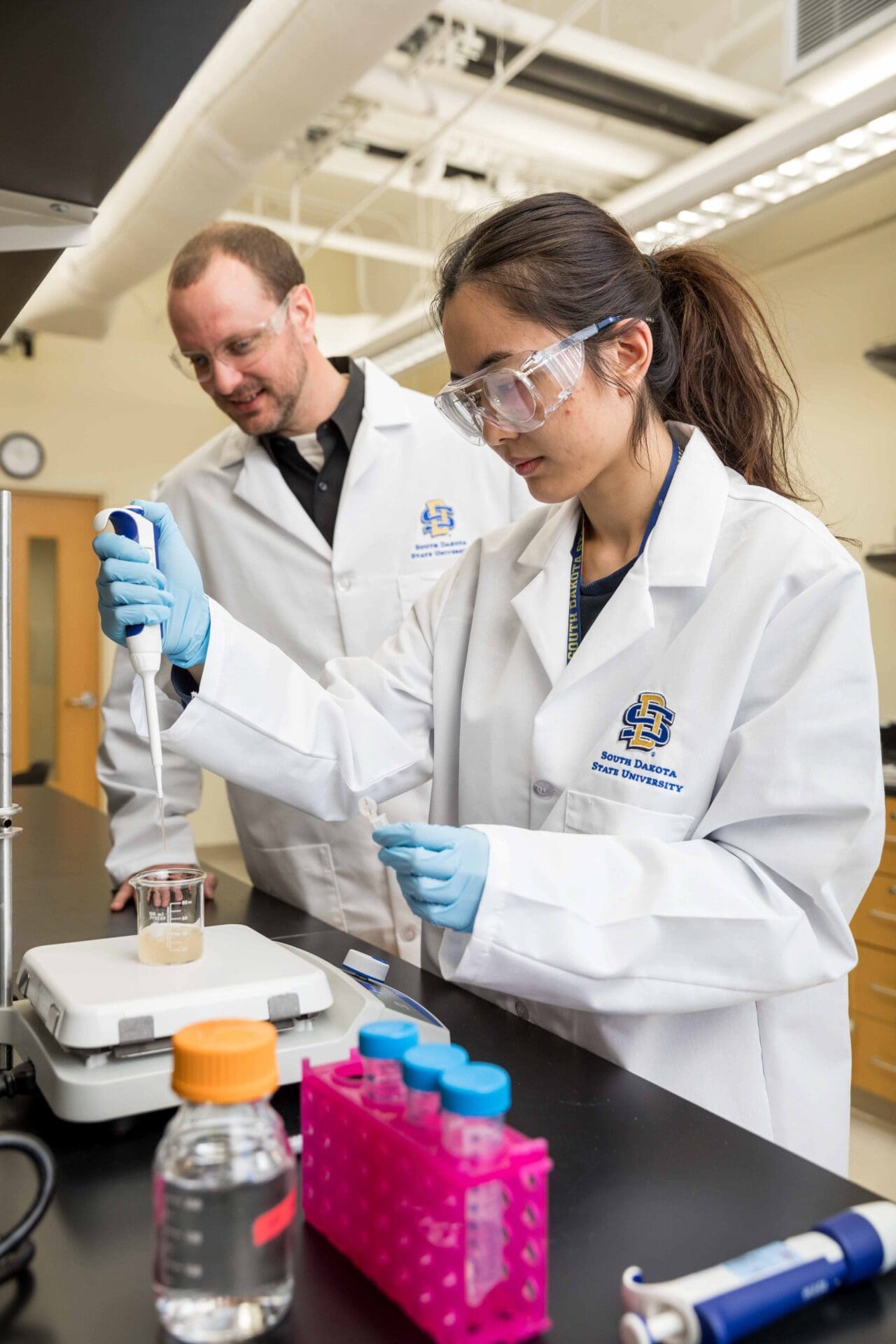
The center also works closely with SoDak Solutions, a consulting service focused on assisting in the navigation from early-stage research to product development.
In four years, the Haarberg 3D Center has supported or is supporting 21 research projects, including one led by an investigator at the University of South Dakota involving a new treatment for colorectal cancer, a project based at South Dakota Mines to detect cancer from biospecimens and research through SDSU for an mRNA vaccine for melanoma.
By increasingly focusing on research involving existing approved drugs, “we’re looking at repurposing drugs that could have other applications,” Reineke said.
“There are a lot of therapeutics on the market being used as antibiotics that could have anti-cancer effects, and the value is they’ve already established a safety profile in a human patient, so the pathway to a product while still very resource-intensive could be much shorter.”
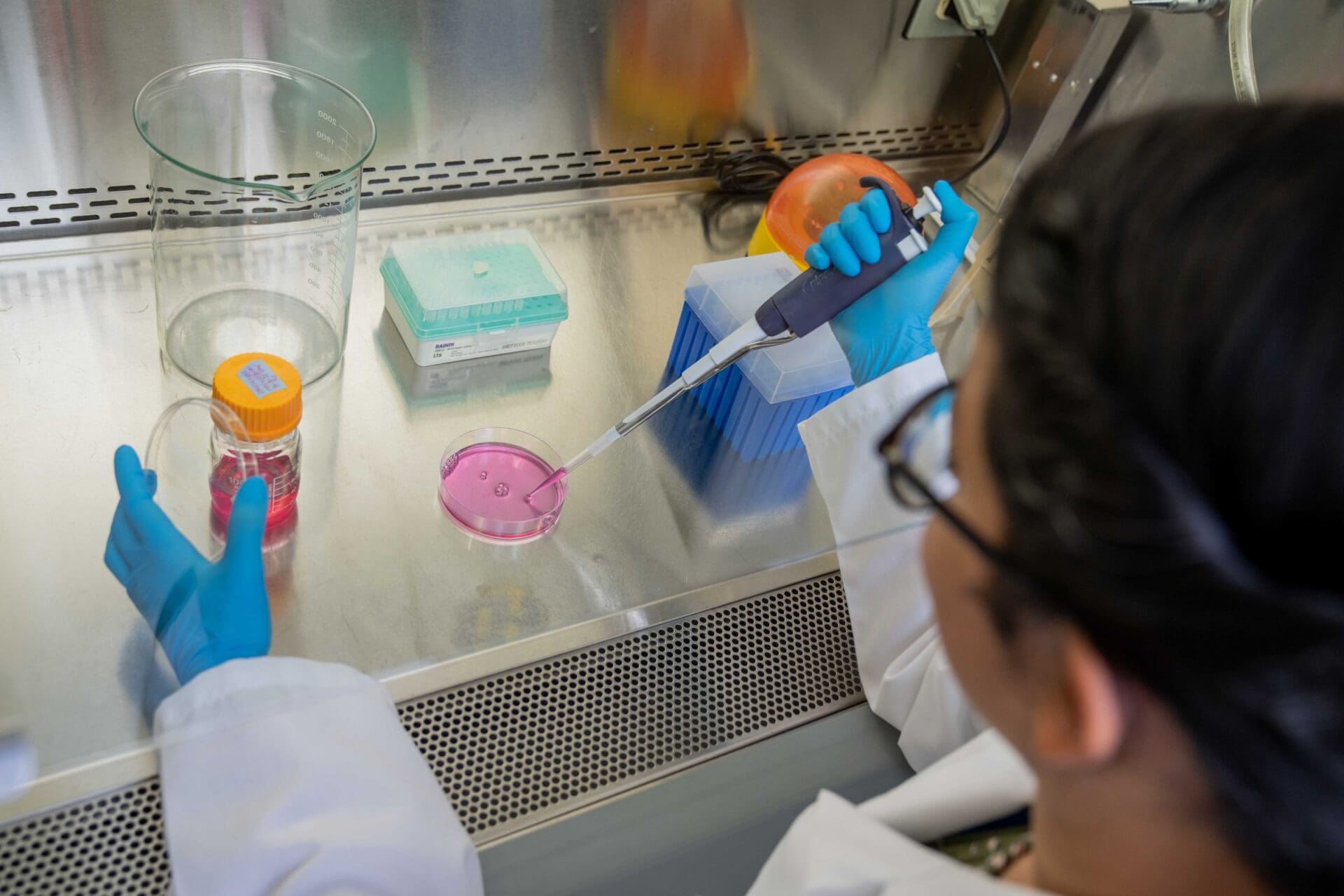
One of the unique elements about the 3D Research Center is how it’s blending scientific research with business acumen. Craig Silvernagel, associate professor of entrepreneurship and innovation management, now serves as a co-director.
“We began by partnering on a one-day workshop about how to translate something being developed in the lab to ultimately reach the marketplace where it can improve the human condition,” Silvernagel said. “Josh then reached out to me about further collaborating to bring together people with business development and startup backgrounds with folks who have science and technology skills.”
Leadership from both departments supported the idea, “and all of a sudden, we’re bringing together students from these different disciplines to work on projects together,” Silvernagel said.
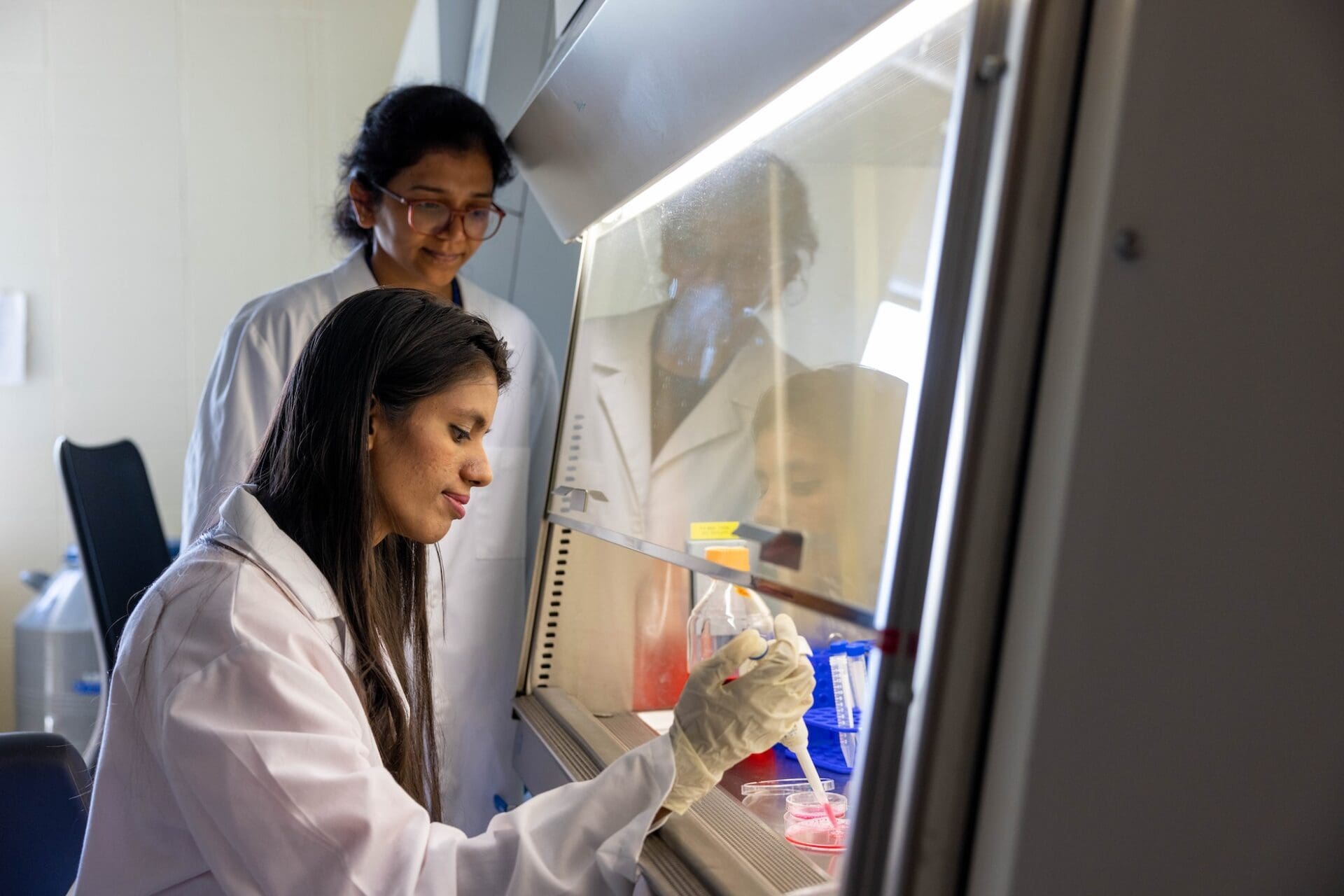
“It’s terrific experience for those on both sides — for folks in engineering and biomedical fields to better understand business or entrepreneurial skills and for business students to understand what happens in a lab and what engineers do.”
Researchers already are finding ways to pursue new markets for their work. For instance, researchers at SDSU developed a topical treatment that offsets chemical warfare and contamination on the skin. Through work with SoDak Solutions, “they were introduced to a partner interested in it for decontaminating military equipment,” Silvernagel said. “That’s a great example of a pivot that shorted the pathway to translation that wouldn’t have emerged without a partnership.”
Kevin and Lorie Haarberg have been key partners of SDSU’s department of pharmaceutical sciences since 2010 and have a planned gift of an additional $10 million for the center, ensuring continued success of Haarberg 3D Center work.
The center’s leaders have been making new efforts to share their message, including speaking recently at Startup Sioux Falls.
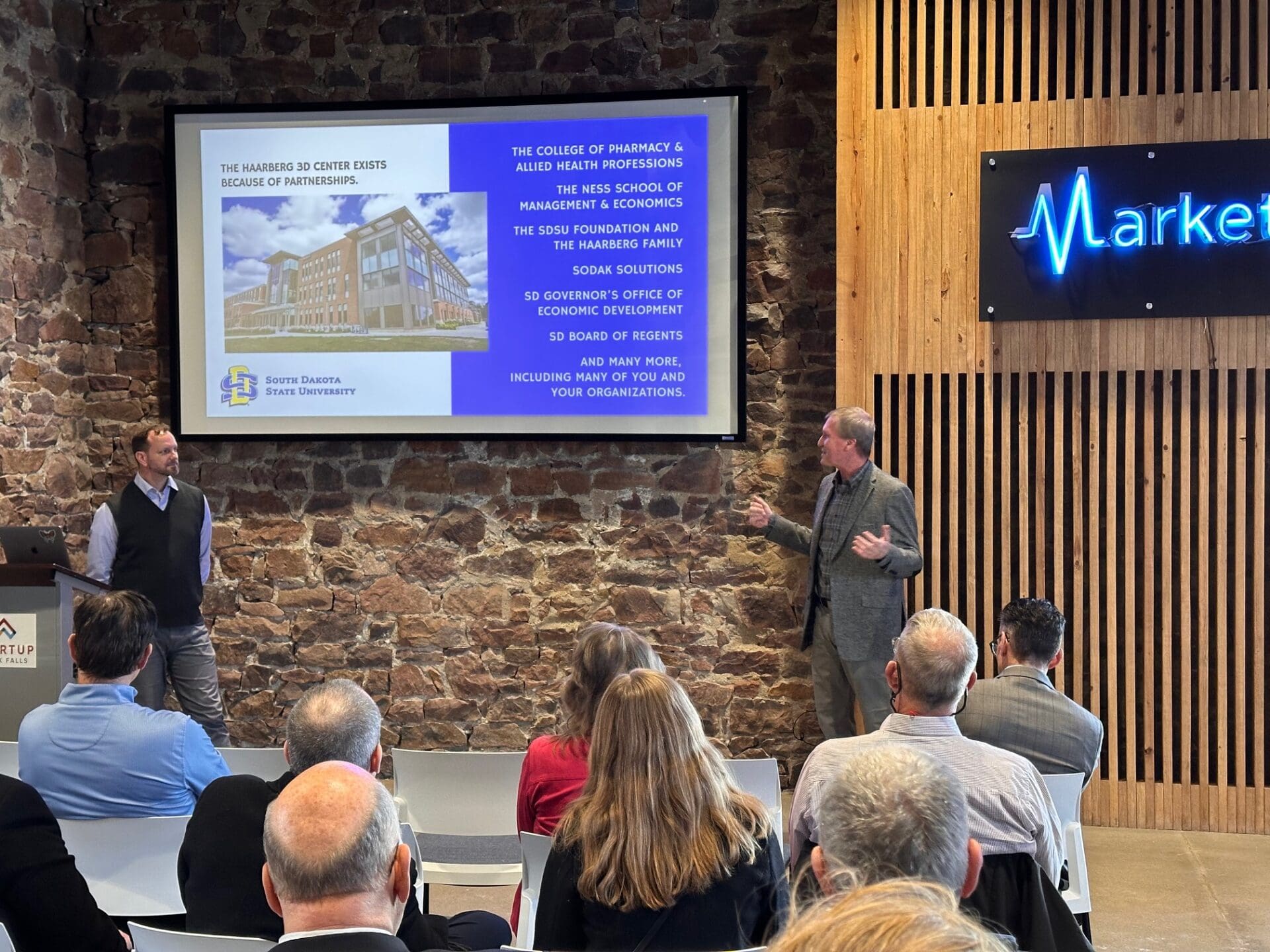
“We’re now looking to identify partners, clinical partners, financing and economic partners, as well as future philanthropic partners,” Reineke said. “It’s broad, but we’re looking for people who have similar objectives that might have synergy with our activities.”
The 3D Research Center paid for eight students to attend the annual South Dakota Biotech Summit and regularly connects with the state’s industry association.
“The work that’s happened in this research center is exciting for our entire state,” South Dakota Biotech executive director Joni Ekstrum said. “The partnerships that already are forming, including between the scientific and business communities, is exactly what it will take for South Dakota to begin to establish itself as a place where research is supported and innovation can find a path to market.”
At the center, “we don’t try to predetermine or presume what a partnership might look like,” Silvernagel said. “We want to let folks know our vision and see how they think we can create value together.”