Workforce summit to highlight evolving role of managers
Sept. 22, 2025
This piece is sponsored by the Sioux Falls Development Foundation.
There’s likely an element you’re overlooking in your workforce strategy: managers.
“Managers are the most overloaded, under-trained layer in most companies,” said Christina Cota, founder of Cota Coaching and Consulting.
“Invest in them, and you’ll see ripple effects across culture, retention and results.”
She will be one of many presenters highlighting workforce success strategies at the upcoming WIN in Workforce Summit presented by the Sioux Falls Development Foundation.
Cota launched her business in 2020 and has grown it steadily by helping build people strategies and HR systems that are human-centered in addition to being compliant.
“I saw a very real need across small to midsized companies for personal, practical, legally sound HR infrastructure that actually supports people and performance,” she said. “We walk alongside our clients to help solve ‘people’ problems and deliver ‘plug-and-play’ HR process blueprints — everything from custom handbooks and compensation reviews to onboarding flows and manager training. Our work frees internal teams from paperwork so they can focus on culture, leadership and strategy.”
The WIN in Workforce Summit will be from 9 a.m. to 3 p.m. Oct. 23, with networking events before and after the event, at a new venue: the Canopy by Hilton in downtown Sioux Falls.
The day will feature 10 impactful sessions highlighting local leadership, businesses and best practices.
For a full agenda and to register, visit here.
“We’re excited to feature experts like Christina who can open your eyes to workforce needs and strategies you might need but be overlooking,” said Denise Guzzetta, vice president of talent and workforce development for the Sioux Falls Development Foundation.
We caught up with Cota to preview the insights she will be sharing at the WIN in Workforce Summit.
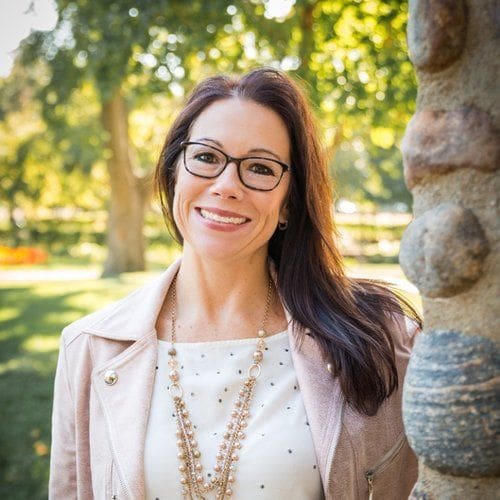
Your session talks about the evolving role of managers. What are some key ways you’ve noticed this occurring in the workplace?
The manager role has fundamentally changed. Today, managers are shaping company culture and the employee experience in real time. One big shift is the expectation that managers now handle more people dynamics that used to fall to HR. That means addressing conflict early, navigating mental health needs and having real conversations about growth, equity and expectations.
The manager is key to employee engagement and retention. People don’t stay for pingpong tables — they stay for leaders who coach, recognize and challenge them. The best managers now operate like mini talent developers. That’s a huge mindset shift from the old command-and-control model.
Are there some new or enhanced skills that managers need to build in order to be effective given what’s now being asked of them?
One big one is emotional intelligence. This is the foundation. The ability to read a room, regulate your own reactions and respond with empathy is what separates managers who escalate issues from those who solve them. It’s not soft — it’s strategic.
Coaching over controlling. Employees want more than assignments — they want to grow. That means managers need to shift from just giving orders to asking great questions, offering feedback and creating development moments in everyday work.
What advice do you have for senior leadership as they try to set new expectations and scopes of work for managers?
So often, companies promote really great individual contributors into managers without properly equipping them to perform the role. Start by getting crystal clear on what you’re asking managers to own — and then match that with the support they’ll need to deliver. Too often, we raise expectations without redesigning the tools, training or time that managers actually have.
My advice: Treat manager enablement like a business initiative, not an afterthought. That means:
- Clarifying scope. Are managers responsible for retention? Performance? Coaching? Compliance? Spell it out.
- Building the middle. Managers need access to real-time training, not just once-a-year workshops. Think playbooks, peer forums and just-in-time scripts for tough conversations.
- Modeling from the top. If execs aren’t walking the talk — communicating clearly, giving feedback and documenting decisions — it’s unrealistic to expect it from the layers below.
What would you say to someone considering attending the WIN in Workforce Summit? What has your experience been attending this event previously?
There are so many opportunities to learn from others at this event. Soak it all in, and then pick one or two things that you want to implement.
Annual WIN in Workforce Summit to help navigate new workplace reality