Avera’s NICU: Supporting, empowering families
June 4, 2025
This piece is sponsored by Avera Health.
As Avera’s neonatal intensive care unit patient population continues to grow, so does the complexity of patients – more medically complicated mothers and babies experiencing a greater number of health issues.
Avera’s NICU addresses these complex health needs by offering compassionate, family-centered care delivered via innovative technology and intentional design.
This strong hub of women’s and children’s specialty care in Sioux Falls and the network of expertise and services that branch out across the health system make Avera uniquely equipped to care for the smallest and sickest babies in our region – babies as early as 22 weeks gestation and weighing about 1 pound.
At Avera, everything from the NICU’s physical space to the care provided by physicians, nurses, case managers and translators uses a whole-family approach, recognizing that one person being sick affects everyone in their circle.
“Even though the child is your patient, you’re treating the whole family,” said Dr. Katherine Wang, Avera neonatologist and clinical vice president of the women’s and children’s service line.
This understanding is reflected in the department’s design. Avera supports families in the NICU by offering accommodations such as single-family rooms with pullout beds so parents can stay close to their baby during their stay. Amenities like laundry services help families feel more at home and maintain routine and normalcy.
Avera’s NICU also was designed so there isn’t as much noise in the room, which helps make families’ stays less overwhelming.
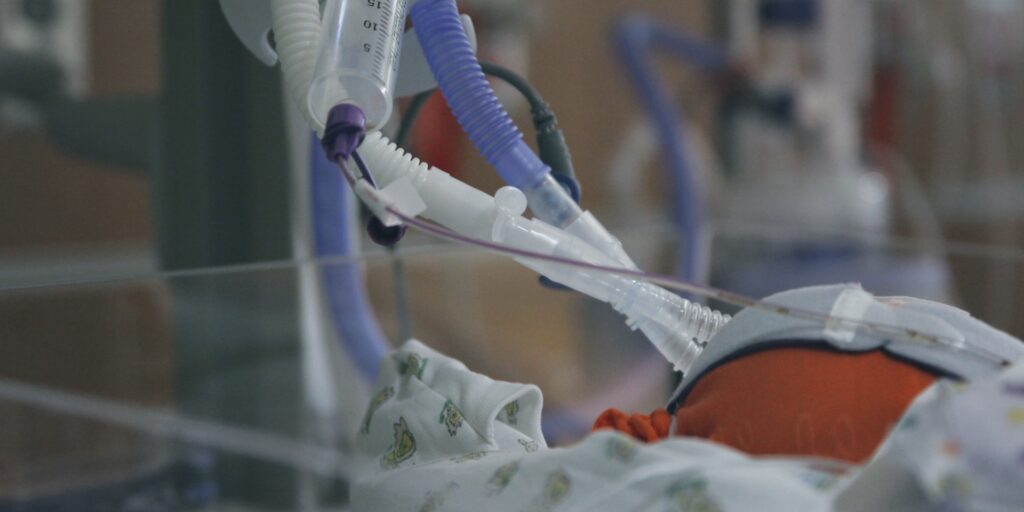
“All of this helps with the baby’s care and gets parents engaged from the beginning and not so scared of the wires and beeps and bells and whistles,” Wang said.
Avera’s neonatologists use the latest technology and resources to facilitate the best outcomes possible, including the following:
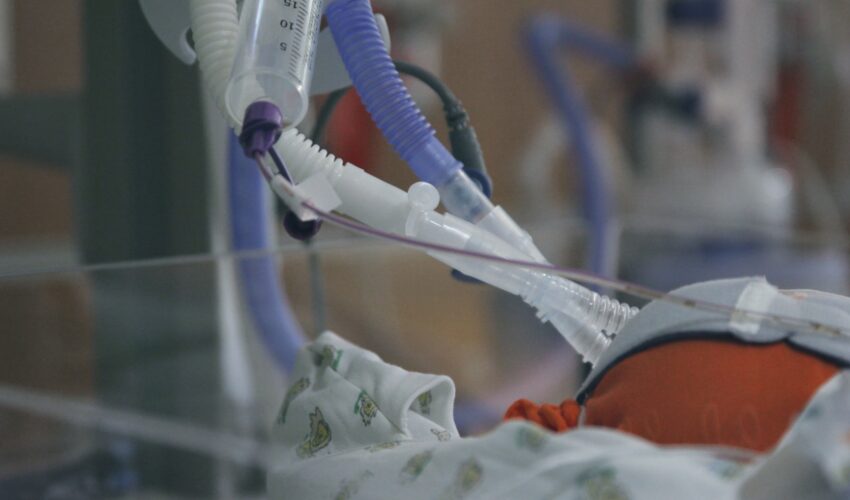
- Advanced imaging and respiratory support such as ventilators.
- Bedside laboratory testing.
- Hemodynamic monitoring.
- Neonatal surgery.
- Pediatric subspecialists.
- Specialized developmental supports and specialized beds for preterm infants.
- Specialized NICU high-risk and premature deliveries.
- Therapeutic hypothermia when necessary.
Systems are in place to ensure that baby’s temperature and breathing are normal and that the team is alerted to changes at their station. In some cases, even moving an infant can cause distress, so bedside lab testing also is important.
Offering this highly specialized care in Sioux Falls means families do not have to travel to Minneapolis, Denver or Omaha.
“Baby is boss in our world,” Wang said. “Realizing how much of life is beholden to a patient’s care schedule, if we can do it here without the family having to travel to the next state over — that’s what we’ve done over the past 10 years is build up those services.”
The nature of NICU care is that no one expects to need it.
“Adults can tell when they might need to be in the hospital or need a surgery — it’s something that’s planned or on the horizon,” Wang said. “With the NICU, it’s unplanned. It’s abrupt. It completely interrupts your life.”
Avera’s innovative care delivery ranges from telemedicine for services like eNICU to virtual consultations from pediatric intensivists and neonatologists available at local hospitals.
“Even when a doctor is delivering a baby at 2 a.m. in the most rural hospital in our footprint, they’re just a phone call away from a NICU doctor. They’re just a phone call away from a maternal fetal medicine specialist,” said Dr. Mara Hermiston, chief medical officer for Avera Medical Group. “That care is never far, and it’s always accessible.”
These innovations promote peace of mind and cut down on hospital visits, keeping families close to their homes and support systems.
While the preference is to care for patients locally whenever possible, the decision about where to provide care is guided largely by the future needs of mothers and their babies. Maternal-fetal medicine experts train rural hospital staff to do some high-risk ultrasounds so women don’t have to travel weekly before they might have an early baby.
“The concern is not what does the patient need now, but what do she and her baby need four hours from now? And can we get you to the right place, or are we going to do fine where we are?” Wang said.
In instances when care must be moved to another facility, the continuous communication among rural clinics, community hospitals and the large referral medical center is seamlessly maintained by highly experienced Careflight emergency air transport teams.
“When my NICU team goes, we send a neonatal nurse practitioner and NICU nurse, and they work with the core team nurse,” Wang said. “When they come to pick up your family member, they’re ready to go. They know what they’re doing.”
The construction of a women’s and children’s tower on the Avera McKennan campus in central Sioux Falls will mean growth and greater synergy for the high-level NICU care Avera already provides.
“While the women’s and children’s hospital is currently under construction, our service line is already in full effect,” Wang said. “We’ve got the programs, specialties and expertise and are already doing the care now.”
Learn more about Avera pregnancy and birthing services.