S.D. advantage in potential TikTok deal could blend cyber skills with data centers
June 9, 2025
The Wyoming investor hoping to become the U.S.-based owner of the company behind social media platform TikTok left South Dakota recently with an eye-opening look at what the state could offer.
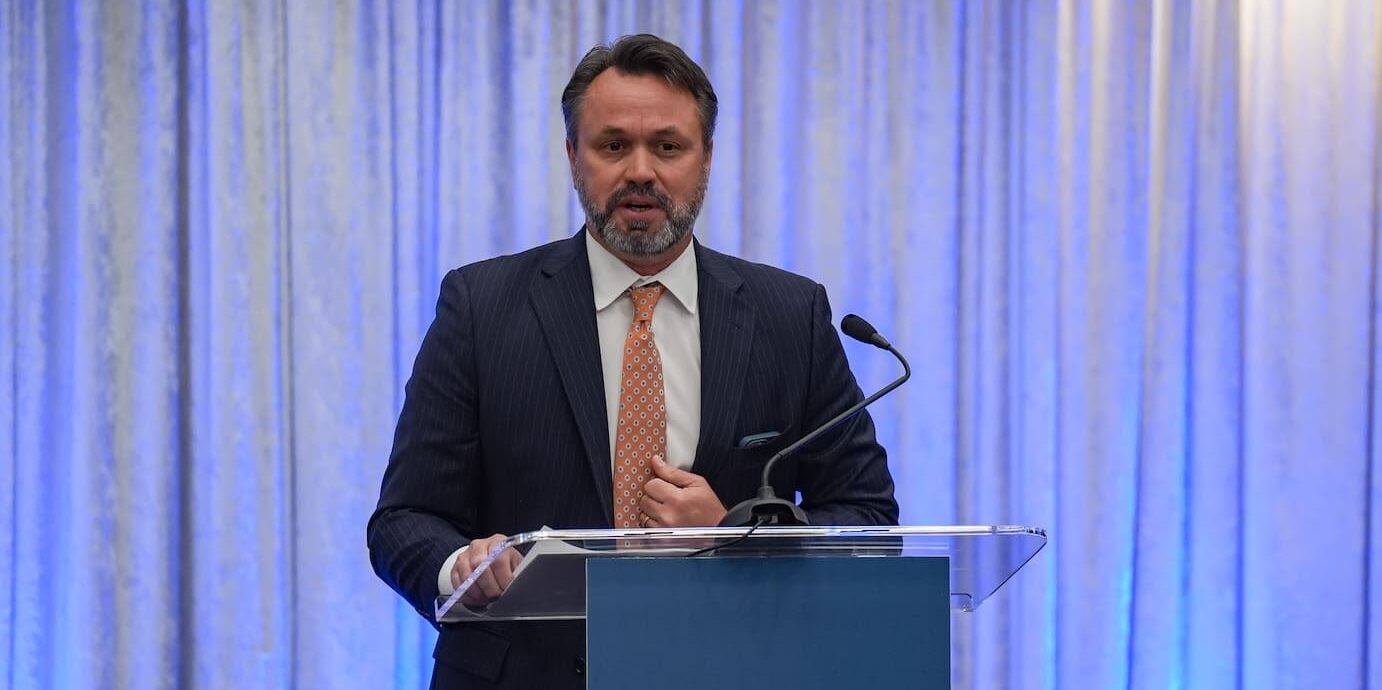
Reid Rasner has put together an investment group bidding more than $47 billion for ownership of ByteDance in the U.S. The Trump administration has told the China-based company that it needs to sell its U.S. operation or its TikTok app will be banned in the country.
“I’ve had positive communication with ByteDance. I think they’re willing to sell,” Rasner said. “I think President Trump is willing to sign off on the deal. We’re waiting on China to allow ByteDance to sell … and there’s not much we can do.”
The deadline for a sale is set for June 19 but could be extended by President Donald Trump. Rasner has said he thinks that his group’s bid is $20 billion higher than the next closest offer and allows ByteDance to retain a 20 percent ownership stake.
“I’m optimistic we’re going to have something done by then, but I can’t promise it,” Rasner said.
In the meantime, he has been looking at various places the company would do business domestically, which led him to visit South Dakota in late May on a tour with Gov. Larry Rhoden.
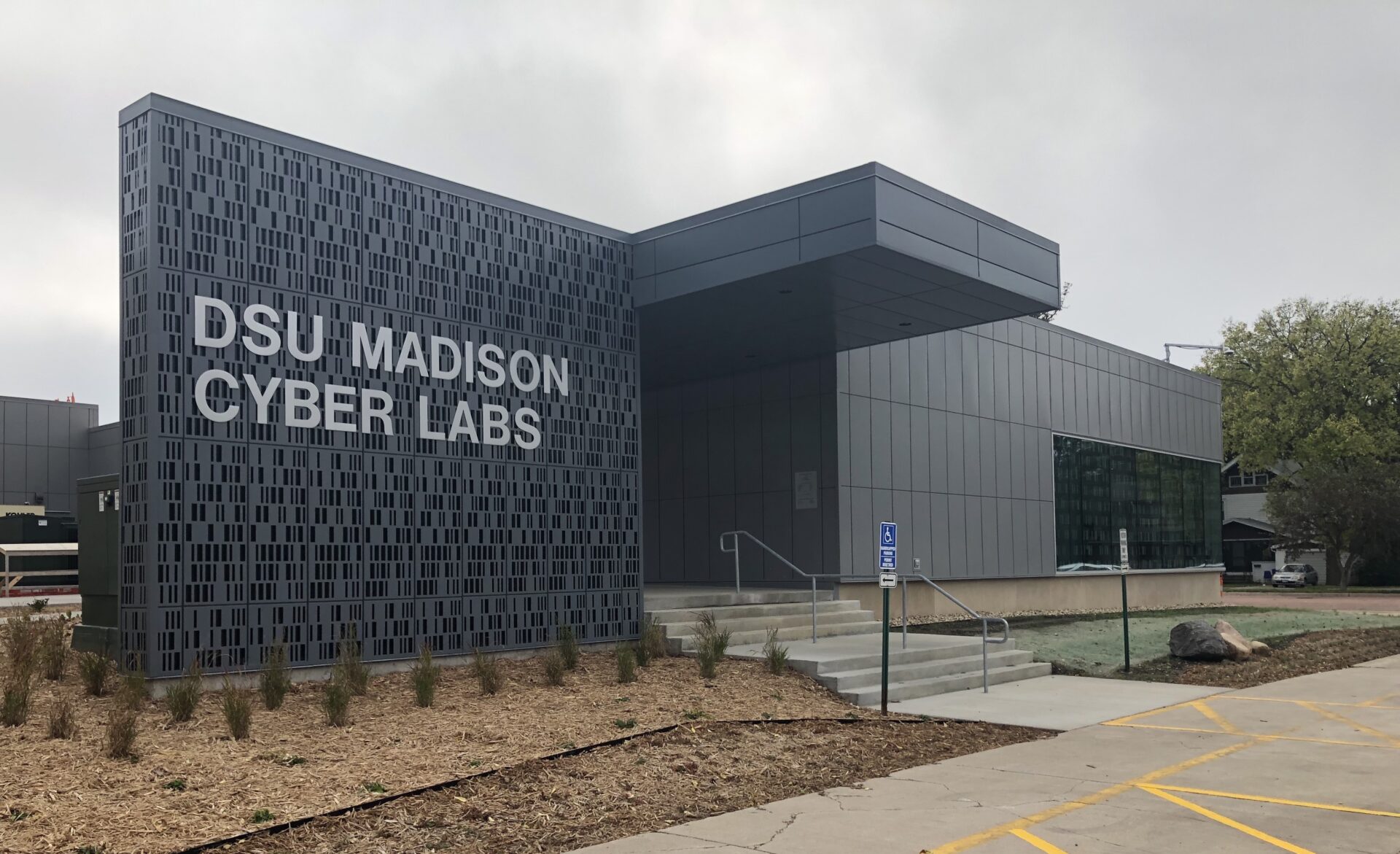
The first stop was Dakota State University in Madison, where Rasner toured the Madison Cyber Labs, or MadLabs, one of the only cyber research facilities of its kind in the nation.
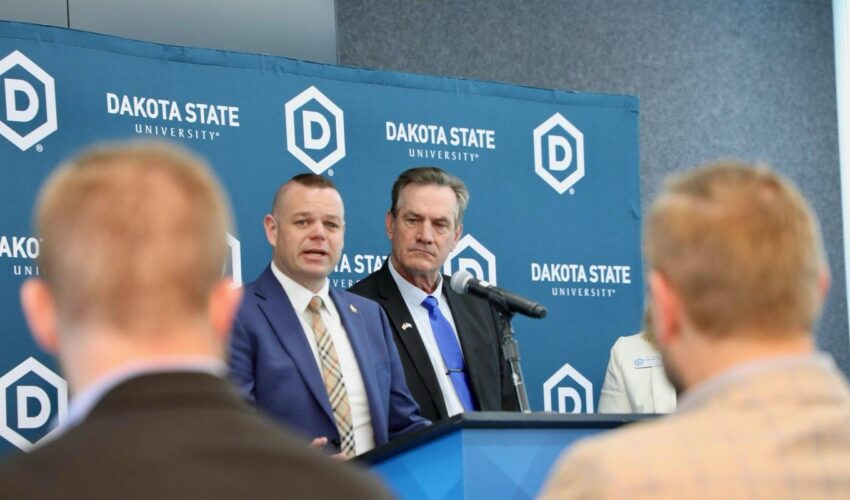
“I think he was very impressed not only by what we were able to show but what we said we had done,” DSU President José-Marie Griffiths said.
Research teams at DSU already have analyzed platforms such as TikTok, the messaging app and social platform Discord and artificial intelligence company DeepSeek.
“He was very, very interested in some of those analyses,” Griffiths said. “We basically tested what’s being communicated in and out, how often and got a sense then of how TikTok communicates information it gathers to external entities, and we gave that information to the governor’s office.”
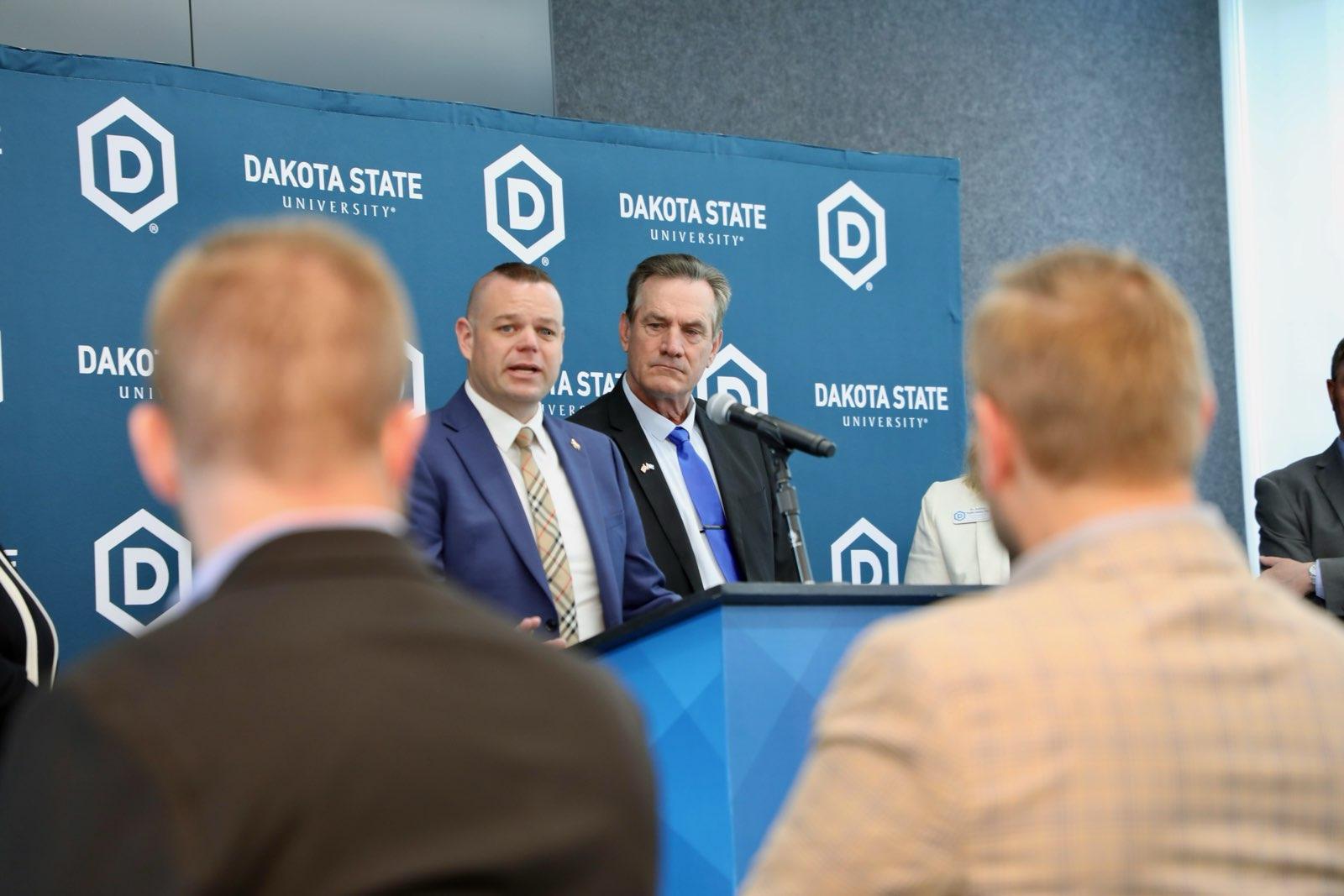
Such capabilities would be key not just for a platform’s security but also for developing functionality that would create a more protected version for young users, for instance, she said.
“He sees the future really as AI and quantum computing,” Griffiths said. “We’re just in the early days of quantum, but he seems really interested in all three disciplines we work in.”
Quantum computing essentially provides “super-fast computing” capabilities operating at subatomic levels, she said. DSU faculty are conducting research in the area, in part because while quantum will bring benefits through its computing firepower, it also will work against cybersecurity “because it can break encryption codes very, very easily,” she explained.
The combination of cyber skills plus favorable conditions for data centers and the state’s overall business-friendly environment adds up to a favorable situation for a growing tech company, Rhoden said.
“I have a lot of optimism about it, especially for South Dakota,” he said. “We positioned ourselves I think very well for a company like TikTok.”
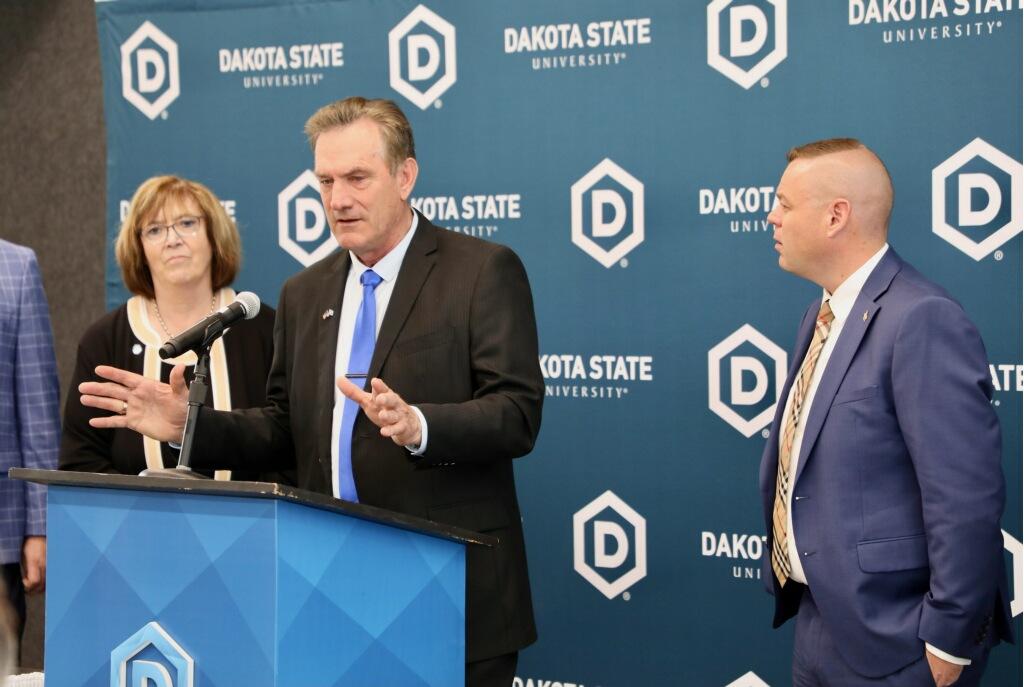
The visit “truly solidified our decision even further when we toured the campus and learned about their quantum computing capabilities and the public-private partnership we can have,” Rasner said. “Gov. Rhoden is a visionary and forward-thinking, so he’s looking way past five, 10, 20 years out into the future. I want to make sure South Dakota is taken care of.”
Assuming he’s able to complete a purchase, Rasner will have a lot of decisions to make about how a U.S.-based ByteDance will operate.
The company reports that it employs more than 7,000 people in the U.S., with a large presence in California.
“Pretty soon, our hub will be the Intermountain West. The entire thing will be ripped from California and put in the Intermountain West,” Rasner said. “We’re going to employ Americans and prioritize veteran-owned businesses through the hiring process. We’re going to make sure this is America first through and through.”
Rasner said he was compelled to pursue purchasing the operation “for digital sovereignty,” to protect users’ data and “to make a massive economic footprint,” he said. “That was truly the heart of the entire negotiation and the entire deal. We can make a big footprint with a lot of people.”
Rasner said operating TikTok would require several data centers in South Dakota to accommodate 170 million to 200 million users in America.
During the Sioux Falls visit, he and Rhoden toured both a potential new data center site as well as one operated by SDN Communications.
“We have a lot of advantages in South Dakota,” Rhoden said. “We produce a lot of energy — more per capita than any other state — and renewables, more than any state. And we’ve had a focus on technology. Cybersecurity and technology are going to be the next big business in South Dakota.”
Data centers also require a security plan, Griffiths said.
“There are security requirements, I would say both physical and cyber,” she said. “We’ve been talking data centers with the governor’s office and GOED (Governor’s Office of Economic Development) for two or three years now.”
Even if he doesn’t end up the new owner of ByteDance, Rasner said the plan is to deploy the “unbelievable amount of capital” that has been raised in some fashion.
“And we hope to continue our partnership with South Dakota most definitely,” he said. “I don’t think anything is off the table for South Dakota.”
That said, he has committed publicly to a presence for a new company in his home state of Wyoming and has expressed support for what many other states offer too.
“There’s a lot at play,” he acknowledges. “Everybody in the world is calling me right now.”