Filling the gap: Seasonal foreign workers play key role for area businesses
May 5, 2025
As a small startup, The Yard Barbers found plenty of early demand for its residential and commercial landscaping services.
But a few years after starting the business more than a decade ago, it became clear that labor would be a barrier to growth.
“It’s pretty challenging. The Sioux Falls market is very tough to recruit a lot of people in a short time,” said Brady Berke, who owns the business with his brothers, Bo and Blake. “So we looked into the H-2B visa program and what it had to offer and were like, wow, this is great.”
The H-2B visa program is administered through the U.S. Department of Labor as a way to help fill seasonal employment needs. Employers first obtain a temporary labor certificate from the department after demonstrating they cannot find sufficient U.S. workers to fill a temporary, nonagricultural job and that employing H-2B workers won’t negatively impact U.S. workers’ wages or conditions.
The H-2B workers must have an employment offer from a U.S. employer, possess the required skills and demonstrate an intent to return to their home country after their visa expires. Employers, in turn, must provide wages and working conditions that are at least as good as those offered to U.S. workers.
The Yard Barbers has been using the program since 2018.
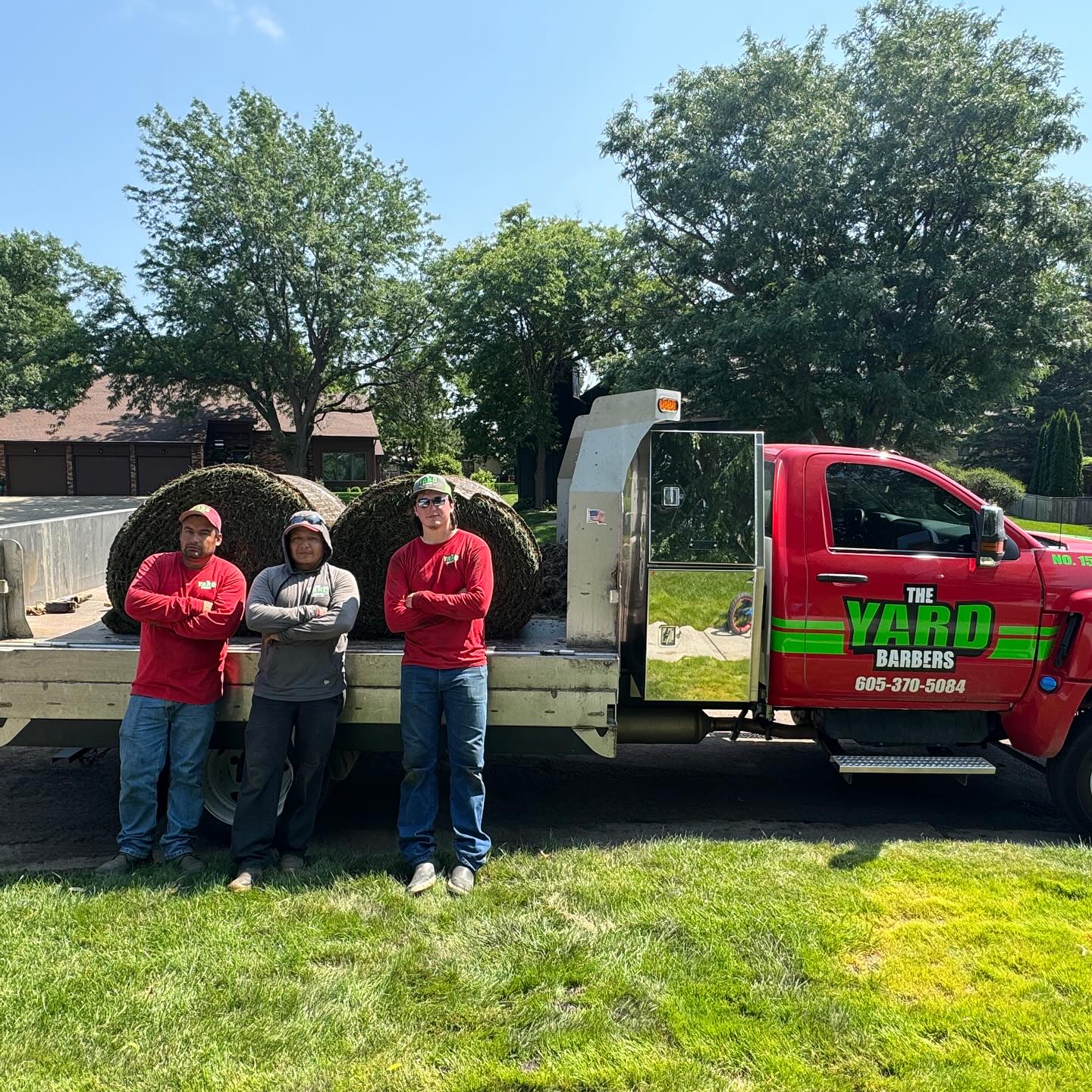
“We hired a company that does all the back-end work with the government, and they submit our application,” Berke said.
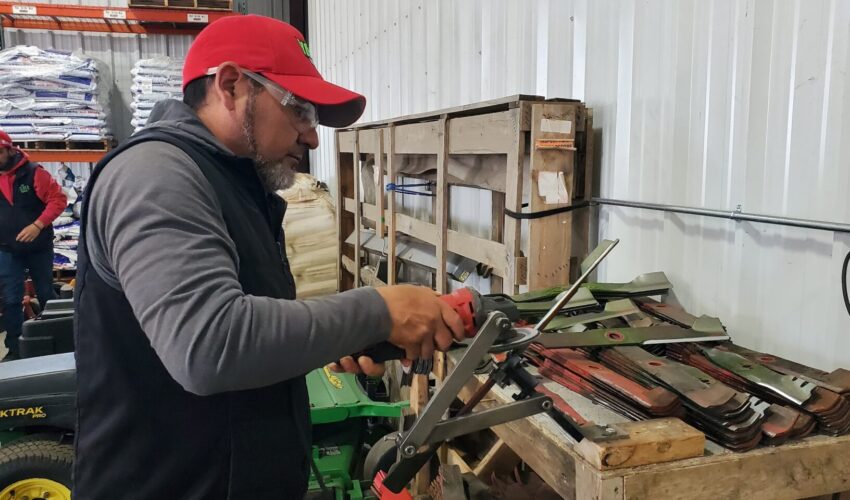
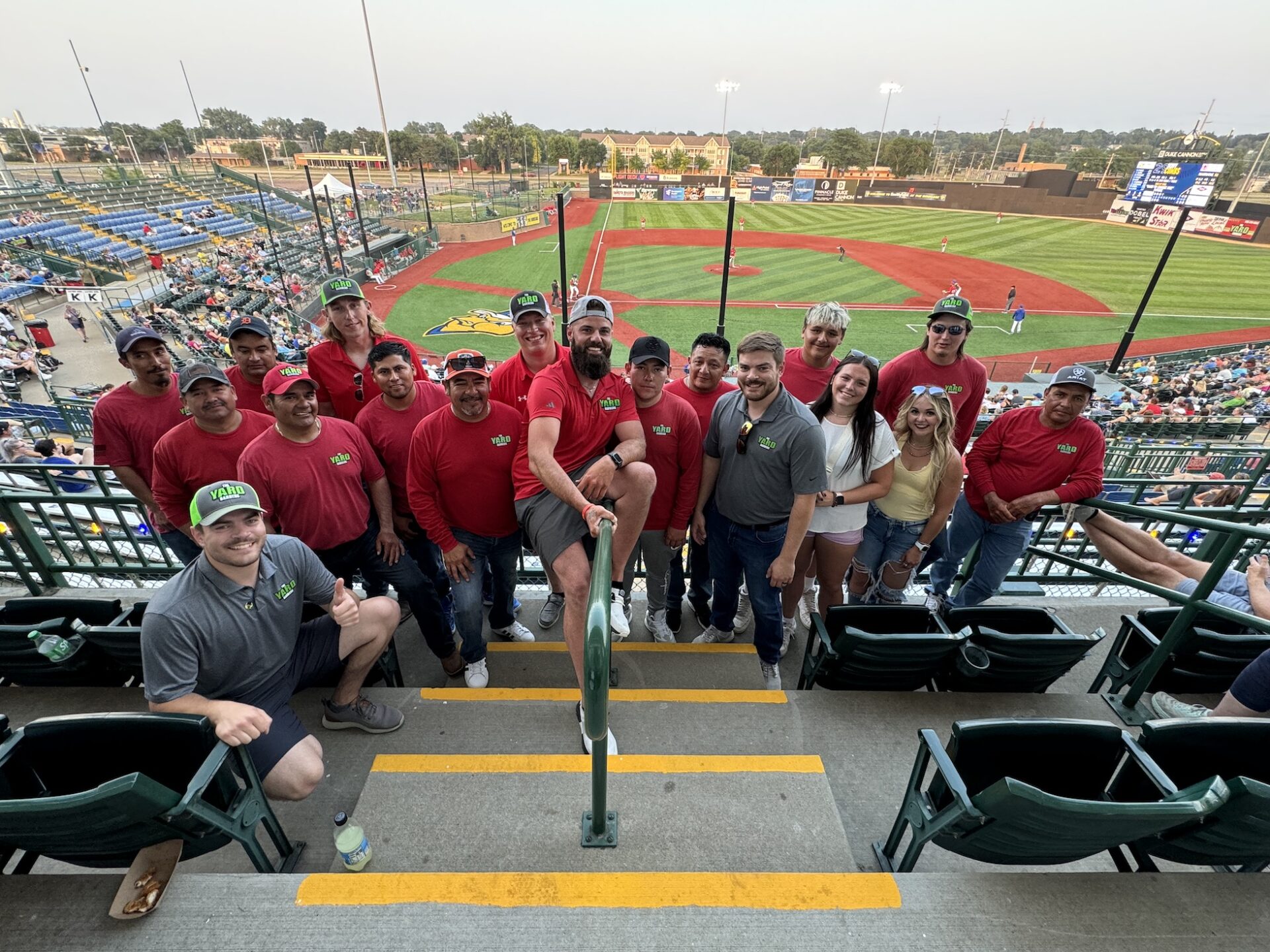
The company’s seasonal workforce this year includes 13 locally based workers and eight from Mexico through the visa program, who also have landscaping experience.
“They’re legal to work here. They’re legal to be here for their visa term, and they go out and eat at the Hispanic restaurants and go to the Hispanic grocery stores and mingle with our clients,” Berke said. “Some know very minimal English, but they take the time and download an app called Duolingo and learn from that.”
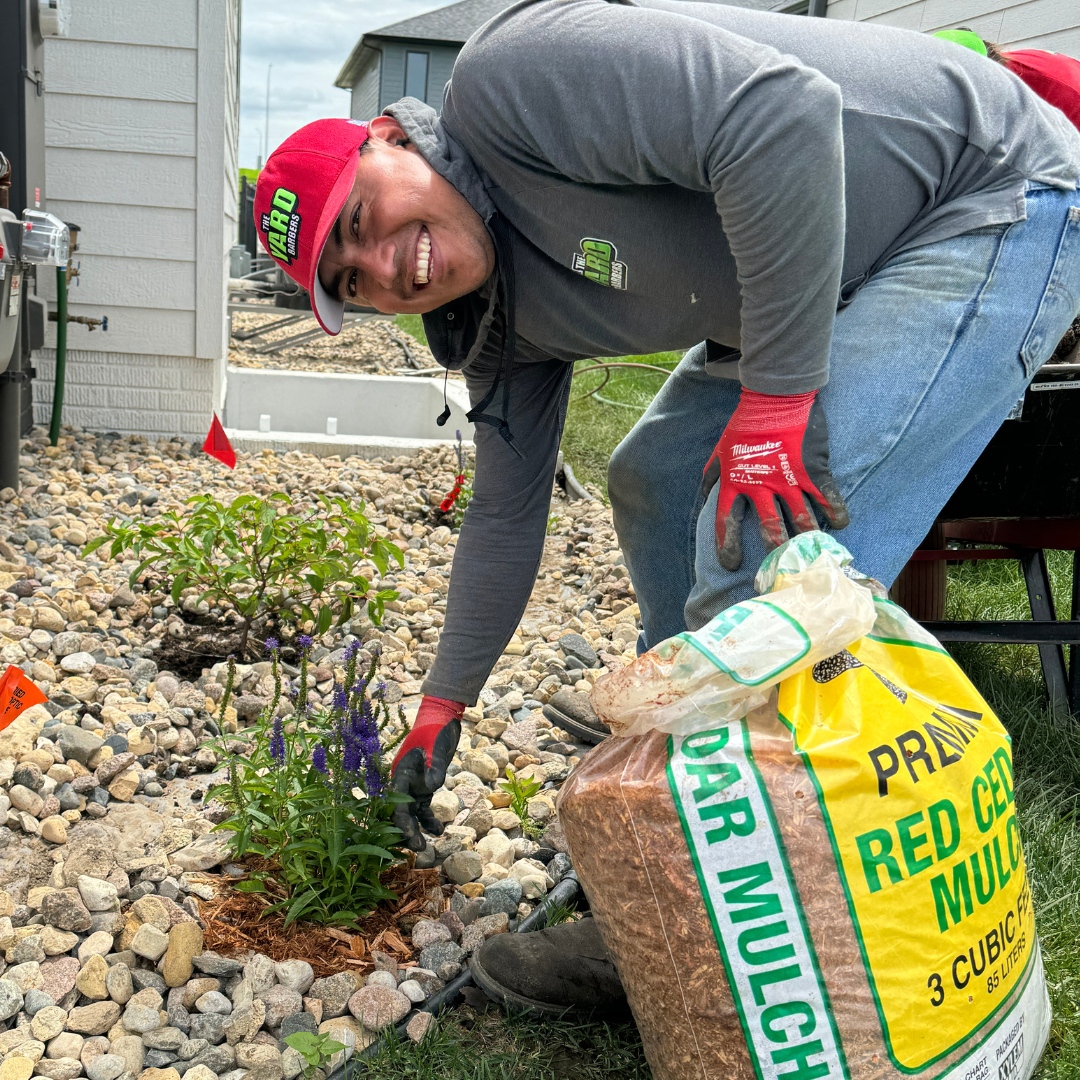
The company helps connect its workers with fully furnished apartments and provides a vehicle for transportation to and from work.
“They just have to pay the rent and for fuel and insurance on the vehicle, but that’s how we support them, and they really appreciate it because they’re coming to a new area,” Berke said.
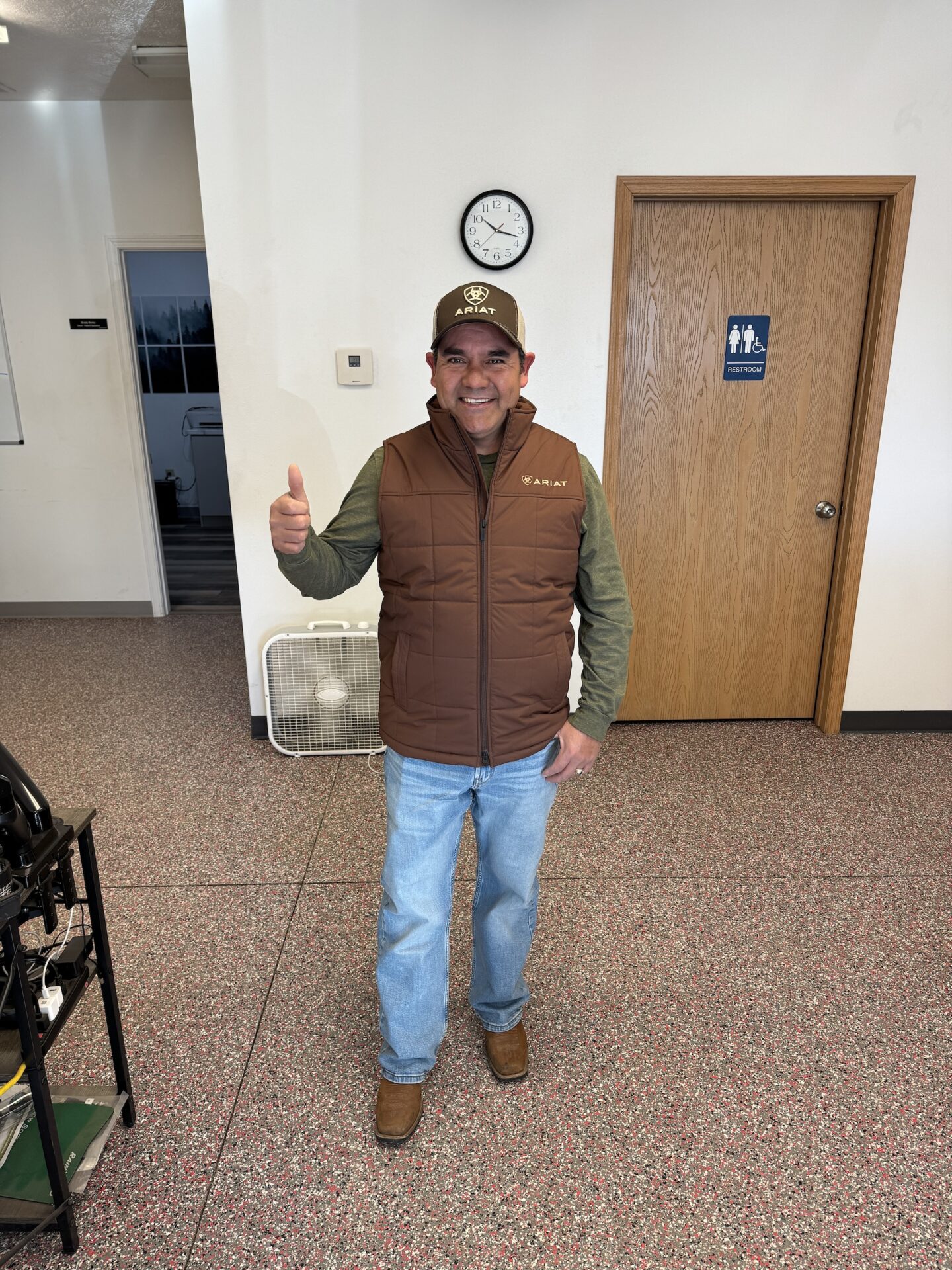
Rodrigo Luna Fragoso, 46, was one of the first H-2B visa workers to arrive at The Yard Barbers in 2019. He’s from a town two hours south of Mexico City.
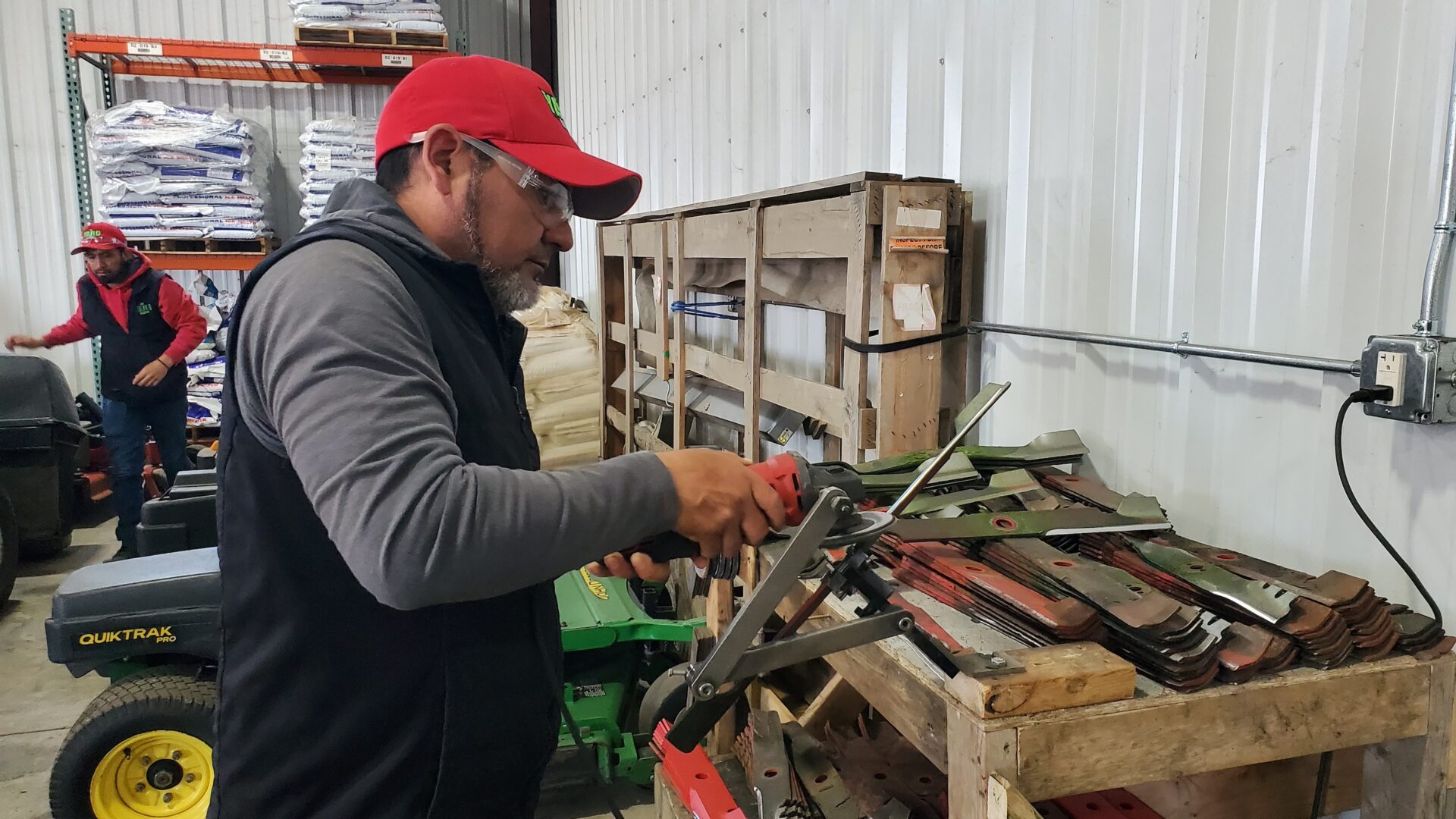
“I took this job when I was still in Mexico. A lot of people don’t have houses, so we try to come here and work to do jobs and make some money to try to build a house and give the family a better life,” he said. “So we try to work here, and I like Yard Barbers because my bosses are very, very good guys and very good friends, and they give me a lot of work. They’re happy with when I do my job, so I feel very comfortable with them.”
His work can include everything from irrigation jobs to fencing, mowing lawns and fall cleanup. In the past several years, he has earned enough not only to buy a house in Mexico but also to support education for his children. His son is working in farming, and his daughter wants to become a dentist.
“I feel very good, and I’m very appreciative of my bosses,” he said. “They help me a lot. They give me a hand when I need it.”
In turn, Fragoso has “done an amazing job,” Berke said. “He always makes sure the job is done correctly. We have clients who literally request Rodrigo and his crew to show up and do work because of how good the work is. He communicates and trains the guys, and he’s just an amazing team player and amazing father and husband because he’s providing an amazing life for his family at home and he’s doing a great job here for us.”
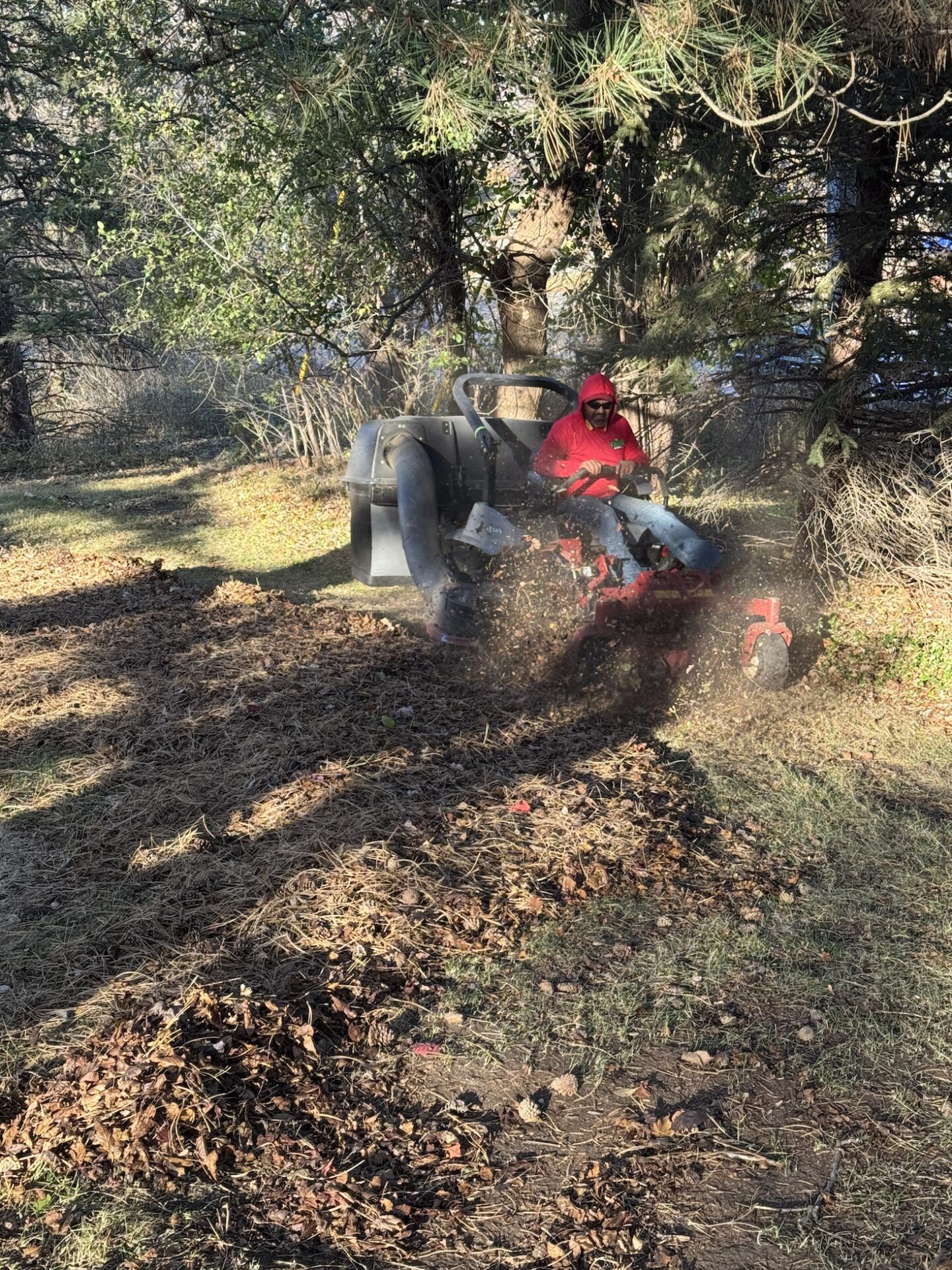
The relationship grew so positive that The Yard Barbers decided to help Fragoso with another dream: securing his green card.
“It’s massively difficult and very expensive. There’s a large investment to do so,” Berke said, adding that it has been more than five years, and the company now has reached final processing for three employee green cards.
“Once they get the green card, they can leave. They don’t have to stick with you,” he added. “You’re helping fund it because it’s a large up-front cost, but once they get it, they can bring their families and become members of the community. We’re very selective on who we bring in and who stays, and we foster our culture very well. We explain, you don’t need to stay with us. We want you to stay with us. And they said, ‘We don’t plan on going anywhere else.'”
Company values such as being customer-driven and valuing quality, honesty and knowledge are universal, Berke said. That has been the key in helping grow the business no matter where the workers were born.
“We’re all rowing in the same direction, and that’s what’s really accelerated our growth,” he said. “Everyone is on the same page with the same vision, and our growth over the last three years has been tremendous.”
Sioux Falls-based Journey Group began working with H-2B visa workers from Guatemala in 2022. This year, 16 will work for the season from that country, and one has started from Mexico after being referred by current employees.
A dozen of those workers also came last year and are back for another season, recruiter Meaghan John said.
“They’re more familiar with the culture here, with how we do things, with our work and safety guidelines,” she said. “As we’re growing as a company, we’re seeing more of a need in our labor department than ever, and our requests (for visa workers) are getting met.”
A few came with prior construction experience, and others have been trained entirely on the job, she said. But Journey Group’s involvement with the workers goes far beyond that, guiding them through being acclimated with a new place.
“We assist with securing housing, we provide transportation to and from the job site, we offer meals for their first few days with us, and we also help them by doing a grocery run so the first week they have some food, and we help them get set up with different essential services like internet.”
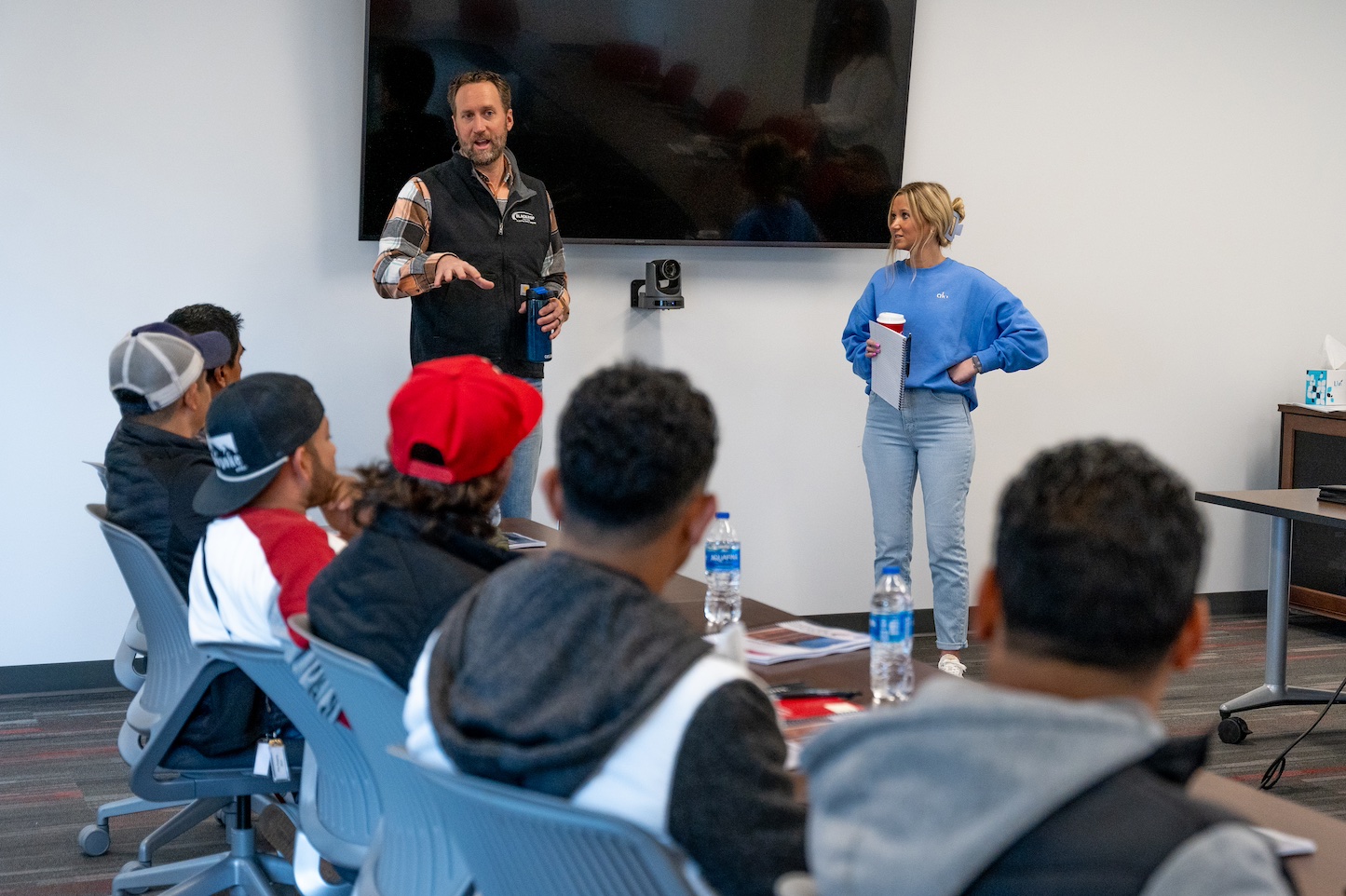
Employees often are matched with furnished apartments, and new hires are assisted with banking. They’re provided a voucher for boots like everyone on the team so they have proper footwear for the job.
“H-2B workers are pretty critical when it comes to helping us get work done,” John said. “They’re really hard workers. Our division leaders really support this program.”
There’s “quite a bit of demand” for the workers, said David Hansen, part of the client relations team for Labor Consultants International, which assists Journey Group with certification as it navigates the visa program.
“It’s a temporary foreign labor solution. It’s totally seasonally based, and you have to prove that seasonality to the Department of Labor.”
There are 66,000 federally authorized visas this year, with varying eligibility by country, Hansen said. Those are broken in half between two release dates: April 1 and Oct. 1. For the most recent release date, more than 150,000 visa workers were requested, Hansen said.
The government also allocated 64,716 additional visas, of which 44,716 are available only for returning workers who received an H-2B visa or were otherwise granted H-2B status in one of the past three fiscal years. The remaining 20,000 visas were set aside for nationals of El Salvador, Guatemala, Honduras, Haiti, Colombia, Ecuador and Costa Rica, who are exempt from the returning worker requirement.
A lottery system determines which companies are able to participate and to what extent. Once a cap is reached for a specific period, new H-2B petitions aren’t accepted for that time frame.
“The best way to describe it is like a faucet,” Hansen said. “The Department of Labor gets to control when the cap release faucet is turned on and shut off.”
So far, the Trump administration hasn’t made “a ton of changes” to the program, he said.
The Ramkota Companies also works with an agent who has contacts in countries legally approved for H-2B workers. The company’s hospitality industry employees typically have come from Jamaica, Mexico and South Africa.
“It’s a process. We have an agent, we have legal counsel, and it’s a very detailed process to get these people to come in to work for us and come into the United States,” CEO Josh Schmaltz said. “But I couldn’t do what I do without them.”
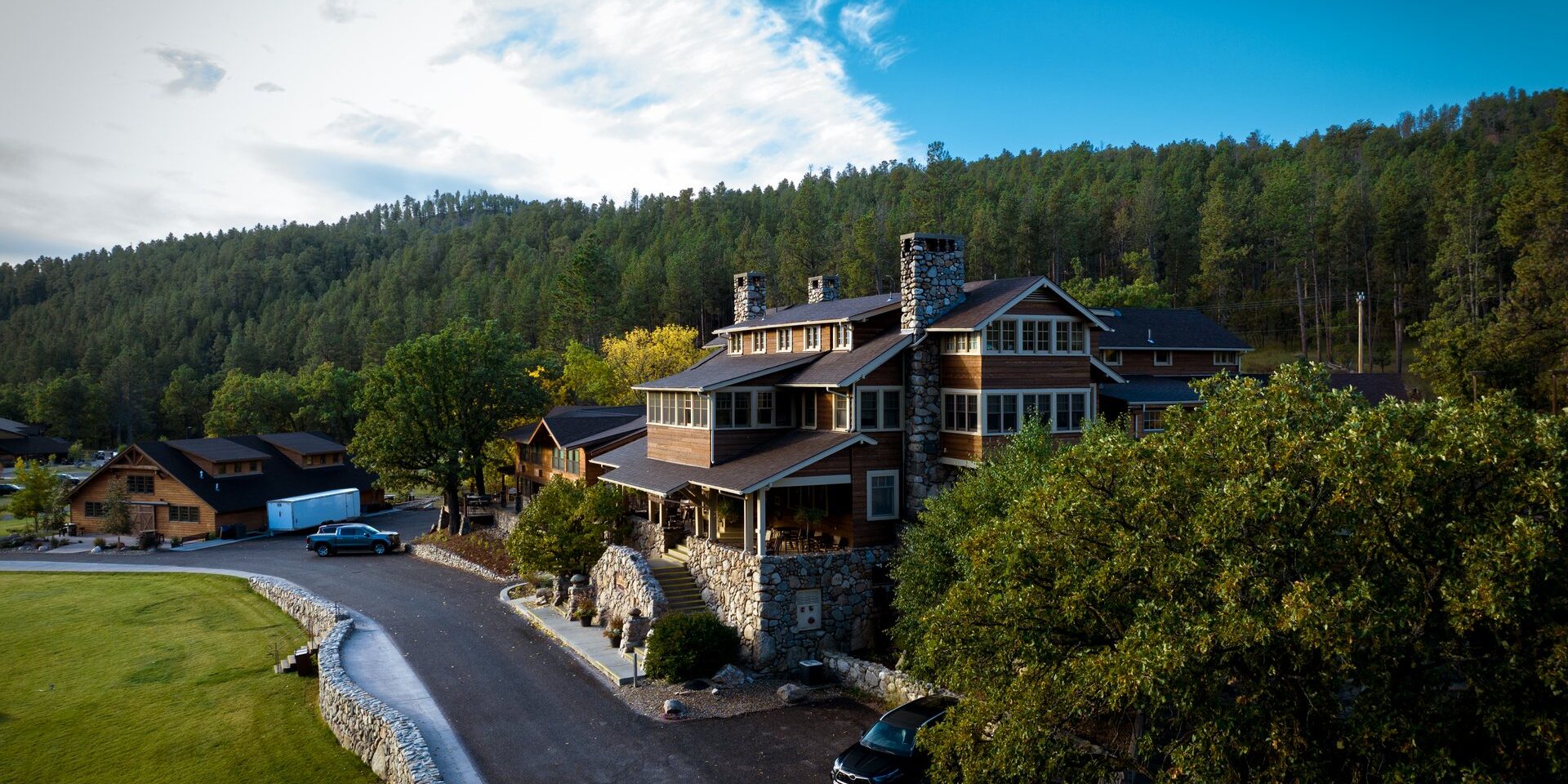
He estimates that the company has used the program for at least 18 years. Anywhere from 40 to 70 employees come seasonally to support work at Custer State Park, which is managed by Ramkota. The visa program allows them to be in the country for three years, and they can go from seasonal job to seasonal job, he said.
“They come to Custer and then go to Florida or Utah or Vermont — ski resorts and winter destination places,” he said. “And we bring them back the following summer.”
Ramkota places the employees in roles such as front desk staff, cooks and housekeeping. At Custer State Park, housing and meals are included in the compensation package.
“We feed them three meals a day, seven days a week, whether they work or not, and we do that for everybody, not just international workers,” Schmaltz said. “It’s pretty turnkey when they’ve been working for us for a couple years and come back the following summer and know where to go.”

While the company also recruits heavily domestically, the international workers are crucial in filling roles that otherwise wouldn’t be staffed, he said.
“It’s not for lack of effort,” he said.
Like Yard Barbers, Ramkota also at times has sponsored individuals to become permanent residents.
“But that is a five-year process,” Schmaltz said, estimating that it can cost employers $25,000 to $30,000. “And it’s a little bit of a crapshoot. You can’t force them to stay with you, so you just hope you make the right choice and put the right faith in the right people.”