Jodi’s Journal: Eight years in, media landscape requires more from publishers, consumers
March 16, 2025
It seemed appropriate on the week that I marked eight years in business that fate delivered me the chance to speak about the media industry with some of my fellow publishing entrepreneurs.
Several of us were invited to speak to the most recent group of Leadership South Dakota participants, which gave me a good reason to reflect not just on the past handful of years in media ownership but on my broader 25 years of industry experience.
As I told the group last week, we find ourselves facing two kinds of headwinds in media today — increased pushback against institutions of all kinds and the so-called attention economy.
I’ll write more on the former at another time as it’s one of my ongoing topics of the moment, but just consider this:
According to Gallup, in 2024 “for the third consecutive year, more U.S. adults have no trust at all in the media — 36 percent — than trust it a great deal or fair amount. Another 33 percent of Americans express ‘not very much’ confidence.”
Take a look at how it has trended since 2000, when I began reporting in Sioux Falls. The dotted line is no trust at all.

Is some of this the industry’s own making? Absolutely. There are “good” and “bad” journalists, just as there are good and bad representations of any profession, and a small number of people practicing it less than credibly can ruin an industry’s reputation.
But I think there’s a broader framework at play here. Institutions from government and the legal system to the education system and the medical community all find themselves scrutinized to a level that baffles me more and more often.
It seems, I told the leadership group, we’ve arrived at a time when no one is allowed to be an expert in something because anyone can proclaim themselves one.
Digital and social media, of course, play a major role in this. When I began in media, the microphone was a limited commodity. Elected officials or business leaders knew that if they wanted it, it certainly helped to talk to us in the media.
Now, social media empowers anyone with a microphone, so to speak. The relationship between the press and those we cover has become increasingly combative. The rush to publish ends up resulting in work that further discredits our industry, and the impact on consumers is such that attention spans are shrinking seemingly continually.
Increasingly, as consumers shy away from traditional or even digital media outlets, they are getting their news from other people. A report from the Pew Research Center found that more than 70 percent of people now get local news primarily from family and friends — higher than from media sources. Remember the game of “telephone” you maybe played as a kid? How often do you think information gets passed along with 100 percent accuracy?
Additionally, about one in five Americans, including 37 percent of adults younger than 30, say they regularly get news from “news influencers” on social media, although there’s no consensus around what one is or who qualifies as one. No one person received more than 3 percent of mentions. And in a symbolic vote as much as anything — YouTube stunt personality MrBeast received 1 percent, as much as Joe Rogan and Elon Musk.
Not sure who he is? Here’s a video he made handing out iPhones instead of candy on Halloween.
Now, if you came back to read the rest of the column, please tell me how I can multiply readers like you.
And if you forgot about me and got sucked into watching the next video to see what happened when MrBeast offered someone $300 to fly to Paris to bring him back a baguette, well, you proved the next part of my point.
As local news publishers, we compete today with an unprecedented volume of content producers — from your own friends and family to people whose work is frankly way more entertaining than anything I’ll probably produce.
Against that backdrop, it’s not only on us to continue to publish the sort of work you will make time to read, watch or listen to, but also it’s on all of us to be mindful of our content diet.
That doesn’t just mean making time to follow news but exposing yourself to different sources.
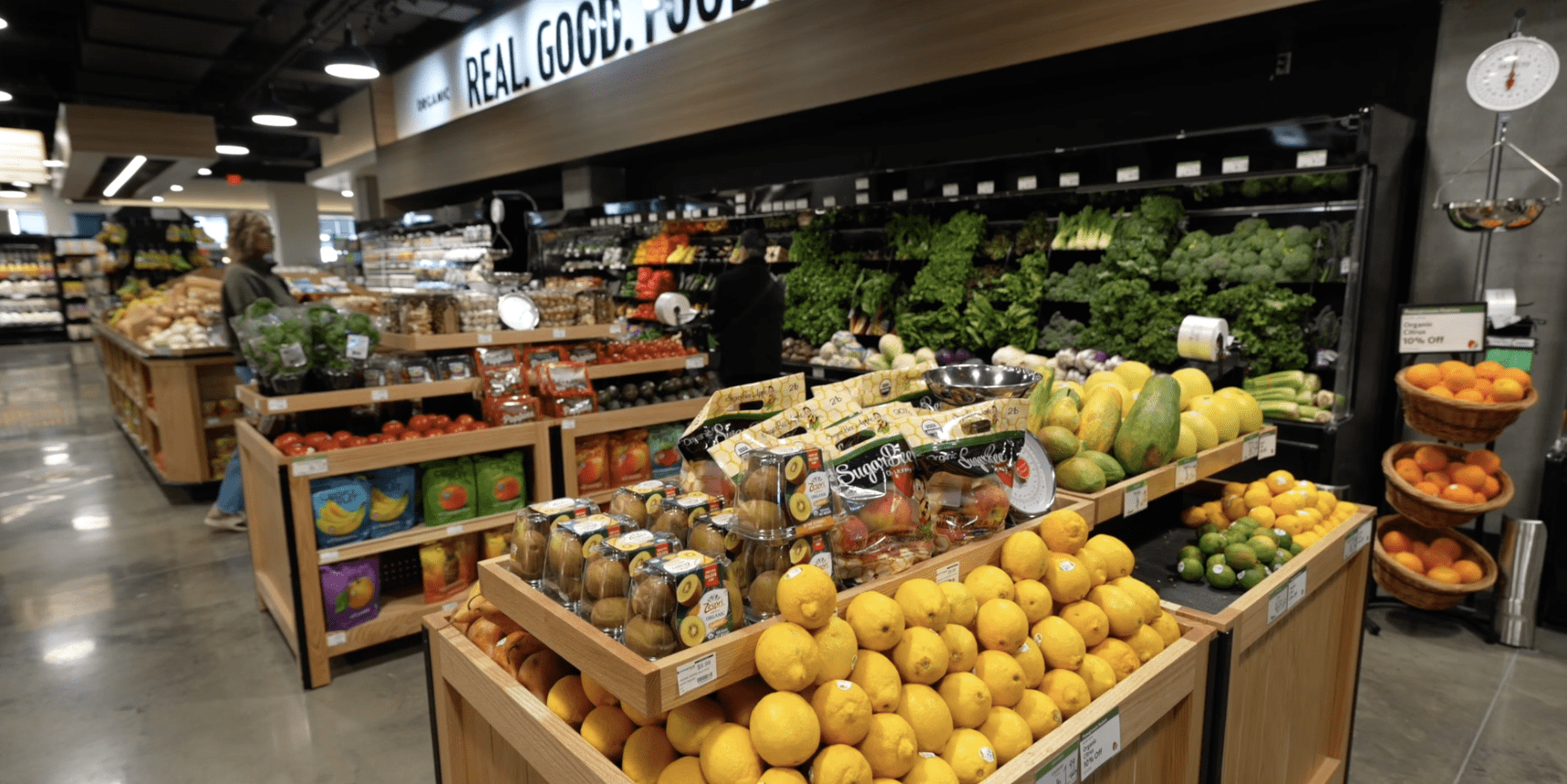
Think of it like going grocery shopping. Thanks to technology, we now can receive groceries without ever going into a store. If you place your order online, you generally receive only what you request. You’ll save time. You might save money without impulse buys. But you also won’t have the experience of walking through the store and seeing all the products available. You won’t learn about a new product that you might enjoy. You might even lose out on saving money if something you buy often is on sale and you miss the chance to stock up.
The biggest loss, I think, as people move away from physical newspapers, watching entire TV newscasts or even going directly to a news website to scroll is the process of discovery that happens with news content. You naturally learn about things and gain perspective you would not if you tried to seek it all out yourself. You’re not exposed to different voices, and you lack a comprehensive look at what’s happening around you because your content consumption is so segmented.
It’s possible to address all of this if we prioritize it. Quality content still exists, including in this market, which has seen an exciting increase in locally owned news outlets since I launched eight years ago.
But know that as far as I and my business are concerned, it’s also just as much on us. We strive to earn your trust continually, and the bar for quality is as high as it was when we first hit “publish.”
I’m so grateful that you continue to read our work and tell me regularly how much value you find in it. I continue to believe that the most effective local media is that which is locally owned and empowered to innovate and reflect the needs of the communities it serves. Thank you for a “great eight,” and I’m excited for the years to come.