Sioux Metro Growth Alliance CEO details strong 2024, plans for year ahead
March 11, 2025
This paid piece is sponsored by Sioux Metro Growth Alliance.
From Main Street businesses to major expansions, new neighborhoods and plans for more, there has been no shortage of economic activity in Sioux Falls metro-area communities.
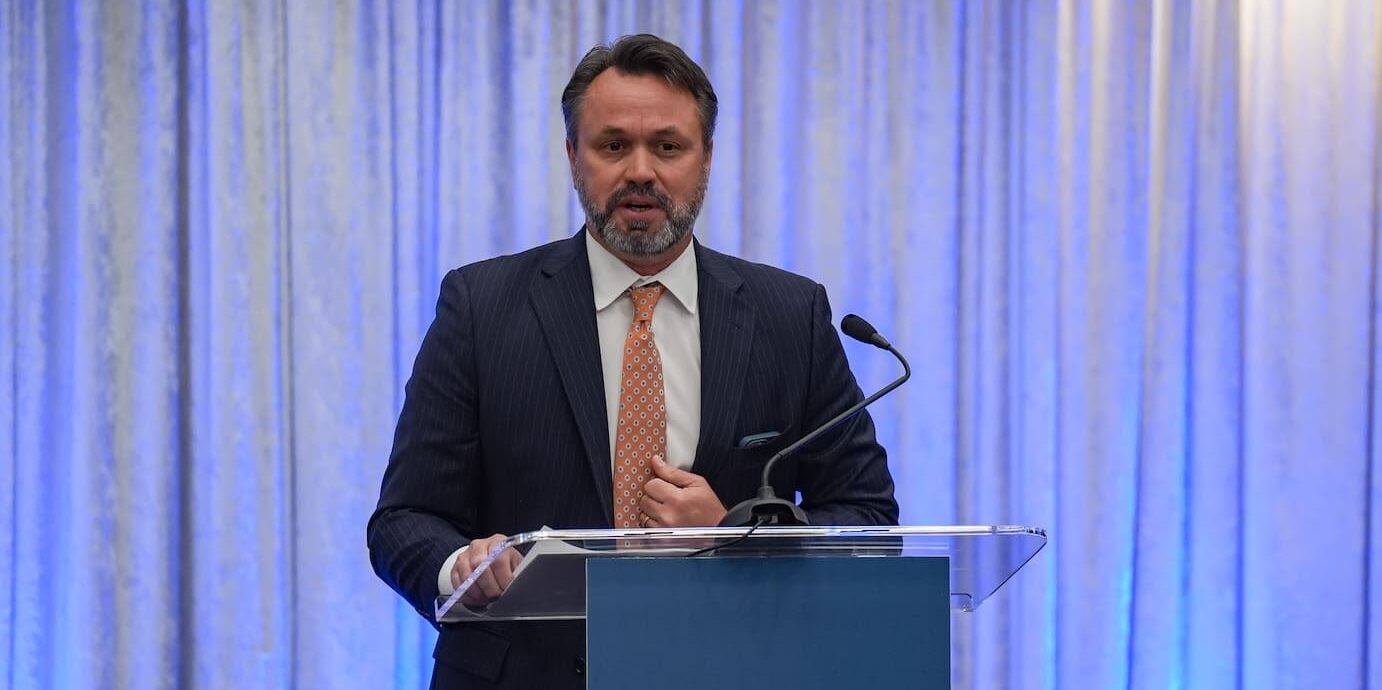
“I think it was a year of continued growth,” said Tyler Tordsen, who became president and CEO of Sioux Metro Growth Alliance in late 2023.
“There was certainly a lot of growth for us as an organization, too, with a new team building off the success of our 34-year history.”
Sioux Metro Growth Alliance serves the four-county area around Sioux Falls with a mission to stimulate, sustain and support the economic growth of the communities, businesses and general stakeholders within the metro area.
We sat down with Tordsen for a look at the successes of 2024 and the outlook for the year ahead.

As you look across the Sioux Metro area from 2024 into 2025, are there some themes that emerge?
To build on the theme of growth, we’re seeing increased sales tax collection and increased property tax collection by prioritizing more local spending and local construction. As we experience more new housing in the Sioux Metro communities, it feeds both those revenue channels. We talk a lot about how much a dollar can recycle within a community before it gets to Sioux Falls, which eventually it will. So the more opportunities to shop local or bring in visitors to things like festivals and farmers markets, the more it helps the community invest in itself as the tax base grows.
Sales tax grew for practically all 16 SMGA-member communities, on average up 6.4 percent year over year, with some up double digits.
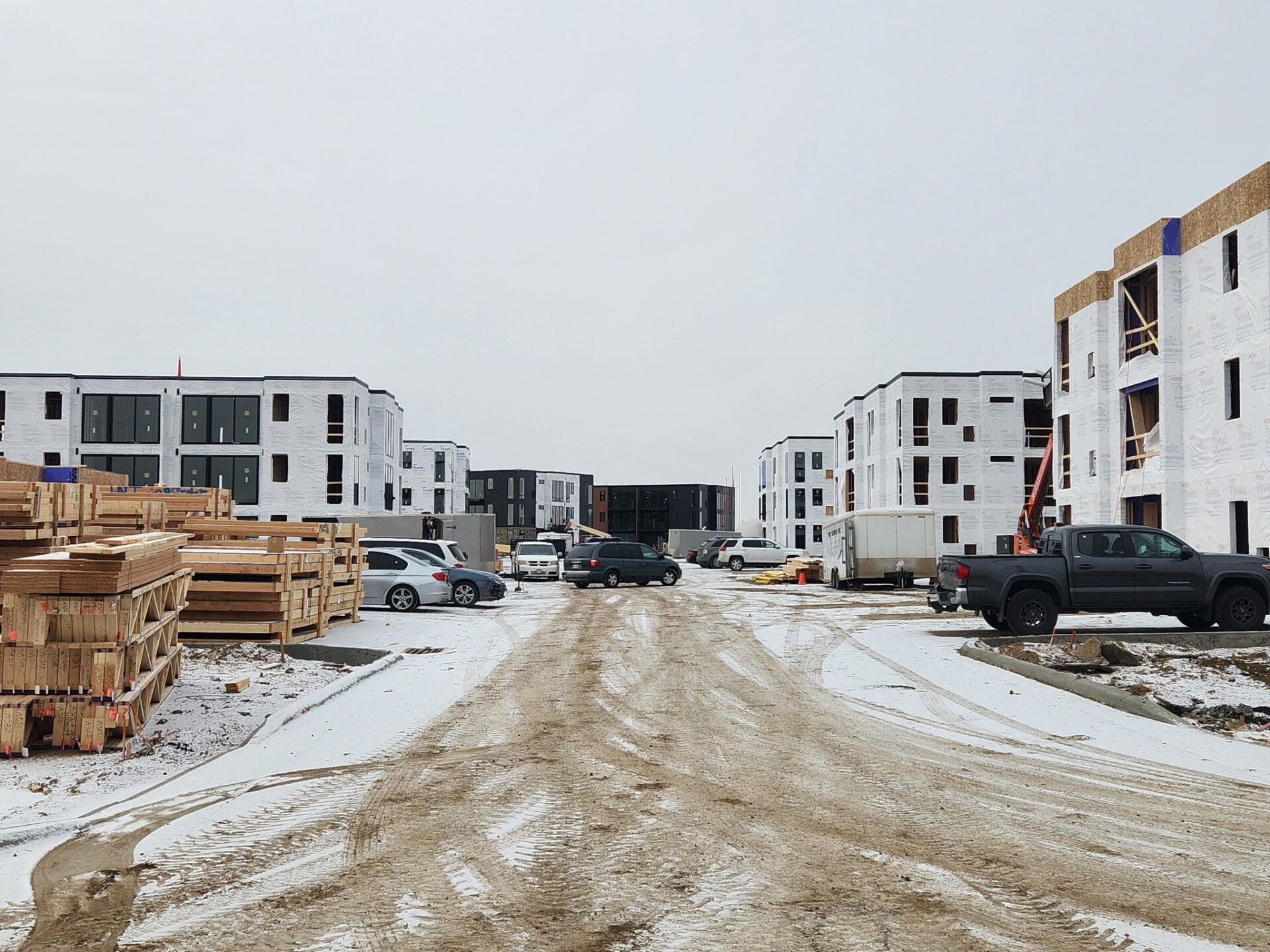
On the housing side, we’re seeing more full-fledged developments — it’s more than a home here or there — and we’re seeing some examples in communities like Salem and Canton where the first new neighborhoods in decades have broken ground.
When you look at opportunities for economic development, what are you seeing across the Sioux Metro?
It varies by community because they have their own identities and challenges, but big picture, we’re seeing more downtown, Main Street-level revitalization, which is exciting because it can encourage small-business activity that generates sales tax and encourages more visitors. The success of facade improvement programs and zoning that supports retail is key to making sure these buildings take on their highest and best use. We’re excited by the traction in places like Dell Rapids and Lennox around downtown redevelopment and see a lot of opportunities to highlight some of their best practices.
There’s also a theme in housing opportunities, not just single-family but in looking for creative ways to do multifamily and townhome-style housing, which is necessary for people who aren’t ready to be homeowners or are looking to age in place in their community but want something with less maintenance.
And finally, it’s also exciting to see our communities investing in quality of life. We’ve seen everything from sidewalks and bike trail projects to swimming pools and dog parks to museums and veteran memorials.
Are there some strategies you’re seeing communities employ – or that SMGA is helping them employ – that seem to be effective in managing that growth?
I like seeing what some of the communities are doing to maintain their housing stock. Lennox offers a matching grant to qualifying home upgrades. Centerville’s Development Corporation will take one or two dilapidated houses each year and flip them for the good of the community and then use the proceeds to fund the next project.
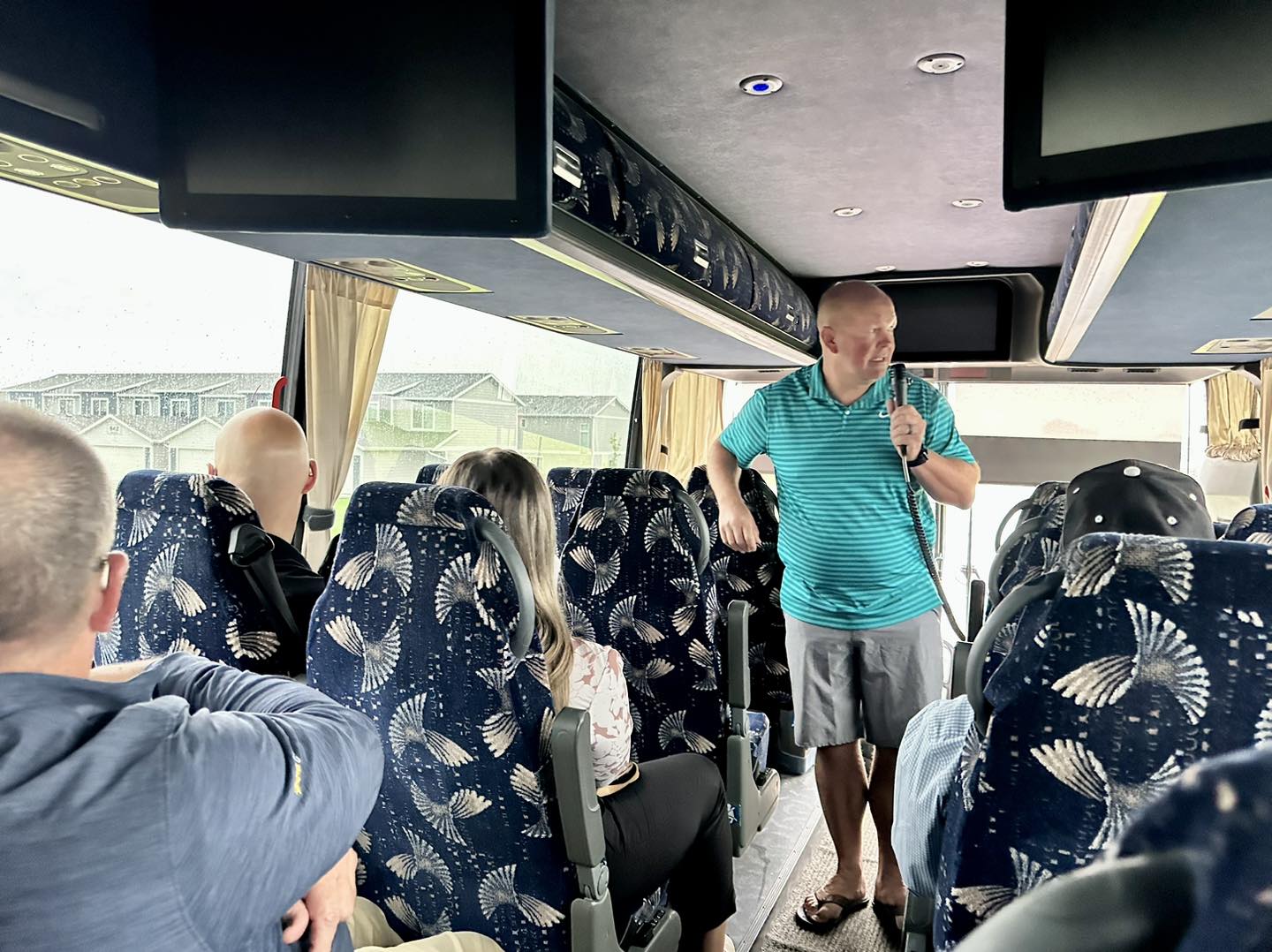
Lennox and Hartford also collaborated to share a code enforcement person, which was a game-changer we learned about during our August bus tour.
More broadly, there’s a need for more industrial land not just across the Sioux Metro but throughout South Dakota. So looking ahead to 2025, we want to look at how we can team up with partners and get creative to develop more industrial land with a plan in place so southeast South Dakota remains ripe to recruit manufacturing and new industry because people are continuing to look here. We’re continuing to work closely with the Sioux Falls Development Foundation, and they’re open to collaboration to find something that makes sense for the good of the broader region.
As you look toward the year ahead, are there some areas or projects or potential developments that especially excite you within the Sioux Metro communities?
On the industrial park side, I’d like to see us find a couple landing spaces for large and smaller manufacturers looking to relocate to South Dakota. There’s a lot of potential to see some of those fall into place. I’d also like to see more value-added ag activity. Ag is still our No. 1 industry, and there’s tremendous potential to grow here, whether it’s bio-based or dairy processing or animal processing.
For Sioux Metro Growth Alliance as an organization, what are some of the key accomplishments that helped define 2024 and will be priorities in 2025?
I really view Sioux Metro Growth Alliance as just that — an alliance — and in the last year, we’ve brought more people into our mix to have a bigger alliance. We’re working with more communities, more businesses and more partners to serve as that two-way street to and from Sioux Falls to the bigger region. We’re demonstrating how we’re here to serve, whether it be through research and data, site visits, responding to RFIs, community promotion and other needed areas of support. We’re flexible enough that we add value where the communities need us to add value.
We’ve also seen great success with our events and plan to build on them this year. We’re respectful of your time when you attend, you will meet new people and learn, and sometimes deals even get made there. But there’s a lot of interest, and we want to continue to invest in hosting high-quality events.
We recognize there’s still a strong story that needs to be told about who Sioux Metro Growth Alliance is — to everyone from new elected officials to residents and business leaders — and often once we tell them who we are and what we do, people are wowed and want to build off our success and help the communities we serve.
You also introduced a new way to do just that: corporate memberships to SMGA. What do those entail, and how have they been received?
Our members are the counties and cities we serve. Our partners historically have involved utilities and regional banks, including industry competitors who come together for the good of the region. We’ve also had other businesses asking about how to become partners in supporting regional growth, so our team worked hard to develop a corporate partnership model with multiple tiers to expand to anyone who wants to connect with us. So we’re now connecting with partners such as architecture and engineering firms, construction companies, developers and more. We’ve seen a really strong response and will continue to spread the word that this is an option for businesses to join us in growing the Sioux Metro.
If businesses or individuals would like to connect with Sioux Metro Growth Alliance, what should they do?
To learn more about corporate partnerships, you can contact me directly at tylert@siouxmetro.com. I’d also encourage you to fill out this form on our website to receive our weekly email newsletter and our free magazine. It’s a great way to stay connected with all that’s happening in our region.