Tips for planning your next team event: Lessons from Lemonly’s annual retreat
Jan. 15, 2025
This paid piece is sponsored by Lemonly.
For companies today, taking time to focus on building workplace culture comes with real costs. The benefits of a strong culture are clear, but businesses still have to make tough decisions about how to focus their resources.
For Lemonly, a Sioux Falls-based infographic agency, investing time in culture and relationships isn’t just a nice-to-have. It’s a cornerstone of the company’s success.
Lemonly’s approach to building culture emphasizes collaboration and a healthy balance of work and fun. Most recently, the team celebrated its annual retreat. Employees gathered at Joy Ranch near Watertown to learn more about each other, make memories together and brainstorm creative ideas to make the company better.
While multiday, off-site gatherings aren’t the right fit for every company, the principle behind Lemonly’s approach is universal. Thriving teams need intentional investment in relationships beyond day-to-day work interactions. In both everyday and big-picture ways, employees need to feel seen, heard and valued by their teammates and leaders. Team events are an important source of that connection.
Lemonly’s retreat has been a fixture on the company calendar for 10 years. The location changes each year, and the program adapts as the team’s makeup and needs evolve. But its essence and importance remain the same. Here, the agency shares insights into planning the retreat for other companies ready to level up their team events.

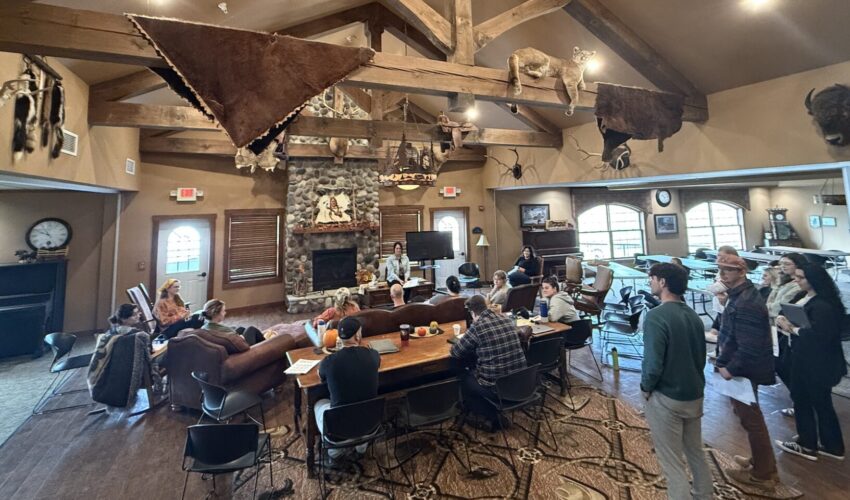
The Lemonly team comes together for Western-themed fun at Joy Ranch near Watertown at the company’s October retreat.
Benefits to the team and the business
Lemonly’s flexible work model, where employees are a mix of remote and in-office on any given day, means that coming together for intentional connection is essential. Most of the team lives within driving distance of the Sioux Falls headquarters, but some work remotely year-round. These employees share a unique appreciation for the time they spend with their co-workers.
“The sense of community fostered during our retreat is invaluable,” said Dafne Sagastume, a senior visual designer who traveled from Vancouver, Canada, to attend the retreat. She has worked remotely for Lemonly since 2014, and her regular trips to South Dakota help her feel connected to the team. “It’s great to share a meal together and partake in fun group activities. The relaxed environment builds camaraderie and a sense of belonging that boosts morale and motivation.”

Lemonly team members sport custom bandanas designed for the company’s retreat.
Lemonly’s annual retreat isn’t just about boosting morale and making memories. It’s also a time for everyone to discuss ideas that drive business success and productivity.
“This was my ninth retreat, and they’ve all been special and memorable in different ways,” said Maddie Mack, associate director of content. “It’s rewarding to look back at how our focus areas and team have changed over the years. I can also pick out things that have stayed the same. It’s always been about learning — learning more about our teammates, ourselves and Lemonly’s potential.”
That learning has manifested in many ways since Lemonly started hosting retreats in 2014. Benefits of hosting team retreats over the years include:
- Team bonding: The Lemonly team gets to know each other a little better with every retreat. Whether it’s through campfire karaoke, murder-mystery games or show-and-tell presentations from every team member, people learn more about each other on retreat. That common understanding among employees builds trust and helps teams function.
- Productive dialogue: Retreats foster deep engagement. People tend to speak honestly about important issues when they’re away from their desks and Zoom cameras. At this year’s retreat, for example, Lemonly’s chief operations officer, Chris Prendergast, led the team in a unique live survey experience. The exercise measured employees’ feelings about everything from AI to employee benefits and prompted candid discussions about the industry’s most pressing issues.
- Creativity and collaboration: Workshopping ideas with other creatives away from the office is a great way for the Lemonly team to ideate ways to make their work even better.
- Morale: Having the retreat to look forward to is a big morale booster. Anticipation around a company retreat can help employees avoid burnout. Plus, people tend to come back to work feeling rejuvenated and ready to collaborate.
- Refreshed company culture: An annual retreat is one way companies walk the walk about their dedication to team members. It’s also a great opportunity to check in on employee well-being. Team events and deeper conversations can reveal where people need more support and help leaders identify places where they can improve their culture. Studies show that companies with strong cultures have lower turnover, greater innovation and better bottom lines.
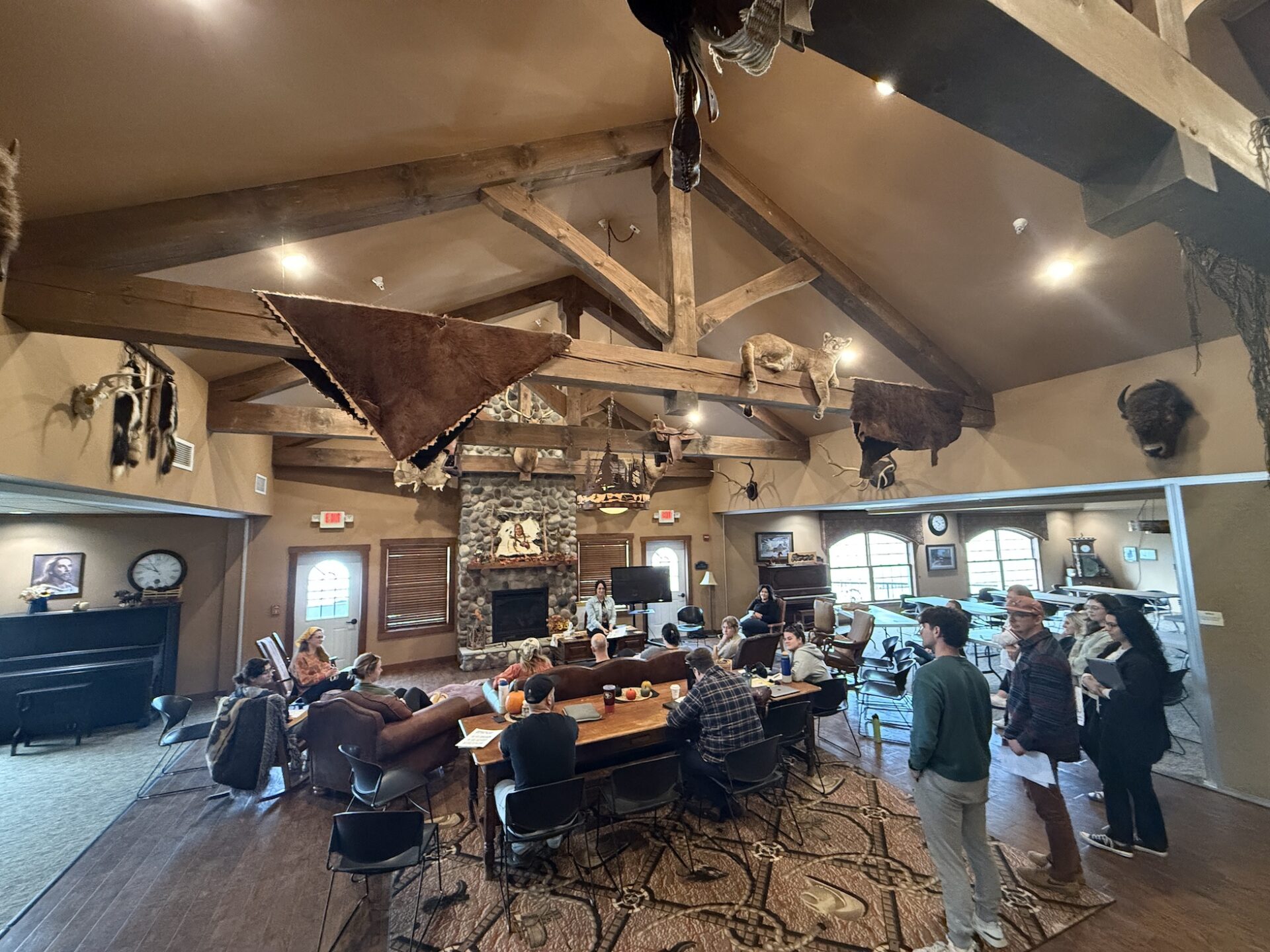
Lemonly team members gather at Joy Ranch for an interactive session about the company’s core values.
What to consider when planning a team event
Getting the most out of a company retreat or team event requires intentionality from everyone involved. But you don’t have to put on a full-fledged, multiday excursion to reap a lot of the benefits. If your culture team is considering hosting a big event, there are a few things to consider.
“When we plan our annual retreat, we always look for a casual physical atmosphere,” said Ashton Dockendorf, director of design and operations, and leader of Lemonly’s culture team. “It’s authentic to our culture. A living-room setting is a clear departure from the office and opens the door to less formality and more casual conversations.”
Dockendorf also emphasizes the importance of balance. “We try to have a good mix of content,” she said. “We balance our priorities between lighthearted culture-building, personal development, company updates, and topical, important discussions.”
Here are just a few more tips from the Lemonly team:
- Start with goal-setting
It all begins with purposeful goal-setting. When planning your next team event, consider what you want everyone to take away from the experience. What does the team need right now? What can you realistically achieve? What will create a lasting impact? Setting a theme or guiding focus helps event planners create meaningful experiences. Whether it’s a goals-based theme or something just for fun, having this North Star provides a natural way to measure success.
- Choose a location
Location plays a crucial role in setting the tone for your retreat. Environments that take people away from their desks and Zoom cameras inspire a shared sense of adventure and help people leave their everyday baggage at the door. But you don’t have to get away to get a benefit. Both local and destination retreats can be effective when they’re planned with intention.

Horseback riding, an Old West murder mystery and campfire karaoke were a few of the fun activities Lemonly team members enjoyed during a retreat at Joy Ranch.
- Set the program
Plan for variety. Balance group discussions and educational sessions to create an engaging program, and be ready to adapt if necessary. Keep tabs on how people feel so that leaders know when to push discussions and education further and when to let people kick back and have some fun.
- Find a balance between work and play
Avoid filling every minute with planned activities and leave room for spontaneity. Similarly, don’t leave so much unstructured time that you can’t achieve your goals. Create a balanced schedule with dedicated time for focused work sessions, fun activities and free time.
- Build excitement and communicate clearly
While surprises can delight your team, people also want to know what they’re getting into. Share an agenda in advance, and keep your team updated on changes to the schedule. Providing the right amount of information ahead of time builds anticipation while setting clear expectations for participation.

- Foster belonging
Above all, use your next retreat or team event as an opportunity to invest in each other and cultivate a deep sense of belonging. Creating moments for meaningful connection ensures that every team member feels valued and promotes a healthier, more creative work environment.
- Gather feedback
Gather formal and informal feedback both during and after the event. Throughout the retreat, ask how people feel about the length of the sessions, how much free time they have and what they’ve learned. With flexibility built into the schedule, you can adapt based on whether your team members feel like they need a break or are ready to keep going. Plus, getting feedback about sessions in real time ensures people are absorbing the information they’re learning.
After the event, you can gather more formal feedback on the experience through a quick survey, one-on-one conversations or a group debrief. With that information, leaders can address any points that didn’t land at the event itself and plan to make the next culture-building experience even stronger.