Caring for kids is about more than medicine at Sanford Children’s
Nov. 26, 2024
This paid piece is sponsored by Sanford Health.
When Dr. James Wallace meets with a new patient at Sanford Children’s Specialty Clinic, he always starts by introducing himself. It might seem simple, but it’s a crucial step in a strong relationship.

As a pediatric pulmonologist, Wallace sees kids with chronic lung conditions like asthma and cystic fibrosis, as well as those who need at-home breathing equipment like ventilators or oxygen tanks.
However, managing a child’s health concerns is only one small part of the impact specialty providers like Wallace make.
“We can take care of patients, or we can care for patients,” he said. “And there’s a big difference between the two.”
Taking care of patients means simply treating their condition. Caring for patients, on the other hand, means investing in their well-being, related to their condition or otherwise.
“I think sometimes people come to the doctor’s office and feel like they are just being checked off a list,” Wallace said. “But that isn’t the case here.”
Empathy in action
Wallace recalls a visit with a longtime asthma patient who came in for an appointment but seemed unlike herself. The intention that day was to talk with the young adult about transitioning to adult care. But when he noticed something was off, Wallace decided to ask about that first.
She revealed some substantial news she had received earlier in the week that was weighing heavily on her. Wallace called in the care team to determine how to best support her, ultimately relying on the integrative health therapist and social worker to provide the resources and support she needed in that moment.
Talking to her about transitioning her care might have been a tipping point. But because Wallace cared about her as a person first, she received a lot more than just treatment for asthma that day.
“She trusted us enough to share her news,” he said. “And we were able to give her the kind of care she needed.”
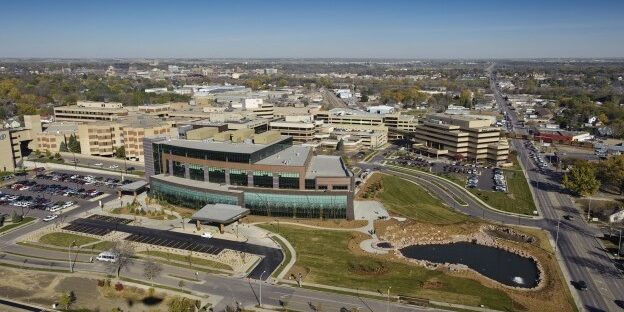
The more than 135 pediatric specialists practicing at Sanford Children’s Hospital have come from around the world and are highly trained in their field. Access to this level of care, including the number of specialists available and specialties offered, is unmatched in the region.
When it comes to medicine, the team at Sanford Children’s Hospital knows what they are doing. But it’s how they treat patients, apart from medicine, that makes their care really stand out.
Putting kids first
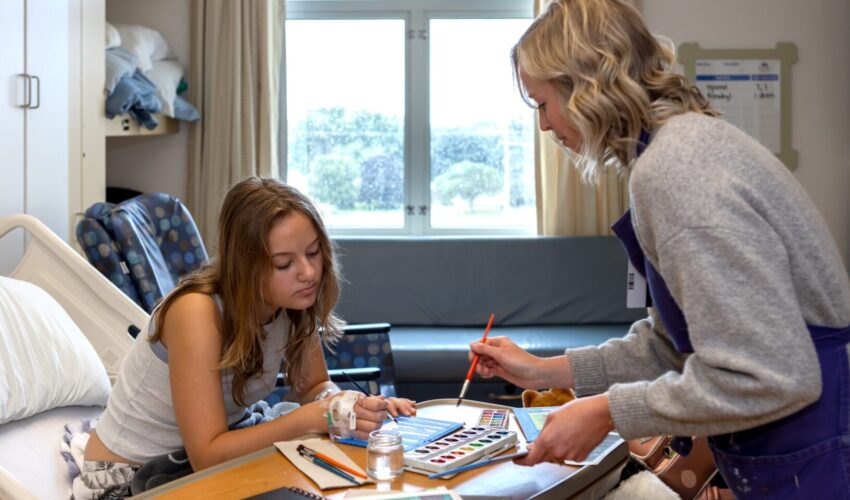
Sanford Children’s Hospital is also home to support staff who provide services designed to make a patient’s time there as comfortable as possible.
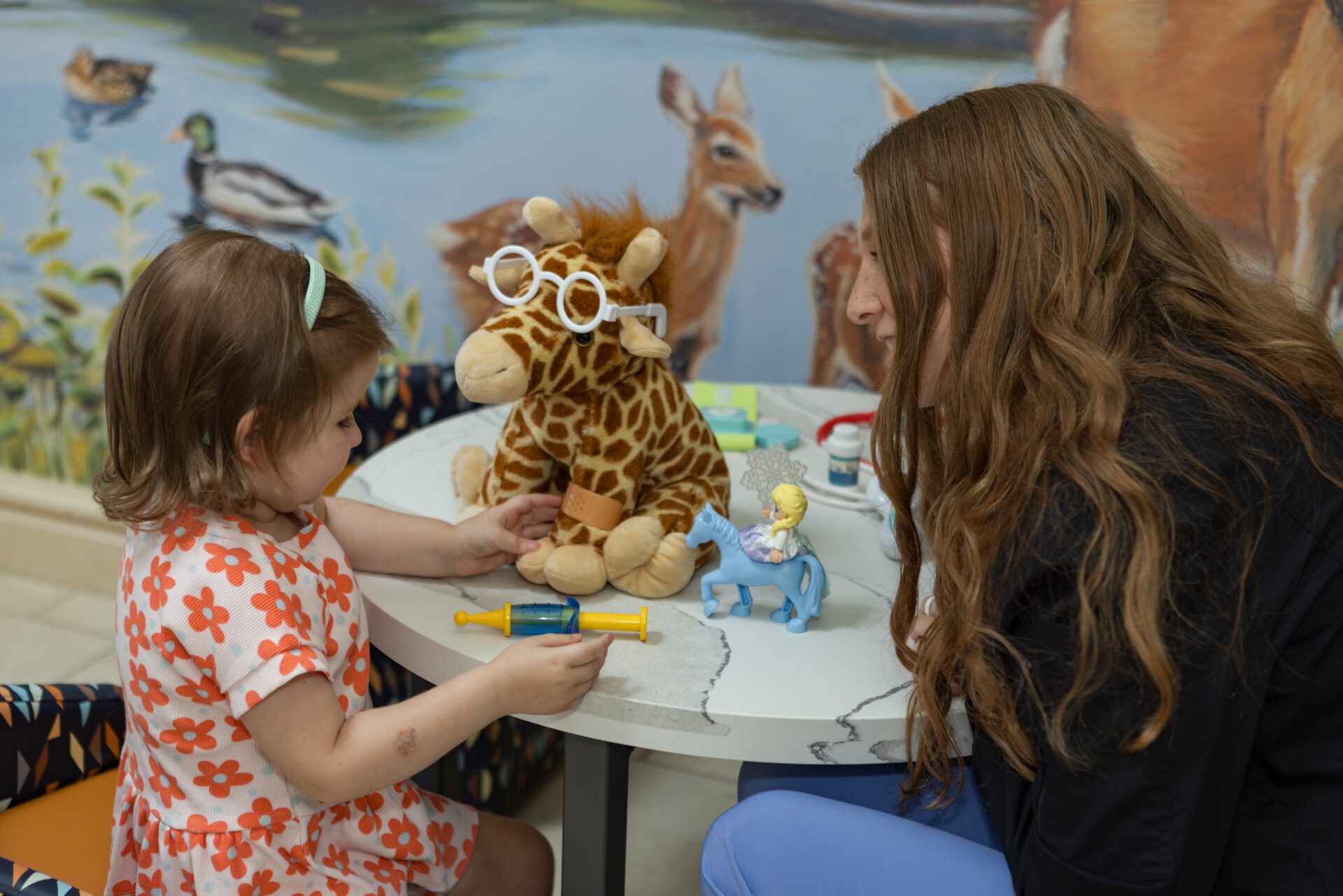
When a child and their family are experiencing stress and uncertainty, the child life services team helps through preparation and education. As experts in play and the psychosocial needs of kids, they understand how to help children heal through engaging activities.
Kids staying in the hospital during the school year can connect with an on-staff teacher to stay up to date on their schoolwork.
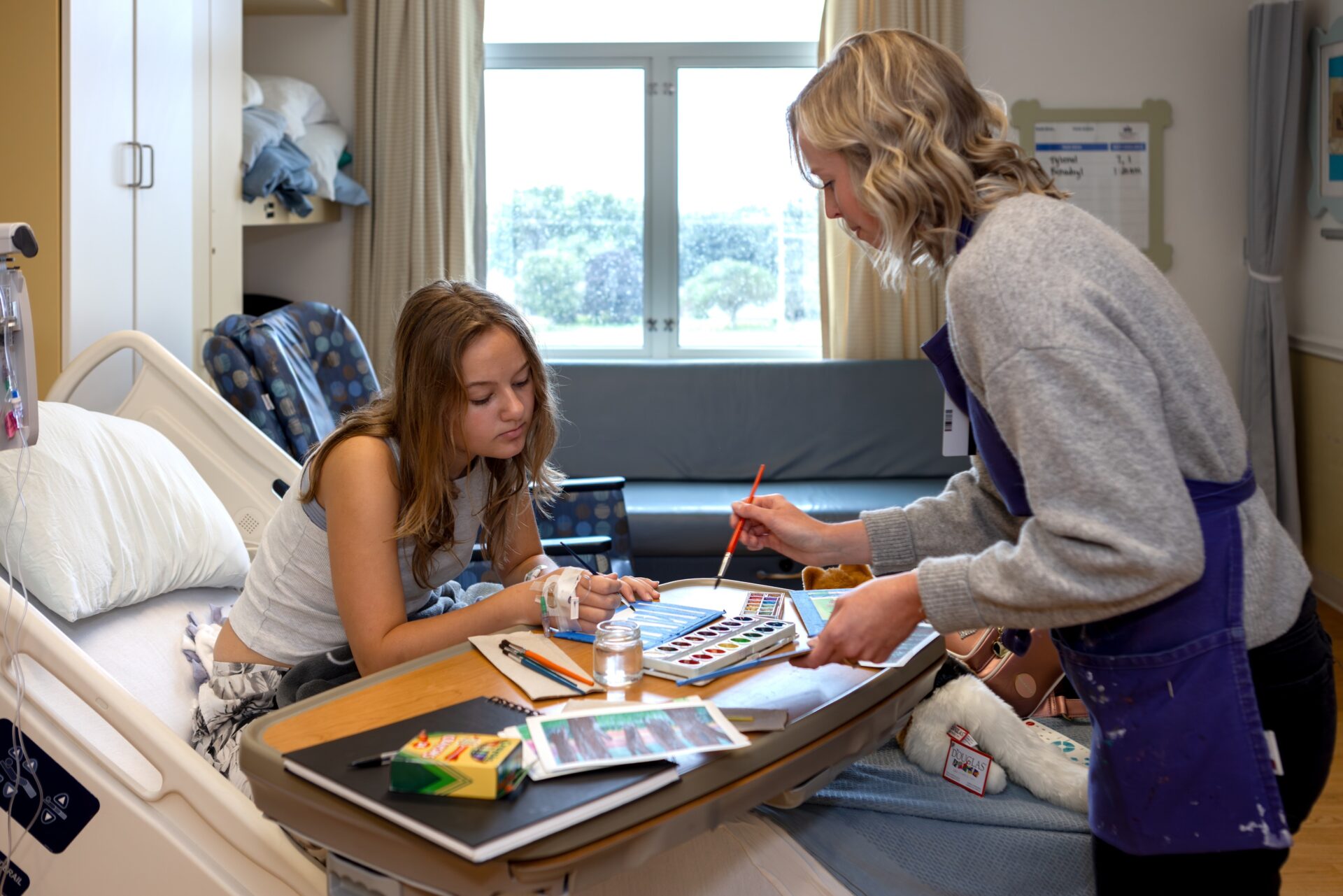
An art therapist can help a child learn about expressing themselves creatively.
A dedicated chaplain offers a comforting presence and is available 24/7.
These services provide a sense of normalcy for kids and their families while they navigate a difficult time. They also illustrate how Sanford Children’s Hospital is committed to understanding the unique needs of kids.
Supporting patients outside the castle walls
Another member of the care team at Sanford Children’s Specialty Clinic, Elisha Nelson, LSW, also offers support to patients that goes beyond just medical treatments.
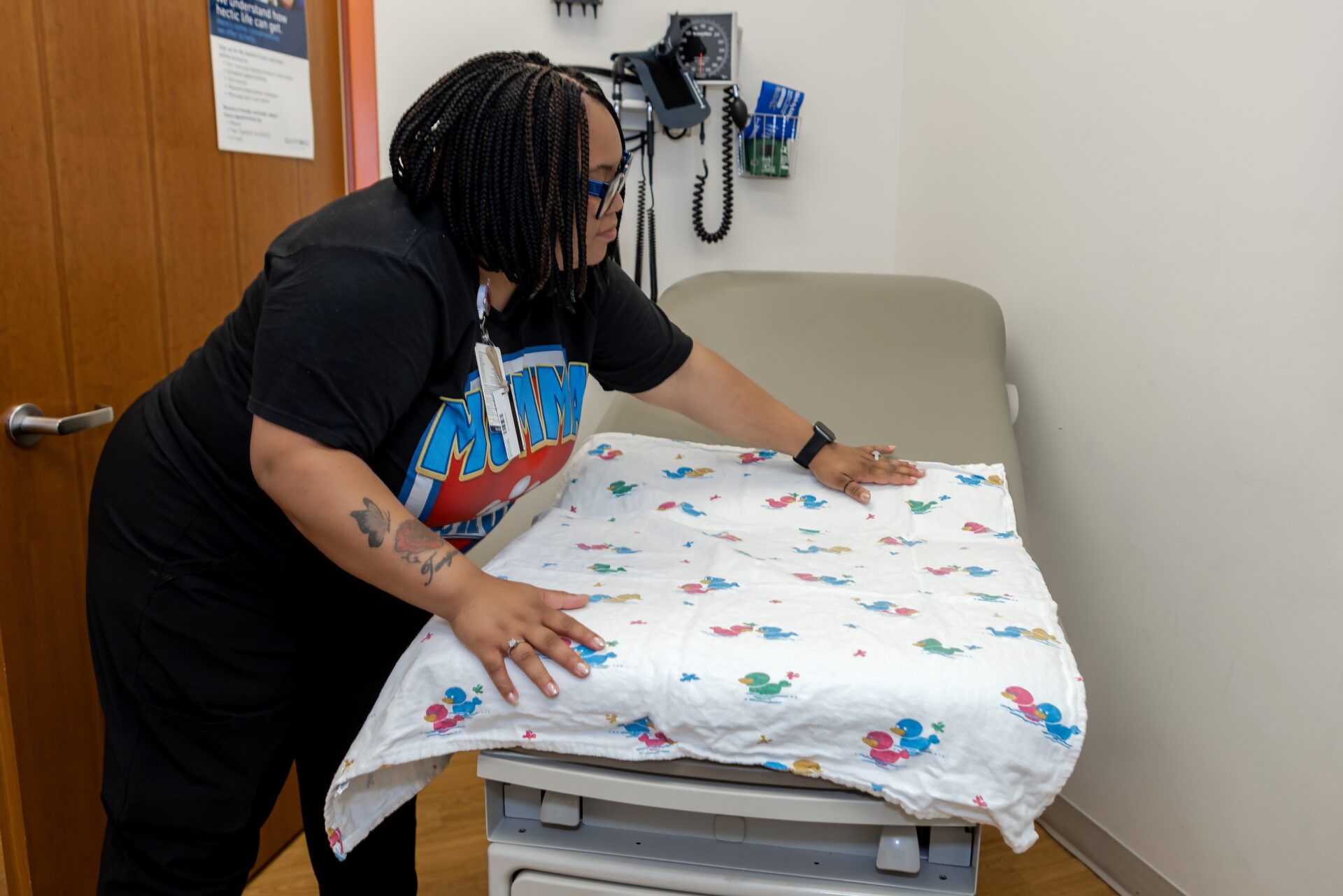
At the children’s hospital, social workers like Nelson help patients with covering transportation costs, coordinating a place to stay and finding resources to cut the cost of medications. They are integral members of the care team, often partnering with providers when critical intervention is required. Social workers also follow up with each family to answer any questions about information they received during an appointment.
Between collaborating with other members of the care team and connecting with patients and families, social workers serve nearly everyone at the clinic.
“Our goal is to minimize stress wherever possible,” Nelson said.
Creating access to nutritious food
When the hospital began exploring how to meet the needs of patients who are food insecure, Nelson’s collaborative working style made her an ideal candidate to take on the project.
Kid’s Kitchen, the on-site food pantry, distributes nearly 5,500 pounds of food every week. That’s a significant increase from the 900 pounds distributed weekly when the program began just a few years ago.
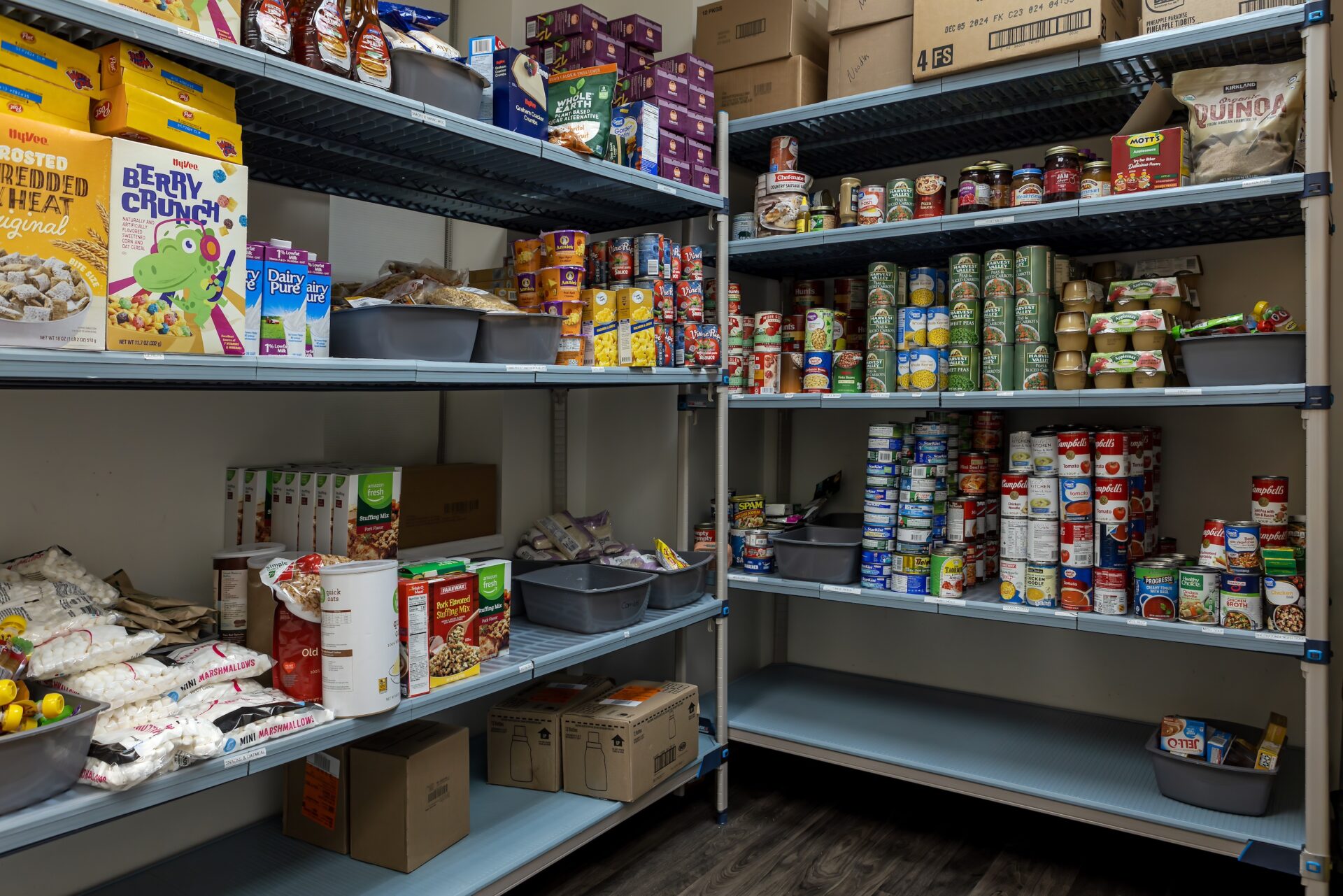
At every appointment, families answer a few simple questions to screen for food insecurity. If they signal a need for food, their appointment will conclude with a visit from Nelson or one of her colleagues.
It’s a convenient way to make sure families have food that day without any additional appointments. It’s also a natural time to offer connections to other community resources.
“When it’s recognized, the family can get what they need right away,” Wallace said. “The team responds quickly so families don’t have to wait around.”
Kid’s Kitchen is one of the most active clinic food pantries in the state. Stocking it each week is a clinic-wide effort. On delivery day, every spare set of hands, including providers, administrative staff and even the on-site schoolteacher, help unload the truck and restock the pantry.
“Families are grateful for this food help,” Nelson said. “That pushes us to do whatever we can.”
She estimates that the pantry serves 2,000 individuals each month. Aside from ensuring food for families, the pantry also has decreased the clinic appointment no-show rate.
“When we eliminated the barriers to accessing food, we were able to find that so many more people needed help than we even realized,” Nelson said.
A culture that cares
Going to the hospital, even for a routine appointment, can feel a little scary for kids and their parents. But at Sanford Children’s Hospital, there’s a team ready to help them feel welcome and supported with more than just the care they need.
More than 500 care team members, including physicians, nurses, educators, child life specialists and more, work together to provide child- and family-centered care. And it’s those people who make moving on from Sanford Children’s Hospital difficult for some families.
“I’ve had people say to me, ‘We’re not going to miss coming here, but we are going to miss seeing you,’” Wallace said. “We feel like a part of the family.”