Giving simplified: How one website connects donors with dozens of projects, programs
Nov. 25, 2024
This paid piece is sponsored by the Sioux Falls Area Community Foundation.
People are generous, and in Sioux Falls, there is no shortage of worthy causes for people to invest in.
But it can be difficult to know – what do organizations need, and how can I support them?
That’s where The Giving Depot comes in.
The Giving Depot, created by the Sioux Falls Area Community Foundation, is an online bulletin board of area nonprofits that details projects and causes people can support through donations. More than 40 projects are on the site, and more are added all the time.
Nonprofits update their listing every few months, so there’s always something new on the site.
Opportunities posted range from raising money to buy copies of “The Polar Express” for families – something the Family Visitation Center is doing – to donations of new warm winter clothes, which is a need at Glory House.
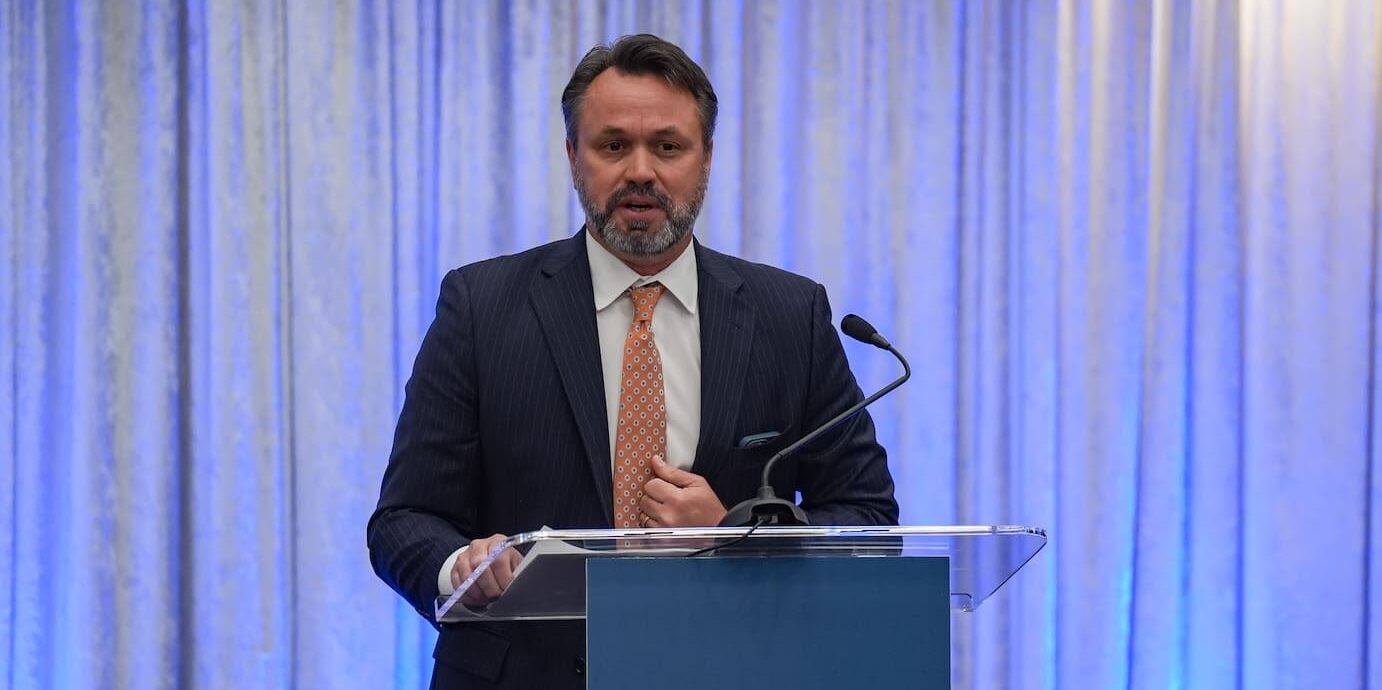
“We know people want to help, but they aren’t always sure where to look,” said Patrick Gale, vice president of community investment at the Foundation. “So we created The Giving Depot to help them pair their passion for giving with the needs of these nonprofits.”
Training volunteers
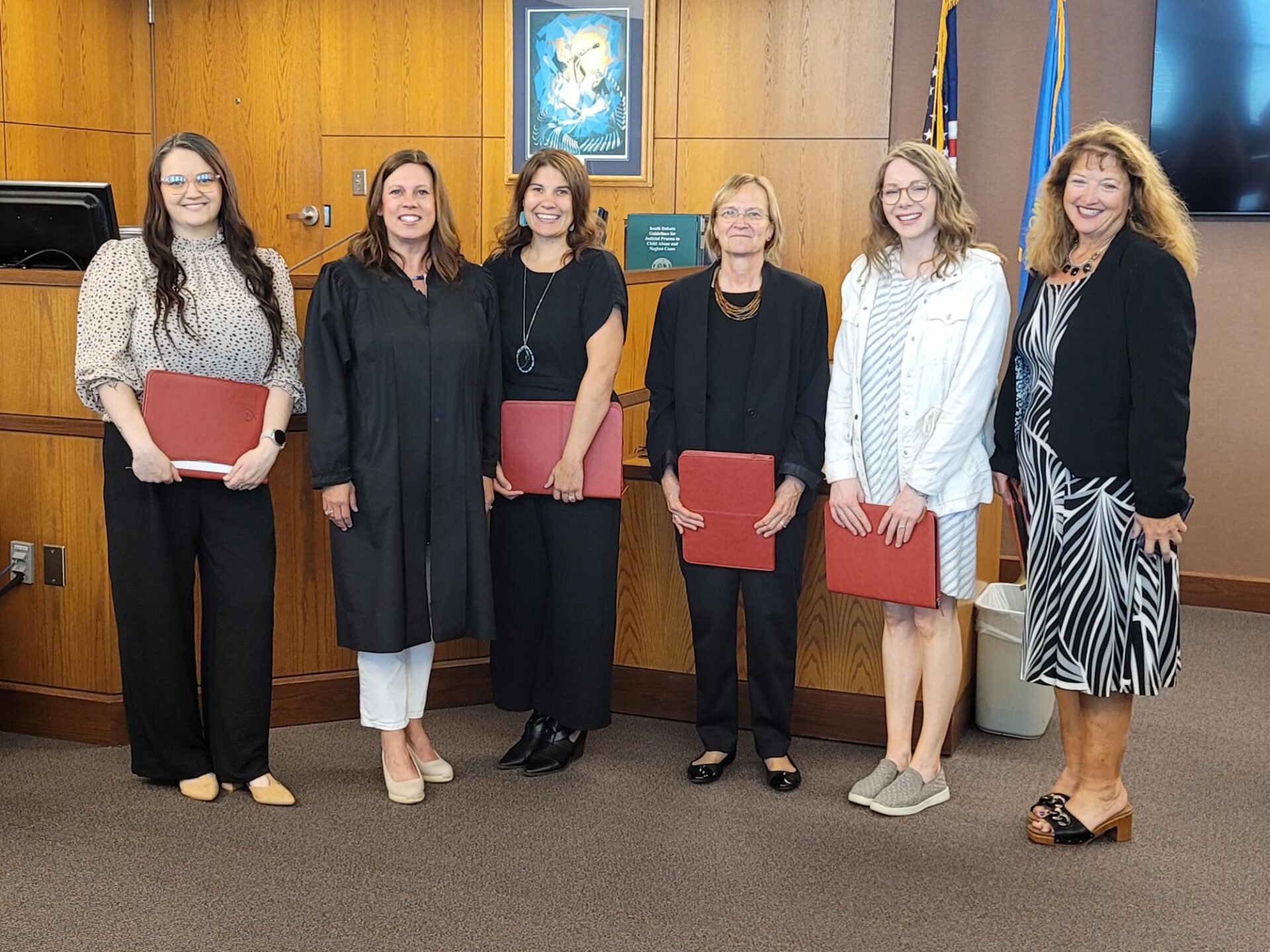
Stacey Tieszen, CEO with CASA, said The Giving Depot has helped her organization.
Tieszen said CASA regularly posts about upcoming projects and ongoing needs on The Giving Depot. Right now, it is asking for donations to teach volunteers to become Court Appointed Special Advocates – people who are trained to work with a child and serve as the eyes and ears of the judge. The goal is to raise $20,000, enough to train 10 new volunteers.
“Last year, when it all started, we had a lot of donations, and I wasn’t sure where they came from,” Tieszen said, noting that was when The Giving Depot started.
She said she makes sure to update CASA’s information on The Giving Depot to continue to connect with people.
“I’m incredibly grateful for donors who support all these programs and the programs we collaborate with,” Tieszen said. “Looking at The Giving Depot and seeing all these agencies our volunteers interact with and knowing they are doing good work just feels good.”
CASA began in 1994 and serves as a voice for neglected and abused children. Tieszen said almost 500 children per year are assigned to the CASA program, and the numbers keep growing.
She said CASA has begun tracking the various issues adults have that can contribute to instability – everything from incarceration to substance misuse to domestic violence and poverty. They’ve realized the parents they work with often have multiple issues at once, any one of which can derail a family.
Where to even start helping a family?
“Think in general how long it takes people to change, and we’re asking families to do that, but they don’t have a healthy support system,” Tieszen said. “We want them to have someone to call in a crisis – but everything is a crisis.”
She can tell you one terrible story after another. But Tieszen knows that there are moments of clarity, brightness – when a child is safe, when a parent gets help, when a CASA volunteer sees the work pay off.
That doesn’t happen without the financial support of donors and the manpower support of volunteers. It also takes coordination from agency to agency – as the nonprofit community knits together resources to help families.
“It all ties together, with us being able to recruit volunteers, and the state recruiting foster families and child protection workers, and then all of us understanding we need to focus together on prevention,” Tieszen said. “All the data is out there – and it will take all of us.”
Tieszen said she tries to educate the community that these issues happen in every kind of family in the community.
“We encourage our volunteers to work with the whole family. Can you imagine going your whole life and never having anyone say ‘I’m proud of you. You did really well. Keep going,’” she said. “Our volunteers come back and say, ‘She started crying when I said that.’”
She sees every day how the program provides meaning for children, families and volunteers.
“Our program is phenomenal,” she said. “The work we do is incredible.”
Early education
Another program in the Sioux Falls area helps young children in a very different way.
The Toy Lending Library of South Dakota has been operating for almost a decade, said Anelis Coscioni, executive director. Coscioni said research showed her that many families didn’t have toys for their kids to play and learn.
“Your biggest learning development is in the first years of your life, and when you’re playing, you’re learning a lot of the skills you need before you go to school,” Coscioni said.
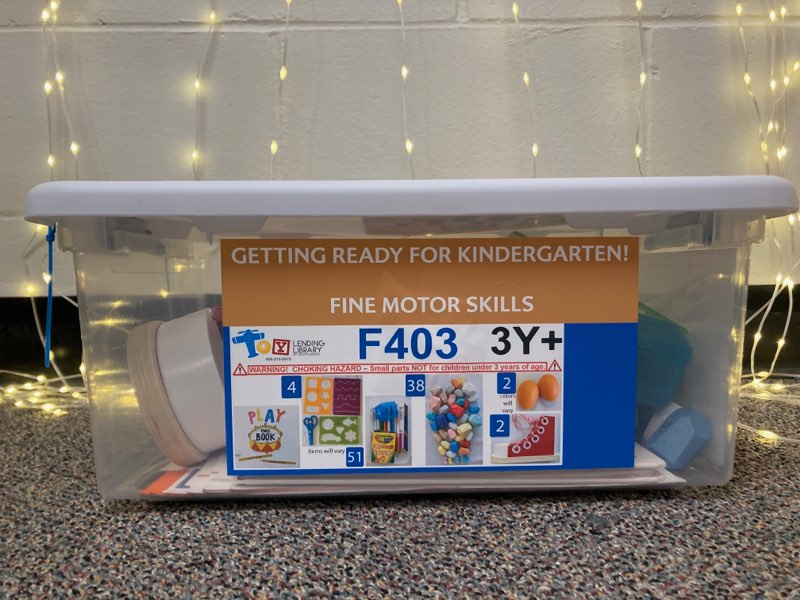
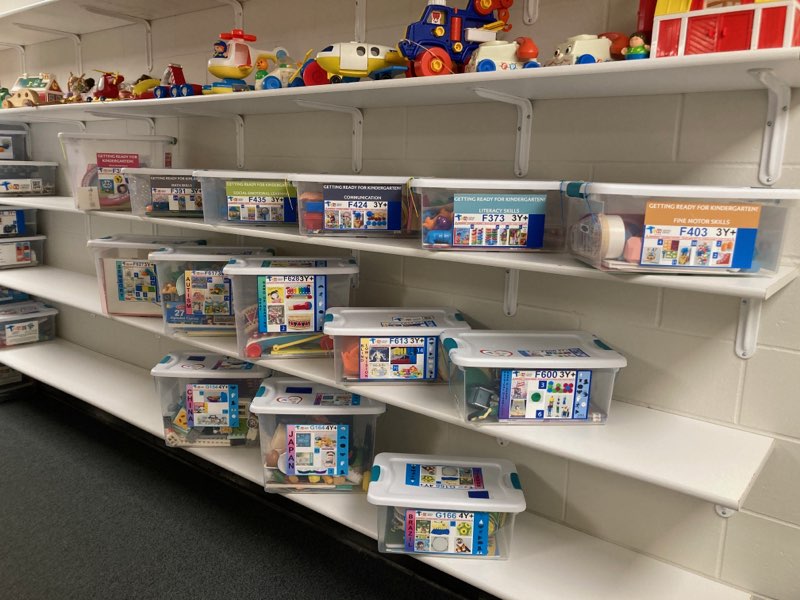
The Toy Lending Library creates boxes of books and educational toys for kids age 0 to 5. The boxes can cater to certain skills or developmental needs and are color-coded for age and ability.
“If a nurse or teacher says your child needs to learn fine motor skills, you can look for a little hand on the box, and those help with fine motor skills,” Coscioni said. “Every box will have at least one toy and one book. If you play with and read to your children, it is a more complete learning experience.”
A box for fine motor development might include a drum or a set of pretend rocks, perfect for little hands to grab and stack.
The Toy Lending Library has more than 1,600 toy boxes that can be borrowed from 20 locations, with the majority circulating at the Siouxland Libraries in Sioux Falls. Each box is sanitized and checked for wear and tear when it’s returned to the library. Coscioni said volunteers help with that.
On The Giving Depot website, the nonprofit is asking for funding to help build 300 more specialized boxes.
“We have a collection of boxes that talk about disabilities because we care about inclusion,” Coscioni said. “For example, it shows how a child with autism might see the world. Or if you see someone who looks different from you, ask that child ‘How can we play together?’ Anytime we learn from each other, we are growing stronger.”
Coscioni said the Toy Lending Library is more than halfway to its goal of creating the additional boxes, and she credits The Giving Depot with connecting donors to the lending library.
“We are a small nonprofit, and the only marketing money we spend is on a bookmark,” Coscioni said. “We don’t have funding to go advertise.”
She calls the Depot an opportunity to reach a new audience.
“If you’re around me, you’re going to hear about the Toy Lending Library,” she said with a laugh. “The Giving Depot is a great opportunity for us to reach donors who have maybe never heard of us and to share things we are doing.”
In the first year of operation, the Toy Lending Library checked out 251 toy boxes. Last year? That number hit almost 7,900, Coscioni said. And since April of this year, it has averaged 800 per month, she said.
“The circulation of the toy boxes keeps increasing,” Coscioni said.
The Giving Depot
Tieszen with CASA said The Giving Depot helps her learn more about area nonprofits.
“I like to scroll down The Giving Depot page and learn about other organizations, and I’ll think, ‘Oh, I didn’t know they did that; I should let others know,’” Tieszen said. “And as an organization, when we are looking for a way at CASA to give back, it’s a great resource for us to look at as well. It’s all in one spot.”
“I always make sure we’re updated,” Tieszen said of CASA’s information on the site.
Gale said that’s one of the benefits of The Giving Depot.
“I love being able to show the real variety of work that’s being done in the community,” he said. “No matter what cause you’re passionate about, you can find someone in Sioux Falls doing that work. And by looking at The Giving Depot, you’re likely to discover new projects and nonprofits you maybe didn’t know about before.”
Coscioni said she recommends that other nonprofits share their information.
“It’s a great opportunity,” she said. “There is no cost, and we are asked to check on it every 90 days, so it can be updated. The Community Foundation helps us do that and makes it easy. I highly recommend other nonprofits do it.”